Leave Your Message

Powered Roller Conveyor for Warehousing & Material Transfer | China Suppliers & Factory

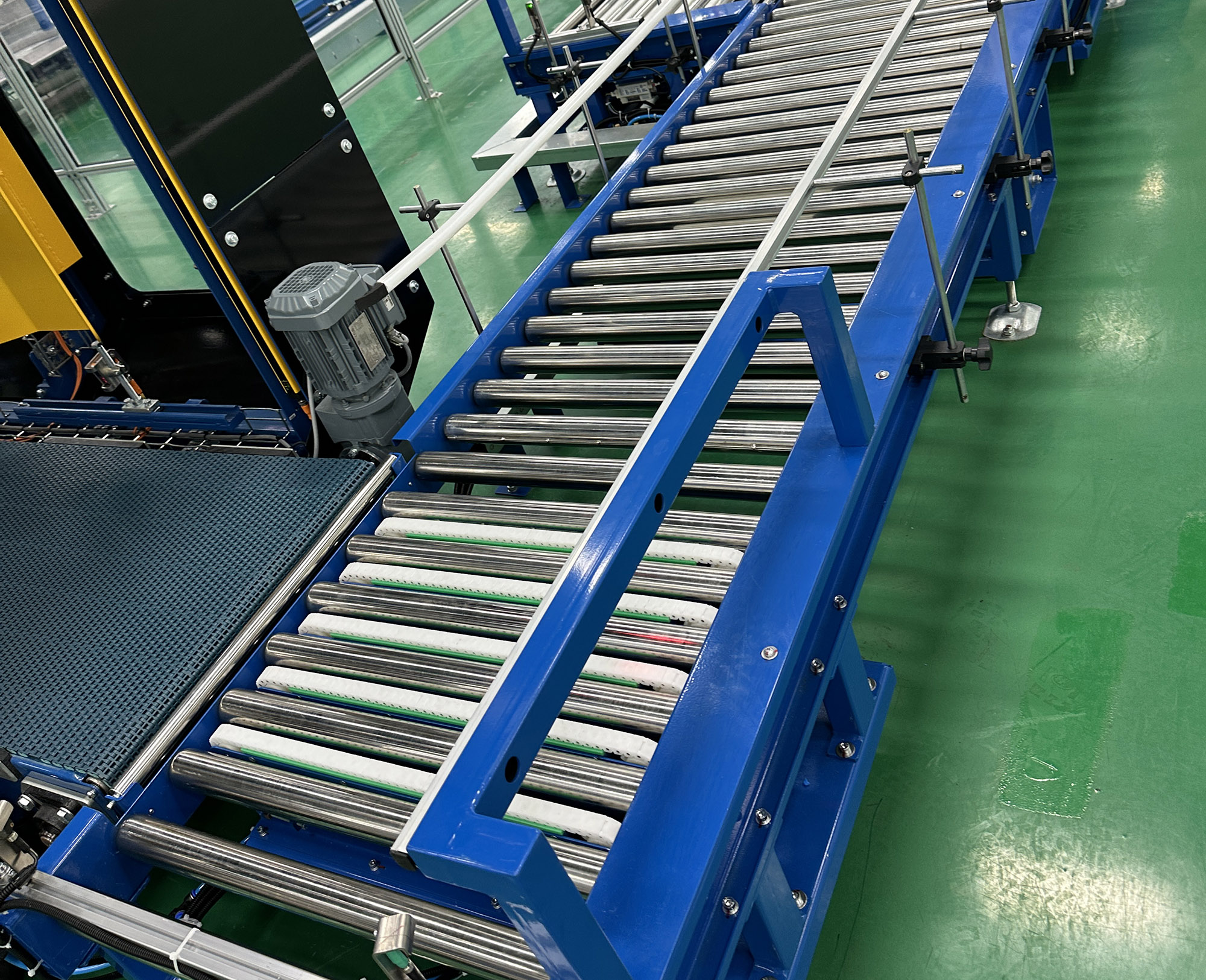
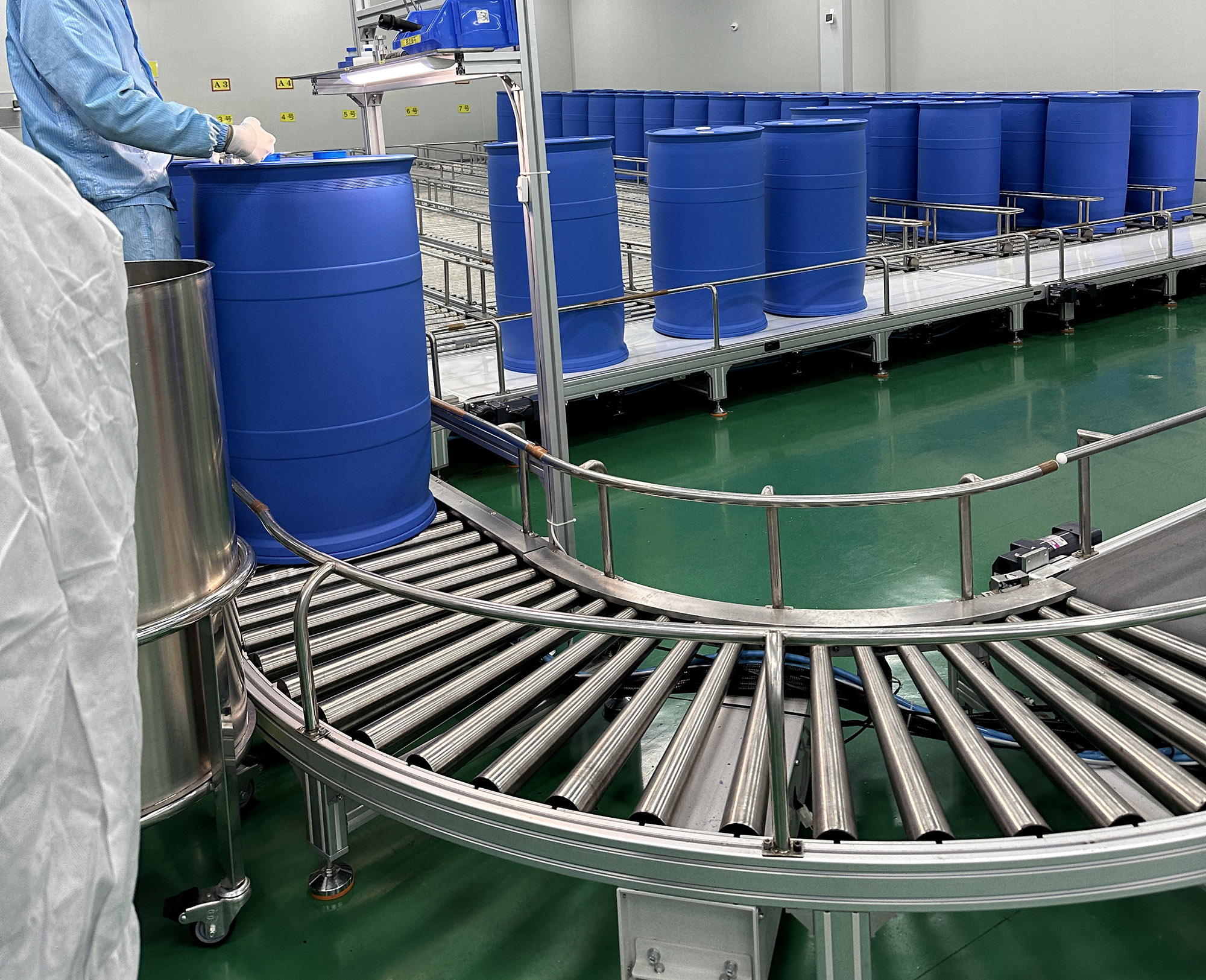
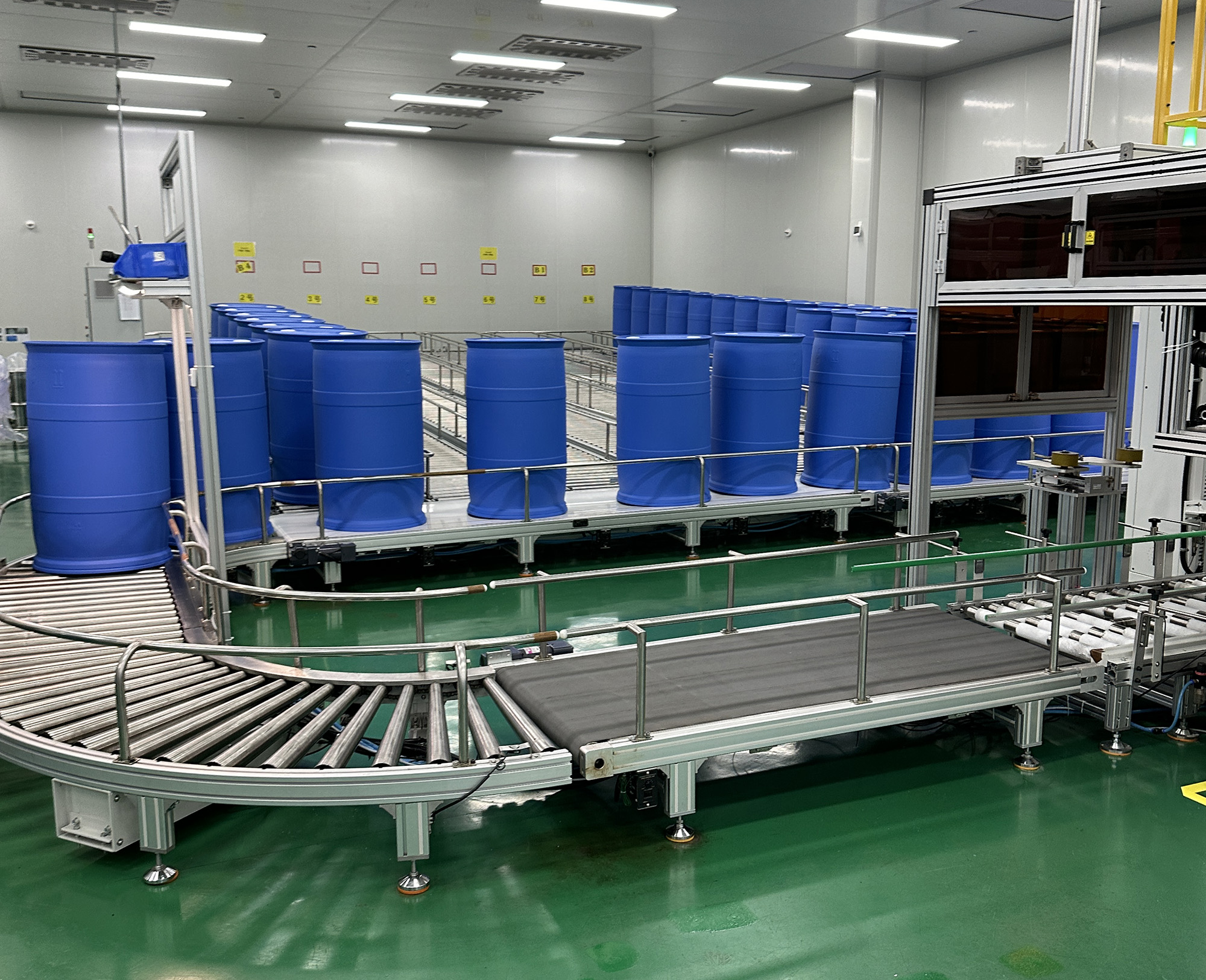
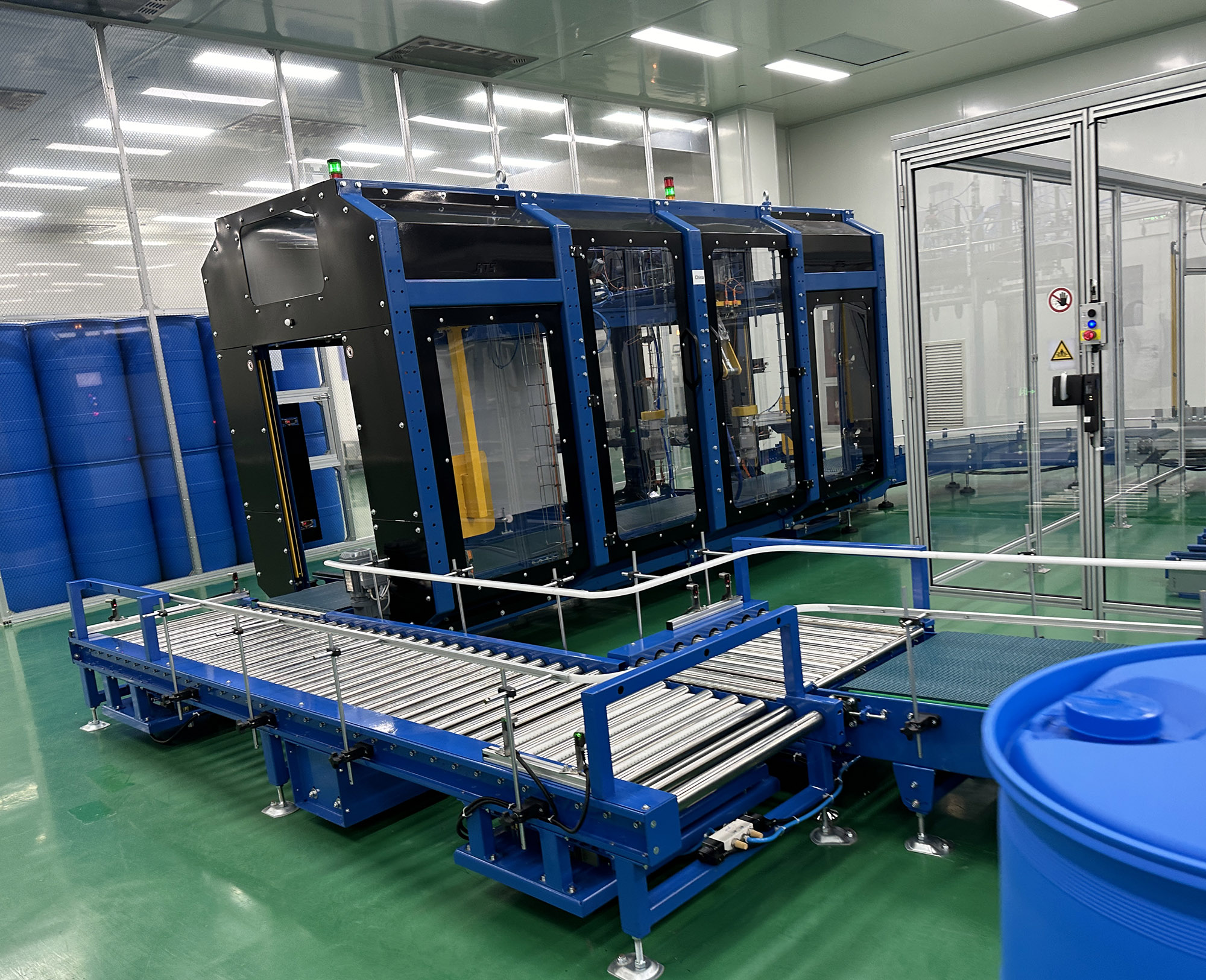
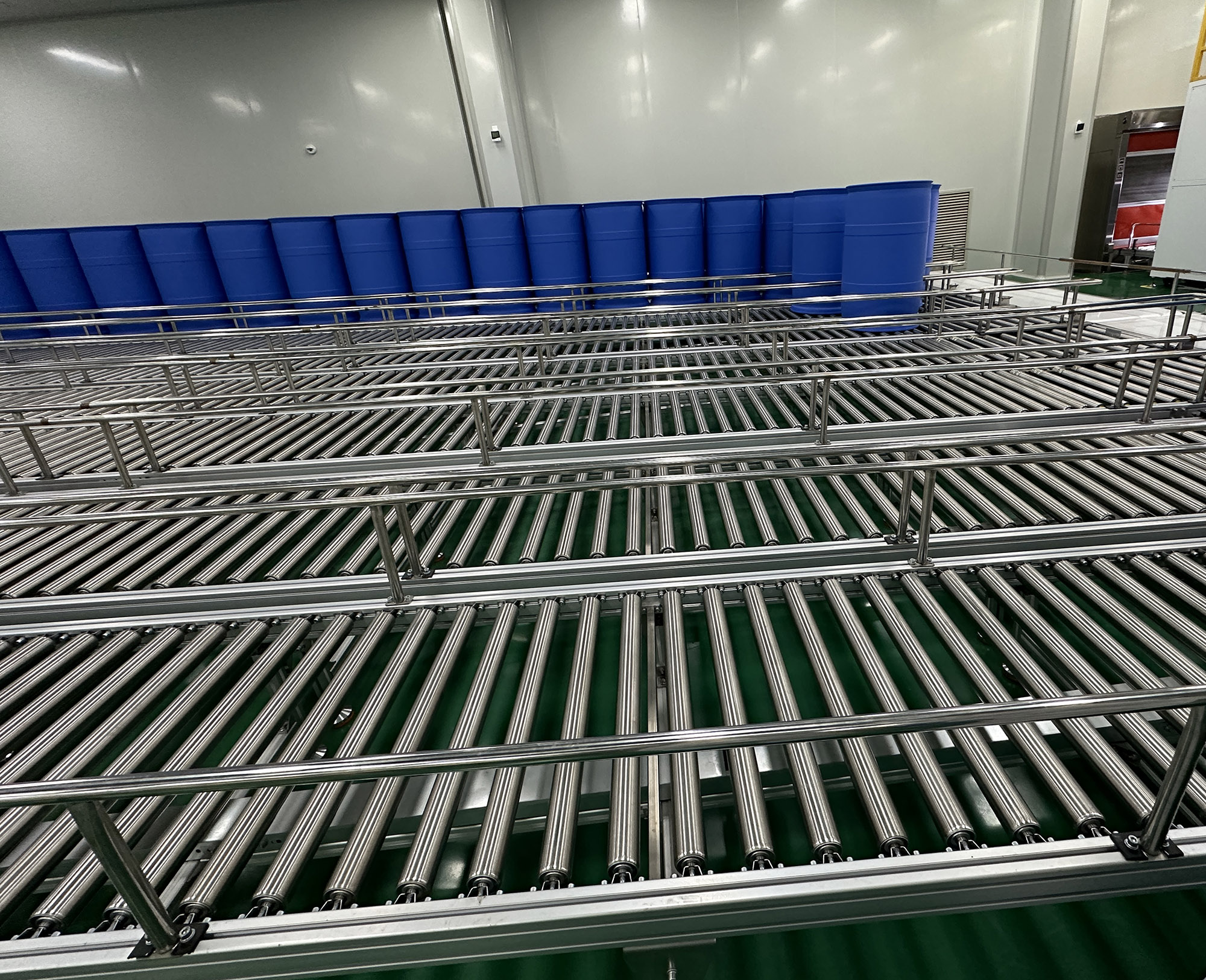
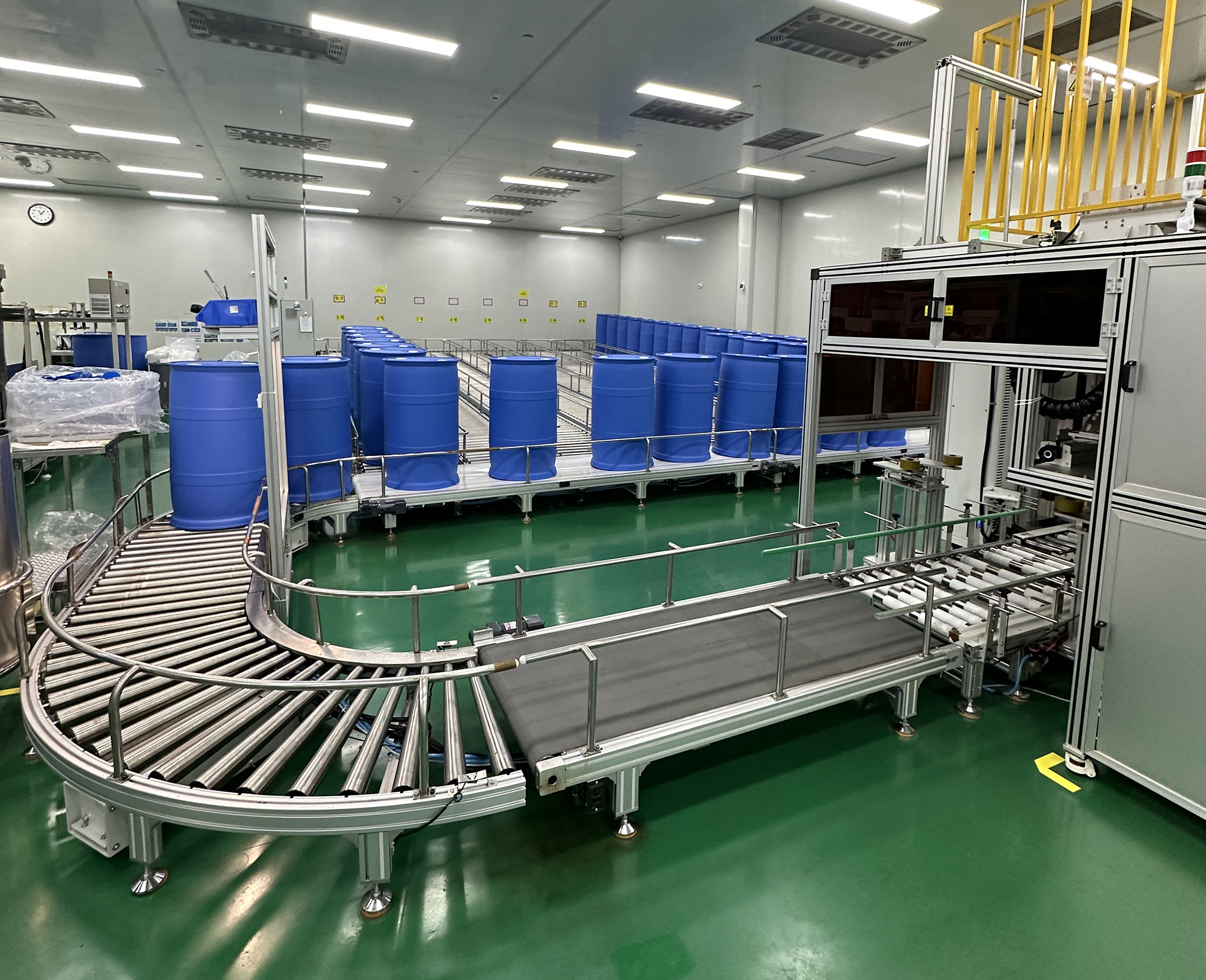
Introducing our powered roller machine, designed with a robust stainless steel frame, making it a reliable automated conveying device. This advanced system utilizes rollers as the primary conveying medium, ensuring efficient movement of workpieces, pallets, cartons, and more. Driven by a powerful motor, the rollers provide continuous and stable traction, even under heavy loads. Our powered roller machine is ideal for various applications in production, warehousing, and logistics. As a leading supplier in China, our factory produces high-quality conveyor systems tailored to meet diverse operational needs. Experience enhanced productivity and reliability with our state-of-the-art equipment

    Advantages

    1. Diverse Drive Methods, Adaptable to a Wide Range of Scenarios

    Roller conveyors offer a variety of drive types to precisely match load, distance, and automation requirements.

    2. Flexible Speed Control, Adaptable to Multiple Cycle Times

    Powered roller conveyors are generally equipped with variable frequency speed control systems, allowing for precise adjustment of conveying speed within the range of 0.5–15m/min. This caters to both the slow-paced, precision operations of electronic assembly lines and the fast-paced, efficient conveying needs of logistics sorting lines.

    3. Robust and Durable Structure with a Long Service Life

    Core components are made of high-specification materials: Rollers are mostly made of galvanized carbon steel, stainless steel, or reinforced plastic, which are corrosion-resistant and wear-resistant, and the surface is precision ground to reduce friction loss; bearings use sealed industrial-grade components, which are dustproof and waterproof, preventing jamming caused by impurities; the frame is made of cold-rolled steel welded into shape, ensuring stable load-bearing capacity and resistance to deformation.

    4. High Energy Efficiency and Controllable Operating Costs

    The power-type model achieves "on-demand energy consumption" through frequency conversion technology, automatically reducing power when not at full load, resulting in energy consumption that is more than 30% lower than traditional belt conveyors.

    5. Comprehensive Safety Protection, Safe Material Handling

    Dual protection ensures both material safety and operational security. In terms of material handling, the rolling friction provides uniform force, resulting in smooth and vibration-free transport. This effectively protects fragile materials such as precision electronic components and glassware, preventing scratches or breakage.

    6. Convenient and Worry-Free Maintenance, Low Failure Rate

    The structural design simplifies maintenance. The core transmission components (chains, belts, bearings) are rationally laid out and easy to disassemble. Routine maintenance only requires periodic cleaning and lubrication, without the need for specialized technicians.

    7. Outstanding Processing Efficiency, Boosting Capacity

    The roller conveyor system achieves dual improvements in processing efficiency through continuous conveying and automated integration.

    Product Description
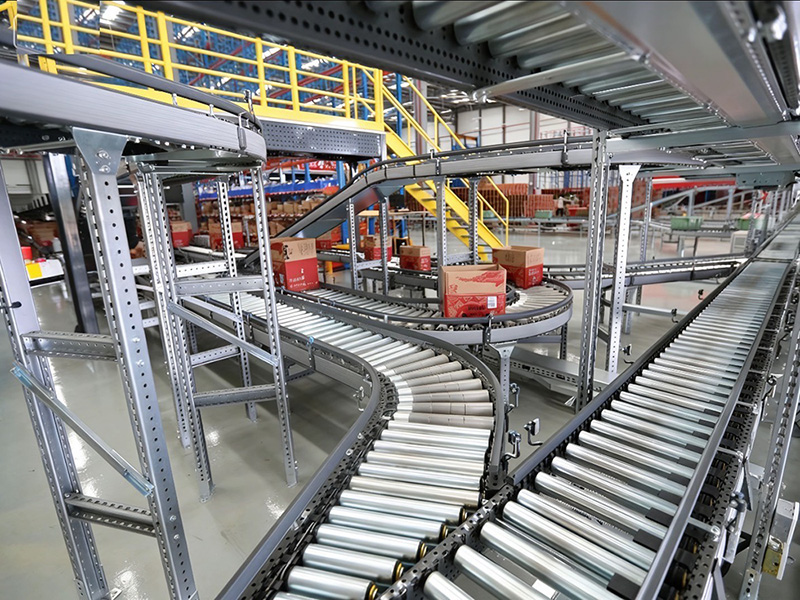
    This powered roller machine features a stainless steel frame structure and is an automated conveying device with rollers as the core conveying medium. Driven by a motor, the rollers rotate, continuously conveying workpieces (or pallets, cartons, etc.) placed on them. It maintains stable traction even under high loads. It is widely used in various production, warehousing, and logistics scenarios.

    Product Categories:
    ● Powered Roller Machine: Motor-driven, high degree of automation
    ● Non-Powered Roller Machine: Relies on manual labor or material gravity, simple structure
    Core Components

    1. Roller Material Selection
    ● Galvanized Carbon Steel: Suitable for general environments, low cost
    ● Stainless Steel: Corrosion resistant, suitable for food and chemical industries
    ● Rubber-Coated Roller: Anti-slip, shock absorption, noise reduction, protects material surface
    ● Diameter Specifications: 50mm, 60mm, 76mm, 89mm, 108mm, 150mm

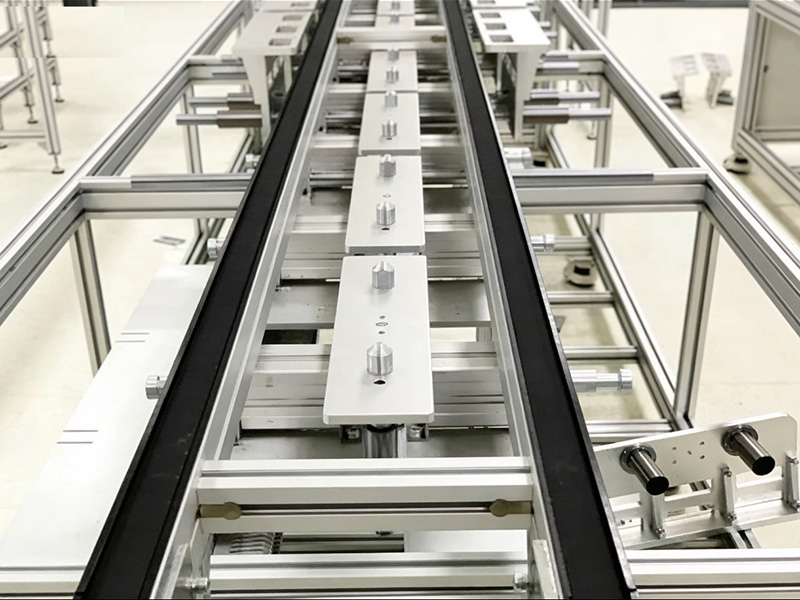
    2. Frame ● Material: Square steel (heavy-duty), aluminum profile (lightweight, aesthetically pleasing)
    ● Structure: Segmented design for easy installation and maintenance
    ● Legs: Height adjustable to adapt to different ground conditions
    ● Equipped with tensioning device to prevent belt/chain slack

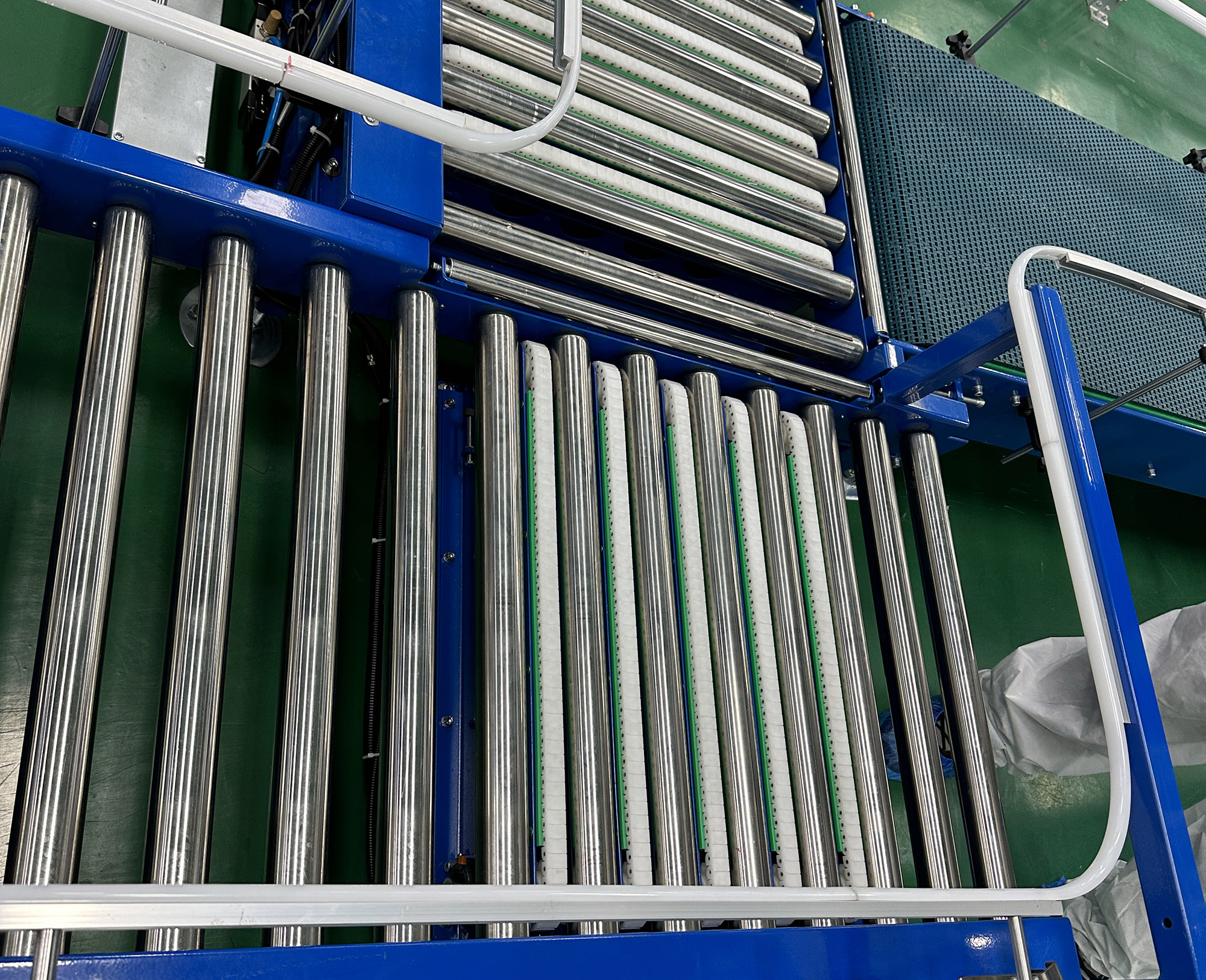
    3. Transmission System (Powered Roller Conveyor) ● Chain Drive: High load-bearing capacity, suitable for heavy materials
    ● O-belt Drive: Smooth operation, low noise, suitable for light materials
    ● Electric Roller Direct Drive: High integration, space-saving

    Product Specifications
    Parameter Specification
    Speed 6–8 meters/minute (Adjustable)
    Load Variable
    Roller Diameter 50mm, 60mm, 76mm, 89mm, 108mm, 150mm
    Roller Material Carbon Steel / Stainless Steel / Encapsulated Rubber
    Frame Material Square Steel / Aluminum Profile
    Drive Power Customizable
    Drive Type Unpowered Roller Line / Powered Roller Line
    Certification CE / ISO9001
    Frequently Asked Questions
    Q What are the main differences between powered and non-powered roller conveyors?
    Powered roller conveyors are driven by a motor and support variable speed control, making them ideal for automated production lines, high-throughput logistics, and applications requiring consistent speed. Non-powered roller conveyors rely on manual force or gravity, making them simpler in structure, lower in cost, and easier to maintain — best suited for light-duty or manual assembly tasks.
    Q What roller materials are available, and how do I choose the right one?
    Rollers are available in galvanized carbon steel, stainless steel, and rubber-coated variants. Galvanized carbon steel is cost-effective for general industrial use. Stainless steel is recommended for food processing, pharmaceutical, or chemical environments due to its corrosion resistance. Rubber-coated rollers are ideal for transporting fragile or surface-sensitive items, as they provide anti-slip protection and cushioning.
    Q What conveying speed range does the powered roller conveyor support?
    Powered roller conveyors are equipped with variable frequency drive (VFD) systems, supporting a conveying speed range of 0.5–15 m/min. The speed is fully adjustable to accommodate different production rhythms — from slow-paced precision assembly operations to fast-paced logistics sorting needs.
    Q Can roller conveyors be customized to fit specific production line layouts?
    Yes. Roller conveyors can be fully customized in terms of width, length, roller diameter, frame material, drive type, and height. The modular segmented frame design allows flexible configuration — including straight lines, curves, inclines, and multi-level layouts — to match virtually any production floor arrangement or spatial requirement.
    Q How energy-efficient are powered roller conveyors compared to traditional belt conveyors?
    Powered roller conveyors utilize frequency conversion technology to achieve on-demand energy consumption. The motor automatically reduces power output during light or partial load conditions, resulting in energy savings of more than 30% compared to traditional belt conveyors. This significantly reduces long-term operating costs.
    Q What certifications does the roller conveyor hold, and what industries does it serve?
    The roller conveyor is certified to CE and ISO9001 standards, ensuring compliance with international quality and safety requirements. It is widely used across a broad range of industries, including electronics manufacturing, automotive parts assembly, food and beverage processing, pharmaceutical production, e-commerce logistics, and warehousing distribution centers.

    Make an free consultant

    Your Name*

    Phone Number

    Country

    Remarks*

    reset

    Related News