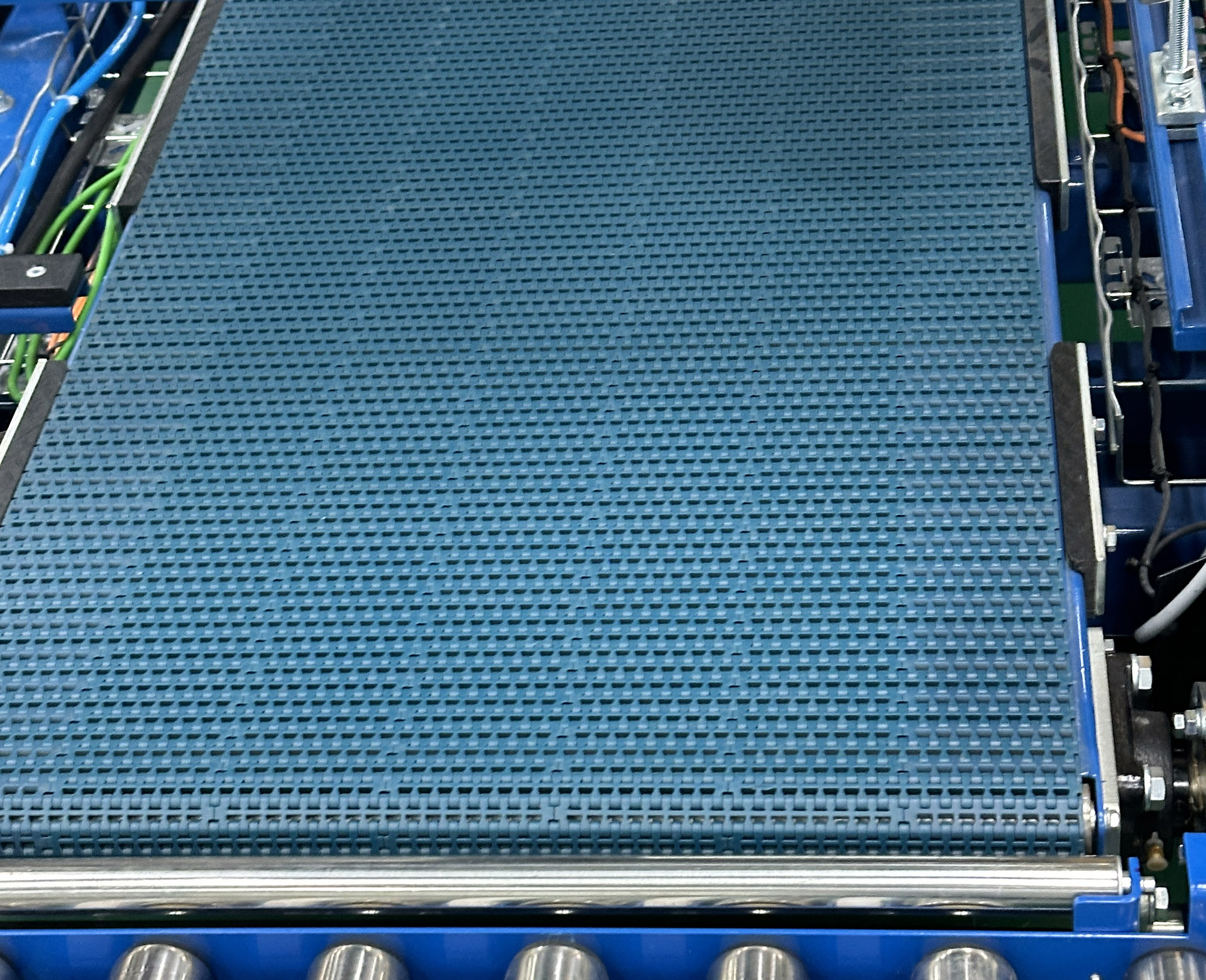
Modular Plastic Chain Conveyor Line: Top China Suppliers & Factory for Food, Pharma & Electronics Industries
1. Superior Material
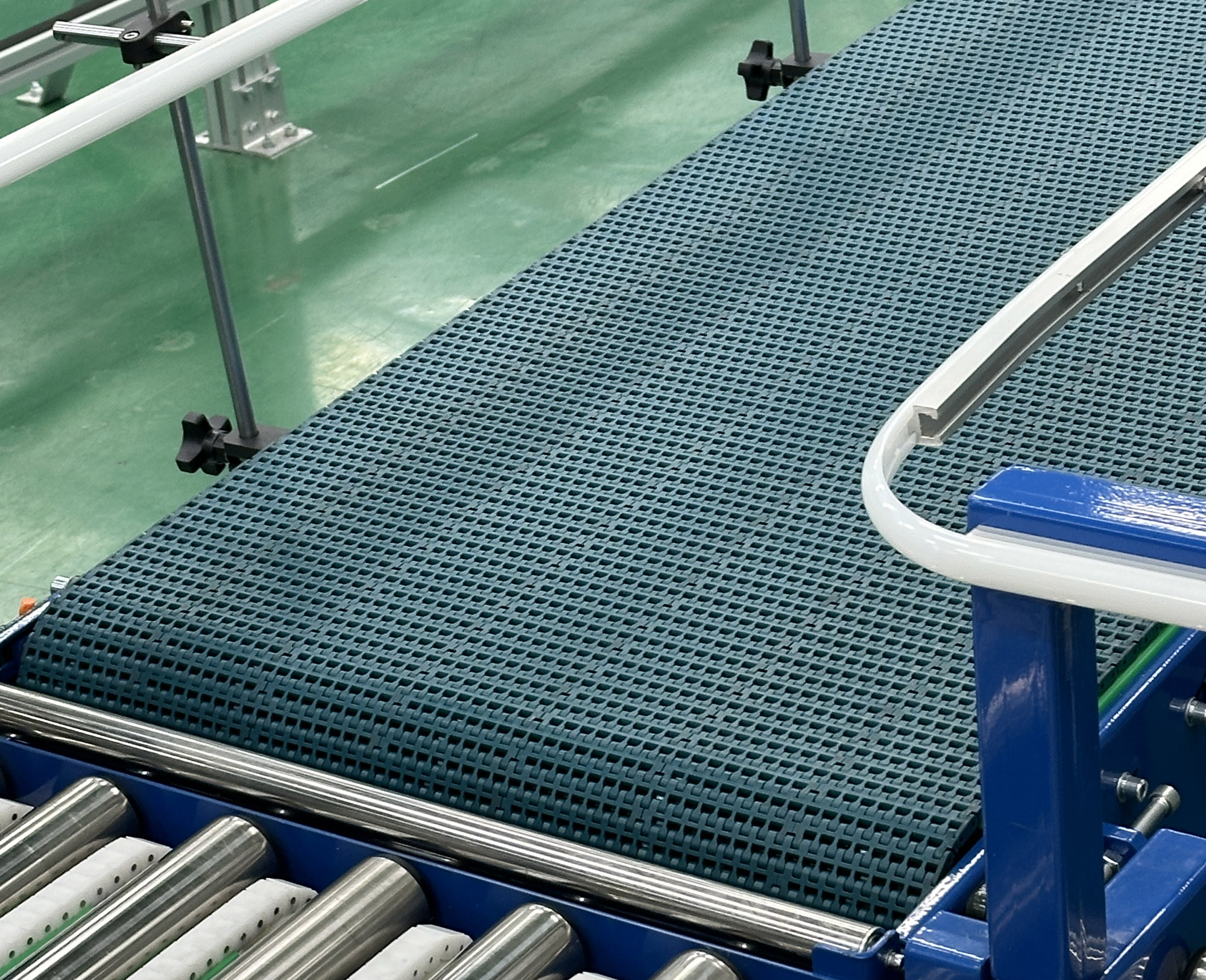
Made from high-quality engineering plastics such as PP/PE/POM/PA, with optional additives for wear resistance, antistatic properties, high and low temperature resistance, and acid and alkali resistance. It boasts strong chemical stability and a long service life.
2. Flexible Adaptability
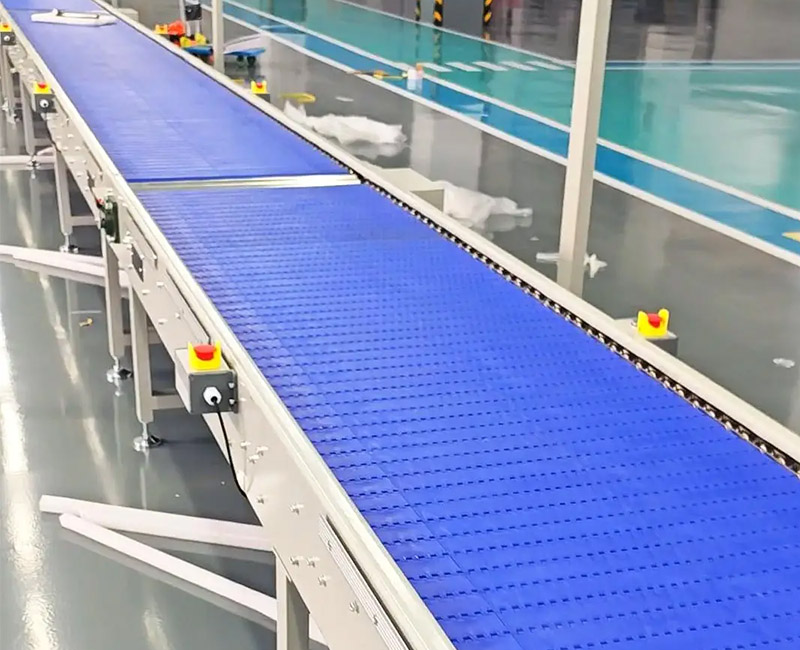
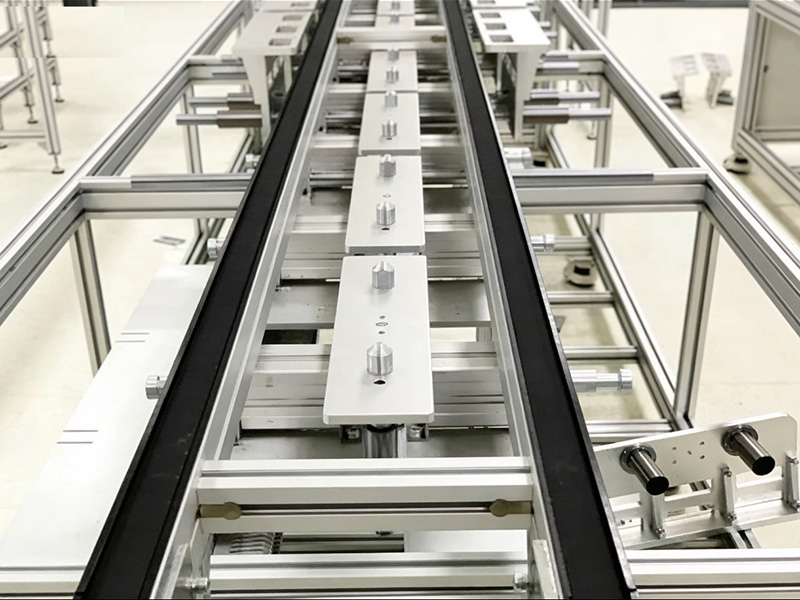
Modular splicing design allows for customized chain plate width and conveyor dimensions. Easy disassembly and expansion adapts to capacity upgrades and process adjustments without requiring overall modification.
3. Precise Operation
Equipped with a precision drive and tensioning guide system, ensuring smooth, unbiased operation and high conveying accuracy; supports variable frequency speed control to adapt to various production capacity cycles, with low operating noise.
4. Clean and Easy to Maintain
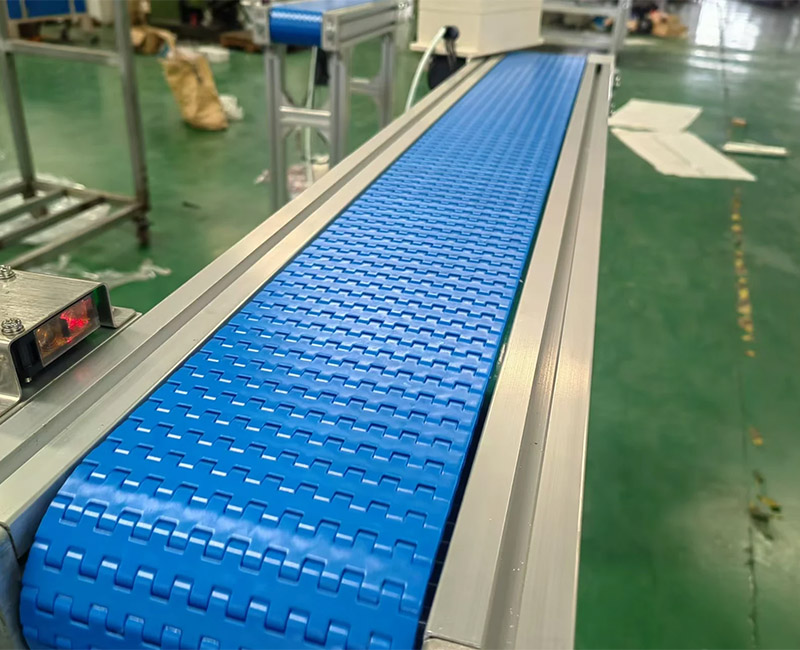
The chain plate surface is smooth and free of dead corners, allowing for high-pressure water washing and steam sterilization, meeting food and pharmaceutical hygiene standards; standardized core components ensure simple and low-cost maintenance.
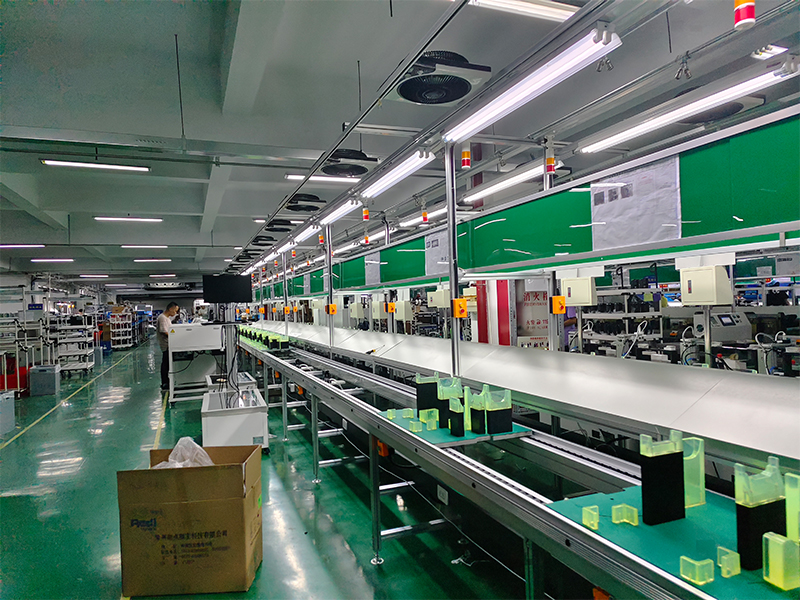
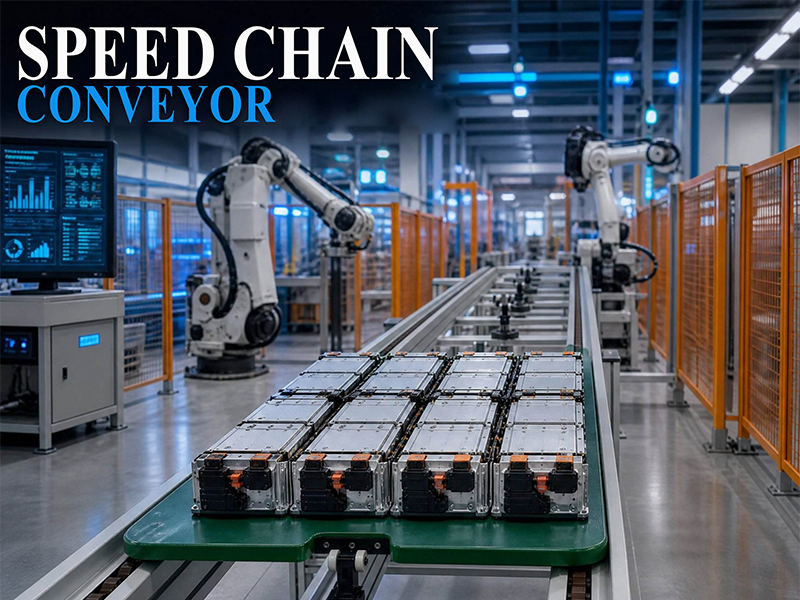
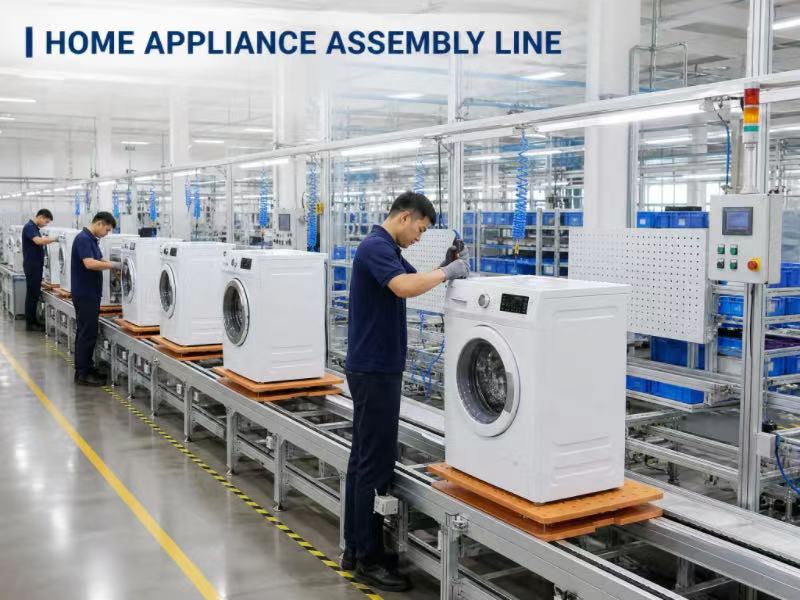
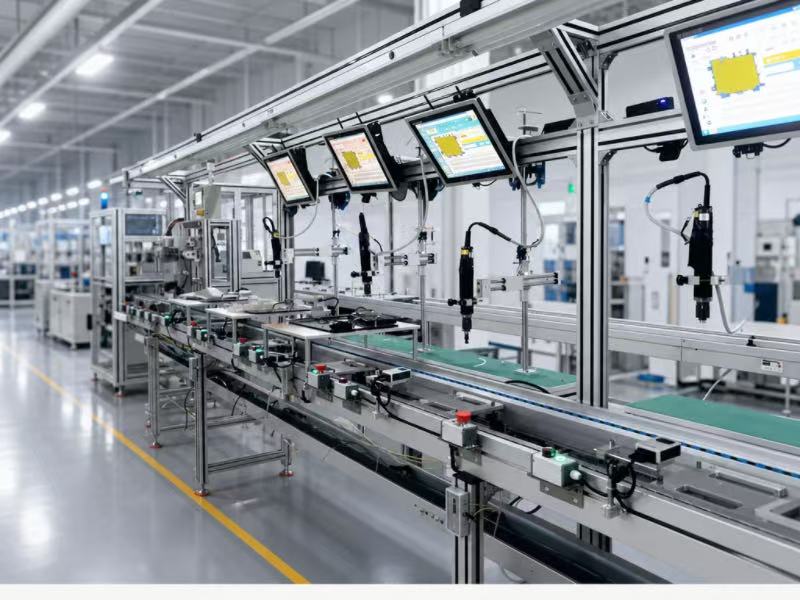
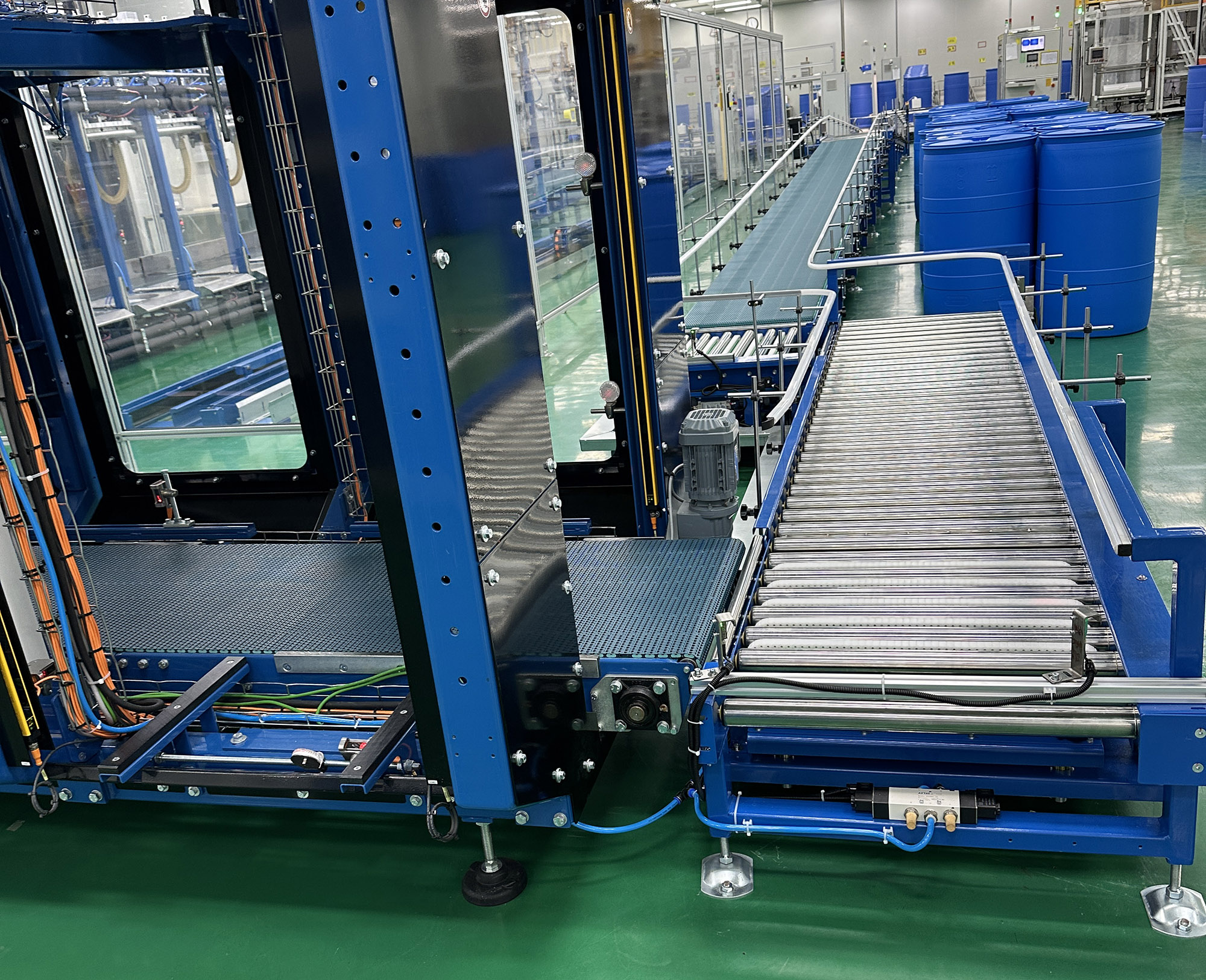
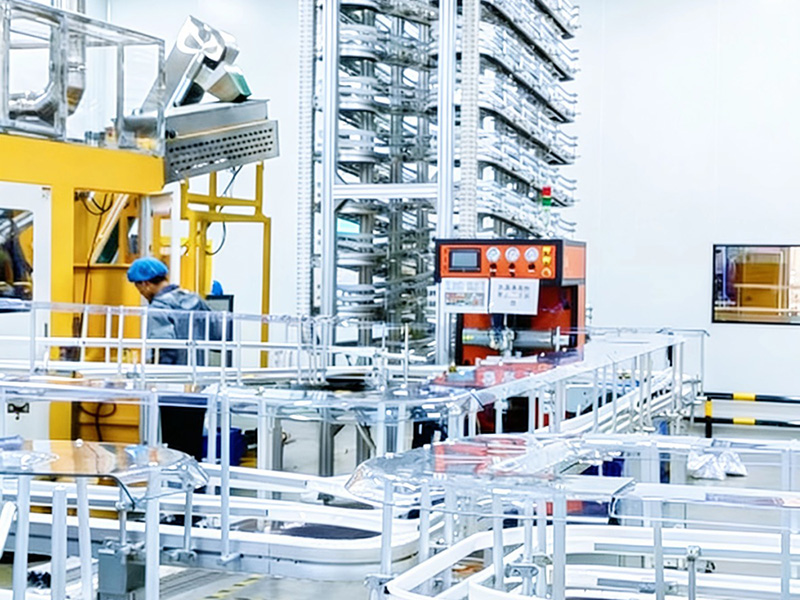
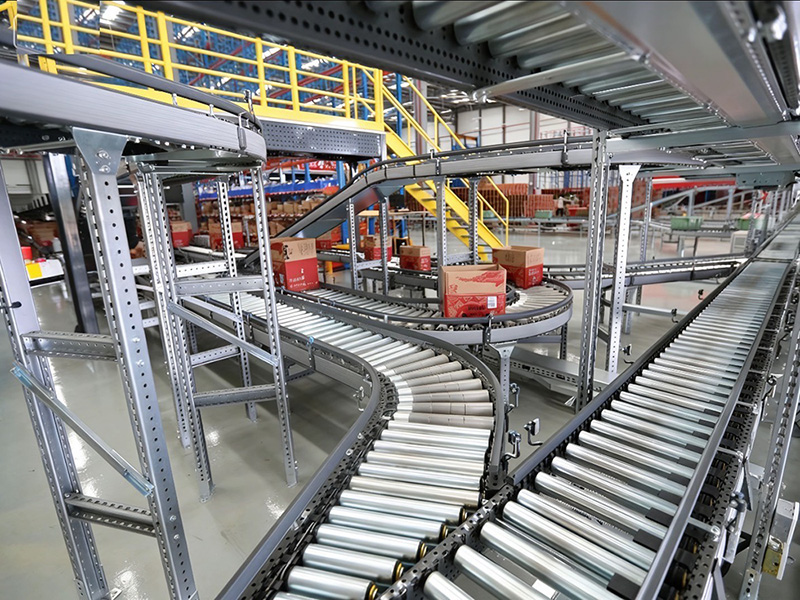
Plastic chain conveyor lines are modular continuous conveying equipment using high-strength engineering plastic chain plates as the conveying carrier. They are suitable for various industries such as food and beverage, pharmaceuticals and electronics, warehousing and logistics. They can realize multi-path combination conveying such as horizontal, turning and climbing, and support seamless integration with automated equipment. They meet the flexible production needs of material sorting, process connection and finished product transfer, and are precisely adapted to complex layouts such as narrow workshops and irregular sites.
| Parameter | Specification Parameters |
| Speed | Customizable |
| Load | Variable |
| Chain Plate Width | 101.6mm, 152.4mm, 254mm (supports non-standard customization) |
| Chain Plate Material | Plastic |
| Frame Material | Carbon steel spray-painted, aluminum profile, 304 Stainless Steel (Customizable) |
| Drive Power | Variable frequency |
| Ambient Temperature | Regular material: -10℃~60℃; high/low temperature customization: -40℃~120℃ |
| Certification | CE/ISO9001 |
Q What industries are plastic chain conveyor lines suitable for? ▼
Plastic chain conveyor lines are widely used across food and beverage, pharmaceuticals, electronics, warehousing, and logistics industries. Their corrosion-resistant, hygienic, and modular design makes them adaptable to a broad range of production environments and material-handling requirements.
Q What chain plate widths and materials are available? ▼
Standard chain plate widths include 101.6 mm, 152.4 mm, and 254 mm, with non-standard customization available. Chain plates are manufactured from high-quality engineering plastics such as PP, PE, POM, and PA, with optional additives for wear resistance, antistatic protection, and extreme-temperature performance.
Q Can the conveyor handle curved, inclined, or multi-path layouts? ▼
Yes. The modular design supports horizontal, turning, and climbing conveyor configurations. This allows the system to be precisely adapted to complex plant layouts, including narrow workshops and sites with irregular floor plans, without requiring full structural changes.
Q Does the conveyor meet food and pharmaceutical hygiene standards? ▼
Yes. The smooth, dead-corner-free chain plate surface is fully compatible with high-pressure water washing and steam sterilization procedures. The conveyor meets stringent food and pharmaceutical hygiene standards, and the system holds CE and ISO 9001 certifications.
Q What is the operating temperature range of the conveyor? ▼
Standard chain plate materials support an ambient temperature range of -10 °C to 60 °C. For demanding environments, high/low-temperature customization options extend the operating range to -40 °C to 120 °C, ensuring reliable performance in cold-storage or high-heat applications.
Q How easy is it to expand or maintain the conveyor system? ▼
The modular splicing design allows individual sections to be disassembled or extended without overhauling the entire system. Standardized core components keep maintenance simple and cost-effective, while variable frequency speed control enables easy adaptation to changing production capacity requirements.