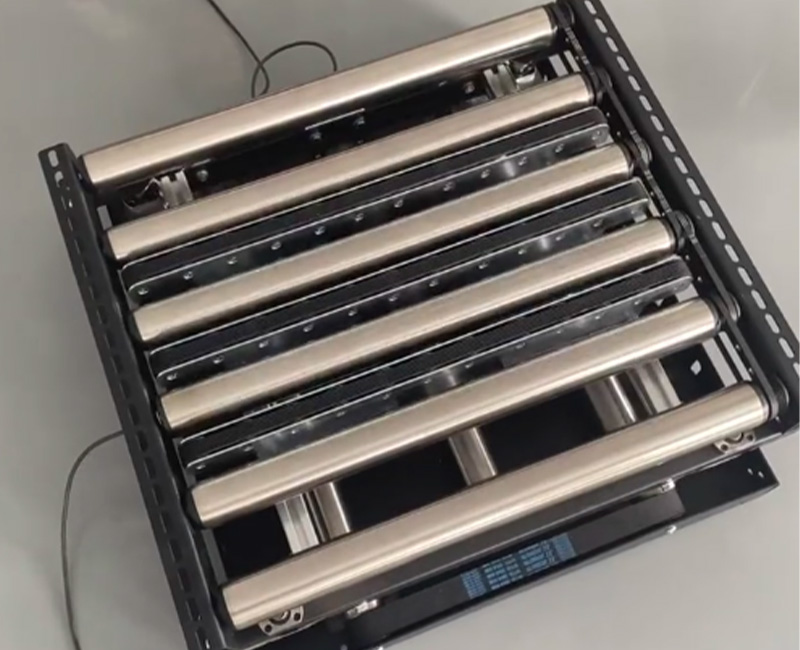
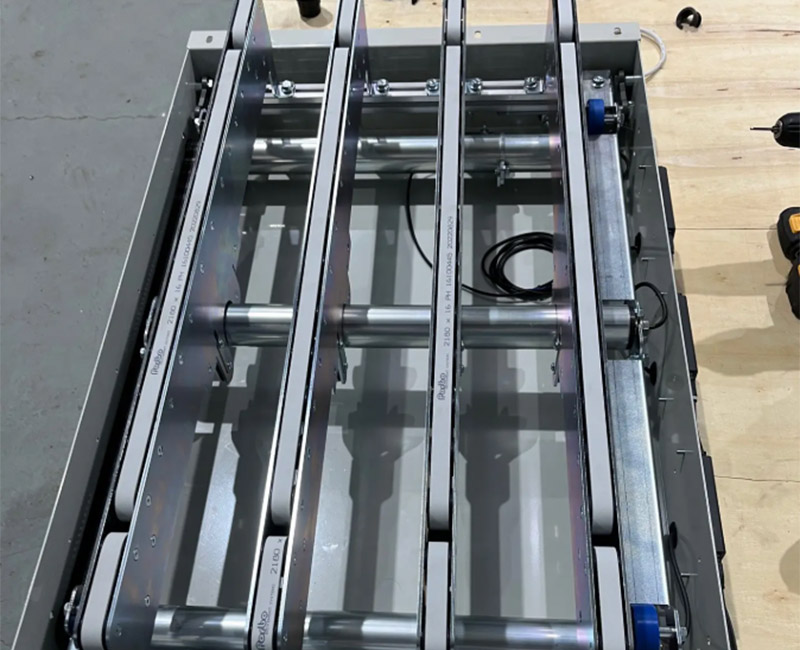
Efficient Lifting Transfer Unit by China Suppliers: Enhance Automated Production Line Connection in Factory
Advantages
1. Precise and Efficient
Utilizing a precision lifting mechanism and guiding system, it achieves high positioning accuracy and smooth, impact-free transfer, significantly improving connection efficiency.
2. Widely Compatible
Supports various material types (tooling plates, boxes, components), and allows for customized transfer stroke and load to adapt to different production line layouts.
3. Stable and Reliable
Core components are made of high-strength materials, and the drive system is rationally selected with strong fatigue resistance, making it suitable for long-term, high-frequency automated operation.
4. Intelligent Collaboration
It can be linked with production line control systems to achieve automatic sensing and precise start-stop, requiring no manual intervention and improving the automation level of the production line.
5. Convenient Operation and Maintenance
The simple structural design and standardized core components make disassembly and maintenance easy. Routine checks and lubrication are sufficient, resulting in low operation and maintenance costs.
Product Description
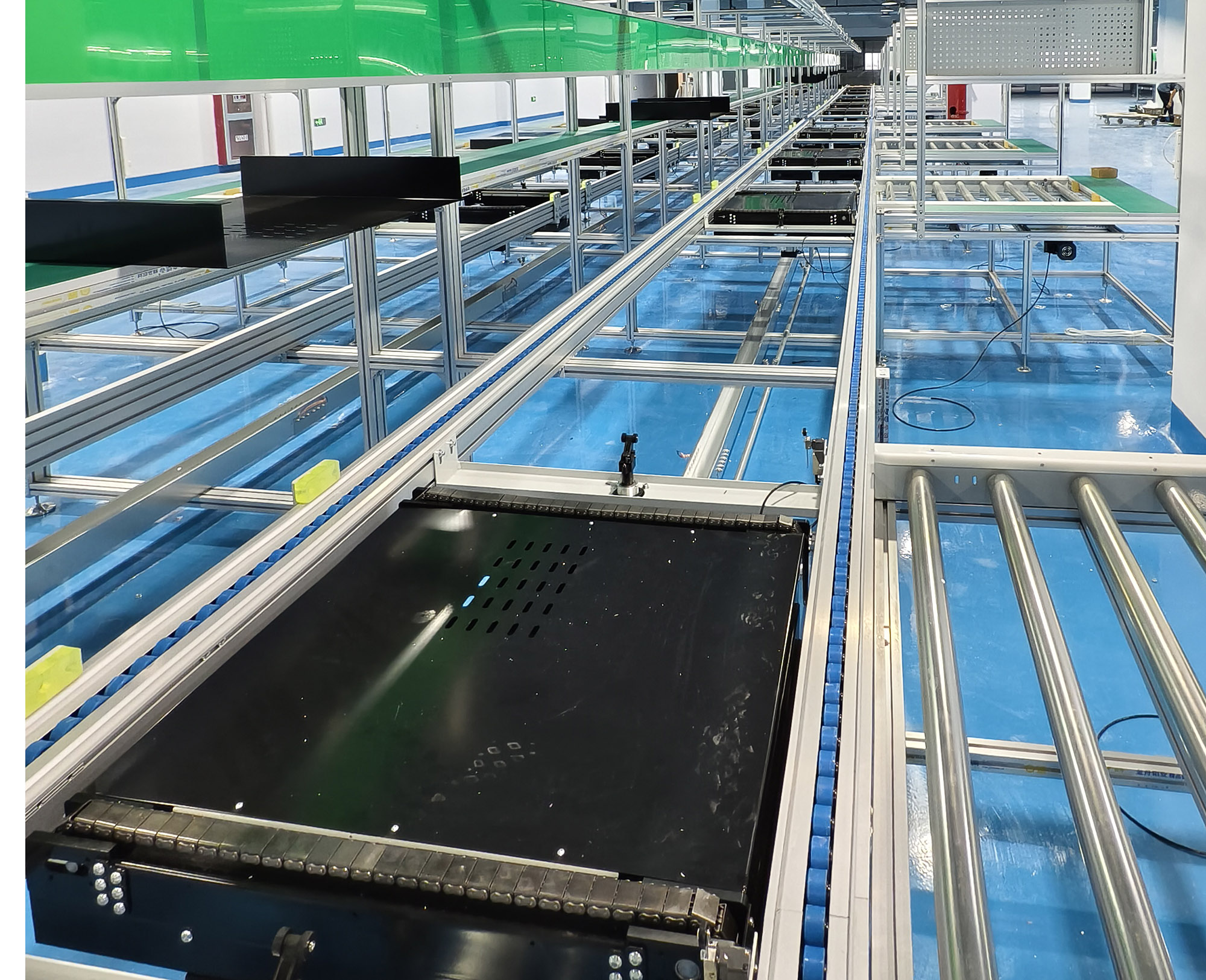
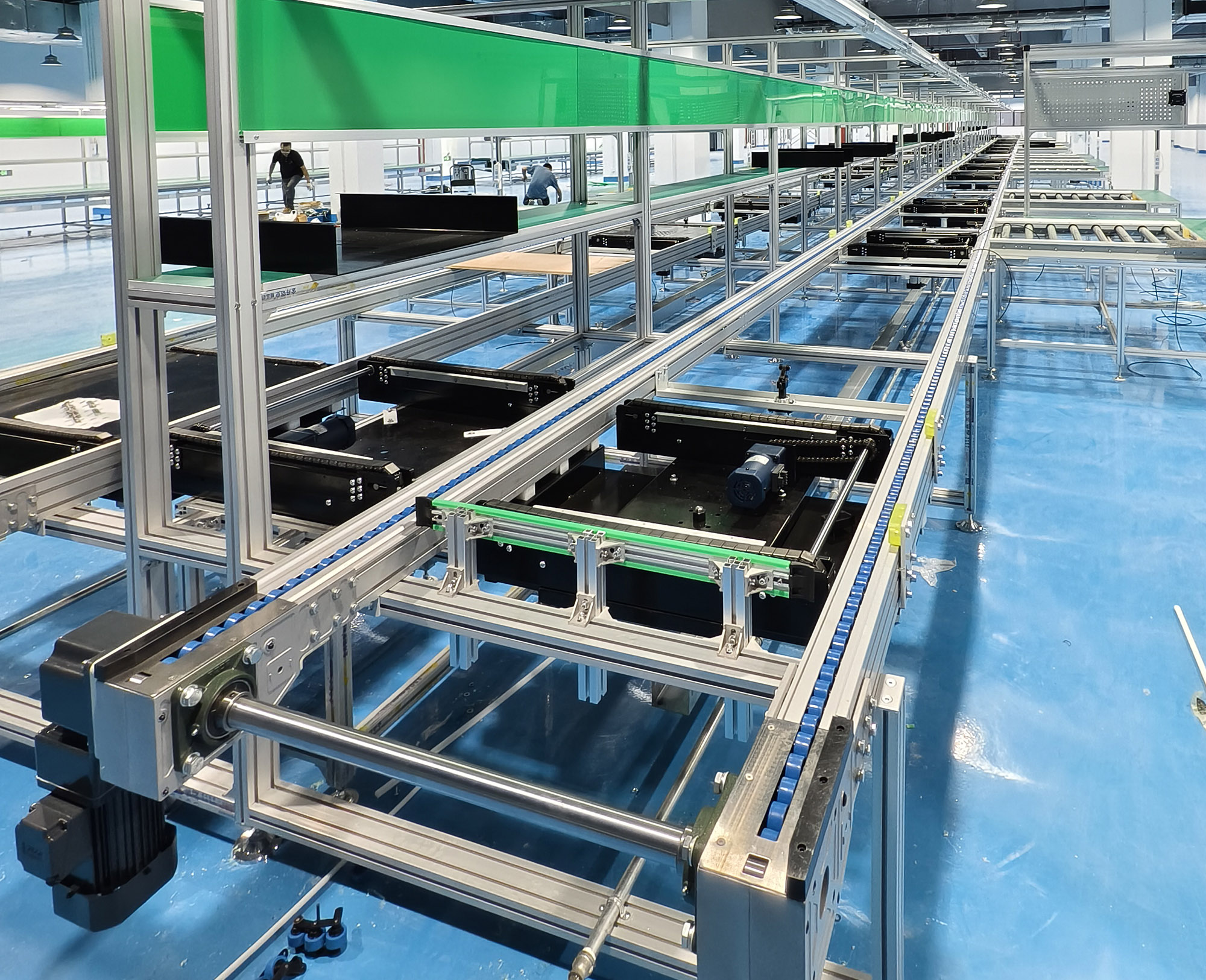
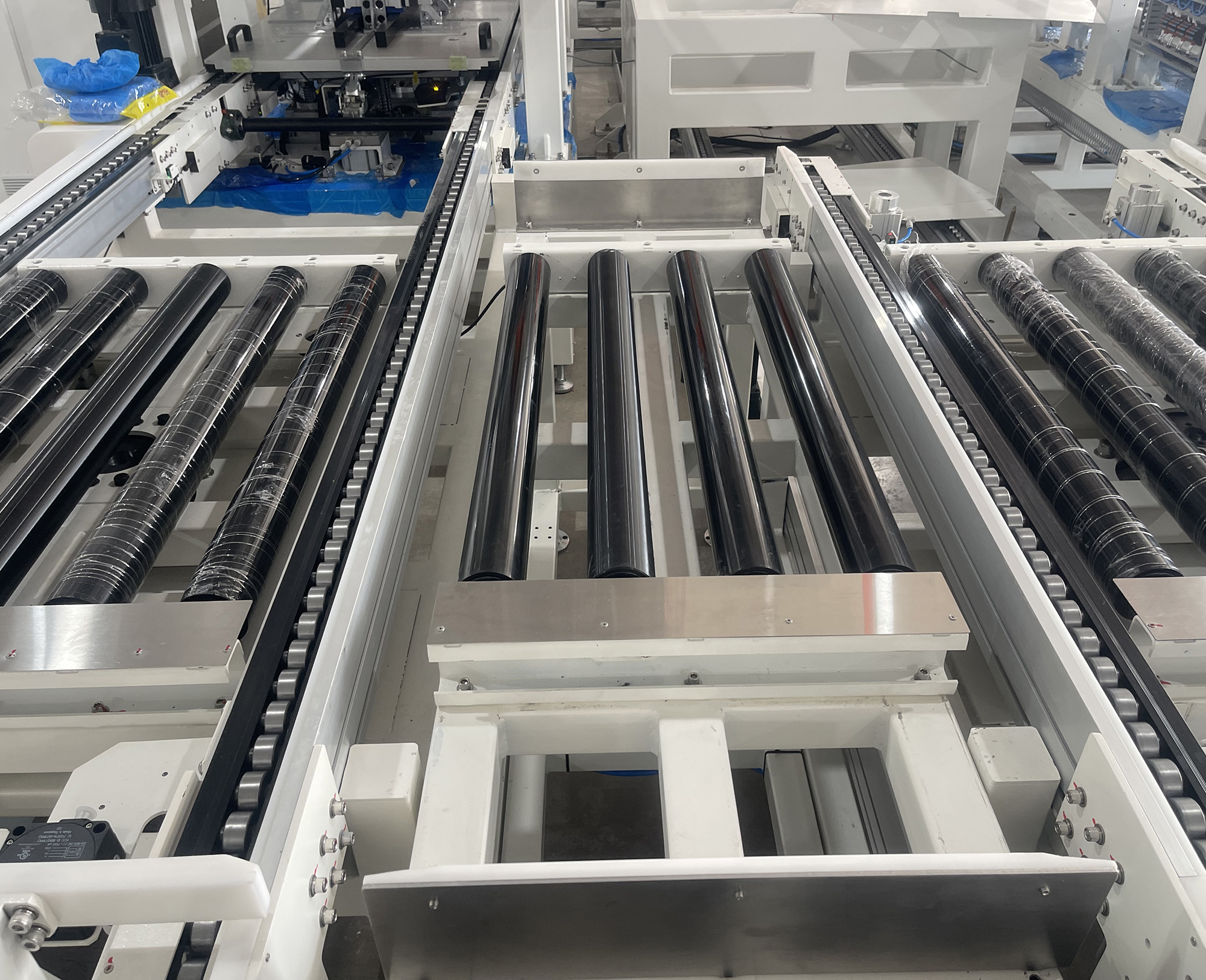
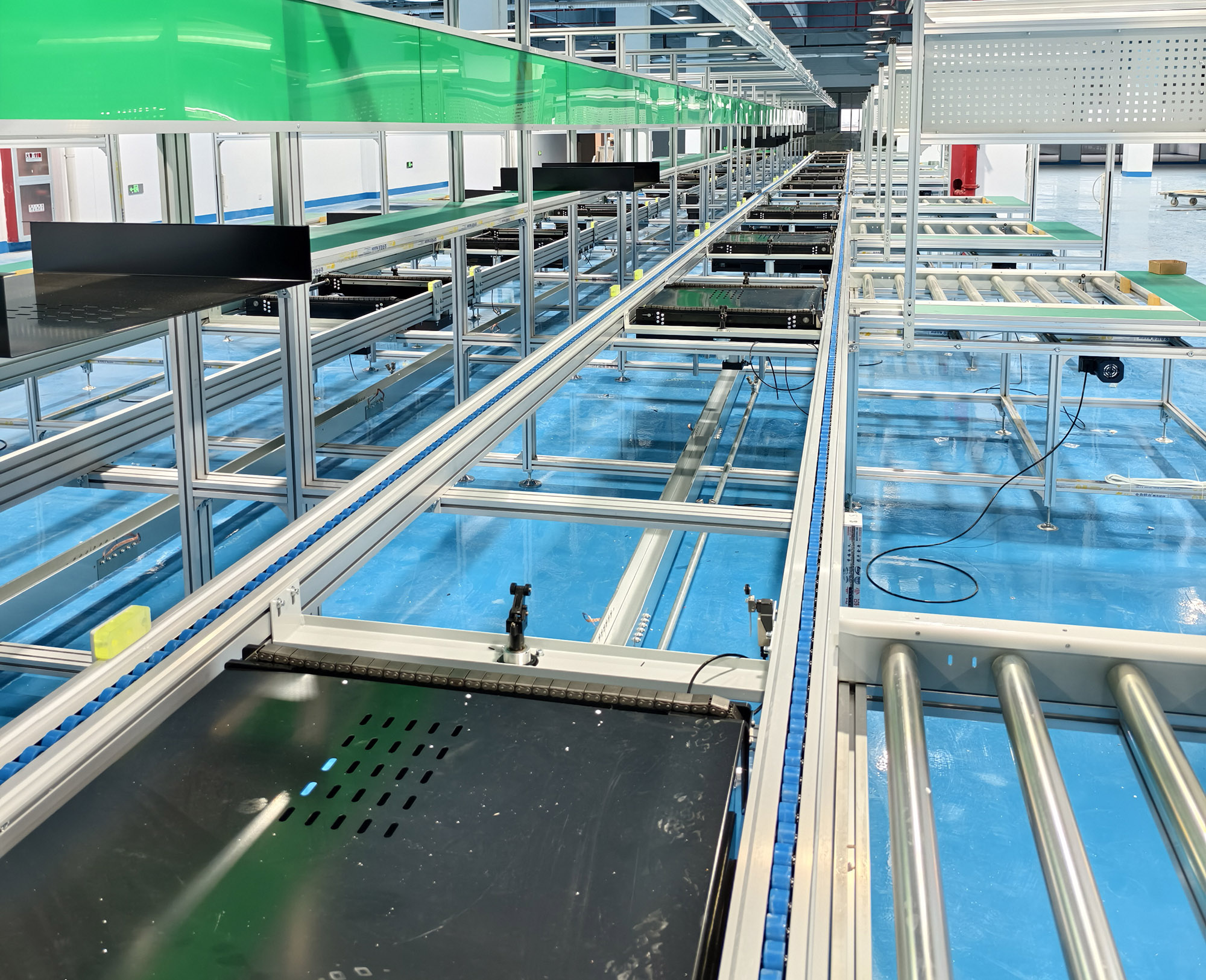
The lifting transfer unit is a material turning and connecting equipment adapted to automated production lines, primarily used in industries such as electronics, home appliances, and automotive parts. Through an integrated "lifting-transferring-lowering" action, it enables the transverse, longitudinal, or turning connection of materials between different conveyor lines. It can seamlessly connect with conveyor equipment such as double-speed chains and belt conveyors, meeting the automated production needs of multi-station flow, sorting, and diversion.
Product Specifications
| Parameter | Specification Parameters |
| Lifting / Transfer | Customizable, Positioning Accuracy: ±0.5mm |
| Load | Variable |
| Drive Method | Pneumatic / Servo Motor |
| Operating Speed | Lifting: 0.1–0.3 m/s, Transfer: 0.2–0.5 m/s; Power Supply: 220V / 380V |
| Material | Aluminum Profile / Carbon Steel Spray-Painted / 304 Stainless Steel |
| Drive Power | Variable Frequency |
| Ambient Temperature | -10℃ ~ 60℃ |
| Certification | CE / ISO9001 |
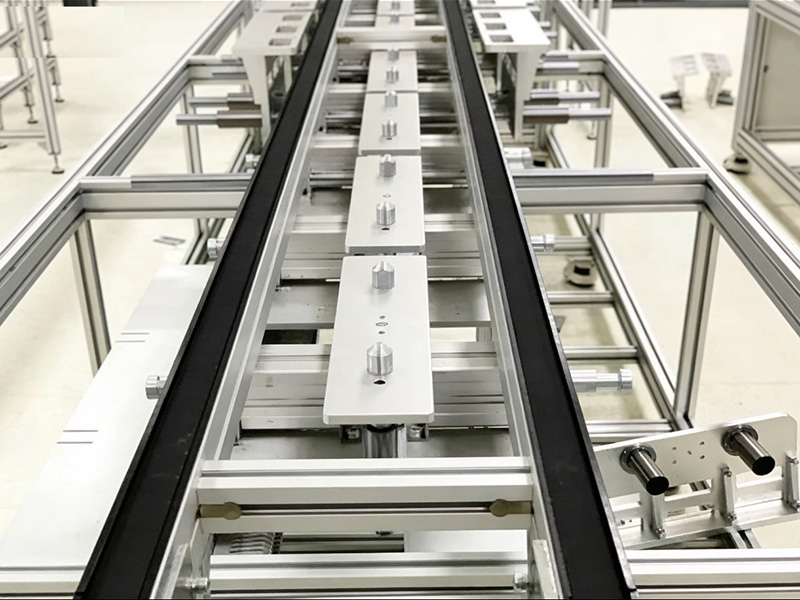
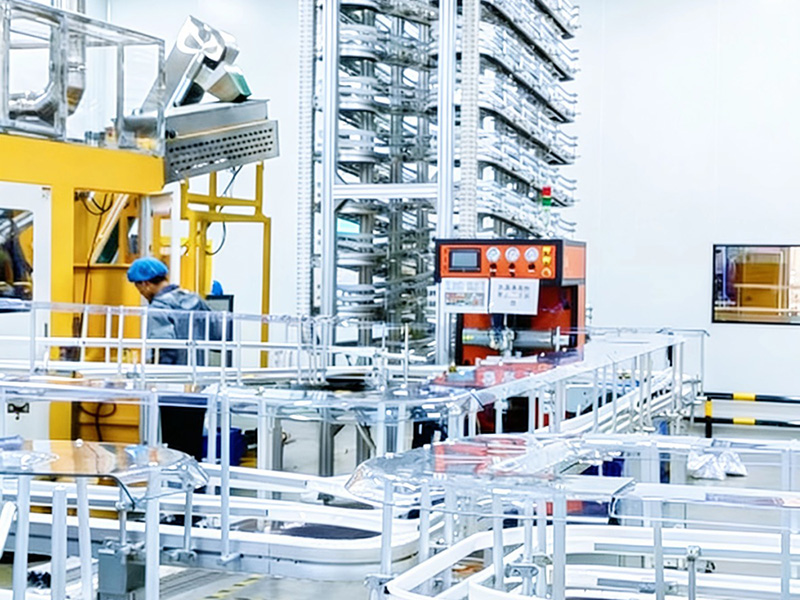
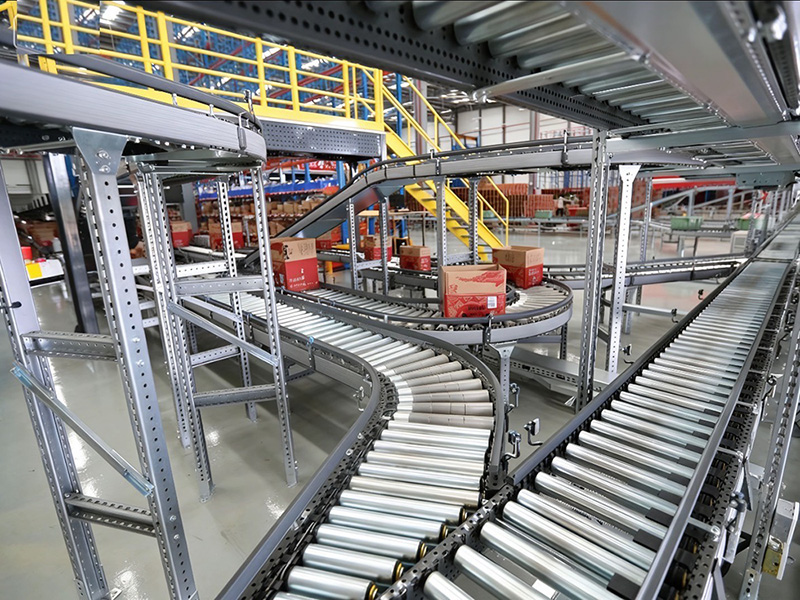
Successful Case
Frequently Asked Questions
-
Q What is a lifting transfer unit and how does it work?A lifting transfer unit is an automated material handling device that performs an integrated "lifting–transferring–lowering" action. It connects different conveyor lines by lifting materials from one line, moving them transversely or longitudinally, and then lowering them onto the next line — all without manual intervention.
-
Q What industries is the lifting transfer unit suitable for?The lifting transfer unit is widely used in industries such as electronics manufacturing, home appliance production, and automotive parts processing. It is ideal for any production environment that requires multi-station material flow, sorting, or diversion across conveyor lines.
-
Q What types of conveyor equipment can the lifting transfer unit connect with?The lifting transfer unit can seamlessly interface with a variety of conveyor equipment, including double-speed chain conveyors, belt conveyors, roller conveyors, and flexible conveyor systems, making it highly adaptable to diverse production line configurations.
-
Q Can the lifting stroke and load capacity be customized?Yes. Both the transfer stroke and the load capacity are fully customizable to match your specific production line layout and material handling requirements. The unit supports tooling plates, boxes, components, and other material types.
-
Q What drive methods are available for the lifting transfer unit?The lifting transfer unit supports both pneumatic and servo motor drive methods, with variable frequency drive power. The operating speed ranges from 0.1–0.3 m/s for lifting and 0.2–0.5 m/s for transfer, with power supply options of 220V or 380V.
-
Q How difficult is routine maintenance for the lifting transfer unit?Maintenance is straightforward thanks to the simple structural design and use of standardized core components. Routine checks and periodic lubrication are generally sufficient to keep the unit running reliably, resulting in low overall operation and maintenance costs.