Leave Your Message

Customizable Non-Standard Power Drum Line for Efficient Packaging Sorting - China Suppliers & Factory

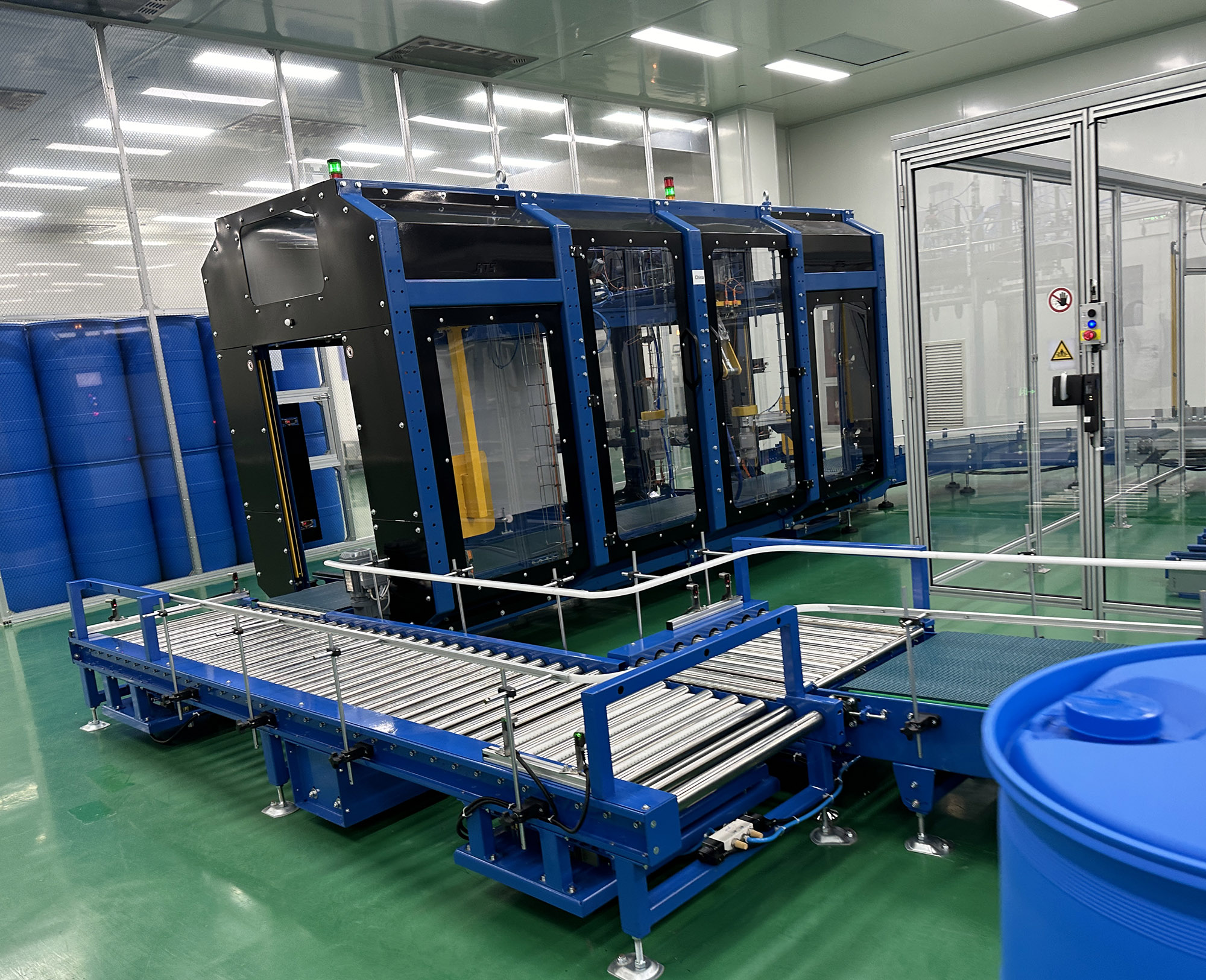
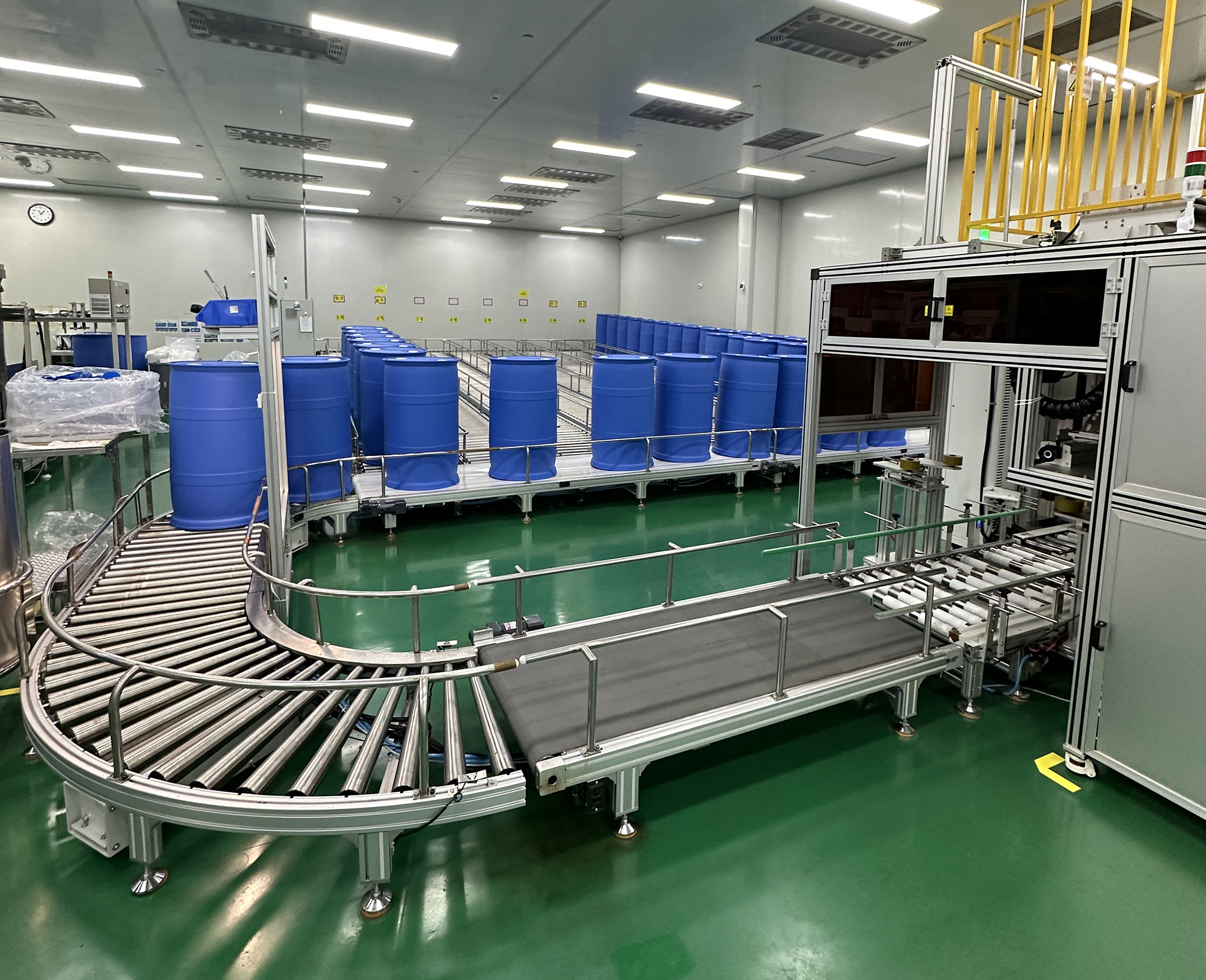
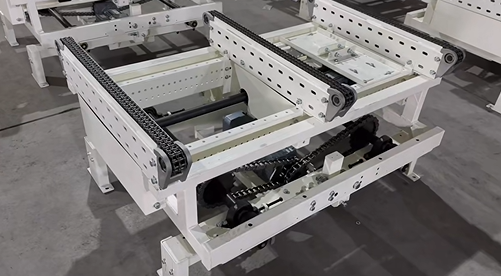
Roller conveyors are essential material handling equipment widely used in various industries for efficient goods movement. These conveyors utilize multiple parallel rollers as the load-bearing components, enabling the smooth rotation necessary for transporting items. Available in both powered and non-powered models, roller conveyors cater to a diverse range of loads, from light to heavy, and accommodate varying production speeds. This makes them ideal for both manual and fully automated operations. As leading suppliers in China, our factory offers high-quality roller conveyors designed to deliver outstanding performance and durability. The versatility of roller conveyors allows for seamless integration with additional modules, such as lifting and transferring, positioning, and rotating systems, ensuring rapid and efficient material transportation. Experience the significant advantages of roller conveyors over traditional conveying equipment and enhance your operational efficiency today!

    Advantages

    1. Super Load Capacity, Ideal for Heavy-duty Applications

    Each roller features high load rating, and the overall structure is robust. It efficiently handles cartons, pallets, tooling plates, complete home appliances, auto parts and heavy containers, covering loads from dozens of kilograms up to several tons. It is the top choice for heavy material conveyance.

    2. Open Structure, Dust-proof and Durable

    The open-frame roller design has no large flat surfaces for material accumulation. Dust, debris and residues fall off naturally, preventing buildup, mildew and equipment jamming. It performs well in dusty and harsh workshop conditions and offers better durability than belt conveyors.

    3. Flexible Assembly for Any Workshop Layout

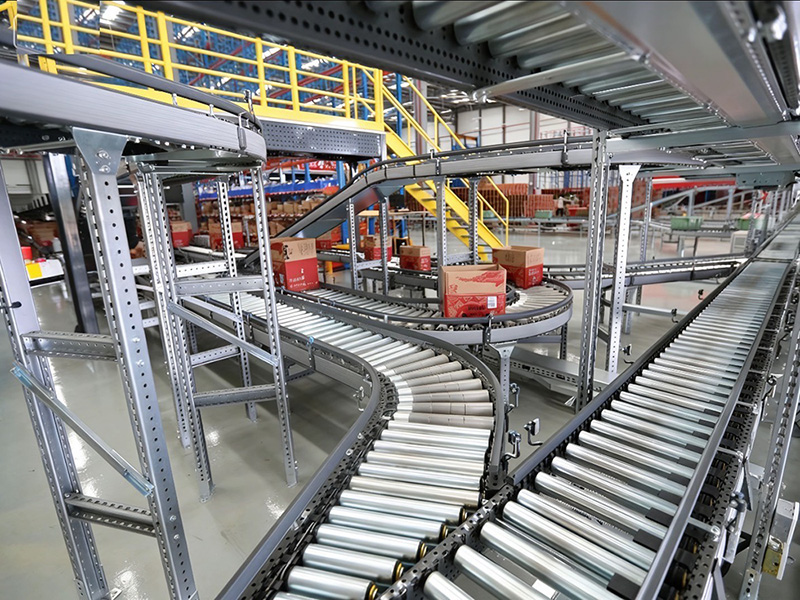
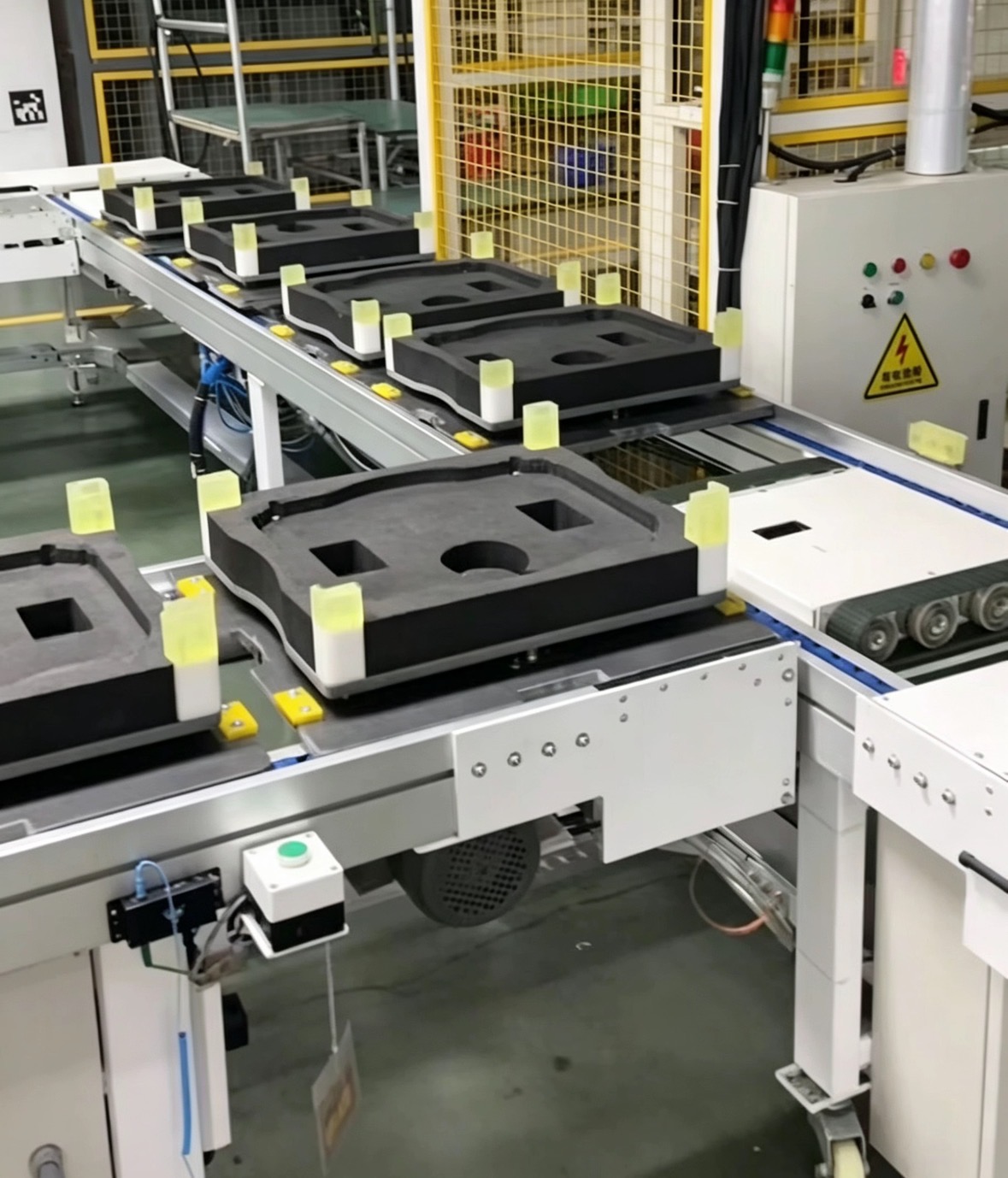
    It can be freely combined to form complete conveying networks with straight, curved, inclined, diverting, merging and transferring sections. Compatible with elevators, packaging machines, sorters and robot workstations for seamless connection.

    4. Low Maintenance, Virtually Maintenance-free

    Boasting a simple structure and standard universal parts, the conveyor has an extremely low failure rate. With no vulnerable belts or complex transmission mechanisms, it only requires regular dust removal for long-term stable operation.

    Product Description

    Roller conveyors are material handling equipment that use multiple parallel rollers as the load-bearing components to move goods via roller rotation. They are available in powered and non-powered models, suitable for light and heavy loads, varying production speeds, as well as manual and fully automated working scenarios. They deliver remarkable advantages over other types of conveying equipment. Roller conveyors can be integrated with modules such as lifting and transferring, positioning and rotating to achieve efficient and rapid material transportation.

    1. Roller

    Material Selection:

    • Galvanized Carbon Steel: Suitable for general environments, low cost
    • Stainless Steel: Corrosion resistant, suitable for food and chemical industries
    • Rubber-Coated Roller: Anti-slip, shock absorption, noise reduction, protects material surface
    • Diameter Specifications: 50mm, 60mm, 76mm, 89mm, 108mm, 150mm

    2. Frame

    • Material: Square steel (heavy-duty), aluminum profile (lightweight, aesthetically pleasing)
    • Structure: Segmented design for easy installation and maintenance
    • Legs: Height adjustable to adapt to different ground conditions
    • Equipped with tensioning device to prevent belt/chain slack

    3. Transmission System

    Powered Roller Conveyor Options:

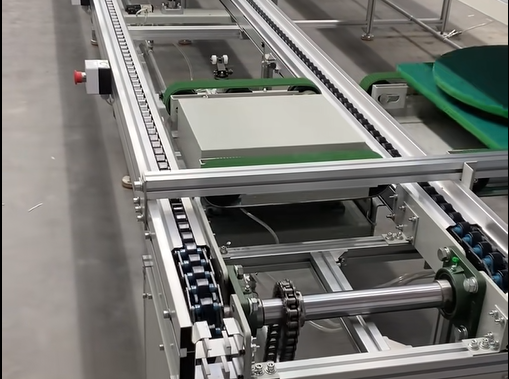
    • Chain Drive: High load-bearing capacity, suitable for heavy materials
    • O-belt Drive: Smooth operation, low noise, suitable for light materials
    • Electric Roller Direct Drive: High integration, space-saving

    Product Specifications

    Parameter Specification Parameters
    Speed 6-8 meters/minute (Adjustable)
    Load Variable
    Roller Diameter 50mm, 60mm, 76mm, 89mm, 108mm, 150mm
    Roller Material Carbon Steel / Stainless Steel / Encapsulated Rubber
    Frame Material Square Steel / Aluminum Profile
    Drive Power Customizable
    Drive Type Unpowered Roller Line / Powered Roller Line
    Certification CE / ISO9001

    Frequently Asked Questions (FAQ)

    1. What is the difference between powered and unpowered roller conveyors?
    Powered roller conveyors utilize motorized drive systems (such as chains, O-belts, or motorized rollers) to actively move goods at precise, controlled speeds, making them ideal for automated assembly and heavy logistics lines. Unpowered (gravity) conveyors rely on a slight decline or manual pushing to transport goods, serving as a cost-effective, zero-energy solution for transfer and packing zones.
    2. How do I select the right roller material for my application?
    Galvanized carbon steel is standard for general, dry workshop environments due to its high cost efficiency. Stainless steel is best suited for food, pharmaceutical, and chemical industries requiring corrosion resistance and strict hygiene. Rubber-coated rollers are recommended when protecting sensitive product surfaces, preventing slippage, or dampening operational noise.
    3. Can the roller conveyor handle high-capacity loads and pallets?
    Yes. With heavy-duty square steel frames, larger roller diameters (up to 150mm), and high-torque chain transmission mechanisms, our roller conveyor lines can handle payloads ranging from dozens of kilograms up to several tons, making them well-suited for pallets, large crates, and heavy industrial machinery parts.
    4. Why is an open-structure design better for dusty workshop conditions?
    Unlike belt conveyors where dust, shavings, and residue collect on flat belts, an open roller frame allows particles and debris to fall through freely. This prevents residue buildup, minimizes mildew risks, reduces machine jamming, and significantly extends equipment operating life with minimal cleaning.
    5. Can this conveyor system integrate with automated robotic or packaging lines?
    Yes. The modular structure allows easy integration with lifting, rotating, diverting, and sorting mechanisms. It seamlessly connects with packaging machines, robotic workcells, vertical lifts, and optical sorters to create fully automated material handling ecosystems.
    6. What maintenance procedures are required for this system?
    Due to the simple mechanical design and universal standardized components, the conveyor line requires minimal upkeep. Regular routine maintenance involves basic debris and dust removal, checking chain/belt tension via the integrated tensioning device, and periodic bearing lubrication checks.

    Make an free consultant

    Your Name*

    Phone Number

    Country

    Remarks*

    reset

    Related News