
KUKA (China) Conveyor Equipment Combination Solution
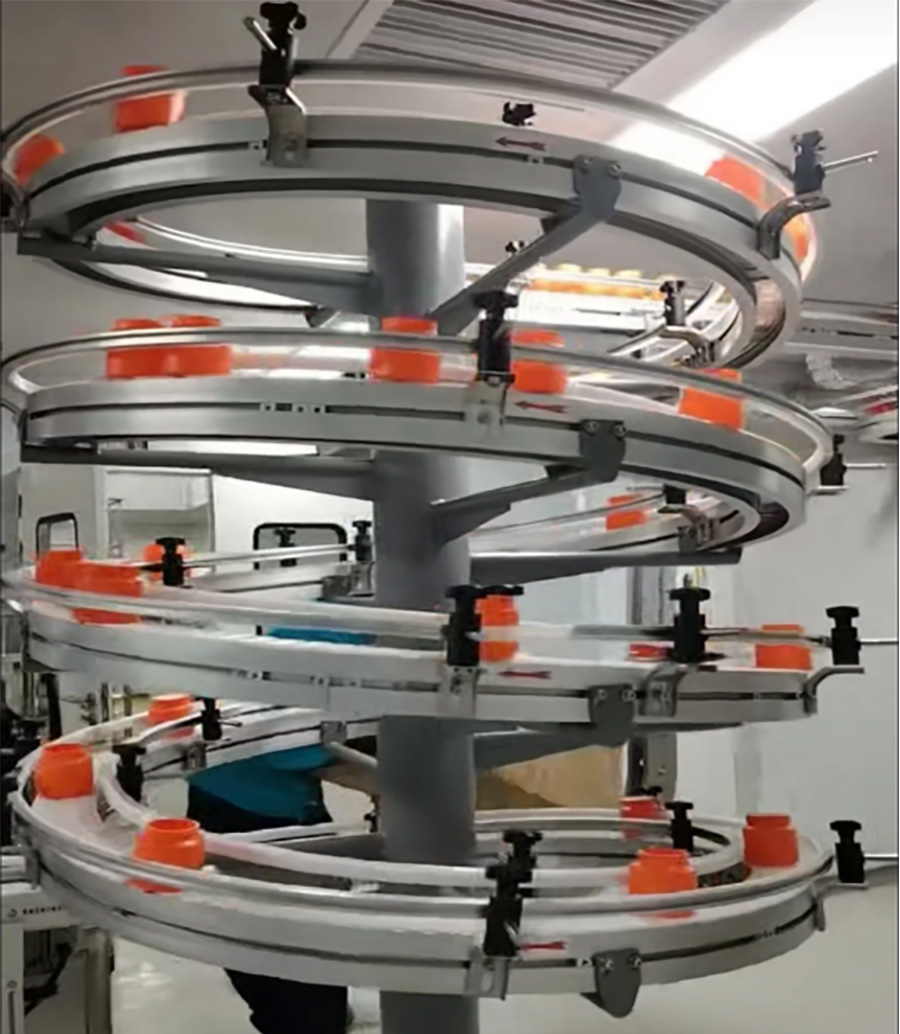
KUKA (China) specializes in industrial robots and mobile robots. Daoda Automation Equipment has developed a tailored solution: heavy-duty chain plate conveyor + precision roller conveyor + intelligent lifting transition platform combination, forming a closed loop of "robot operation - material conveying - cross-scenario connection".
Equipment Functions

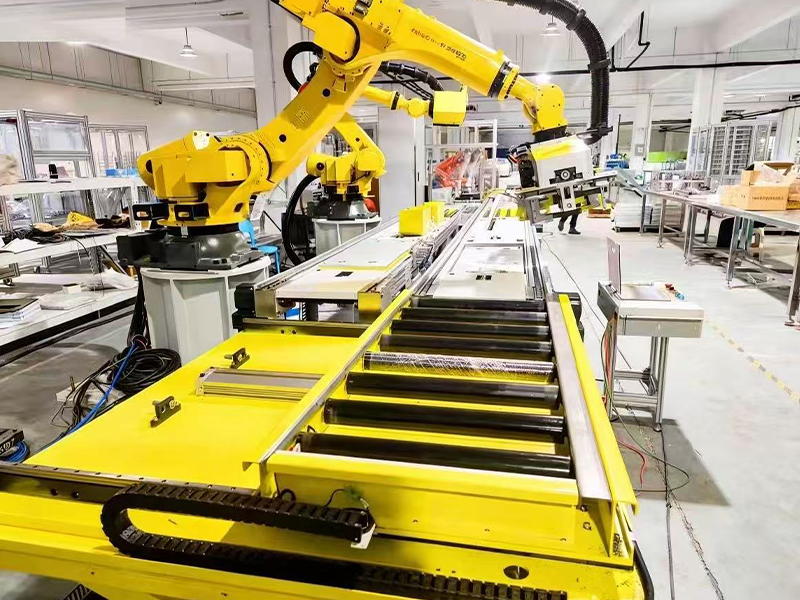
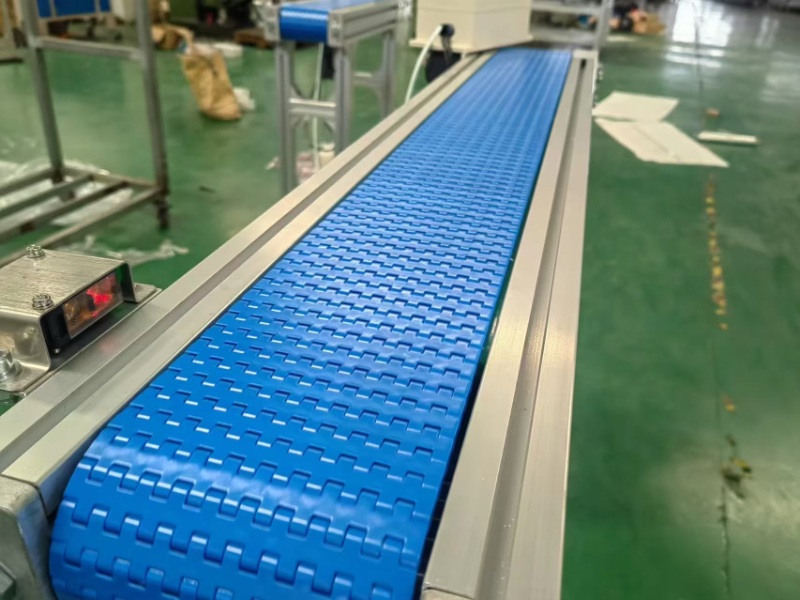
Undertakes heavy materials (such as automotive engines, machine tool components) for KUKA industrial robots, with a single-piece load capacity ≤ 500kg. It enables stable transportation from production line offline to palletizing area; the chain plate gap is ≤ 2mm to prevent small parts from falling.

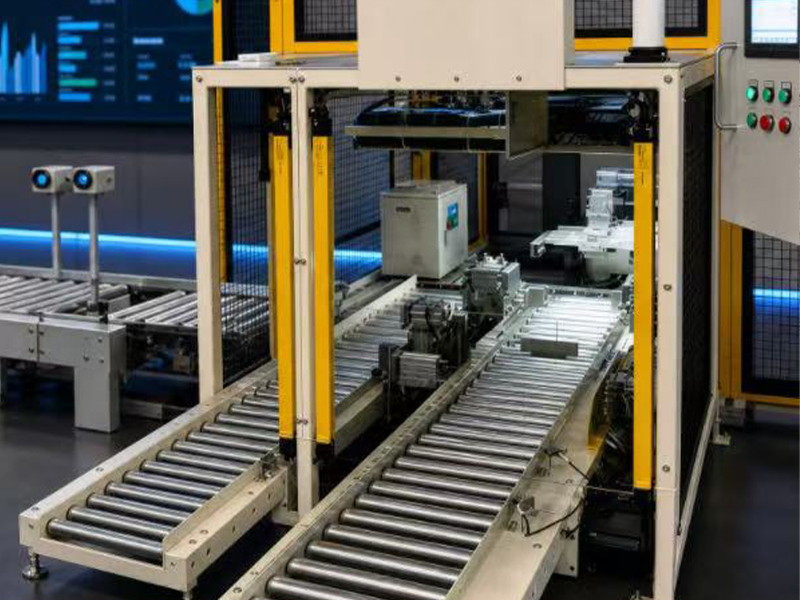
Suitable for conveying precision electronic components and robot accessories with KUKA's light-duty industrial robot KR AGILUS. The conveying speed is accurately controllable (0.5-15m/min) and equipped with shock absorption devices to reduce collision damage.
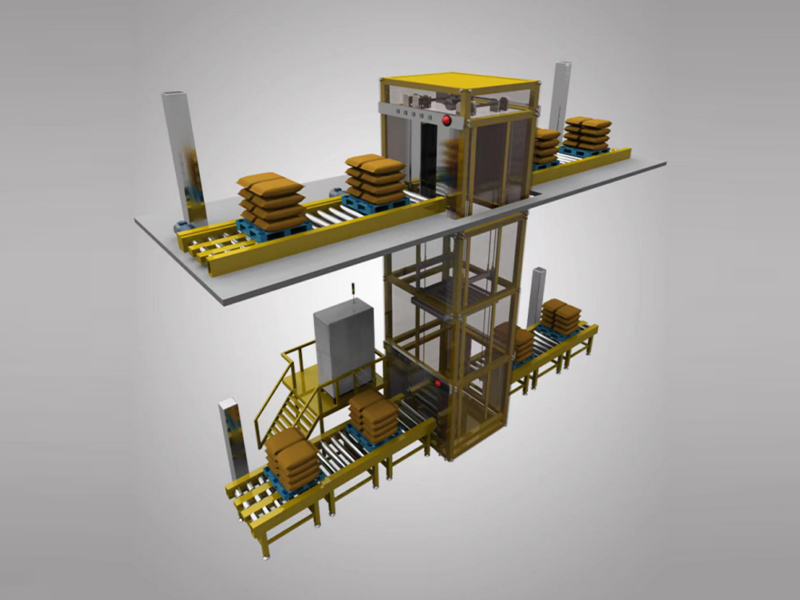
Solves the height difference between conveyors and KUKA KMP series mobile robots, with an adjustment range of 0.3-1.5m. It realizes seamless connection of materials from the conveyor line to mobile robots and supports linkage with the mobile robot's navigation system.
Highlights and Advantages of the Equipment Combination
The entire equipment set supports seamless docking with KUKA robot control systems (e.g., KR C5) via IO signals or Profinet bus, achieving linkage control. The conveying speed is precisely matched with the robot's operation rhythm (such as grabbing and palletizing frequency), with a repeat positioning accuracy of ≤ 0.5mm, avoiding material accumulation or conveying disconnection. The dual-sprocket drive design of the heavy-duty chain plate conveyor can synchronize with the palletizing actions of KUKA heavy-duty robots, increasing production line automation by over 40%.
When made of high-strength manganese steel, the chain plate conveyor has a tensile strength of 800MPa, suitable for heavy-load scenarios such as automotive manufacturing; when switched to 304 stainless steel, it meets the hygienic requirements of the food and medical industries (withstanding high-temperature cleaning at 120℃). The precision roller conveyor achieves damage-free conveying for fragile materials such as electronic components and robot accessories through low-pressure shock absorption devices, covering the application scenarios of KUKA's full range of robots.
The chain plate conveyor supports modular splicing, enabling various layouts such as straight lines, curves, and slopes. It can adapt to the navigation path of KUKA mobile robots without large-scale workshop renovation. The height adjustment function of the intelligent lifting transition platform can flexibly cope with production equipment and storage shelves of different heights, reducing factory renovation costs.
The equipment failure rate is much lower than that of traditional conveying equipment, with the chain plate conveyor's annual failure rate ≤ 3%. Combined with KUKA robots' automated operations, it can reduce manual handling links and lower the material damage rate from the traditional 1.5% to 0.3%. All operation data can be synchronously transmitted to the KUKA intelligent platform in real time, facilitating production traceability and maintenance plan formulation.
Key Technical Challenges Proposed by KUKA
The operating speed of KUKA robots (e.g., grabbing frequency of 0.5-2 times/second) needs dynamic matching with the conveyor's conveying speed. Signal transmission delay or improper parameter setting may lead to material grabbing failure; during the docking process between mobile robots and the transition platform, material falling is likely to occur due to navigation deviations.
Chain plate deviation and roller jamming are prone to occur in workshop curves and slope sections; frequent docking of mobile robots with the transition platform may lead to a decrease in the transition platform's positioning accuracy, affecting connection smoothness.
Corresponding Solutions Proposed by Daoda Automation
Profinet bus interfaces will be added to the equipment to achieve data intercommunication with KUKA KR C5 control systems. Sensors will collect real-time material position information to automatically adjust the conveyor speed (e.g., the conveyor pauses when KUKA robot's grabbing action is triggered and accelerates automatically after grabbing is completed). For mobile robot docking, laser positioning sensors are installed on the transition platform to link with KUKA mobile robots' SLAM navigation systems, reducing the positioning error to ±0.2mm and ensuring seamless connection.
The chain plate conveyor adopts modular splicing, with guide wheels installed at curves to prevent deviation and anti-slip patterns added on slope sections to enhance stability. The intelligent lifting transition platform uses dual-cylinder drive + anti-falling devices to ensure structural stability during frequent docking. The conveyor layout will be optimized according to KUKA robots' operation paths to avoid interference with other equipment.