Leave Your Message

Continuous Bucket Hoist for Grain, Mining & Building Materials - China Suppliers and Factory Solutions

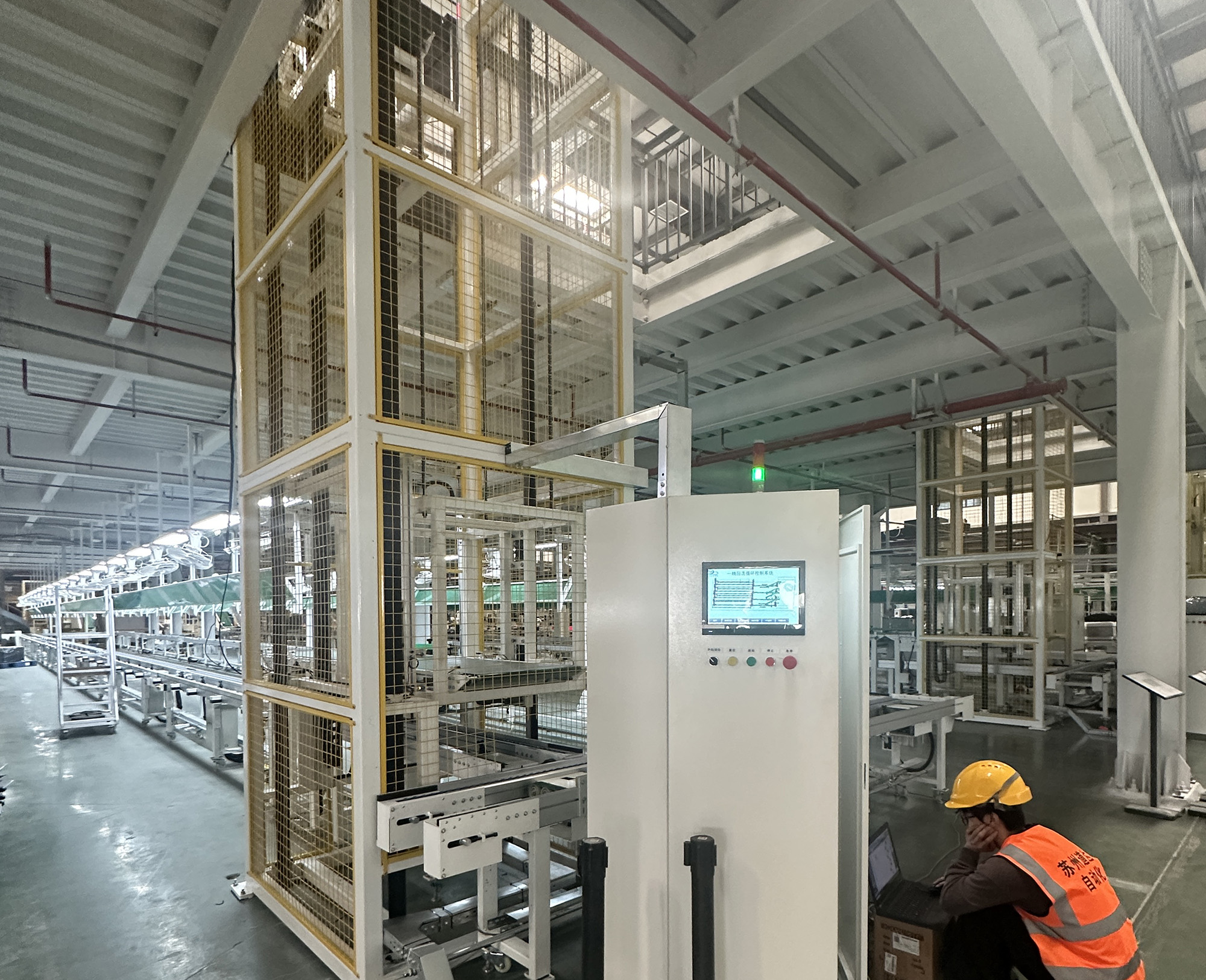
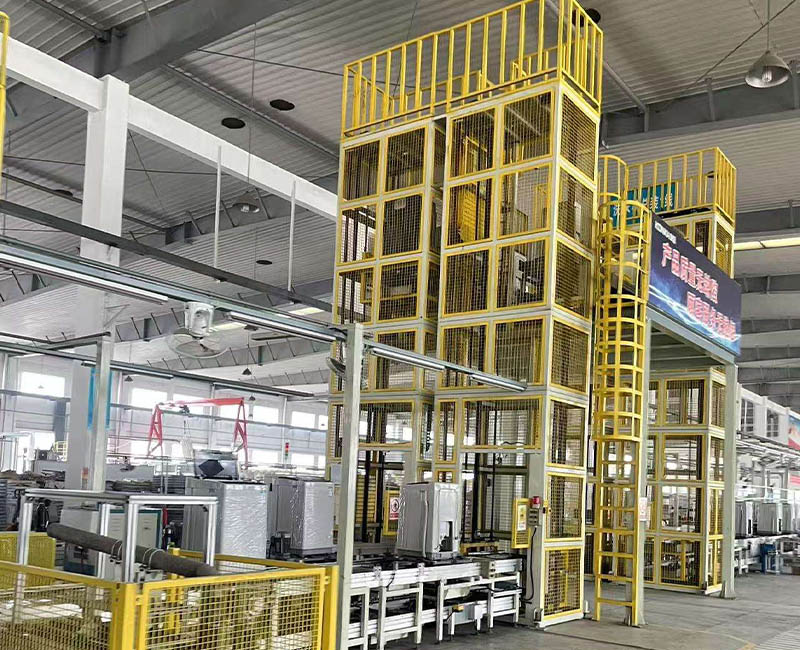
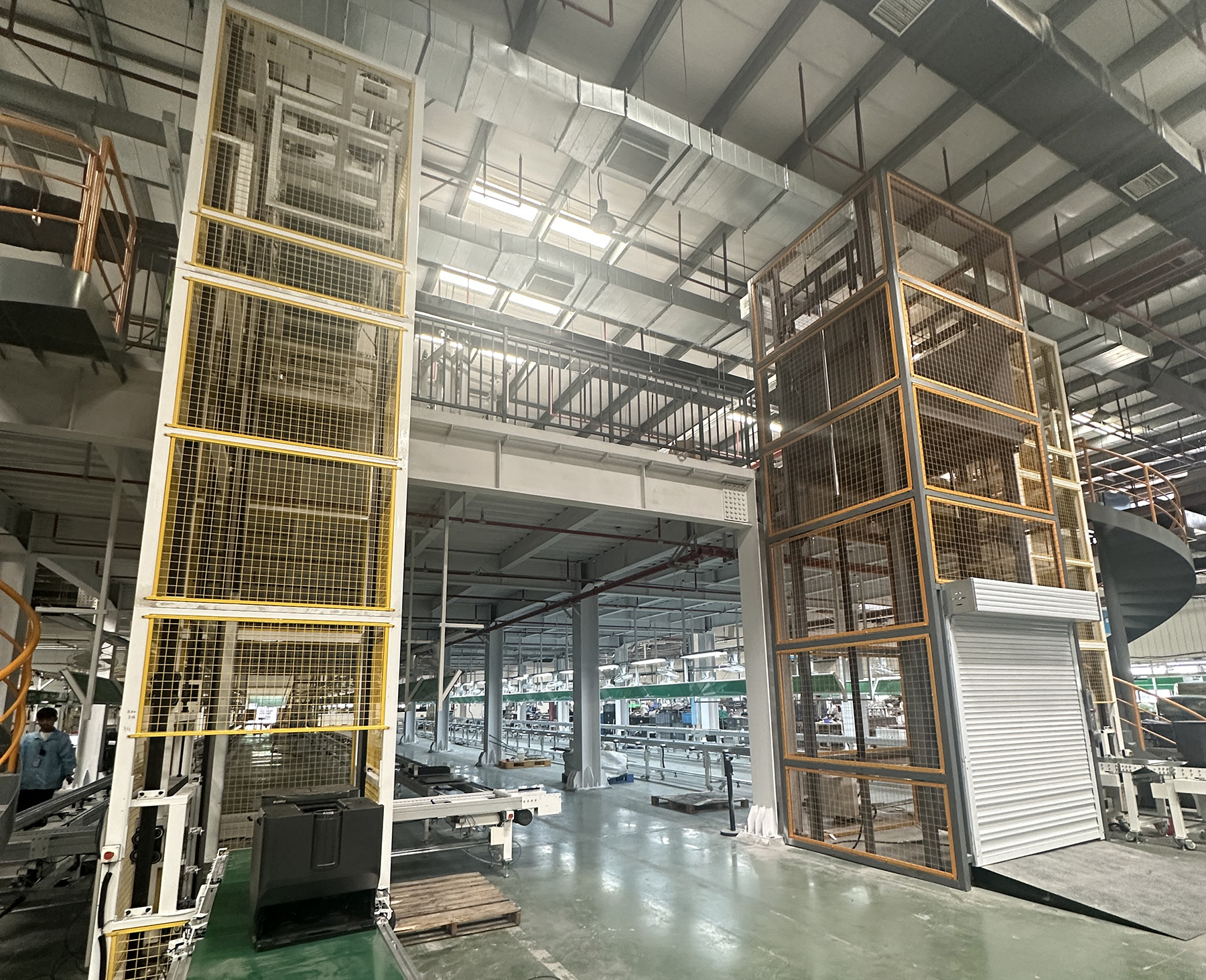
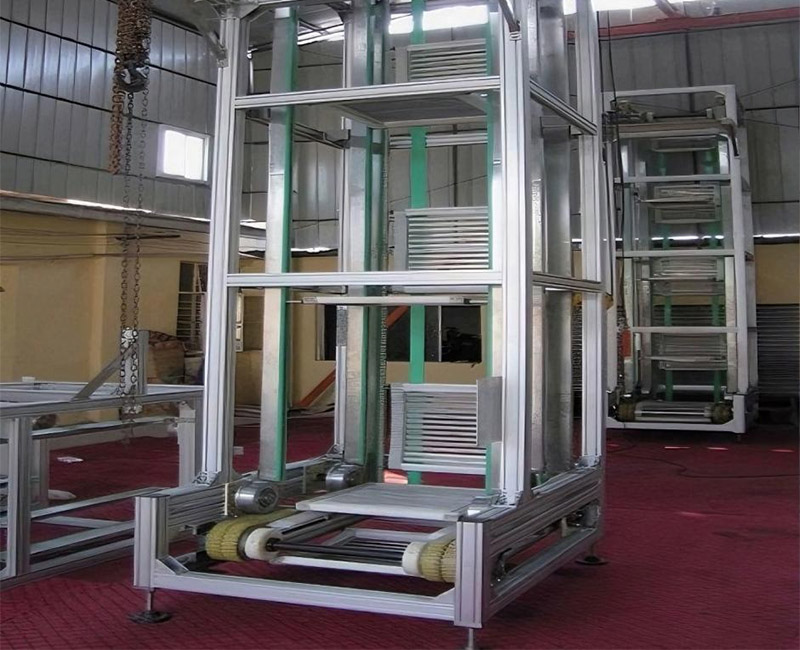
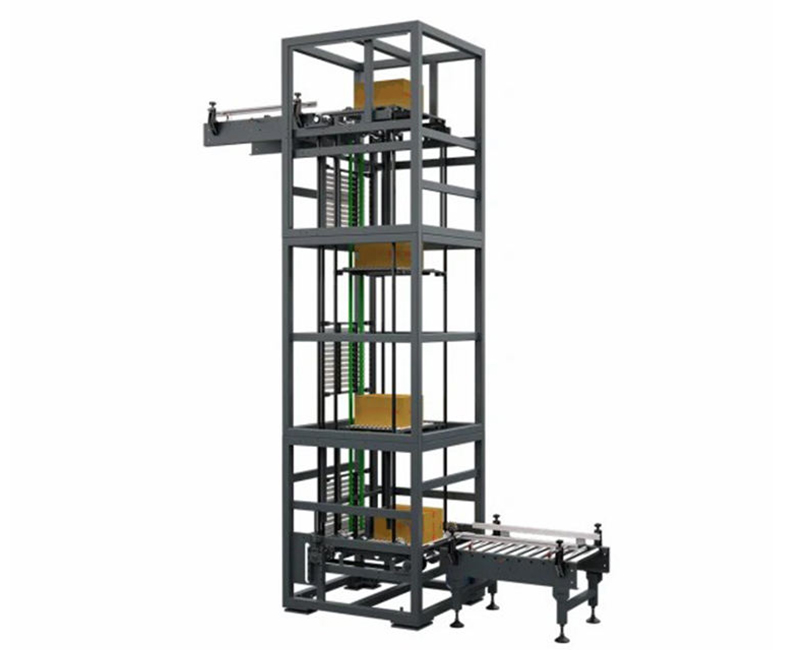
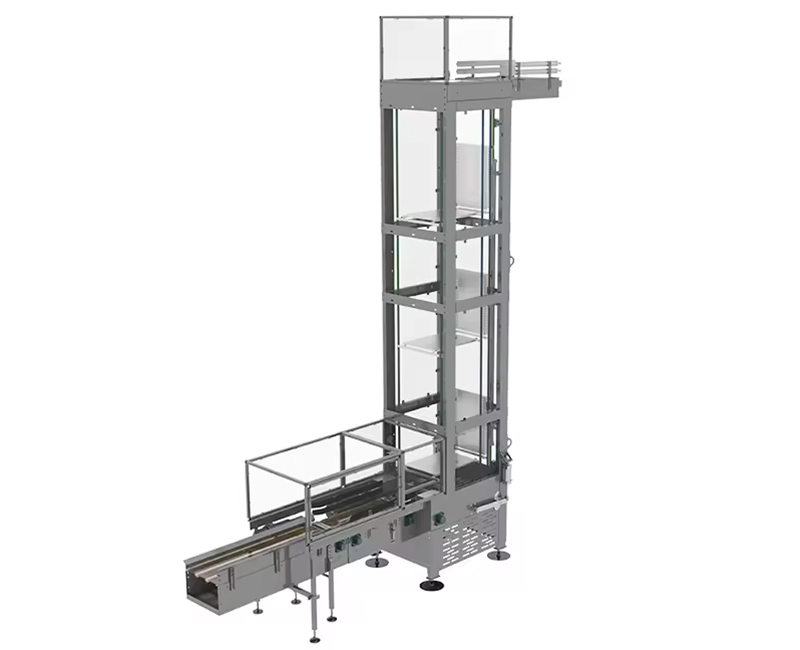
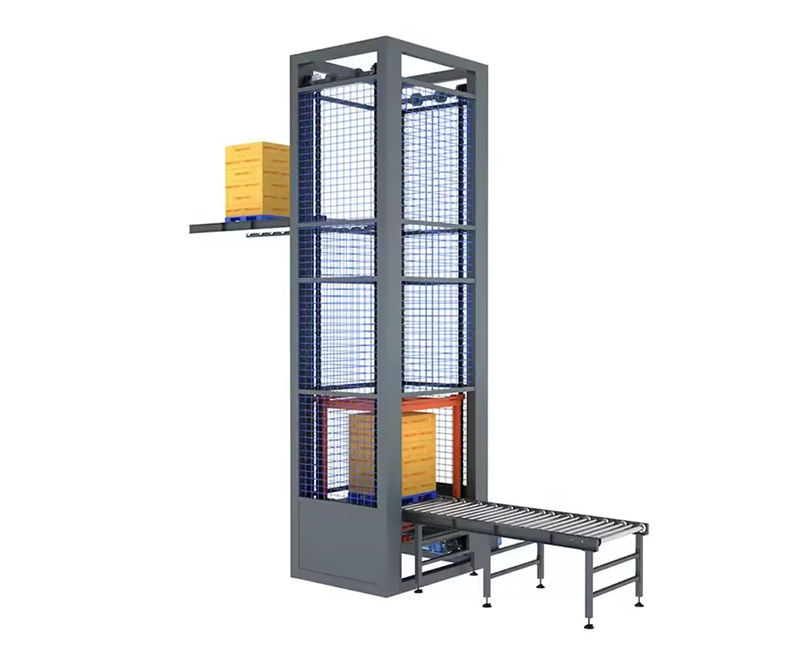
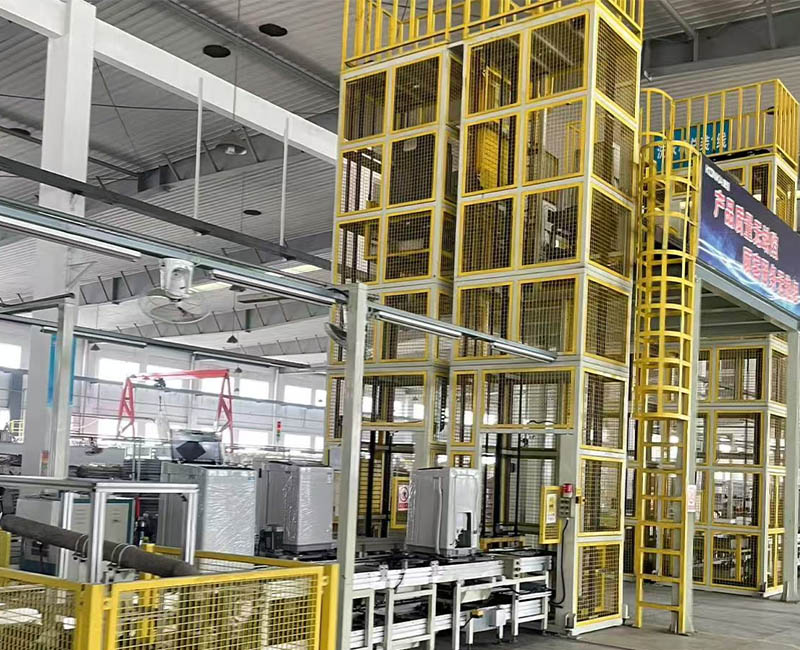
A continuous hoist is an efficient solution for the vertical or inclined transportation of materials, utilizing continuously operating components such as chains, belts, and slats. As a leading manufacturer in China, our factory offers high-quality continuous hoists designed to meet various industrial needs. We pride ourselves on being a reliable supplier, providing durable and dependable hoisting solutions that enhance productivity in your operations. Choose our continuous hoists for a seamless conveying experience in your facility

    1. Main Forms

    Bucket Elevator

    Utilizes a hopper to convey bulk materials and lift them vertically

    Chain Hoist

    Utilizes a chain to drive the load-bearing component, facilitating vertical or inclined conveyance

    Belt Conveyor

    Utilizing a belt as the conveying medium, suitable for light materials

    Plate Chain Elevator

    Strong carrying capacity, suitable for heavy and blocky materials

    2. Core Components

    1. Conveying Component

    Hopper (bucket type): Materials include steel plates and plastics, selected based on the characteristics of the material
    Chain (chain type): Roller chain, plate chain, high strength, long service life
    Belt (belt type): Rubber belt, polyurethane belt, suitable for light materials
    Flat noodles (flat chain type): Steel plates, stainless steel plates, with strong load-bearing capacity

    2. Drive Device

    Motor + reducer: Providing power and controlling conveying speed
    Sprocket/roller: Engage with conveying components to transmit power

    3. Chassis / Rack

    Material: Carbon steel, stainless steel, protecting internal components
    Structure: Closed (dust-proof, rain-proof), open (convenient for maintenance)

    4. Tensioning Device

    Screw tensioning: Simple structure, suitable for short distances
    Heavy hammer tensioning: Automatic tensioning, suitable for long-distance and high-vibration applications

    5. Inlet and Outlet Device

    Feed inlet: Control the uniform entry of materials to prevent blockage
    Discharge port: Guide the material to discharge smoothly and reduce impact

    Product Specifications

    1. Lifting Height
    1–30 m (standard), over 50 m available with custom design
    2. Conveying Capacity
    1–1000 m³/h (varies by machine type and material properties)
    3. Conveying Speed
    0.5–3 m/s (adjustable according to requirements)
    4. Operating Environment
    ● Temperature: -10℃ ~ 80℃
    ● Humidity: ≤ 90% (non-condensing)
    5. Material Properties
    ● Particle Size: 0.1 mm–500 mm (depending on machine type)
    ● Moisture Content: ≤ 8% (standard); high-moisture materials can be handled with custom design
    ● Temperature: ≤ 80℃ (standard); high-temperature resistant models available on request (≤ 200℃)
    Parameter Specification
    Housing/Frame Material Carbon steel, Stainless steel
    Lifting Height 1–30 m (standard); over 50 m available with custom design
    Conveying Capacity 1–1000 m³/h (varies by machine type and material properties)
    Conveying Speed 0.5–3 m/s (adjustable according to requirements)
    Load Capacity Customizable
    Certification CE / ISO9001

    Product Applications

    • Grain Industry
      Grain Industry
      Flour mills, rice mills: Vertical conveying of grains and flour
      Feed mills: Conveying of feed raw materials and finished products
    • Mining Industry
      Mining Industry
      Coal mines: Conveying of coal
      Metal mines: Conveying of ores and ore powder
    • Building Materials Industry
      Building Materials Industry
      Cement plants: Conveying of cement and lime
      Brick and tile factories: Conveying of raw materials and finished products
    • Chemical Industry
      Chemical Industry
      Conveying of granular and powdered chemical raw materials (corrosion-resistant design required)
    • Food Industry
      Food Industry
      Food processing factories: Conveying of grains and food raw materials (stainless steel material required)
    Frequently Asked Questions

    Q What is the difference between a bucket elevator and a plate chain elevator?
    A bucket elevator uses hoppers attached to a belt or chain to vertically convey bulk materials such as grain or powder. A plate chain elevator uses steel or stainless steel plates as the carrying surface, making it better suited for heavy, blocky, or high-temperature materials that require stronger load-bearing capacity.
    Q What industries are continuous elevators most commonly used in?
    Continuous elevators are widely used across industries including grain processing (flour mills, feed mills), mining (coal and metal ore conveying), building materials (cement and lime plants), chemical processing (granular and powdered raw materials), and food manufacturing (where stainless steel models are required for hygiene compliance).
    Q Can the lifting height and conveying capacity be customized?
    Yes. Standard models support a lifting height of 1–30 m and a conveying capacity of 1–1000 m³/h. For special applications requiring heights exceeding 50 m or capacities outside the standard range, custom engineering solutions are available upon request.
    Q What certifications does the equipment carry?
    Our continuous elevator products are certified to CE and ISO 9001 standards, ensuring they meet international safety, quality, and performance requirements for industrial use.
    Q Is the equipment suitable for high-temperature or high-moisture material handling?
    Standard models support material temperatures up to 80℃ and moisture content up to 8%. For high-temperature environments (up to 200℃) or materials with higher moisture content, custom-designed models with heat-resistant components and special sealing structures are available on request.
    Q What tensioning systems are available, and how do I choose the right one?
    Two main tensioning systems are available: screw tensioning, which features a simple structure and is ideal for short-distance applications; and heavy hammer tensioning, which provides automatic adjustment and is recommended for long-distance conveying or environments with high vibration. The choice depends on your conveying distance, material characteristics, and operational conditions.

    Make an free consultant

    Your Name*

    Phone Number

    Country

    Remarks*

    reset

    Related News