China Timing Belt Conveyor Line - Reliable Suppliers and Quality Factory Solutions for Automated Production
1. Precise Transmission
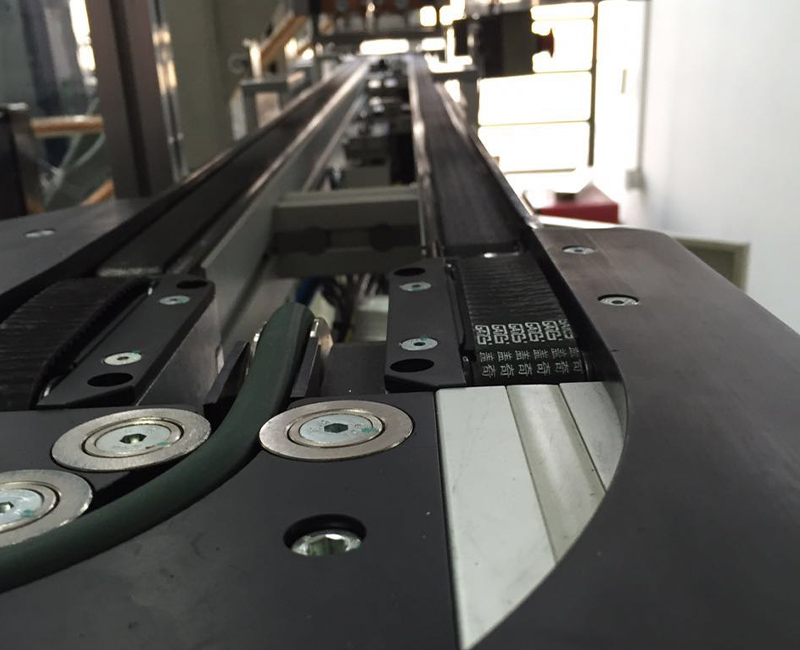
Synchronous belt and sprocket meshing ensures zero slippage and minimal conveying speed error, enabling precise material positioning and conveying.
2. Smooth Operation
Low noise during transmission and bump-free material conveying effectively protects fragile and delicate materials.
3. High Efficiency and Energy Saving
High transmission efficiency and low energy consumption offer significant energy savings compared to traditional conveying equipment.
4. Convenient Maintenance
Simple structure, highly wear-resistant core components, low failure rate, and low maintenance costs.
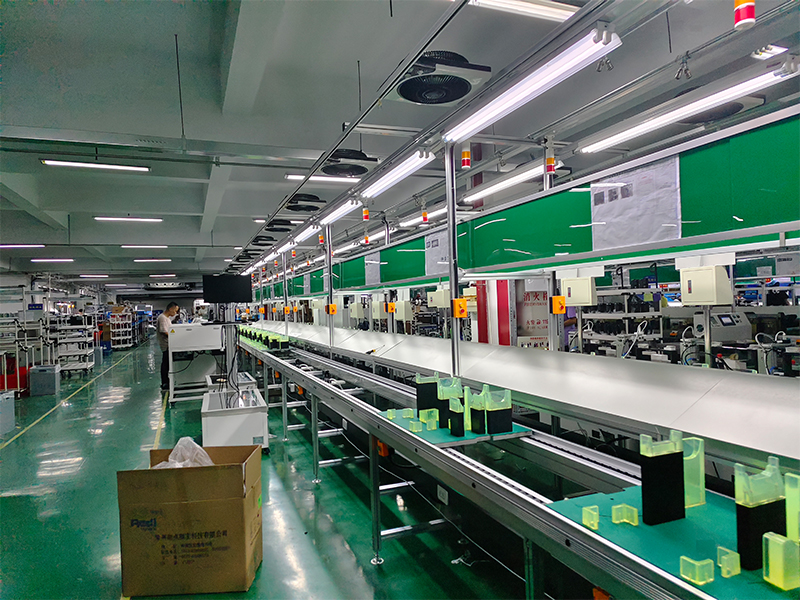
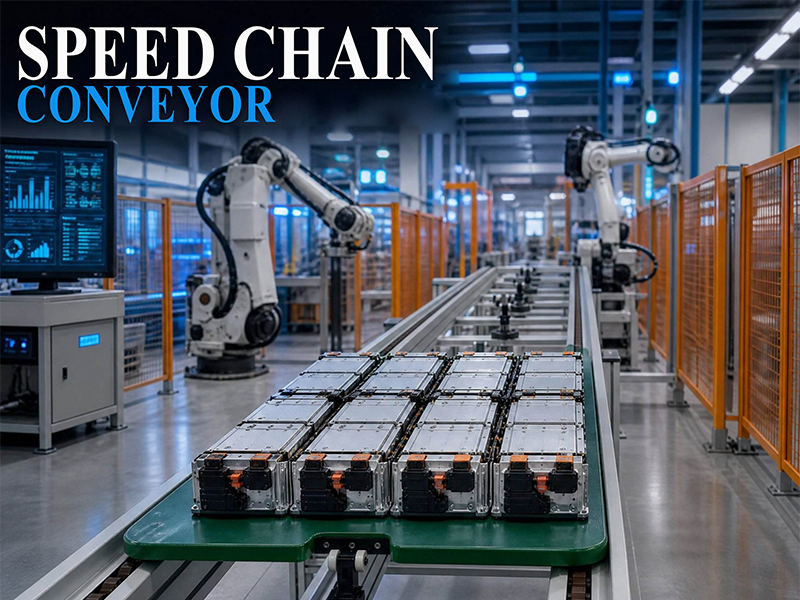
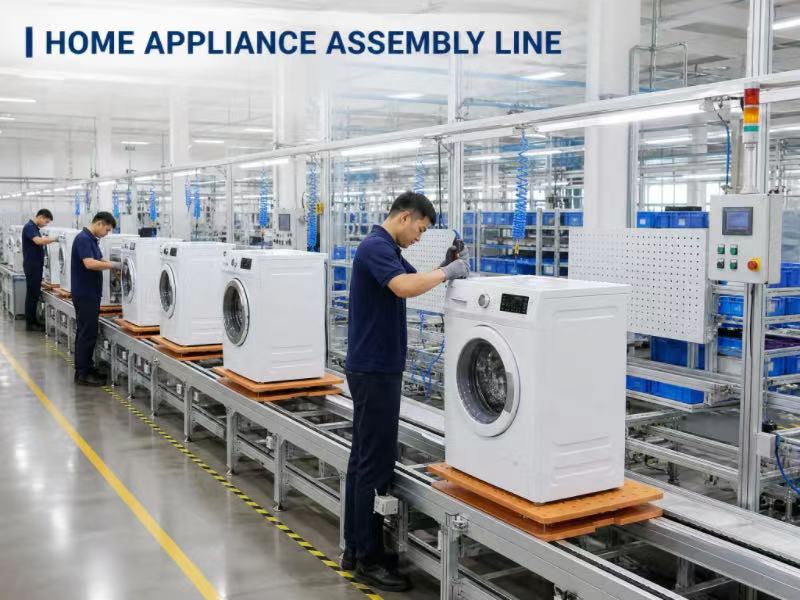
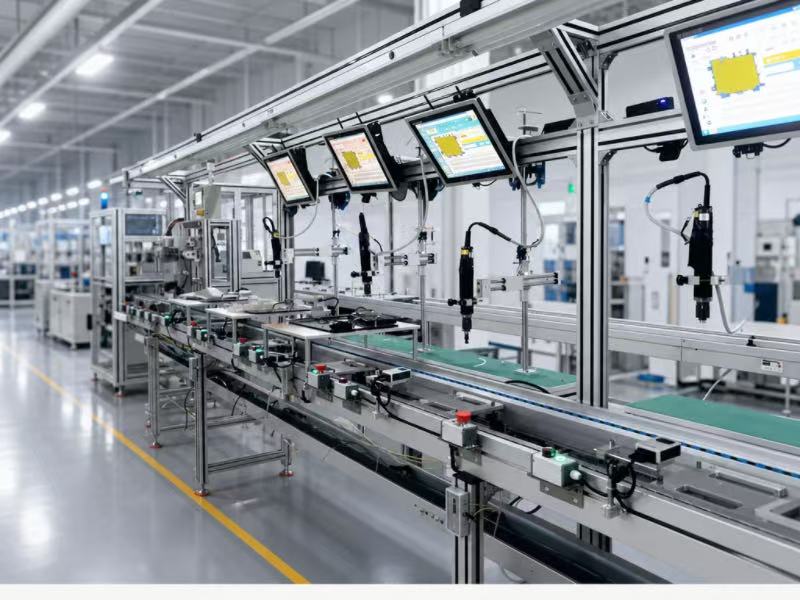
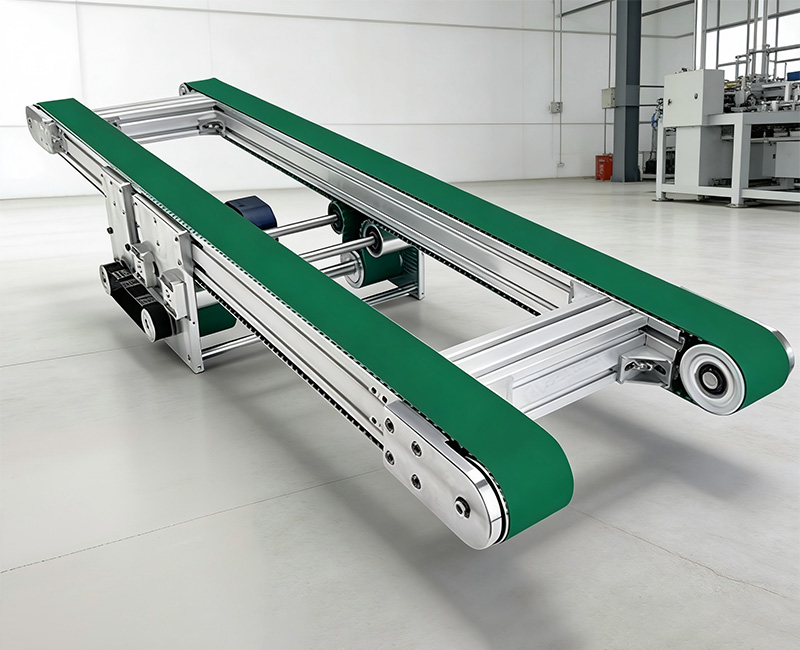
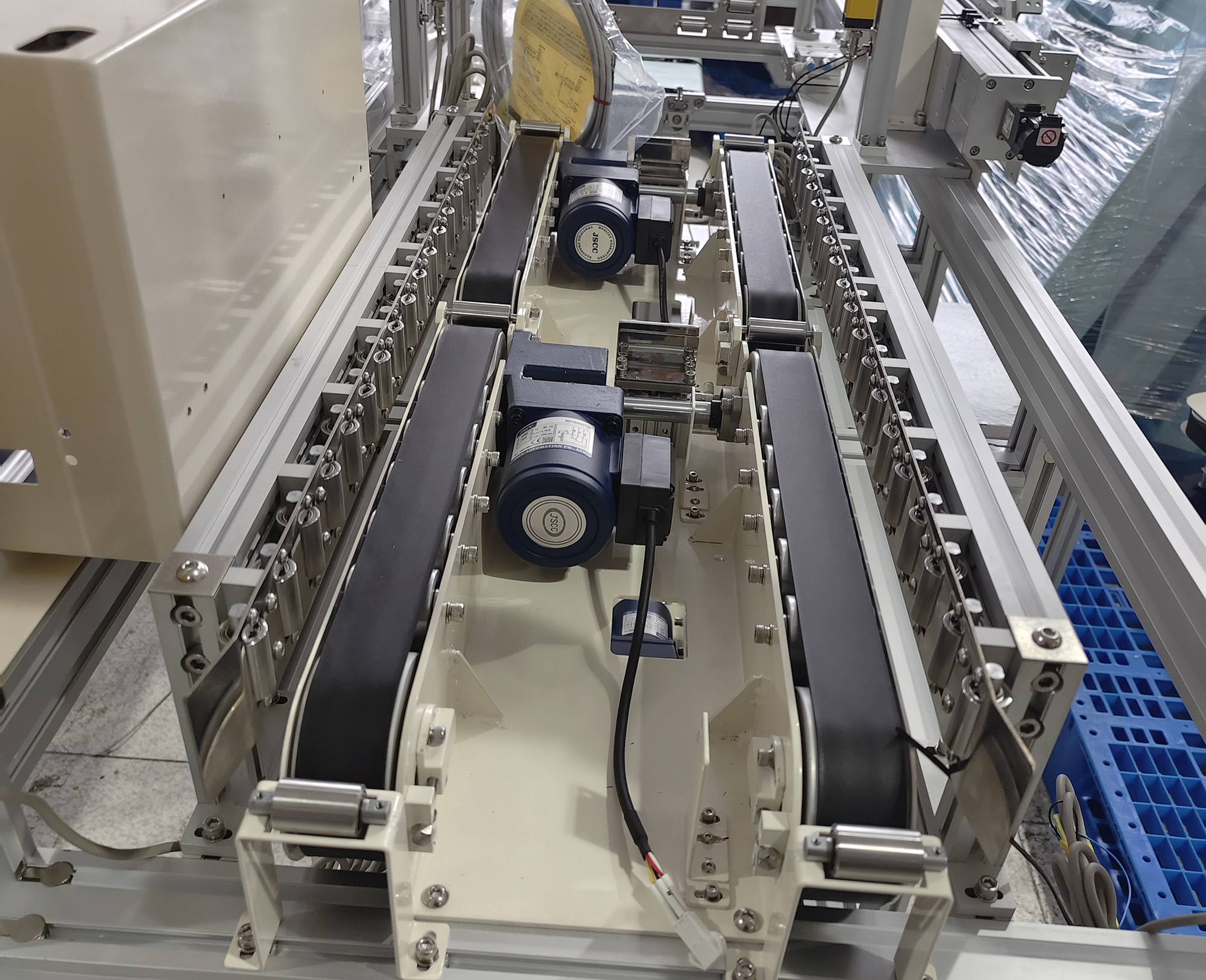
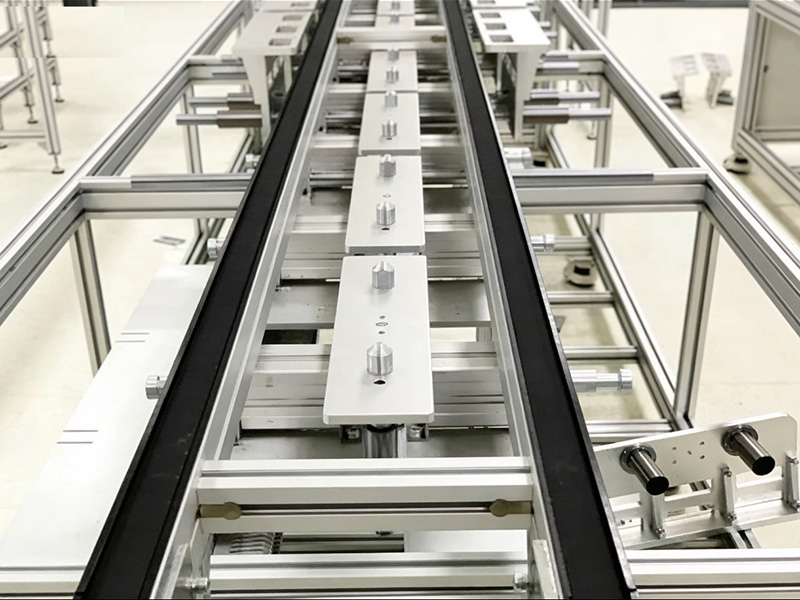
Timing belts are automated conveying equipment that integrates precise transmission and smooth conveying functions. They employ a meshing transmission structure of synchronous belts and sprockets to achieve constant-speed and positional material conveying. This product is suitable for automated production lines in multiple industries such as electronics, food, pharmaceuticals, and light industry. It is ideal for continuous conveying of small and medium-sized parts and lightweight components, effectively connecting upstream and downstream processes and improving the automation integration of the production line.
| Parameter | Specification Parameter |
| Speed | 0.1-5m/s (determined by motor type and reduction ratio) |
| Load | 0.1-50kg (determined by timing belt specification and width) |
| Precise Positioning | ±0.1-±1mm (depending on motor type and transmission system) |
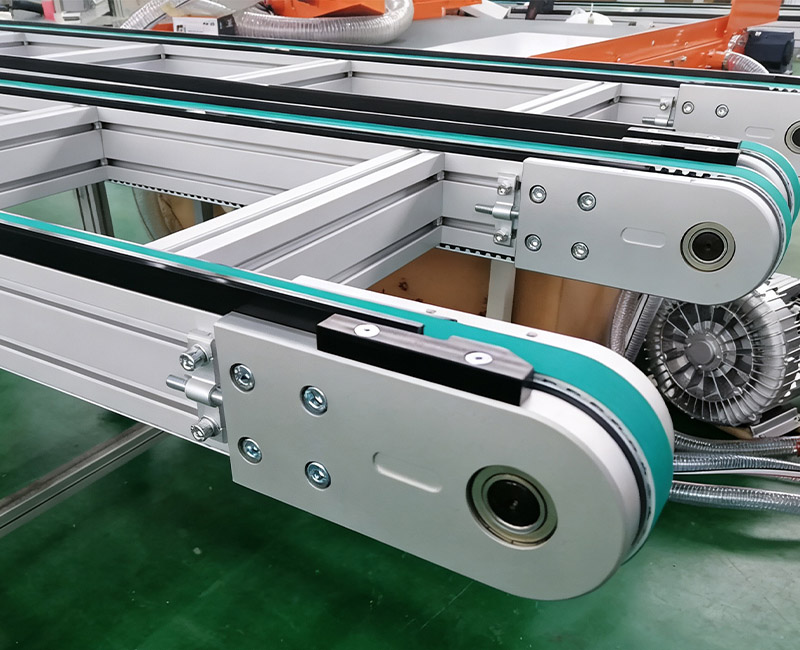
| Roller Material | Frame uses carbon steel/aluminum alloy; timing belt uses PVC/PU (optional) |
| Working Environment | -10°C~80°C, Humidity: ≤85% (no condensation) |
| Certification | CE/ISO9001 |
-
Q What is a timing belt conveyor and how does it work?
A timing belt conveyor is automated conveying equipment that uses a meshing transmission structure of synchronous belts and sprockets. This design ensures zero slippage between the belt and sprocket, enabling constant-speed and precise positional material conveying along the production line.
-
Q What industries are timing belt conveyors suitable for?
Timing belt conveyors are suitable for automated production lines across multiple industries including electronics, food processing, pharmaceuticals, and light industry. They are ideal for continuous conveying of small and medium-sized parts and lightweight components.
-
Q What is the maximum load capacity and conveying speed?
The conveying speed ranges from 0.1 to 5 m/s, depending on the motor type and reduction ratio. The load capacity ranges from 0.1 to 50 kg, determined by the timing belt specification and width.
-
Q What level of positioning accuracy can the timing belt conveyor achieve?
Depending on the motor type and transmission system configuration, the timing belt conveyor can achieve a precise positioning accuracy of ±0.1 mm to ±1 mm, making it highly suitable for applications requiring accurate material placement.
-
Q What materials are used for the frame and belt, and what are the working environment requirements?
The frame is made from carbon steel or aluminum alloy, while the timing belt is available in PVC or PU material (optional). The conveyor operates reliably in environments ranging from -10°C to 80°C with humidity up to 85% (non-condensing).
-
Q Does the timing belt conveyor require frequent maintenance?
No. Thanks to its simple structure and highly wear-resistant core components, the timing belt conveyor has a low failure rate and minimal maintenance costs. The product is certified to CE and ISO9001 standards, ensuring reliable long-term performance.