Leave Your Message

China Lifting Positioning Unit for Automated Production Line - Reliable Suppliers and Factory Solutions

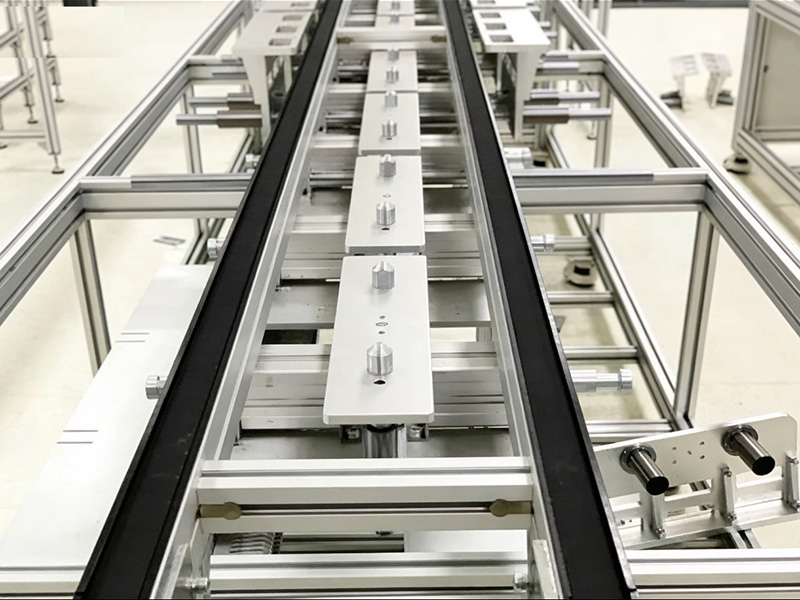
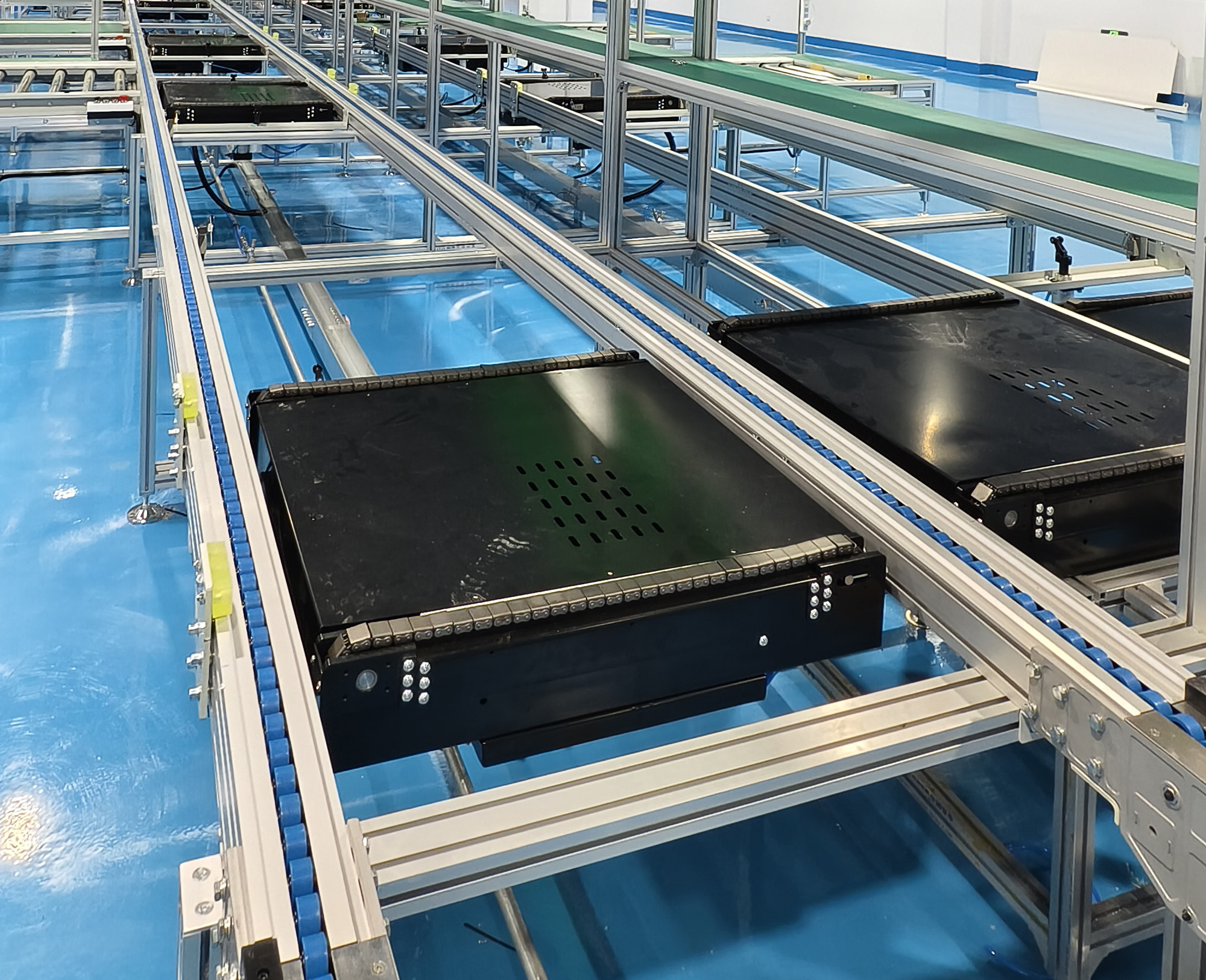
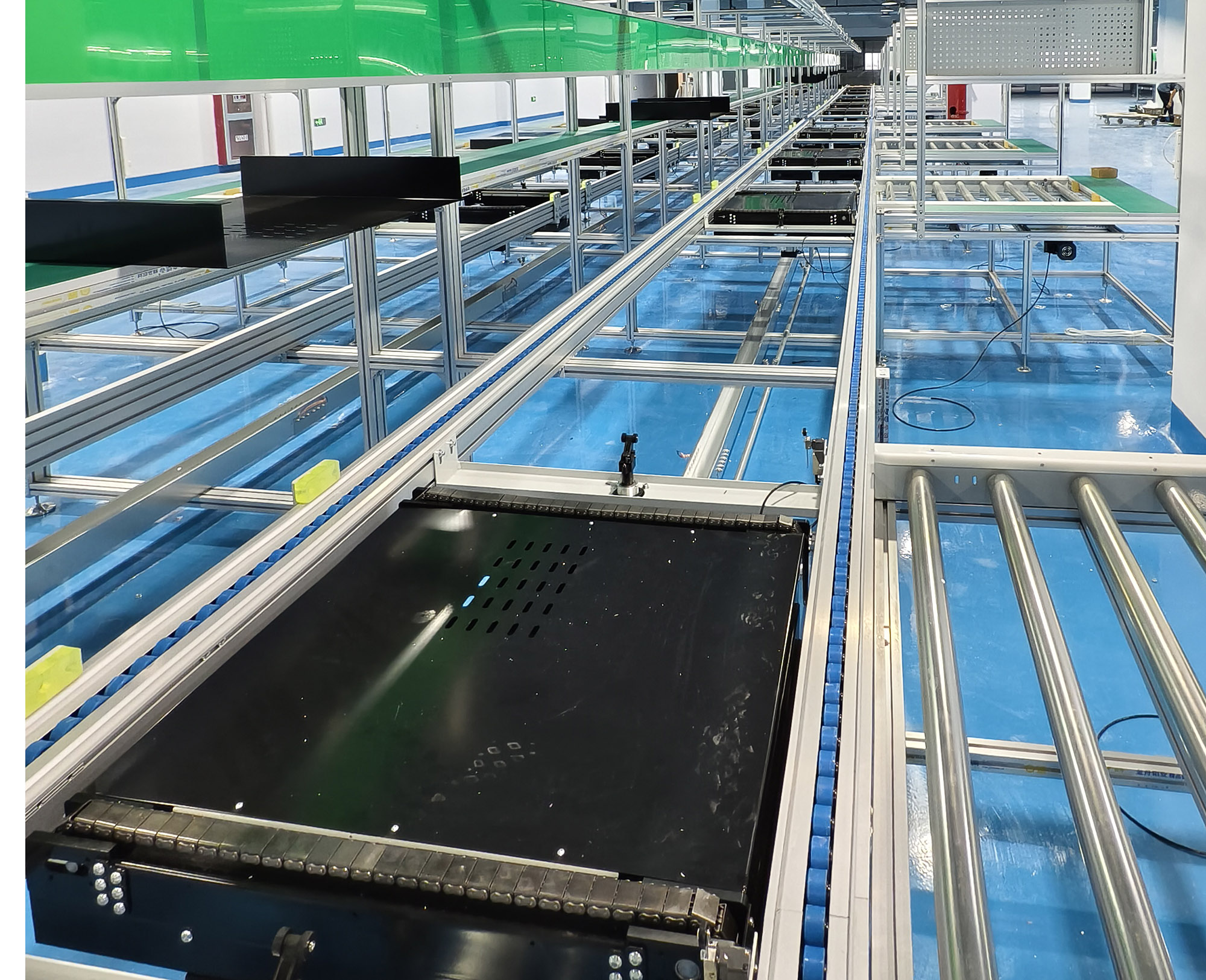
The Lifting Positioning Unit is a highly efficient solution that combines stable lifting and high-precision positioning in a compact design. Manufactured by leading China suppliers, this advanced system features a lifting mechanism—available in hydraulic or electric options—alongside a servo-driven positioning mechanism, a durable bearing platform, an intuitive control system, and essential safety protection devices. The innovative scissor lift or linear guide rail design of the lifting mechanism ensures smooth and stable vertical movement with a robust load-bearing capacity. Moreover, the positioning mechanism enables precise multi-angle or fixed-point positioning, catering to the exact requirements of various workpieces. Trust our factory to deliver exceptional quality and performance for your lifting and positioning needs

    Advantages

    1. Precise and Efficient

    Utilizing a precision lifting mechanism and guiding system, it achieves high positioning accuracy and smooth, impact-free transfer, significantly improving connection efficiency.

    2. Widely Compatible

    Supports various material types (tooling plates, boxes, components), and allows for customized transfer stroke and load to adapt to different production line layouts.

    3. Stable and Reliable

    Core components are made of high-strength materials, and the drive system is rationally selected with strong fatigue resistance, making it suitable for long-term, high-frequency automated operation.

    4. Intelligent Collaboration

    It can be linked with the production line control system to achieve automatic sensing and precise start-up and shutdown without manual intervention, thereby improving the automation of the production line.

    Product Introduction

    The Lifting Positioning Unit integrates two core functions—stable lifting and high-precision positioning—into one compact system, consisting of a lifting mechanism (hydraulic or electric), a positioning mechanism (servo-driven), a bearing platform, a control system, and safety protection devices. The lifting mechanism adopts a scissor lift or linear guide rail design, ensuring smooth and stable vertical movement with strong load-bearing capacity; the positioning mechanism realizes precise multi-angle or fixed-point positioning, meeting the accurate positioning requirements of different workpieces.

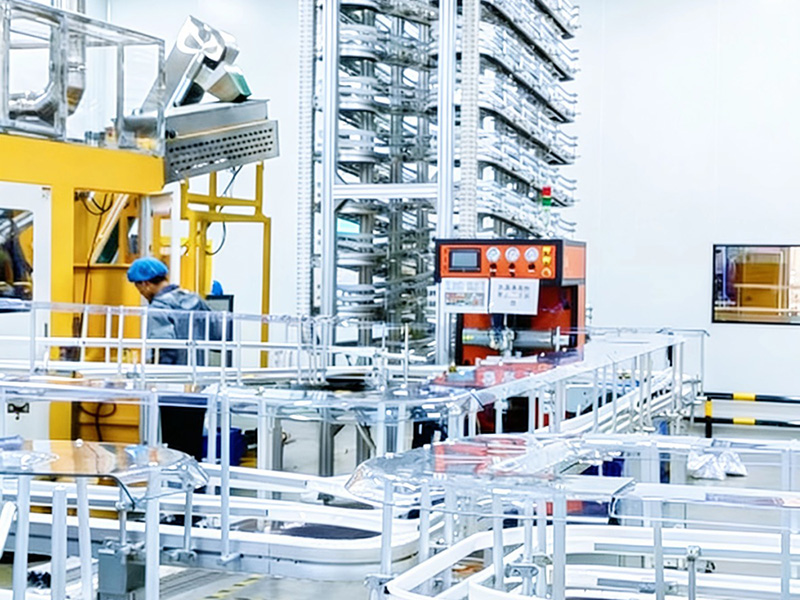
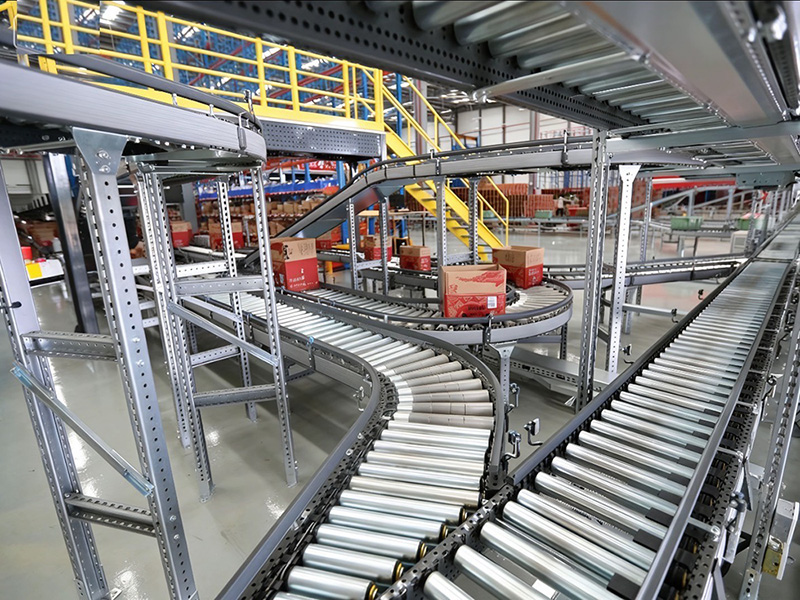
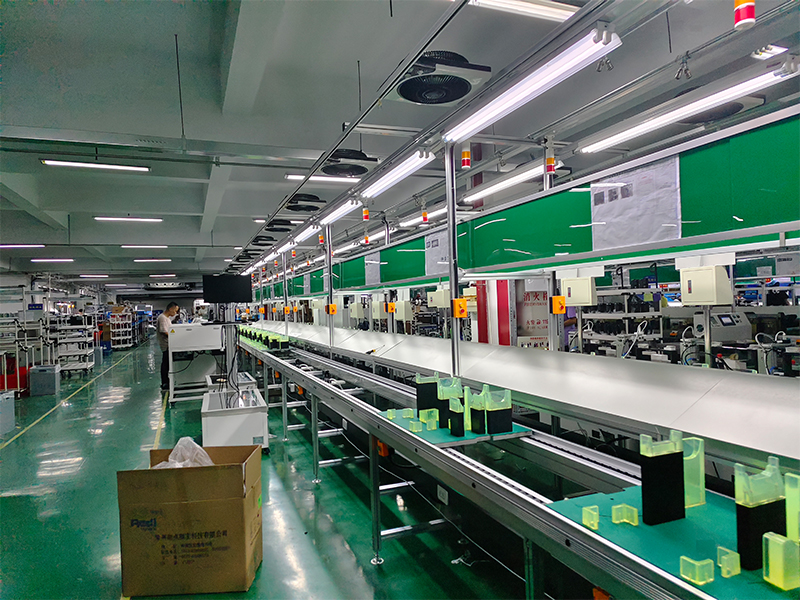
    This unit is engineered to adapt to diverse workpiece types and sizes, including pallets, cartons, components, and bulky items. It can be seamlessly integrated with automated production lines, robots, conveyors, and other equipment, realizing automated connection of multiple processes such as feeding, processing, assembly, testing, and unloading. The enclosed structural design (optional) effectively prevents dust, debris, and external interference, ensuring stable operation in harsh workshop environments. Additionally, the human-machine interface (HMI) allows for intuitive parameter setting (lifting height, rotation angle, speed, etc.), supporting manual, semi-automatic, and fully automatic control modes to meet different operational needs.

    Product Specifications
    Parameter Specification Parameters
    Lifting/Transfer Customizable, Positioning Accuracy: ±0.5mm
    Load Variable
    Drive Method Pneumatic/Servo Motor
    Operating Speed Lifting: 0.1–0.3m/s, Transfer: 0.2–0.5m/s; Power Supply: 220V/380V
    Material Aluminum Profile / Carbon Steel Spray-Painted / 304 Stainless Steel
    Drive Power Variable Frequency
    Ambient Temperature -10℃ ~ 60℃
    Certification CE / ISO9001
    Frequently Asked Questions
    Q
    What is a Lifting Positioning Unit and how does it work?
    A Lifting Positioning Unit is an integrated automation device that combines vertical lifting and high-precision positioning into a single compact system. It uses a scissor lift or linear guide rail mechanism for stable vertical movement, while a servo-driven positioning mechanism enables accurate multi-angle or fixed-point placement, meeting the precise requirements of different workpieces on automated production lines.
    Q
    What types of workpieces and materials can the Lifting Positioning Unit handle?
    The unit is engineered to accommodate a wide range of workpiece types and sizes, including tooling plates, pallets, cartons, electronic components, and bulky industrial items. The transfer stroke and load capacity are fully customizable to suit different production line layouts and operational requirements.
    Q
    What is the positioning accuracy of the Lifting Positioning Unit?
    The Lifting Positioning Unit achieves a positioning accuracy of ±0.5mm, ensuring smooth and impact-free transfer between stations. This high level of precision is critical for automated assembly, testing, and processing applications where consistent alignment is essential.
    Q
    Can the Lifting Positioning Unit be integrated with existing automated production lines?
    Yes. The unit is designed for seamless integration with automated production lines, industrial robots, conveyor systems, and other equipment. It supports automatic sensing and precise start-up/shutdown via linkage with production line control systems, enabling fully automated transitions between feeding, processing, assembly, testing, and unloading processes—without manual intervention.
    Q
    What control modes does the Lifting Positioning Unit support?
    The unit supports manual, semi-automatic, and fully automatic control modes. The built-in human-machine interface (HMI) allows operators to intuitively configure parameters such as lifting height, rotation angle, and transfer speed. This flexibility ensures the unit can meet diverse operational needs across different manufacturing environments.
    Q
    Is the Lifting Positioning Unit suitable for harsh industrial environments?
    Absolutely. The unit features an optional enclosed structural design that effectively shields internal components from dust, debris, and external interference. Core components are manufactured from high-strength materials—including aluminum profile, carbon steel, or 304 stainless steel—and the drive system is engineered for strong fatigue resistance, ensuring reliable long-term operation in temperatures ranging from -10℃ to 60℃. The unit holds CE and ISO9001 certifications.

    Make an free consultant

    Your Name*

    Phone Number

    Country

    Remarks*

    reset

    Related News