China Lifting Positioning Unit for Automated Production Line Integration - Top Suppliers & Factory Solutions
1. Precise and Efficient
Utilizing a precision lifting mechanism and guiding system, it achieves high positioning accuracy and smooth, impact-free transfer, significantly improving connection efficiency.
2. Widely Compatible
Supports various material types (tooling plates, boxes, components), and allows for customized transfer stroke and load to adapt to different production line layouts.
3. Stable and Reliable
Core components are made of high-strength materials, and the drive system is rationally selected with strong fatigue resistance, making it suitable for long-term, high-frequency automated operation.
4. Intelligent Collaboration
It can be linked with the production line control system to achieve automatic sensing and precise start-up and shutdown without manual intervention, thereby improving the automation of the production line.
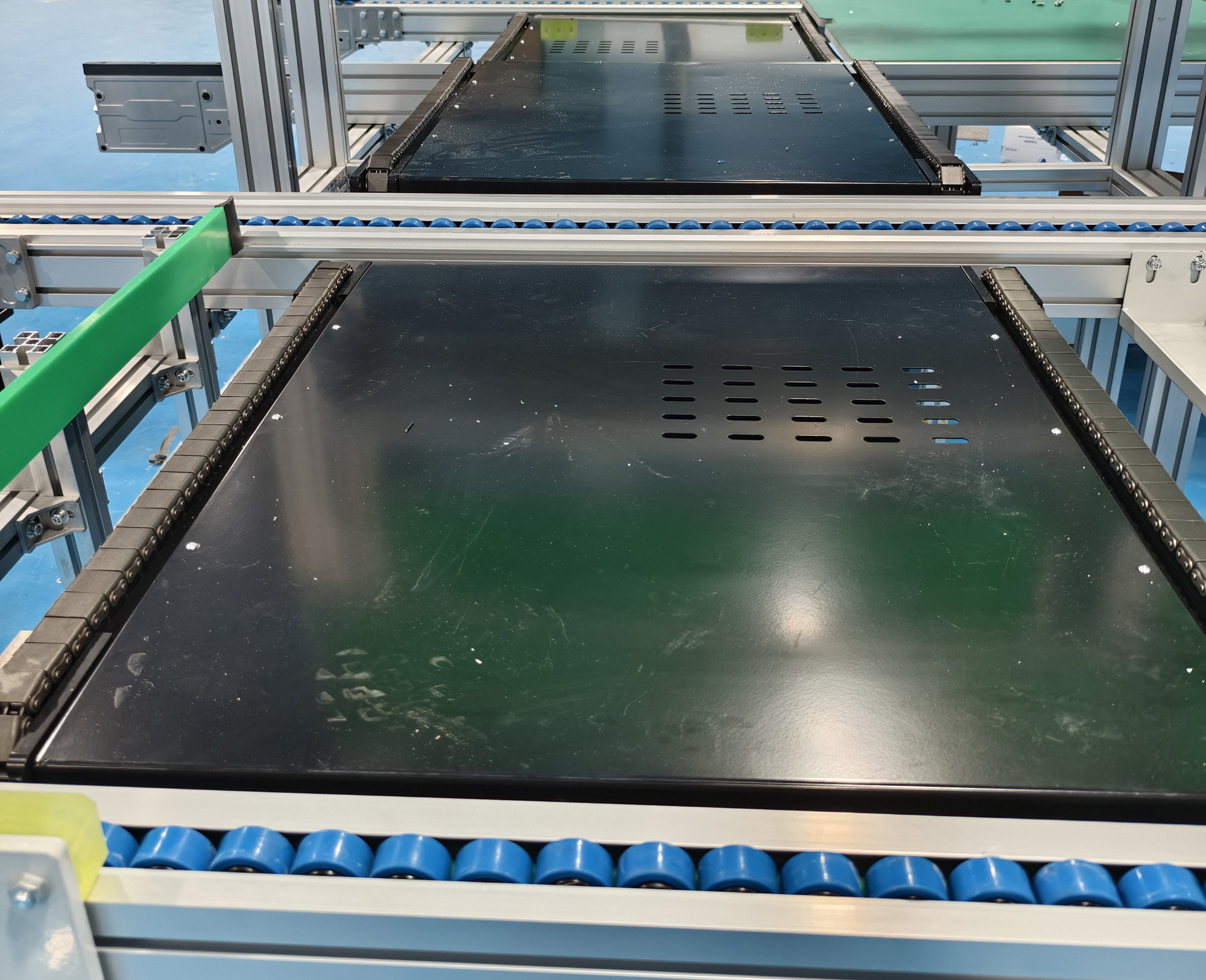
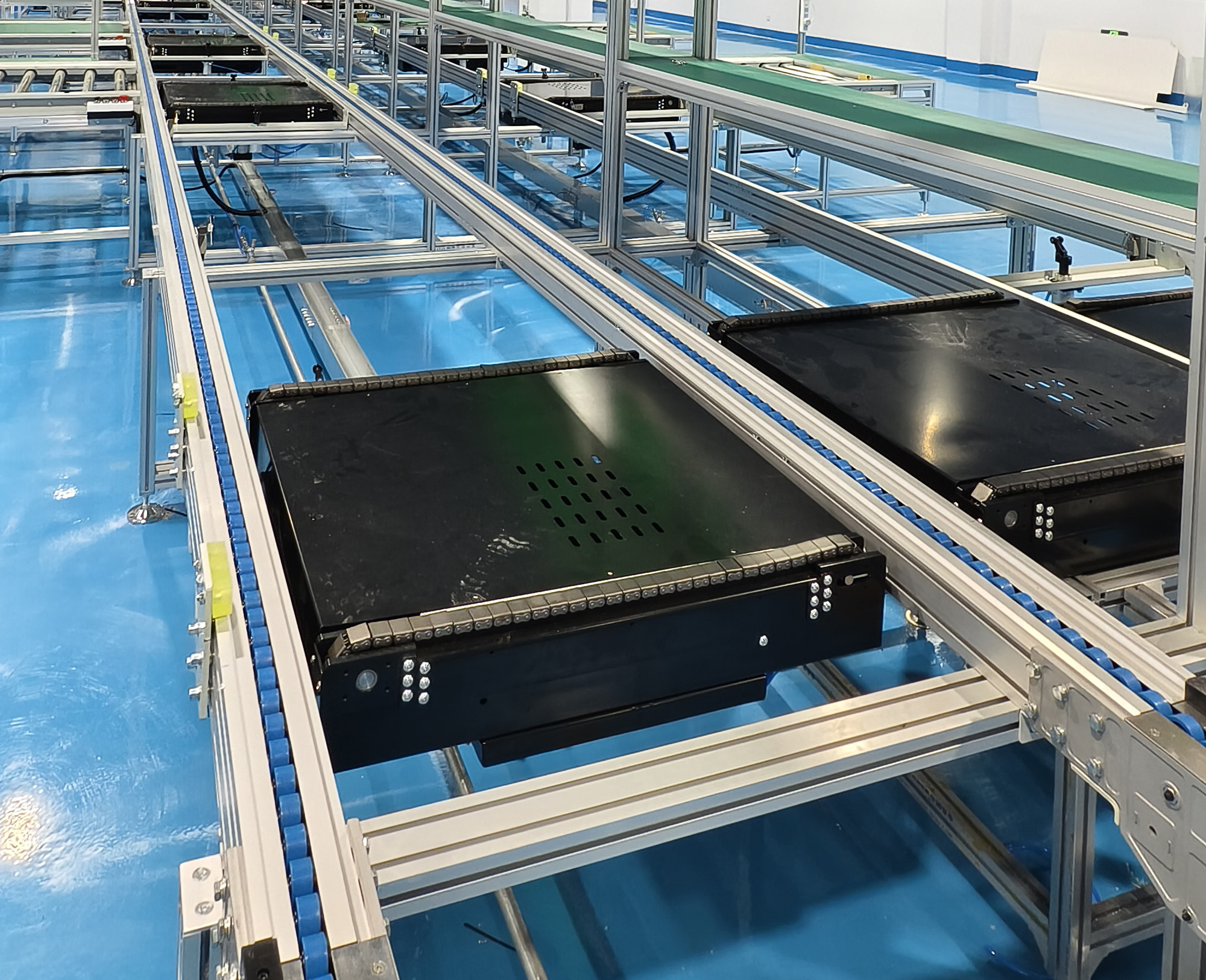
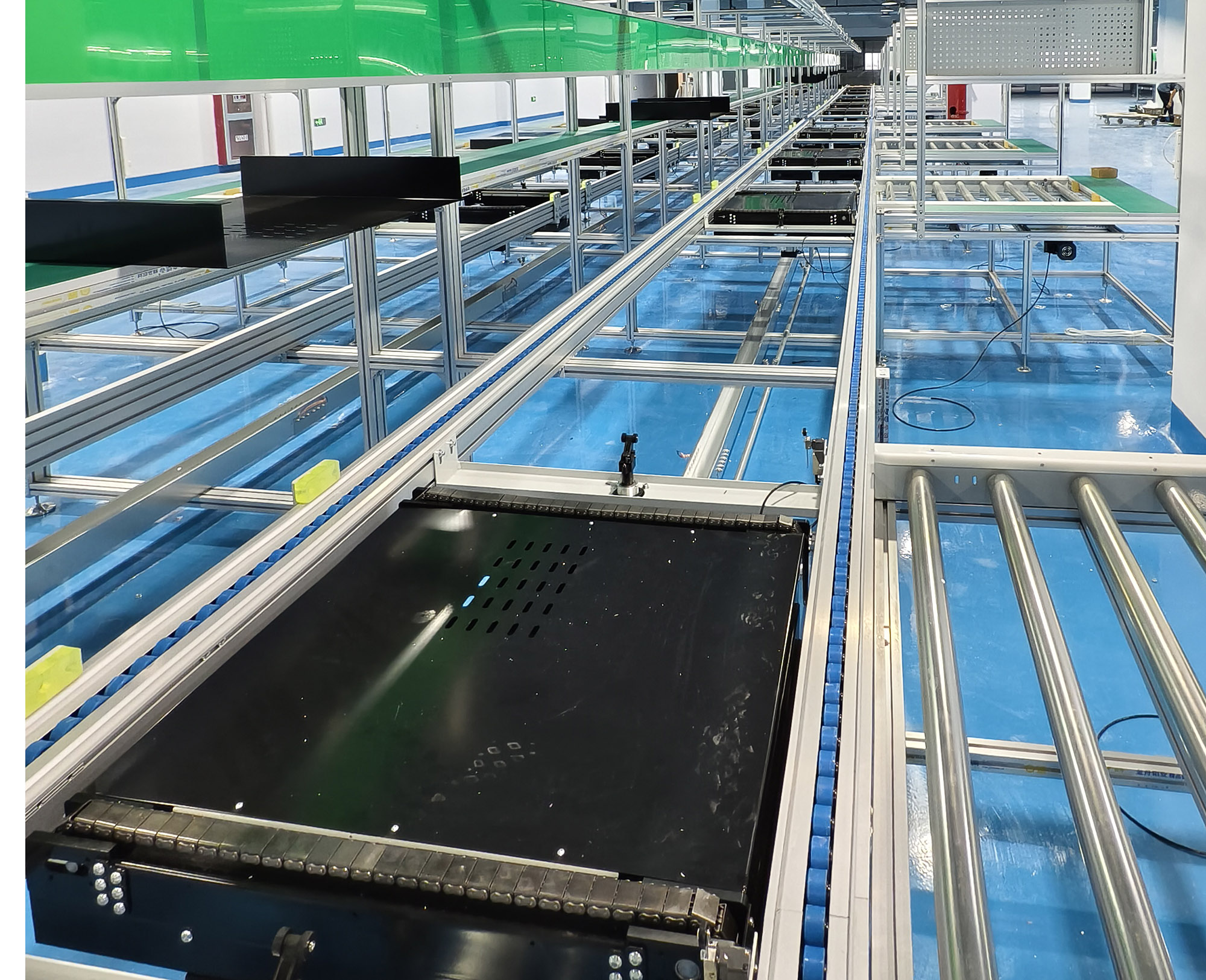
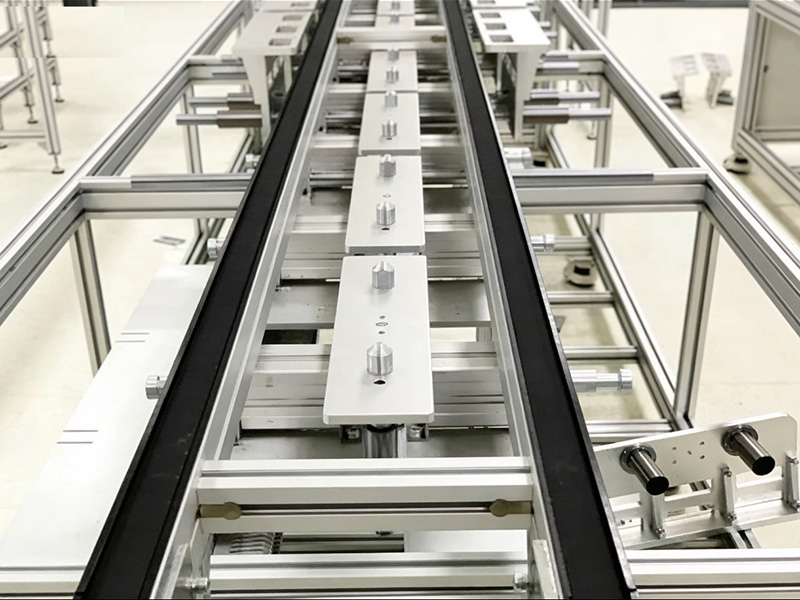
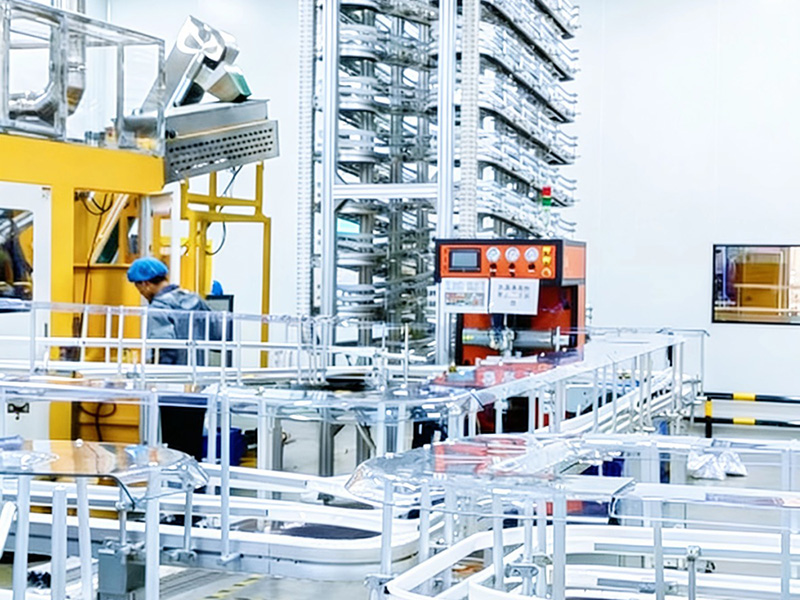
The Lifting Positioning Unit integrates two core functions—stable lifting and high-precision positioning—into one compact system, consisting of a lifting mechanism (hydraulic or electric), a positioning mechanism (servo-driven), a bearing platform, a control system, and safety protection devices. The lifting mechanism adopts a scissor lift or linear guide rail design, ensuring smooth and stable vertical movement with strong load-bearing capacity; the positioning mechanism realizes precise multi-angle or fixed-point positioning, meeting the accurate positioning requirements of different workpieces.
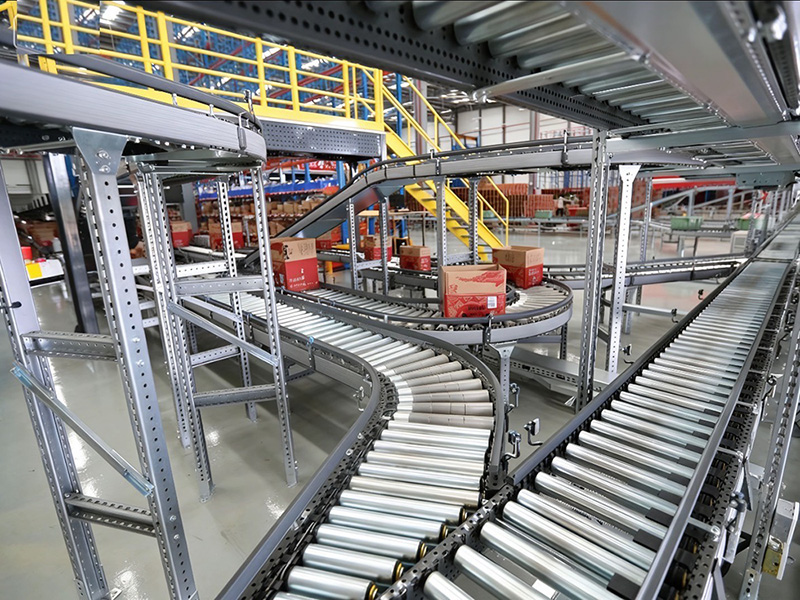
This unit is engineered to adapt to diverse workpiece types and sizes, including pallets, cartons, components, and bulky items. It can be seamlessly integrated with automated production lines, robots, conveyors, and other equipment, realizing automated connection of multiple processes such as feeding, processing, assembly, testing, and unloading. The enclosed structural design (optional) effectively prevents dust, debris, and external interference, ensuring stable operation in harsh workshop environments. Additionally, the human-machine interface (HMI) allows for intuitive parameter setting (lifting height, rotation angle, speed, etc.), supporting manual, semi-automatic, and fully automatic control modes to meet different operational needs.
| Parameter | Specification Parameters |
| Lifting / Transfer | Customizable, Positioning Accuracy: ±0.5mm |
| Load | Variable |
| Drive Method | Pneumatic / Servo Motor |
| Operating Speed | Lifting: 0.1–0.3 m/s, Transfer: 0.2–0.5 m/s; Power Supply: 220V / 380V |
| Material | Aluminum Profile / Carbon Steel Spray-Painted / 304 Stainless Steel |
| Drive Power | Variable Frequency |
| Ambient Temperature | -10℃ ~ 60℃ |
| Certification | CE / ISO9001 |
What is a Lifting Positioning Unit and how does it work?
What types of materials and workpieces can this unit handle?
What is the positioning accuracy of the Lifting Positioning Unit?
Can the Lifting Positioning Unit be integrated with existing automated production lines?
What materials are used in the construction of the unit, and what certifications does it hold?
What control modes are supported, and how is the unit operated?