Cargo Lift
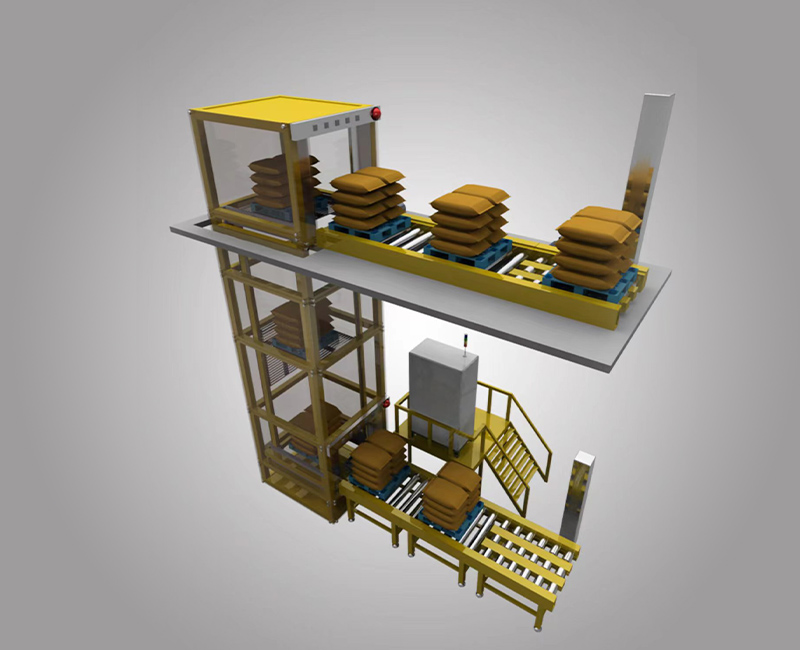
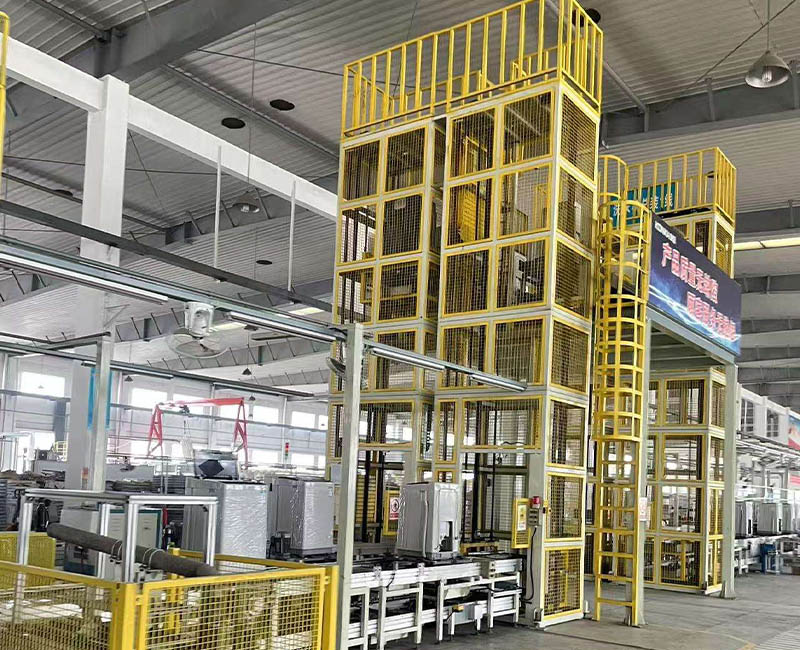
The reciprocating hoist is driven by a motor or hydraulic system, and uses transmission devices such as chains and wire ropes to drive the lifting cage move up and down, realizing vertical material handling. Its core features include:
Bidirectional transportation: In one cycle, both the upward and downward journeys can transport materials, improving efficiency.
Flexible layout: It supports fixed or mobile installation, allowing materials to enter and exit from multiple directions, and adapting to the needs of automated production lines.
Te parameters: Material handling capacity of 0-5t/h, lifting speed of up to 60m/min, maximum load of 4000Kg and travel range of 0-20m.
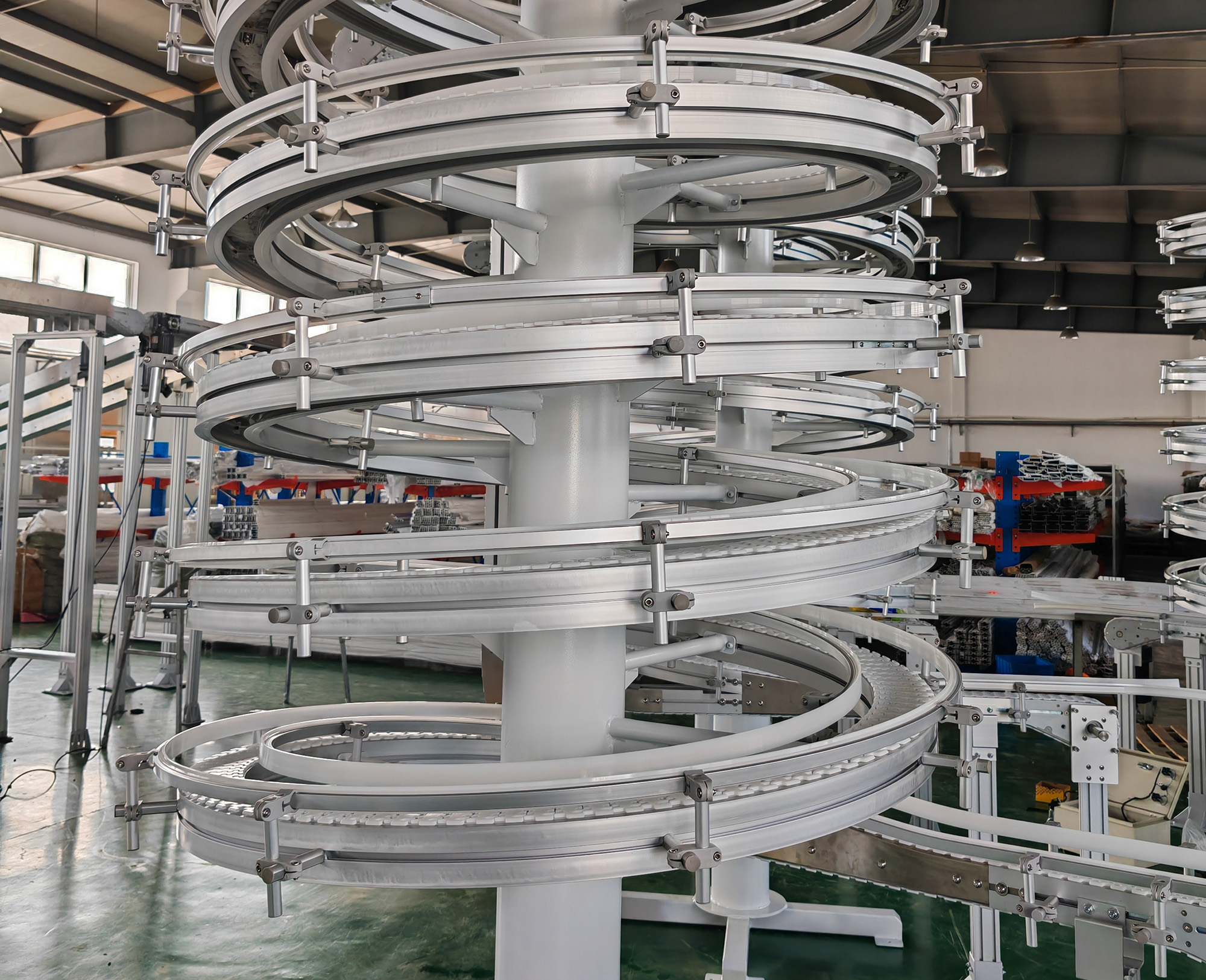
The continuous lift uses a continuously running transmission device (such as a belt, screw blade) to achieve vertical material handling without the need for back-andforth cycles. Main features include:
Continuous delivery: The material remains in a continuous flow during transport, offering higher efficiency.
Applicable scenarios: It is more suitable for, lightweight materials (such as bagged items), commonly seen in warehousing, e-commerce logistics, etc.
Both types of equipment use variable frequency speed control technology but the reciprocating type is more suitable for heavy, large-sized materials due to its bidirectional transport characteristics, while the continuous type is more suitable for light, continuous production.