In the fast-changing world of logistics, picking the right 'Roller Conveyor For Sale' isn’t just a toss-up — it’s pretty important. I recently came across a report from Research and Markets, and it’s pretty wild: they say the global conveyor systems market could hit $7.9 billion by 2026. That’s mainly because everyone’s on the hunt for smarter, more efficient ways to handle materials. These days, more buyers are looking for specialized setups like Straight Non-powered Roller Conveyors or Curved Non-powered Roller Conveyors to keep their operations running smoothly.
Of course, there are industry players like Material Handling Solutions Inc. and Conveyor Systems LLC who are pushing innovation forward. That said, not every product on the market measures up — some, like Inclined Non-powered Rollers or Flexible Rollers, might not hold up in the long run. Choosing the wrong conveyor could end up costing you a lot in repairs and causing slowdowns. So, doing your homework is more important than ever.
Figuring out what's best — maybe a Double-layer Roller Conveyor or a Frame-type Roller Conveyor — really depends on what your business needs. It’s key to balance features with what you’re willing to spend. Sometimes, folks go with a cheaper option and end up missing out on some crucial functionalities. Spending a bit of time researching can save you from costly mistakes down the line. When you take a thoughtful approach, it’s easier to find a roller conveyor that fits your specific challenges and helps keep things running smoothly.
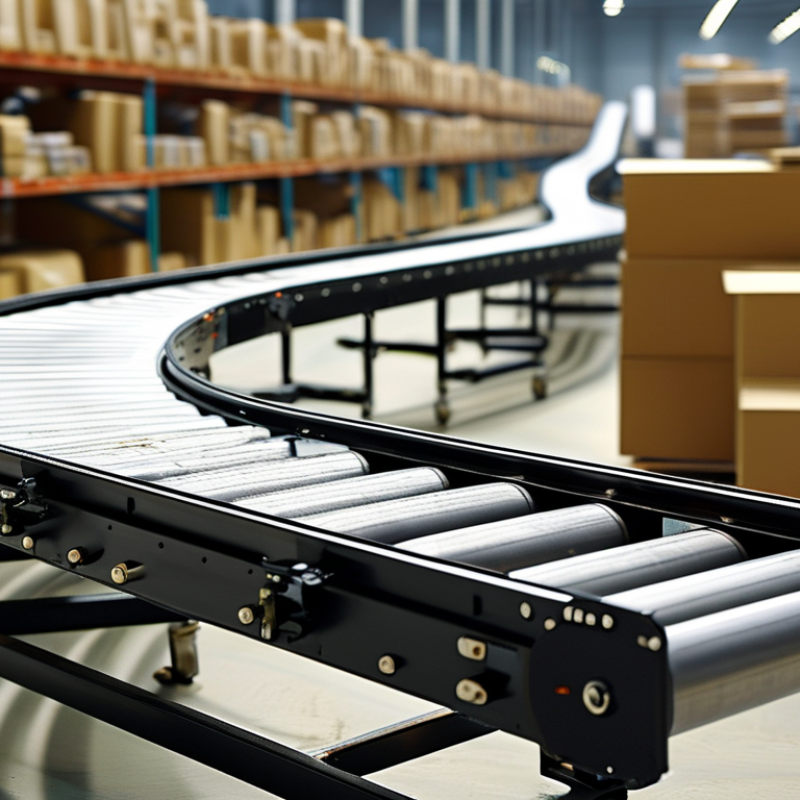
Top Roller Conveyor Types and Their Applications
Roller conveyors are essential in various industries. Understanding the types and applications of these systems can help make informed decisions. Powered roller conveyors are designed to move products efficiently using motorized rollers. This type is ideal for automated processes and can handle a range of goods. They offer speed and reliability, streamlining material transport within warehouses and factories.
Telescopic roller conveyors are unique because they extend and retract, adapting to loading and unloading needs. These conveyors are especially useful in shipping and logistics. They can reach large trucks or containers without manual labor. Curved roller conveyors, on the other hand, help navigate tight spaces. They allow for smoother transitions in systems where space is a constraint.
Heavy-duty roller conveyors support substantial loads, making them suitable for construction and heavy manufacturing. The double-layer roller conveyor is another option, providing increased capacity through layered designs. Each type has its own merits and shortcomings, such as space requirements or loading capabilities. Users must reflect on their specific needs to choose the most effective solution.
Key Features to Look for in Roller Conveyors
When considering roller conveyors, focus on key features that enhance their functionality. Durability is paramount. Look for materials that withstand heavy loads and resist wear over time. Steel and high-quality plastic often deliver the strength required for rigorous use. Roller spacing is also crucial. Proper spacing ensures smooth movement and minimizes the risk of product jams or misalignment.
Another important aspect is the drive system. Different configurations, like gravity or powered rollers, cater to various operational needs. Gravity systems are cost-effective but lack automation. Conversely, powered rollers provide controlled movement, improving efficiency. Additionally, features like adjustable heights can enhance flexibility in warehouse layouts.
Don't overlook the importance of safety features, like emergency stops and guards. These can prevent accidents and save costs in the long run. Installation should be straightforward, yet this is an area where mistakes may happen. Poor installation can lead to equipment failure or reduced efficiency. Regular maintenance is vital, ensuring the system operates smoothly and safely over time.
Cost Considerations for Buying Roller Conveyors
When considering the purchase of roller conveyors, cost is a significant factor. The price of roller conveyors can vary widely based on design and functionality. For instance, a basic non-powered roller conveyor might cost less than its powered counterparts. A recent industry report showed that gravity roller conveyors are gaining traction due to their low maintenance costs. Buyers should carefully evaluate the long-term savings versus the initial investment.
It's essential to consider additional costs beyond the purchase price. Installation, maintenance, and operational costs add up. For example, a manual roller line may have lower upfront costs but can increase labor expenses. In contrast, investing in a flexible roller conveyor could streamline operations, leading to more efficiency. Balancing initial expenditure with lifetime value is crucial for making an informed decision.
Managing expectations is vital. Not all solutions fit every operation perfectly. Curved gravity roller conveyors may offer versatility but could lead to potential layout challenges. Automation may seem appealing, yet it requires a more considerable initial investment, which may not be justifiable for all businesses. Analyze specific needs and seek expert guidance to avoid costly mistakes.
Cost Considerations for Buying Roller Conveyors
Global Suppliers of Roller Conveyors: A Comparative Analysis
When examining roller conveyors, global buyers face a myriad of options. Suppliers vary significantly in technology, material quality, and design. A recent industry report noted that the global roller conveyor market is projected to reach $2.5 billion by 2027, highlighting a growing demand for efficient solutions. Factors such as automation and customization are increasingly shaping procurement decisions. Flexible Roller Lines and Expandable Roller Lines are gaining traction for their adaptability in diverse environments.
Buyers should consider the operational environment when selecting a conveyor. For instance, a Non-powered Flexible Roller Line may suit small, manual operations well. However, large-scale operations might benefit from the automation capabilities of a Bendable Roller Assembly Line. A comparative analysis reveals that quality and support from suppliers can make a significant difference. Many suppliers offer varying levels of after-sales service, which can impact long-term user satisfaction.
Consider installation and maintenance when assessing options. Some conveyor systems require complex setups. Others are designed for quick assembly and ease of use. The right choice can streamline processes and reduce downtime. Engage with multiple suppliers to understand their offerings comprehensively. Keep in mind that choosing a solution involves weighing immediate needs against future scalability. Research and feedback from existing users can highlight potential pitfalls and successes in specific applications.
Installation and Maintenance Tips for Roller Conveyors
When it comes to roller conveyors, proper installation and maintenance play a crucial role in maximizing efficiency and minimizing downtime. The industry reports indicate that nearly 30% of conveyor system failures stem from improper installation. Therefore, adhering to manufacturer guidelines is essential. Also, the choice of materials can impact durability. For instance, utilizing a Stainless Steel Flexible Roller Line can significantly enhance performance in washdown environments, while a Carbon Steel Flexible Roller Conveyor is suited for dry applications.
Regular maintenance is key to sustaining operational efficiency. Schedule routine inspections every three months, focusing on wear and tear of the rollers. Roller systems like the Rubber-coated Flexible Roller Line can save on costs due to their ability to handle various loads while reducing noise levels. However, owners must regularly check alignment and tension to prevent misalignment, which can lead to belt slippage. Failure to maintain can result in decreased productivity and increased costs.
Consider improving your maintenance practices. Always keep a log of inspections and repairs. Implementing a preventative maintenance schedule can extend the life of conveyor systems. Additionally, training staff on the specifics of the Powered Flexible Roller Line operation can help in identifying potential issues early, ensuring that the conveyor systems run smoothly and efficiently.
Innovations in Roller Conveyor Technology
Recent advancements in roller conveyor technology have transformed the logistics and manufacturing sectors. Innovations such as smart sensors and automated control systems are gaining traction. According to industry data from the Global Conveyor Systems Market report, the market is projected to grow at a CAGR of 4.2% through 2027. This growth reflects a demand for efficient material handling solutions.
Enhancements in energy efficiency are also noteworthy. Modern roller conveyors now consume 20-30% less energy than older models. Some systems integrate regenerative braking, capturing energy during operation. This shift not only cuts costs but also aligns with sustainability goals, which are increasingly important today.
However, as with any technology, there are challenges. Many companies encounter issues during integration. Employee training and adapting to new systems require time and resources. Additionally, high initial costs can deter adoption, despite long-term savings. Continuous feedback loops are essential for refining these systems and ensuring they meet industrial needs.
Customer Experiences and Reviews of Roller Conveyor Solutions
Customers often share their experiences with roller conveyor solutions. Many buyers appreciate the efficiency these systems bring to their operations. However, some users report challenges, like the need for regular maintenance. It's crucial to choose a system that fits your specific needs.
Several users highlight the importance of flexibility in design. They value conveyors that can easily adapt to different layouts. Customization options are often mentioned as a major plus. However, it's essential to ensure that modifications do not compromise safety.
Consider these insights when exploring roller conveyor systems. Quality and reliability are vital. Test the conveyor under real conditions before purchasing. User feedback emphasizes that a solid warranty can offer peace of mind. Understanding these factors can help you make an informed decision.
FAQS
: Cost is key. Understand both initial investment and long-term savings.
Yes, installation, maintenance, and operational costs add up.
Schedule inspections every three months for optimal performance.
Improper installation can cause failures, leading to costly downtime.
Yes, users appreciate adaptability to different layouts for efficiency.
Implement a preventative maintenance schedule and train your staff.
They may offer versatility but can create layout challenges.
It helps identify reliability and performance based on real-world use.
Yes, misalignment can lead to serious operational issues.
Ensure that modifications don't compromise safety and functionality.
Conclusion
The article "Top Roller Conveyor For Sale Solutions for Global Buyers" explores various aspects of roller conveyors, highlighting their types and applications across different industries. It outlines key features to consider when purchasing a roller conveyor for sale, such as load capacity, durability, and ease of maintenance. Additionally, the article discusses the cost factors associated with acquiring these systems and provides a comparative analysis of global suppliers, helping buyers make informed decisions.
Moreover, the article emphasizes installation and maintenance tips to enhance the longevity and efficiency of roller conveyors. It also touches on the latest innovations in roller conveyor technology that can optimize operations. Finally, customer experiences and reviews are included to offer insights into the effectiveness of different roller conveyor solutions on the market. Overall, this comprehensive guide serves as a valuable resource for global buyers seeking the best roller conveyor for sale options to meet their specific needs.