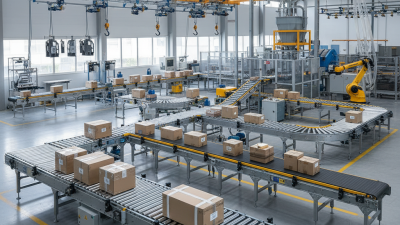
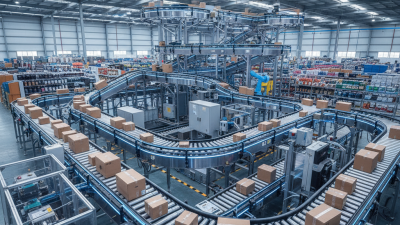
In the pretty competitive world of material handling, pinning down the top roller conveyor manufacturer in China is a pretty big deal for buyers around the globe. Industry pro John Smith, who’s a well-known expert in automation, puts it simply: "Quality and innovation are what really set successful players apart in the roller conveyor game." That’s a line that sticks because it hits the mark—manufacturers are really fighting to build stuff that’s dependable and cutting-edge.
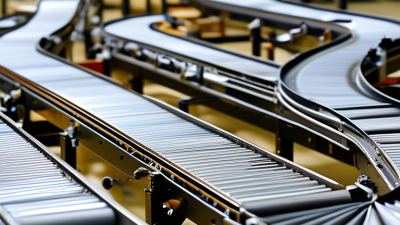
Today’s roller conveyors come in all kinds of designs, tailored to different needs. For example, the Straight Non-powered Roller Conveyor is perfect if you just need to move items smoothly, relying on gravity. Then, there’s the Curved Non-powered Roller Conveyor—super handy because it can change direction easily, making the most of limited space. If you need to move things up or down between levels, the Inclined Non-powered Roller Conveyor does the trick. And for those tricky layouts, flexible roller conveyors are a lifesaver—they adapt pretty well to whatever setup you've got going.
Of course, it’s not all smooth sailing. Not every manufacturer hits the same standards when it comes to quality. Even top names like XYZ Conveyors need to keep an eye on their manufacturing process. Their Double-layer and Loop Roller Conveyor models get lots of praise for being sturdy and durable, but customer feedback often points out the importance of continuous tweaks and improvements. Plus, frame-type roller conveyors need thorough testing to ensure they’re safe and efficient. As the market keeps evolving, staying reliable and flexible is more important than ever for any manufacturer who wants to stay ahead of the game.
Overview of Roller Conveyors and Their Applications
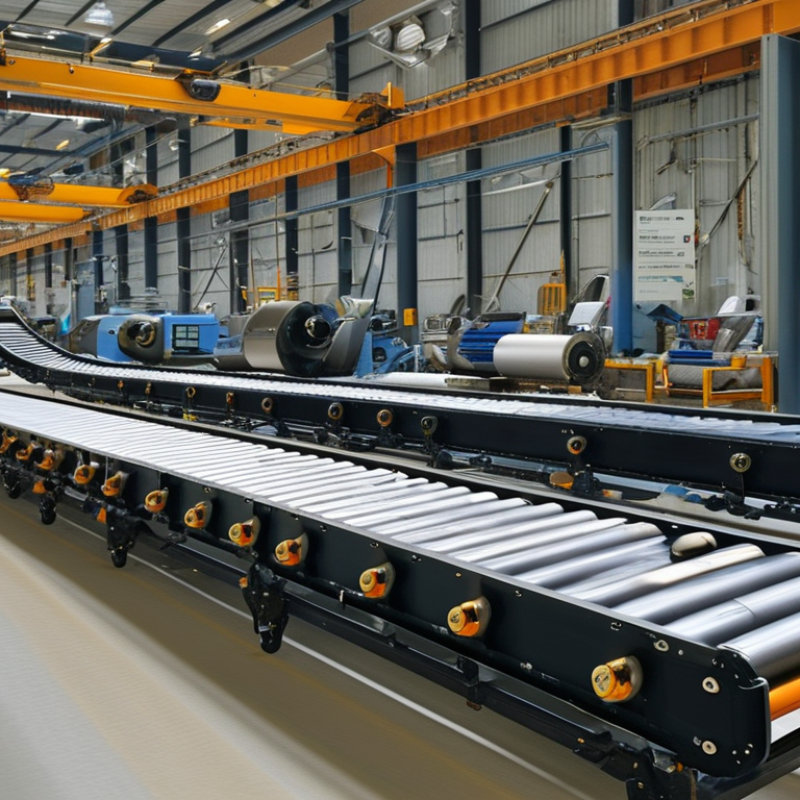
Roller conveyors are simple yet effective systems used in various industries. They facilitate the smooth movement of products across production lines. Common types include powered roller conveyors, telescopic roller conveyors, and curved roller conveyors. These systems can handle different loads, making them versatile for warehouses and manufacturing plants.
In warehouses, roller conveyors streamline operations. They reduce manual labor by automating product transport. Heavy-duty roller conveyors are crucial for heavy materials, while double-layer roller conveyors optimize space. The design of these conveyors enhances productivity and efficiency.
When considering installation, ensure accurate measurements. Proper alignment is essential for smooth operation. Be mindful of the load capacity and the weight distribution across the rollers. Regular maintenance is required to avoid unexpected downtime. Poor maintenance can lead to malfunction and inefficiency in your operations. Examine the rollers periodically for wear and tear, and always adhere to safety protocols.
Key Features of High-Quality Roller Conveyors
Roller conveyors are essential in many industries, providing efficient material handling solutions. High-quality roller conveyors feature robust construction with durable materials, ensuring longevity and reliability. These conveyors typically support varying loads and can adapt to different production environments. According to a report by Grand View Research, the global conveyor systems market is expected to reach $9.49 billion by 2025, reflecting a growing need for efficient logistics and manufacturing systems.
Effective roller conveyors come with adjustable speed settings to accommodate diverse operational requirements. They can streamline processes, reduce manual labor, and enhance productivity. In addition to this, noise levels and energy consumption are crucial factors to evaluate when selecting a roller conveyor. Keeping these aspects in check can lead to cost savings and improved workplace safety.
It's important to consider maintenance requirements and accessibility as well. Regular checks can delay wear and tear, ensuring optimal performance. Look for conveyors that allow easy inspections and repairs. This can prevent costly downtimes and extend the lifespan of your equipment. Always remember that investing in high-quality roller conveyors pays off in the long run, even if the initial costs are higher.
Leading Roller Conveyor Manufacturers in China
China has established itself as a dominant force in the roller conveyor manufacturing industry. Leading manufacturers focus on a range of products such as non-powered roller conveyors and gravity roller conveyors. Reports indicate that the global roller conveyor market is predicted to reach approximately $5.4 billion by 2027. This growth highlights the increasing demand for efficient material handling solutions across various sectors.
Innovations continue to evolve in this field. Manual roller lines and flexible roller conveyors are becoming popular due to their adaptability and cost-effectiveness. Businesses are now looking for solutions that not only enhance productivity but also fit varied spatial configurations. Curved gravity roller conveyors present challenges in design and implementation. They require precision engineering to maintain load stability and ensure smooth operation.
However, not all manufacturers meet stringent quality standards. Some facilities may lack the technical expertise needed for advanced designs. This inconsistency can lead to operational failures and safety concerns. The importance of choosing a reliable supplier cannot be overstated. Insightful market research and detailed product evaluations are essential for making informed purchasing decisions. Buyers must critically assess the qualifications of their potential partners in this thriving industry.
Criteria for Selecting a Reliable Roller Conveyor Supplier
When selecting a reliable roller conveyor supplier, it's essential to consider multiple factors. Experience in the industry indicates a supplier’s capability. Look for manufacturers with a proven track record in producing flexible roller lines and expandable roller lines. A solid reputation often correlates with high-quality products. Customer reviews can provide insights into their reliability.
Additionally, evaluate the range of products offered. A reputable manufacturer should provide various options, including bendable roller assembly lines and non-powered flexible roller lines. Customization capabilities can also reflect the supplier's expertise. If they can tailor products to specific needs, it’s a good sign of their professionalism.
**Reflection** can improve supplier selection. Sometimes, feedback from past clients can reveal shortcomings or advantages that a manufacturer may not openly disclose. Assessing these experiences fosters a deeper understanding of their operations. Remember, transparency in communication is key. A trustworthy supplier will clearly explain their processes, pricing, and delivery timelines. This clarity establishes a solid foundation for a lasting partnership.
Global Market Trends in Roller Conveyor Manufacturing
The roller conveyor industry is experiencing significant changes. As global supply chains evolve, manufacturers must adapt to meet new demands. Efficiency and automation are now priorities. Companies look for solutions that enhance productivity and reduce manual labor.
Emerging markets are driving growth in roller conveyor manufacturing. Countries with developing economies are increasing their manufacturing sectors. This shift presents opportunities for innovation. Manufacturers must focus on quality and durability. However, the rapid expansion also raises questions about sustainability. Ensuring eco-friendly production practices is essential for long-term success.
Design trends are shifting towards modular systems. This flexibility allows for easier customization and scalability. As companies seek to streamline operations, roller conveyors play a key role. Yet, manufacturers face challenges in sourcing materials. Finding reliable suppliers remains a critical issue. Balancing cost and quality is a constant struggle that requires reflection.
Top Roller Conveyor Manufacturer in China for Global Buyers?
| Manufacturer Location |
Annual Revenue (USD) |
Market Share (%) |
Number of Employees |
Main Export Markets |
| Shanghai |
5,000,000 |
15 |
150 |
North America, Europe |
| Guangzhou |
3,500,000 |
10 |
100 |
Asia, Australia |
| Shenzhen |
4,200,000 |
12 |
120 |
Europe, South America |
| Beijing |
6,000,000 |
18 |
200 |
Middle East, Africa |
| Hangzhou |
2,800,000 |
8 |
85 |
Southeast Asia, India |
Case Studies: Successful Implementations of Roller Conveyors
Roller conveyors are integral to modern logistics and manufacturing. Many global buyers seek reliable solutions to enhance their operations. Case studies highlight successful implementations that showcase the efficiency and adaptability of roller conveyors across various industries.
One notable case involved a large warehouse that struggled with order fulfillment. They implemented a roller conveyor system to streamline their processes. The results were immediate; product handling improved, and worker productivity increased. However, challenges arose, particularly during peak seasons. Adjusting the conveyor speed proved necessary to meet fluctuating demand. This adaptability underscored the importance of flexibility in conveyor designs.
In another instance, a manufacturer incorporated roller conveyors into their assembly line. The project initially faced delays due to installation issues. Yet, after refining the layout, they achieved optimal performance. The integration reduced manual handling and minimized errors. Despite the initial setbacks, the final outcome demonstrated the long-term benefits of investing in this technology. Such experiences highlight that while roller conveyors are effective solutions, thoughtful implementation is key to overcoming initial hurdles.
Future Innovations in Roller Conveyor Technology
The roller conveyor industry is witnessing rapid advancements. Innovations in Powered Flexible Roller Lines are paving the way for increased automation across various sectors. According to a recent industry report, the global roller conveyor market is expected to reach $2.9 billion by 2027, growing at a CAGR of 4.7%. This growth is driven by the necessity for efficient material handling systems.
The embrace of Stainless Steel Flexible Roller Lines is notable. Their corrosion resistance improves durability in demanding environments. Moreover, Carbon Steel Flexible Roller Conveyors are also on the rise due to their cost-effectiveness and efficiency in load handling. Companies are increasingly recognizing the value of Rubber-coated Flexible Roller Lines. These rollers enhance grip, reduce noise, and minimize product damage during transit, making them ideal for various applications.
Despite these advancements, challenges remain. Integrating new technology can be complex and requires significant investment. Many businesses face difficulties adapting their existing systems to new innovations. Continuous research and development are essential to overcome these hurdles. Future innovations will likely focus on creating more adaptable and user-friendly solutions to meet diverse operational needs. Experts predict these trends will reshape logistics and manufacturing, but only time will reveal the lasting impact of these changes.
Roller Conveyor Market Growth by Region (2023)
Evaluating the Impact of Precision Conveyor Systems in Food, Pharma, and Electronics Sectors: Insights from Industry Reports and Market Trends
The food, pharmaceutical, and electronics sectors demand precision and efficiency in their operations, making the evaluation of conveyor systems in these industries crucial. Advanced stainless steel chain conveyor systems have emerged as a reliable solution, offering significant benefits in cleanliness and durability essential for high-demand environments. These conveyors are specifically engineered to withstand the rigors of food processing and pharmaceutical manufacturing, where hygiene and corrosion resistance are paramount.
With a robust structure designed for multi-path conveying, our stainless steel chain conveyors can accommodate various movement types, including horizontal, inclined, and turning. This adaptability ensures that they can fit seamlessly into complex workshop layouts, improving workflow and production efficiency. Additionally, the capability of these systems to integrate auxiliary components allows for customized solutions that foster precise material handling and connection between processes. Such advancements highlight the importance of investing in high-quality conveyor technology for enhancing operational effectiveness across diverse manufacturing sectors.
FAQS
: Roller conveyors move products smoothly across production lines. They are widely used in various industries.
Common types include powered, telescopic, and curved roller conveyors. Each serves different purposes.
They reduce manual labor and automate product transport. This leads to increased productivity in operations.
Accurate measurements are crucial. Proper alignment ensures smooth operation of the conveyor system.
Regular maintenance prevents unexpected downtime. Poor upkeep can lead to inefficiency and malfunction issues.
Yes, heavy-duty roller conveyors are designed specifically for heavy materials. They optimize load capacity and safety.
They improved order fulfillment in a warehouse. However, adjustments were needed during peak seasons to handle demand.
Yes, some installations faced delays. Refining the layout was necessary for optimal performance in assembly lines.
Thoughtful implementation is essential, as initial hurdles can occur, but long-term benefits are significant.
By automating processes, they minimize errors and reduce manual handling, improving overall workflow.
Conclusion
The article titled "Top Roller Conveyor Manufacturer in China for Global Buyers" provides a comprehensive overview of roller conveyors, highlighting their diverse applications across various industries. It delves into the key features that define high-quality roller conveyors, such as durability, efficiency, and adaptability. The discussion includes insights into leading roller conveyor manufacturers in China, focusing on criteria that global buyers should consider when selecting a reliable supplier. Additionally, the article examines current global market trends in roller conveyor manufacturing and presents case studies showcasing successful implementations of these systems. Future innovations in roller conveyor technology are also explored, indicating potential advancements that could enhance operational efficiency and streamline logistics in the years to come.