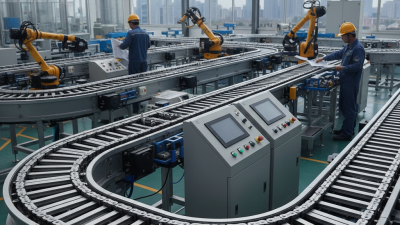
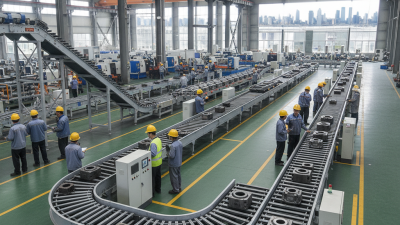
Hey, you know, in the fast-changing world of material handling, having an efficient Reciprocating Conveyor Lift really makes a difference for industrial operations. I recently came across a report from the Material Handling Institute, and it says the market for vertical lifting tools is expected to grow around 5.6% every year up to 2027. That’s pretty significant and shows how much companies are looking for automated solutions to boost productivity and cut down on labor costs. When businesses are trying to fine-tune their logistics game, getting a good grasp on systems like the Floor Reciprocating Elevator becomes pretty important.
One expert, Dr. Emma Chen—who’s been working as a consultant in this space—puts it simply: “Picking the right Reciprocating Lift can really help smooth things out, but you gotta choose carefully based on what you actually need.” Her advice just underscores how important it is to tailor solutions, like Cargo Reciprocating Elevators, for different loads and setups. Some companies have nailed it and integrated these systems seamlessly, but others run into issues simply because they don’t have the right guidance or proper analysis.
So yeah, choosing a dependable supplier is super important. The best partners will not only deliver quality gear—like Vertical Reciprocating Lifting Conveyors—but also lend their expertise to make sure everything runs smoothly. Taking the time to pick the right supplier really pays off in the long run, trust me on that.
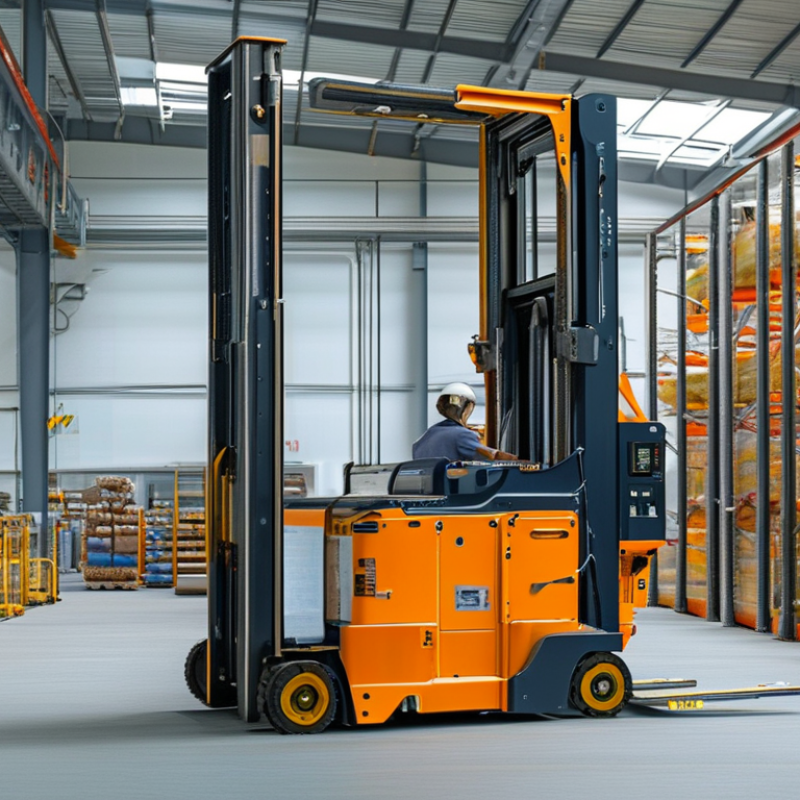
Overview of Reciprocating Conveyor Lifts in Material Handling
Reciprocating conveyor lifts play a pivotal role in modern material handling. These systems efficiently move goods vertically within various industrial environments. They are designed to enhance productivity by allowing simultaneous vertical transportation across multiple floors. In fact, according to an industry report from the Material Handling Institute, such systems can increase operational efficiency by up to 30%.
There are several types of reciprocating conveyor lifts, catering to different needs. The enclosed reciprocating elevator offers protection for sensitive materials, ensuring safety and cleanliness. On the other hand, open-type reciprocating elevators facilitate easy access and quick loading. Chain-driven reciprocating elevators provide robust durability for heavy materials, while belt-driven models excel in lighter applications. Each system has its strengths, but choosing the right type requires careful consideration of specific operational demands.
Tips: Assess the material type before choosing a lift system. Heavy items might benefit from chain-driven models, while lighter goods may suit belt-driven options well. Ensure to analyze space restrictions and accessibility too. Regular maintenance can enhance longevity and performance, preventing unexpected downtime.
Key Features of Custom China Reciprocating Conveyor Lifts
In the realm of material handling, custom China reciprocating conveyor lifts have emerged as a crucial solution. Designed for efficiency, these systems ensure smooth vertical movement in warehouses and factories. This capability is essential for optimizing workflow and maximizing storage capacity.
Key features of these conveyor lifts include a compact design and high load capacity. Reports suggest that a well-designed system can handle loads up to 2000 kg. This feature is vital for businesses with heavy products. Furthermore, their modular designs allow for customization based on specific operational needs. Despite these advancements, some systems may have limitations, such as maintenance needs or operational complexity.
User feedback indicates that safety features are paramount when evaluating these lifts. Emergency stop buttons and overload protection are now standard. However, there’s room for improvement in user training and system adaptability. Using these lifts effectively requires an understanding of their mechanics. Overall, a well-informed approach can greatly enhance the reliability of reciprocating conveyor systems in challenging environments.
Benefits of Using Reciprocating Conveyor Lifts for Efficiency
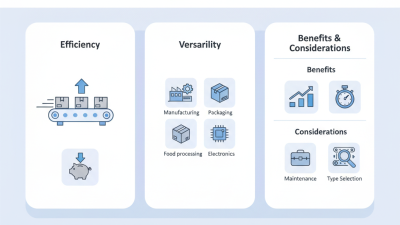
Reciprocating conveyor lifts are transforming material handling. These systems provide a reliable method for transporting goods vertically and horizontally. Efficiency is a primary benefit of using reciprocating elevators. They streamline operations, reducing wait times and enhancing productivity.
One crucial advantage is space optimization. By utilizing vertical and horizontal space effectively, businesses can maintain a smaller footprint. This leaves room for more storage or operational elements. Frequent maintenance is vital, though. Neglecting it can lead to inefficiency and increased downtime.
Tips: Regularly inspect moving parts. Address wear and tear promptly. Ensure staff is trained in safe operation procedures. Additionally, communication about load limits is key. Educating the workforce promotes safety and efficiency.
Choosing a trusted supplier for reciprocating conveyor lifts can further enhance reliability. Consider their experience and client feedback. Look for features that match your specific needs. Finding the right fit for your application can make all the difference.
Selecting the Right Supplier for Custom Conveyor Solutions
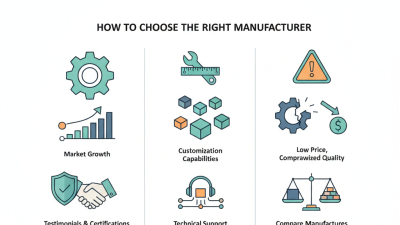
Selecting the right supplier for custom conveyor solutions can significantly impact your operation. Efficiency in material handling is crucial in today’s fast-paced industries. A reliable supplier understands this need and has the expertise to create tailored solutions. They should possess knowledge of various materials and application requirements. Look for suppliers with a proven track record in design and installation. Real-world experience showcases their reliability and capability to innovate.
Quality matters, but so does communication. Ensure the supplier is open to collaboration. This can lead to better understanding of your unique challenges. Ask for references or case studies that highlight their past successes. This builds confidence in their ability to deliver. Don’t overlook the importance of after-sales support. A great supplier doesn't just sell equipment; they provide ongoing assistance.
Reflect on your priorities when evaluating suppliers. Cost is essential, but so are quality and service. Balancing these factors is not always straightforward. Strive for clarity in your requirements and expectations. Remember, choosing poorly can lead to delays or lost productivity. Make your decision carefully, ensuring it aligns with your goals.
Quality Standards and Certifications for Conveyor Lifts
Quality standards and certifications play a crucial role in selecting conveyor lifts for material handling. Whether it's a motor-driven elevator or a pneumatic reciprocating elevator, adherence to rigorous standards ensures reliability. Enlightened manufacturers prioritize safety and efficiency, but not all meet these expectations. It's essential to evaluate the certifications they hold, such as ISO or CE, which reflect their commitment to quality.
Understanding the distinctions between designs is vital. For instance, a servo reciprocating elevator offers precise control and energy efficiency. In contrast, a bottom-in top-out lifting mechanism may provide rapid deployment in tight spaces. Choosing the right model requires careful consideration of the application's demands and the company's history in the industry. Sometimes, organizations overlook detailed specifications, resulting in misalignment with their operational goals.
Furthermore, keeping abreast of technological advancements is necessary. Features in modern conveyor lifts can enhance productivity, yet they should not compromise safety. Regular maintenance is often overlooked. This can lead to performance degradation and increase the risk of breakdowns. Before making a decision, companies must reflect on their long-term needs and the service history of potential suppliers.
Case Studies: Successful Implementations of Custom Conveyor Lifts
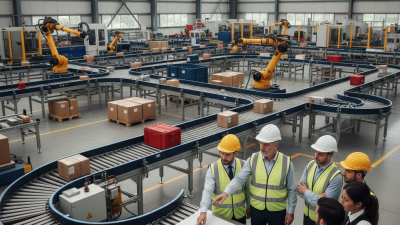
Custom conveyor lifts have transformed material handling in various industries. One notable case involved a manufacturing facility struggling with space constraints. They needed an efficient solution to streamline their production lines. By implementing a customized reciprocating lift, they maximized vertical space. The lift's design enabled easy access to upper levels, enhancing workflow and productivity.
Another example comes from a logistics company facing delivery challenges. They frequently dealt with heavy packages requiring manual handling. The integration of a tailored conveyor lift reduced labor costs and increased efficiency. Employees reported less fatigue, leading to a safer work environment. This shift not only improved operational flow but also increased employee satisfaction.
However, implementing custom solutions can have its hurdles. Companies often encounter unforeseen technical issues or resistance to new processes. Regular assessment and feedback from staff are crucial. Continuous improvement helps in optimizing these systems. Balancing innovation with practicality is essential for long-term success in material handling.
Efficiency of Custom Conveyor Lifts in Material Handling
Future Trends in Material Handling and Conveyor Technology
The future of material handling is rapidly evolving, driven by advancements in technology. Companies are looking for efficient solutions, such as the Reciprocating Lift, to move materials seamlessly. Automation and smart systems are becoming essential. They enhance precision and reduce human error. These developments promise improved workspace safety and productivity.
Tips: Regular maintenance is crucial for any lifting equipment. Schedule checks to ensure optimal performance and longevity. Don’t overlook employee training. Workers need to understand how to operate machines safely and efficiently.
The integration of AI and IoT in conveyor systems shows great potential. Real-time monitoring can detect issues before they escalate. This proactive approach minimizes downtime and improves logistics performance. However, relying heavily on technology poses risks. Cybersecurity threats can disrupt operations. Therefore, it’s important to establish robust security measures alongside technological upgrades.
Tips: Always back up data to prevent loss. Conduct audits on your cybersecurity regularly. Investing in employee training about tech systems can significantly enhance overall performance.
FAQS
: They improve efficiency by transporting goods vertically and horizontally, reducing wait times and enhancing productivity.
They effectively utilize vertical and horizontal space, freeing up room for storage or operations.
Neglecting maintenance can cause inefficiency and increased downtime, affecting overall operations.
Training should cover safe operation procedures and communication about load limits to promote safety.
Look for suppliers with a proven track record, industry experience, and a willingness to collaborate on solutions.
Ongoing assistance ensures that equipment functions properly and helps address any challenges that arise post-installation.
Automation, AI, and IoT integration are becoming essential for improving precision and reducing human error.
Cybersecurity threats pose significant risks that can disrupt operations, so robust security measures are necessary.
Schedule regular maintenance checks and train employees on safe operating practices to maintain optimal performance.
It’s important to reflect on cost, quality, and service, as choosing poorly can lead to delays and lost productivity.
Conclusion
The article provides a comprehensive overview of Reciprocating Conveyor Lifts and their significance in enhancing material handling efficiency. It highlights key features of custom-made models from China, including adaptability, capacity, and reliability, which cater to various industrial needs. The advantages of implementing Reciprocating Conveyor Lifts, such as improved workflow and reduced labor costs, emphasize their pivotal role in modern manufacturing and logistics.
Furthermore, the article guides readers in selecting the right supplier for custom conveyor solutions, stressing the importance of quality standards and certifications to ensure safety and performance. Through case studies illustrating successful implementations, the article demonstrates the tangible benefits these systems can offer. Finally, it discusses future trends in material handling and conveyor technology, setting the stage for continued innovation and efficiency in the sector.