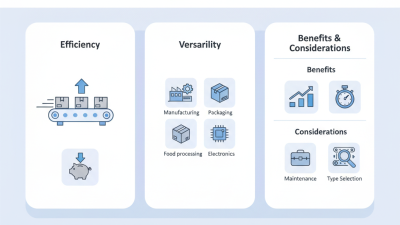
In the fast-changing world of manufacturing and logistics, picking the right Conveyor Chain Types can really make a difference in how smoothly things run. When you're looking at different suppliers, it’s super important to get a good feel for what they offer. Companies like Dongguan Huayu, for example, are well-known for their state-of-the-art Chain Conveyor solutions — they truly focus on quality and innovation.
There are all sorts of Chain Conveyors out there, like the Speed Multiply Chain Conveyor and Chain Assembly Line, each designed for specific jobs. Making the right choice here can really give your productivity a boost. But, honestly, jumping into a deal with a supplier without doing your homework might cause some headaches down the line. Trust and reliability are everything.
It’s also important to understand the differences between each type. For instance, a Single Row Chain Line is pretty straightforward and easy to work with, while a Double Row Chain Line can handle heavier loads. And don’t forget about Chain Drive Conveying Equipment — it’s a key player in any transport system. So, take your time, do your research, and find a supplier that actually fits your particular needs.
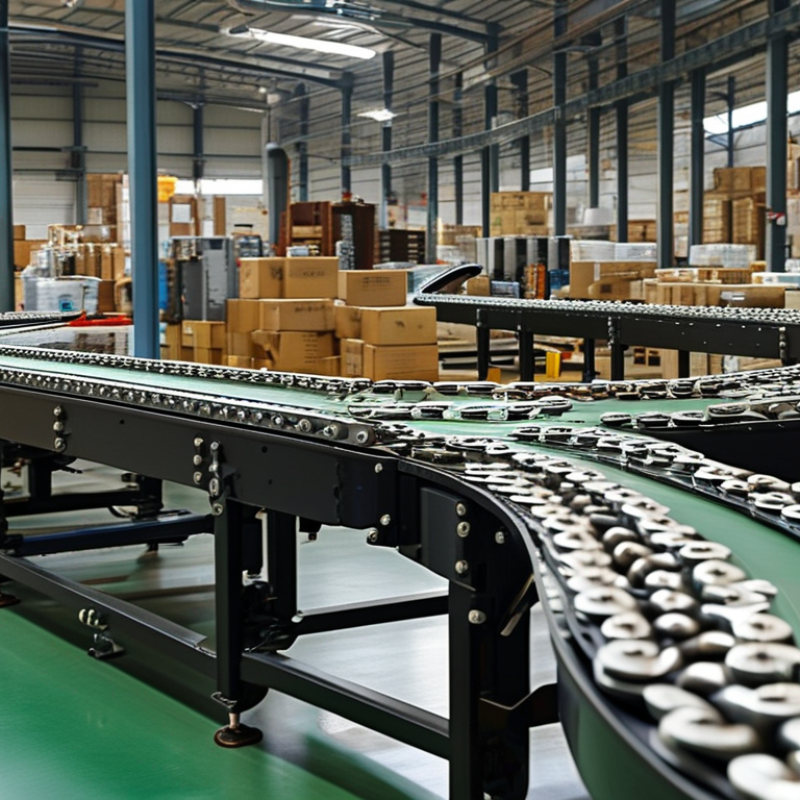
Top Custom Conveyor Chain Types in China: An Overview of Types
When exploring the custom conveyor chain types in China, it is crucial to understand their diverse applications. One popular option is the Roller Chain Conveyor. This design is particularly effective for handling heavy loads. Its versatility allows it to operate in various industrial settings, from manufacturing to food processing.
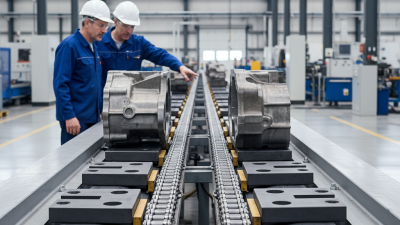
Another noteworthy type includes the Stainless Steel Chain Line. This option excels in environments where hygiene is a priority. Stainless steel offers durability and resistance to corrosion. Additionally, the Carbon Steel Chain Conveyor is widely used for its cost-effectiveness and strength. It works well in automotive and assembly line industries, although it might lack the longevity of stainless steel.
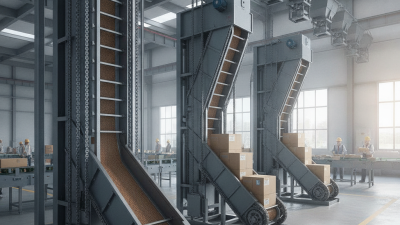
Innovative designs like the Straight Chain Line and Curved Chain Conveyor enhance the flow of materials. The Straight Chain Line is straightforward and efficient. In contrast, the Curved Chain Conveyor provides flexibility in space-limited areas. Inclined Chain Conveying systems are essential for moving products between different elevations. Each chain type presents unique advantages and potential drawbacks, making it essential to consider your specific needs. A thorough understanding of these options will facilitate better decision-making for your conveyor needs.
Key Suppliers of Custom Conveyor Chains in China: Market Analysis
In the competitive landscape of custom conveyor chains, China's market stands out prominently. Recent studies indicate that the custom conveyor chain market is projected to grow at a CAGR of over 4.5% from 2023 to 2030. Companies benefit from the country's extensive manufacturing capabilities and advanced supply chain logistics.
Key suppliers leverage technological advancements to enhance chain efficiency and durability. The adoption of new materials, such as high-strength alloy steels, results in improved performance. However, many suppliers face challenges in meeting quality standards consistently. Quality control remains a crucial consideration. The market reflects a diverse range of applications, from food processing to automotive industries.
While various suppliers offer innovative designs, not all can scale production effectively. Inconsistent delivery times and fluctuating material costs can hinder potential partnerships. Geographic factors also contribute to supplier reliability. Engaging with multiple suppliers could mitigate risks associated with single-source dependence. These contradictions highlight the importance of thorough market analysis when selecting suppliers in this dynamic industry.
Industry Standards for Conveyor Chains: ISO and ANSI Certifications
Conveyor chains play a critical role in various industries, including food processing and manufacturing. To ensure safety and efficiency, adhering to industry standards is essential. ISO and ANSI certifications set benchmarks for quality and performance. These standards help manufacturers create reliable conveyor systems, promoting trust among users.
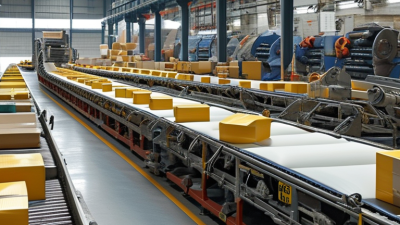
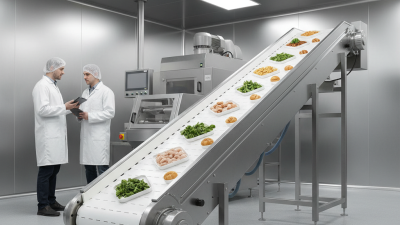
A focus on specific types of conveyor chains enhances operational effectiveness. For instance, food-grade stainless steel chain plates are designed for hygiene. Straight chain plate lines provide seamless transportation for packaged goods. Meanwhile, curved chain plate conveyors allow for efficient movement in tight spaces. Inclined chain plate conveyor lines are perfect for elevating products without risking damage.
The growing reliance on double-layer chain plate conveying equipment and heavy-duty slat chain machines reflects advancements in material handling. Suboptimal designs can cause breakdowns and delays. Thus, suppliers must maintain rigorous quality checks to avoid complications. Understanding these standards can help businesses select the most suitable conveyor solutions, ensuring they meet industry demands effectively.
Material Specifications for Conveyor Chains: Steel vs. Plastic Options
Choosing the right material for your conveyor chains can significantly impact efficiency and longevity. Stainless steel chain plates are often favored for their strength and resistance to corrosion. They are ideal for environments with high moisture or temperature fluctuations. Meanwhile, plastic options present a lightweight alternative, which can be beneficial for reducing wear on supporting structures.
When you consider a slat chain conveyor line versus a metal chain plate assembly line, think about the application. Metal chain plates excel in heavy-duty tasks, while plastic chains work well in food processing applications. Remember, each type comes with its pros and cons. There may be conditions under which a stainless steel chain plate might not perform optimally.
Tips: Always look for suppliers experienced in the specific type of conveyor you need. High-quality materials can save costs in the long run. Assess your operational requirements carefully. Whether you choose a top chain conveyor or a 304 stainless steel chain plate conveyor, ensure you review all specifications. Compatibility with your existing systems is crucial. You might find that one option over another reveals surprising limitations during testing.
Market Trends in Conveyor Chains: Demand Growth in Manufacturing Sectors
The manufacturing sector is experiencing a notable shift in demand for conveyor chains. This growth aligns with the rise in automation and efficiency requirements. As industries expand, they seek reliable and customized conveyor solutions. Each sector has unique needs, leading to diverse chain types and designs. The emphasis is on durability and performance.
One trend is the increasing adoption of lightweight materials in chain design. These materials can improve energy efficiency. However, some manufacturers may underestimate the trade-offs. Lightweight chains may not always provide the strength needed for heavy loads. Balancing weight and durability is crucial. Companies must assess their specific requirements carefully.
Moreover, innovations in conveyor chain technology are emerging. Smart chains embedded with sensors are gaining traction. This provides real-time data on wear and tear. Yet, many manufacturers lack the expertise to integrate these technologies effectively. The challenges lie in training staff and adapting existing systems to new solutions. The market is rapidly evolving, and staying informed is essential for success.
Top Custom China Conveyor Chain Types Suppliers You Should Know
| Chain Type |
Material |
Load Capacity (kg) |
Application Sector |
Market Growth Rate (%) |
| Roller Chain |
Steel |
500 |
Manufacturing |
5.2 |
| Flat Top Chain |
Plastic |
300 |
Food Industry |
4.8 |
| Waste Management Chain |
Galvanized Steel |
800 |
Environmental |
6.0 |
| Modular Plastic Chain |
High-Density Polyethylene |
400 |
Packaging |
5.5 |
| Endless Roller Chain |
Stainless Steel |
600 |
Automotive |
4.2 |
Comparative Analysis of Leading Conveyor Chain Manufacturers in China
In the competitive landscape of China’s conveyor chain manufacturing, several types stand out due to their durability and efficiency. For instance, the 3-speed chain is designed for versatility, functioning well across various applications. This chain can enhance production efficiency by enabling machinery to operate at multiple speeds. A recent industry report estimates that the demand for 3-speed tooling chains is expected to grow by 10% annually, reflecting its rising significance in modern assembly lines.
The triple speed conveyor chain is another noteworthy option. It specializes in heavy-duty applications, with manufacturers reporting that these chains can handle loads up to 50% more than traditional models. However, challenges remain. Some users have reported issues with wear and tear, particularly in high-load environments. This calls for careful selection and maintenance practices to ensure optimal performance.
Light-duty 3-speed chains are gaining attention as well, especially for applications in smaller facilities. Their design allows for effective material handling without excessive strain on machinery. On the flip side, the speed multiplier chain, while effective, requires precise engineering to avoid potential malfunctions. This industry illustrates the balance between innovation and reliability, pushing manufacturers to refine their products continually while addressing user concerns.
Best Practices for Selecting Custom Conveyor Chains for Your Business
When selecting custom conveyor chains, assessing the application is crucial. Consider the load capacity, ambient conditions, and the materials being transported. These factors influence chain design and durability. Each business has unique needs. Thus, a one-size-fits-all solution may not work.
Communication with suppliers is essential. Provide detailed specifications and requirements. Misunderstandings can lead to costly mistakes. Ask about their experience and past projects. This helps gauge their expertise. Reliable suppliers often share case studies or testimonials that reflect their capability.
Quality control is another aspect to consider. Chains undergo various stresses and must withstand wear over time. Inquire about the manufacturing process. Ask if they adhere to international standards. Be open about your budget but don’t compromise on quality. Cutting corners now may lead to significant expenses later. The right custom conveyor chain can enhance efficiency and minimize downtime.
FAQS
: Main types include Roller Chains, Stainless Steel Chains, and Carbon Steel Chains. Each serves different industries effectively.
They are durable and corrosion-resistant. This makes them ideal for places where hygiene is crucial, like food processing.
Straight Chain Conveyors operate efficiently in simple layouts. Curved Chain Conveyors offer flexibility in tight spaces, enhancing material flow.
These certifications ensure safety and quality. They help manufacturers create reliable systems that build trust with users.
Some users experience wear and tear in high-load situations. This highlights a need for careful maintenance and selection.
Yes, understanding your application and the chain's limitations is key. Poor choices can lead to breakdowns and costly delays.
They enhance production efficiency by allowing machinery to operate at multiple speeds. This versatility is becoming increasingly popular.
While effective, they require precise engineering. Miscalculations can lead to malfunctions and affect overall performance.
Heavier loads might need more robust chains. There’s a trade-off between durability and the risk of frequent replacements.
Rigorous quality checks prevent complications. They ensure that products meet industry demands and operate reliably in various settings.
Conclusion
The article "Top Custom China Conveyor Chain Types Suppliers You Should Know" provides a comprehensive overview of the various Conveyor Chain Types available in China. It highlights the key suppliers in the market, offering a detailed market analysis and insights into industry standards, including ISO and ANSI certifications. The article also explores material specifications, discussing the advantages of steel versus plastic options for different applications.
Additionally, it addresses current market trends, particularly the growing demand for conveyor chains in manufacturing sectors. A comparative analysis of leading manufacturers in China is included, along with best practices for selecting custom conveyor chains tailored to specific business needs. This information is essential for businesses looking to optimize their operations with the right Conveyor Chain Types.