When it comes to modern logistics and manufacturing these days, the Conveyor System really is a game-changer for handling materials efficiently. Big names like Siemens and Honeywell have poured a lot into developing these systems—they're setting industry standards with their innovations, proving both reliability and expertise.
A lot of companies tend to overlook just how many different types of conveyor belts are out there. Each one has its own perks and can really help you meet specific needs. For example, roller conveyors are great for heavier loads, while belt conveyors offer that extra bit of flexibility, letting you handle a variety of products. Industry folks usually recommend taking a good look at your operation before you pick the right system—no one-size-fits-all here.
That said, not every system is perfect out of the box. Some businesses struggle a bit trying to fit new conveyor types into their existing setups. And while regular maintenance is super important, it often gets pushed aside. Looking into these challenges can actually help you make smarter decisions down the line. Getting a good handle on the different kinds of Conveyor Systems can really make a difference in making your material handling smooth, efficient, and less stressful.
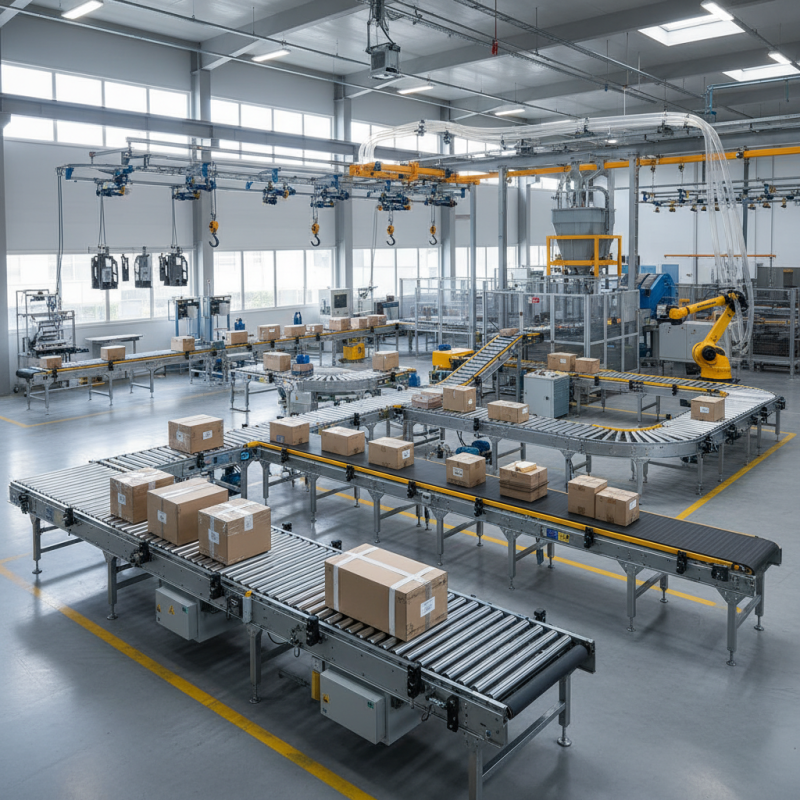
Understanding Conveyor Systems: A Comprehensive Overview
Understanding Conveyor Systems: A Comprehensive Overview
Conveyor systems play a crucial role in material handling across various industries. They transport goods efficiently, reducing manual labor. Your choice of conveyor type can significantly impact productivity and operational costs. Many factors come into play, such as the type of materials handled and space limitations. A careful analysis of operational needs is essential for selecting the right system.
When selecting a conveyor system, consider these tips. Assess the weight and size of the materials being transported. This can prevent breakdowns due to excess load. Additionally, evaluate the space available for installation. A compact design may be necessary in tight areas. It's vital to regularly maintain the conveyor system to ensure its longevity. Neglecting maintenance can lead to costly repairs later.
It's also important to note that choosing a conveyor system is not always straightforward. Misjudgments in selection can lead to inefficiencies. Understanding your specific needs takes time and effort. Continual research and feedback are vital for improving system performance. Always stay informed about advancements in conveyor technology and best practices.
Key Features of Efficient Material Handling Conveyor Systems
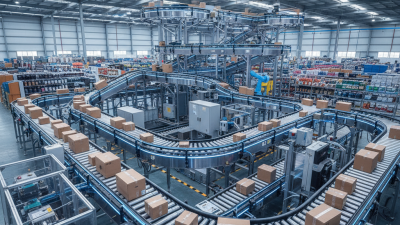
Efficient material handling is vital for any operation. A reliable conveyor system can greatly enhance productivity. These systems are designed to move items safely and quickly through various stages of manufacturing or fulfillment. One key feature is flexibility. A good system adapts to different product types and varying loads. This adaptability ensures smooth operations in diverse settings.
Durability is another essential characteristic. The materials used in conveyor systems, like steel or plastic, impact their lifespan. A robust system withstands daily wear and tear, requiring less frequent repairs.
Pu Conveyor systems are celebrated for their longevity. They provide a durable solution for transporting materials while ensuring minimal maintenance.
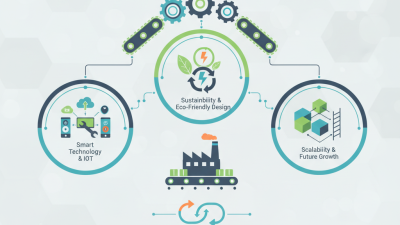
Moreover, energy efficiency cannot be overlooked. Systems that consume less power reduce operational costs significantly. Smart technology integration allows for better monitoring. However, technology can be a double-edged sword. It may introduce complexities that require specialized training. Understanding these challenges is necessary for effective implementation. Balancing reliability and innovation remains a constant pursuit in the industry.
Types of Conveyor Systems: A Detailed Classification
Conveyor systems play a crucial role in material handling across various industries. Consequently, understanding the types of conveyor systems can help optimize workflow and improve efficiency. For instance, research indicates that nearly 70% of manufacturing facilities utilize conveyor systems to streamline operations. Each type serves a unique purpose and application, allowing businesses to choose the most suitable option.
One prominent type is the
Pvc Conveyor
, known for its versatility and durability. These systems are ideal for transporting lightweight and bulk materials. They are often found in food processing and packaging sectors. However, the efficiency of a PVC conveyor can be influenced by factors such as load capacity and belt speed. Reports suggest that improper selection can lead to bottlenecks in the system, affecting overall productivity.
In addition to PVC conveyors, belt conveyors, and roller conveyors offer distinct advantages. Belt conveyors are excellent for high-volume applications, while roller conveyors provide flexibility. Yet, the choice of conveyor system should not be taken lightly. Operational costs and maintenance requirements must also be considered. Each industry can benefit from a thorough evaluation of their specific needs before implementation.
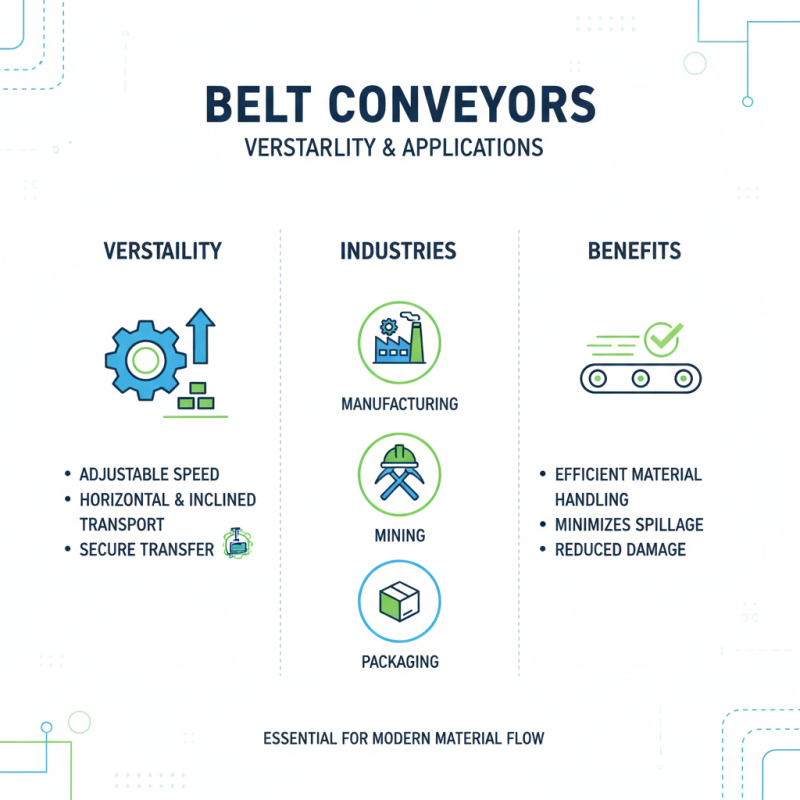
Belt Conveyors: Versatility and Applications
Belt conveyors are a vital part of material handling systems. They offer versatility across various industries. Whether in manufacturing, mining, or packaging, these conveyors cater to different needs. Their adjustable speed and ability to transport materials horizontally or at inclined angles make them practical solutions. The design of a belt conveyor ensures secure material transfer. This minimizes the risk of spillage and damage.
However, not all belt conveyors are the same. Different designs can accommodate specific materials, from bulk loads to delicate components. A common challenge is wear and tear. Over time, belts can stretch and wear out, leading to inefficiencies. Regular maintenance is crucial to avoid breakdowns. Operators must also consider the load size and weight. This ensures the conveyor operates within its limits.
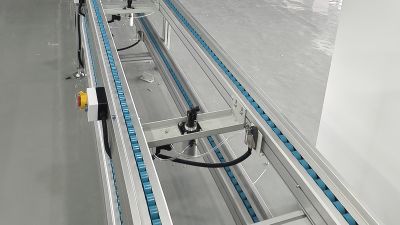
The Line Conveyor variant provides a more specialized function. It is highly effective in assembly lines where space is limited. Its streamlined design helps in optimizing workflow. Despite its advantages, line conveyors may present challenges in flexibility. Adjustments for different products can require extra planning. Efficient use of belt conveyors, including line conveyors, demands attentive management and continuous improvement.
Roller Conveyors: Efficiency in Heavy Loads
Roller conveyors are essential for efficiently handling heavy loads in various industries. Their structure consists of a series of rollers, allowing items to move with minimal resistance. This design enables businesses to transport goods seamlessly, whether it’s boxes, pallets, or bulky materials. These systems are particularly beneficial in warehouses, manufacturing plants, and distribution centers.
One of the standout features of roller conveyors is their adaptability. They can be installed on different inclines and configurations, tailored to fit the specific needs of the operation. However, improper alignment or maintenance can lead to malfunctioning. Regular checks are crucial to avoid costly downtime. Weight capacity is another concern; overloading can cause rollers to warp or jam. Workers must be trained to load these systems correctly.
While roller conveyors provide significant efficiency, they also pose potential safety risks. Operators need to be aware of pinch points and the importance of wearing proper safety gear. Safety measures can always be improved. By addressing these challenges, organizations can enhance the reliability and performance of their roller conveyor systems.
Screw Conveyors: Ideal for Bulk Materials
Screw conveyors are highly effective for moving bulk materials across various industries. Their design allows for the efficient transfer of granular or powdery substances. These conveyors consist of a helical screw that rotates within a trough or tube. The motion moves the material forward, making it ideal for continuous operations.
One of the main advantages of screw conveyors is their versatility. They can handle a wide range of materials, from grains to recycling components. Their enclosed design minimizes dust and spillage, enhancing workplace safety and cleanliness. However, they may struggle with sticky or wet materials, causing jams that reduce efficiency. Proper maintenance is crucial to avoid these issues and ensure reliable operation.
Selecting the right screw conveyor requires careful consideration. Factors like material type, flow rate, and environmental conditions matter significantly. While screw conveyors excel in many scenarios, ongoing monitoring and adjustment are essential for optimal performance. Understanding these factors can lead to improved productivity and reduced costs in material handling.
Chain Conveyors: Durability and Reliability
Chain conveyors are notable for their durability and reliability in material handling systems. They excel in transporting heavy loads over long distances. The robust construction allows them to withstand harsh environments, such as high temperatures and abrasive materials. Industries often choose chain conveyors for their ability to handle products with irregular shapes and sizes. This flexibility makes them suitable for a variety of applications.
However, challenges can arise with chain conveyor systems. Regular maintenance is essential to ensure optimal performance. Neglecting maintenance can lead to breakdowns and decreased efficiency. Moreover, the initial installation costs can be higher compared to other conveyor types. Some users may find the noise levels troubling in quiet environments. While chain conveyors are reliable, they require careful planning and regular checks.
In addition to chain conveyors, Mesh Conveyors offer alternatives for specific needs. They provide excellent airflow and cooling for items like baked goods or delicate products. The choice between these systems depends on various factors. Evaluating load requirements and environmental conditions is critical for making the right decision. Both systems have their strengths and limitations, highlighting the importance of thorough research.
Pneumatic Conveyors: Innovation in Material Movement
Pneumatic conveyors have transformed material handling in various industries. These systems use air pressure to move bulk materials efficiently. Recent industry reports indicate that pneumatic systems can reduce material damage by 30% compared to traditional conveyors. This capability is essential for fragile items like powders and granules.
The versatility of pneumatic conveyors adds to their appeal. They can transport materials over long distances and through complex pathways. This flexibility allows manufacturers to optimize their layouts while maintaining efficiency. However, potential challenges exist. Maintaining air pressure is crucial, and leaks can lead to significant energy loss. Moreover, the initial setup costs can be high, which requires careful consideration and planning.
Research shows that pneumatic systems account for about 15% of total conveyor usage in factories. As industries push for automation, the demand for efficient material movement systems will likely grow. Companies must weigh the benefits against potential drawbacks. While pneumatic conveyors offer innovative solutions, every installation should be thoroughly assessed to maximize operational efficiency.
Top 10 Conveyor System Types for Efficient Material Handling
| Conveyor Type |
Description |
Common Applications |
Advantages |
Disadvantages |
| Belt Conveyor |
Uses a continuous belt to transport materials |
Mining, manufacturing, and distribution |
Versatile and cost-effective |
Limited ability to handle heavy loads |
| Pneumatic Conveyor |
Moves materials through air pressure |
Food processing, plastics, and chemicals |
Gentle handling and enclosed system |
High energy consumption |
| Roller Conveyor |
Utilizes rollers for moving goods |
Warehouse and packaging |
Efficient for heavy and regular-shaped items |
Not suitable for uneven items |
| Chain Conveyor |
Uses chains to drag items along a track |
Automotive and heavy industries |
Great for heavy loads |
High maintenance costs |
| Magnetic Conveyor |
Uses magnets to hold ferrous materials |
Metalworking and recycling |
Secure handling of metal parts |
Limited to ferrous materials |
| Elevating Conveyor |
Transfers materials vertically |
Food, packaging, and manufacturing |
Space-saving design |
Higher cost and complexity |
| Bucket Conveyor |
Conveys bulk materials using buckets |
Agriculture and mining |
Ideal for granular and bulk materials |
Limited speed |
| Screw Conveyor |
Moves materials through a helical screw |
Food, agriculture, and chemicals |
Handles mixed materials |
Potential for blockages |
| Z Bucket Conveyor |
Z-shaped design for vertical and horizontal movement |
Food processing |
Efficient space use |
Complex installation |
Factors Influencing the Selection of Conveyor Types
When selecting the type of conveyor system, various factors come into play. Understanding these factors can significantly enhance material handling efficiency. One crucial consideration is the weight and type of materials being transported. For instance, a report from the Material Handling Industry of America (MHIA) states that improper system selection can lead to a 20% increase in operational costs.
Another important element is the layout of the workspace. Space constraints often dictate the design and type of conveyor. A well-optimized conveyor layout can reduce cycle times by up to 30%. Furthermore, the flexibility of a conveyor system is vital. For example, modular systems can easily accommodate changes in the production process. According to industry experts, companies often overlook these aspects, leading to ineffective material flow.
Additionally, maintenance requirements can influence the choice of a conveyor system. Some systems demand more upkeep than others. Research indicates that systems requiring frequent maintenance can lead to a 15% longer downtime. This impacts overall productivity. These considerations remind us of the complexity of choosing the best conveyor system for specific needs.
Optimizing Productivity with the 2.5X Speed Chain Conveyor: A Guide to High-Speed Automated Assembly Solutions
The 2.5X speed chain conveyor represents a significant advancement in automated assembly solutions, particularly in sectors relying on high-speed operational efficiency. This conveyor system is specifically designed to handle the demands of large-scale manufacturing, such as electronics, home appliances, and automotive components. Its unique transmission structure enables a coordinated increase in speed and precision, allowing for rapid material flow and accurate stopping at workstations. By integrating such a system, manufacturers can enhance their production capabilities while maintaining the quality and consistency required in mass assembly.
Moreover, the 2.5X speed chain conveyor is engineered to seamlessly integrate with other automated equipment, facilitating lifting, transferring, and testing processes. This versatility not only streamlines operations but also meets the critical assembly requirements inherent in high-speed, standardized production lines. The ability of this conveyor to operate efficiently within a fully automated environment promotes a more cohesive workflow, ultimately leading to improved productivity and reduced operational downtime. As manufacturers seek to optimize their assembly lines, the adoption of high-speed automated solutions like the 2.5X speed chain conveyor becomes essential in staying competitive in today's fast-paced market.
FAQS
: Common types include PVC, belt, roller, chain, mesh, and pneumatic conveyors. Each suits different material handling needs.
They handle lightweight and bulk materials and resist wear, ideal for food packaging and gentle transport.
Chain conveyors need regular upkeep to avoid breakdowns. Neglect can reduce efficiency and increase noise.
They use air pressure, lowering damage by 30% for delicate items like powders and granules.
Yes, initial costs can be high. Air pressure maintenance and leaks also add complexity and energy loss.
For good airflow and cooling, especially for baked goods or delicate products needing ventilation.
Load capacity, environment, maintenance cost, noise, and space layout are all critical for good choice.
Absolutely. Wrong type or poor planning may cause bottlenecks and lower overall performance.
No, each industry and application requires tailored evaluation for optimal efficiency.
Conveyor systems need adjustments and maintenance to keep performance and avoid costly failures.
Conclusion
Conveyor systems play a crucial role in efficient material handling across various industries. They streamline the movement of goods, enhancing productivity and reducing manual labor. This comprehensive overview outlines the key features that make conveyor systems efficient, such as their ability to minimize downtime and adapt to diverse applications.
The article classifies different types of conveyor systems, including belt conveyors, roller conveyors, screw conveyors, chain conveyors, and pneumatic conveyors. Each type has unique advantages: belt conveyors are versatile, roller conveyors handle heavy loads efficiently, screw conveyors are ideal for transporting bulk materials, chain conveyors offer durability, and pneumatic conveyors represent innovative solutions for material movement. Ultimately, the selection of the appropriate conveyor system depends on various factors, including the nature of the materials being handled and operational requirements.