Picking the right Rolling Conveyor supplier isn’t just about who has the best price — it actually impacts how smoothly things move, safety, maintenance hassle, and long-term costs. In this guide, we’ll take a look at ten well-known companies that serve markets all over the globe. We consider stuff like their product ranges, engineering skills, service reach, and their track record in the industry. Keep in mind, these rankings aren’t set in stone — they’re more like a snapshot that can change depending on your specific needs. Companies like Dorner, Interroll, Hytrol, FlexLink, Daifuku, mk North America, and Ultimation Industries are usually on the list, but there’s no one-size-fits-all here.
When you start evaluating options, it all begins with what you actually need the conveyor for. Imagine moving boxes across steel rollers in a warehouse — that’s pretty straightforward. But if you’re handling delicate products, you might need a more controlled approach. Some important details to think about are load capacity, roller size, the frame’s build quality, conveyor width, how fast it runs, and whether you need it to handle accumulation (like waiting in line). Don’t forget about how the conveyor will fit into your overall system — controls, sensors, safety guards, and warehouse management software all play a role in ensuring everything works perfectly together. Honestly, a Rolling Conveyor should be tailored to your process — not just fill up space on the floor.
A good starting point is to look at product specs, installation guides, case studies, and support info from each supplier. Whenever possible, try to match up the technical details with real-world, everyday use. Here’s the thing — support matters a lot. Imagine a bearing fails during one of your busiest shifts — having local, responsive support can make all the difference. Nobody’s perfect, and even top brands might fall short in certain regions where service isn’t easily accessible. Plus, your needs can be totally different whether you’re working with food, parcels, cars, or just general warehousing. So, before you make a final call, double-check current models, certifications, lead times, and total ownership costs. It’s easy to overlook this last part, but skimping on it can cause issues later on.
Defining Rolling Conveyor Systems and Their Industrial Applications
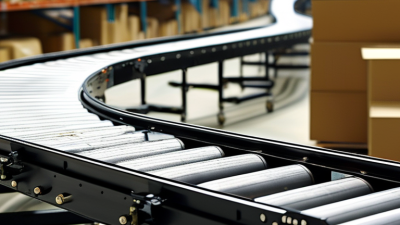
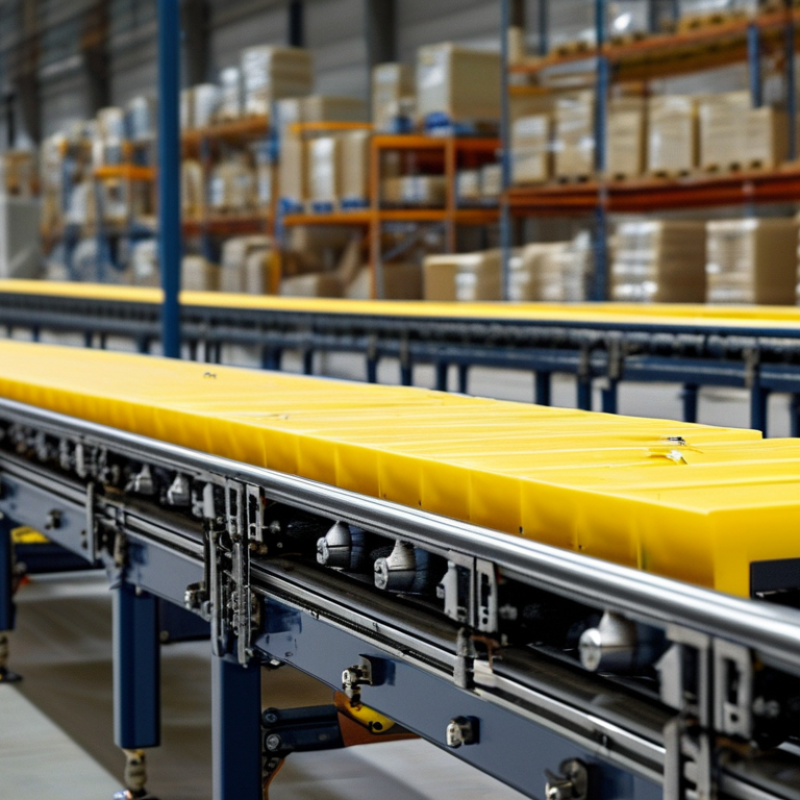
Rolling conveyor systems move products through facilities using rollers, frames, drives, and control components. Some rely on gravity, while powered models maintain steady movement across longer routes. A Rolling Belt Conveyor places a continuous belt over rollers, supporting cartons, totes, or irregular packages. Its surface offers smoother handling than exposed rollers. This matters in sorting, packaging, assembly, and warehouse transfer areas.
Industrial applications vary with load size, speed, and workplace conditions. Distribution centers use these systems to connect storage zones with dispatch stations. Manufacturing plants may position them beside inspection benches or robotic work cells.
A 30-meter line can reduce manual carrying, but poor alignment creates noise, belt drift, and product damage. Practical plant reviews often reveal another issue: equipment chosen for peak capacity may waste energy during normal shifts. That decision deserves a second look.
Tips: Check the heaviest load, package dimensions, and required speed before selecting equipment. Measure the available floor space, including service access and emergency walkways. Specify guarding, sensors, and accessible stop controls during the design stage.
Inspect rollers, bearings, belt tension, and frame joints on a scheduled basis. Keep spare wear parts available. Small delays become expensive quickly.
Test the conveyor with real cartons, not only empty runs. An empty belt can hide slipping, uneven loading, and awkward operator reach. Suppliers should provide clear technical data, installation guidance, and maintenance records that support dependable long-term operation.
Key Features Used to Compare Global Conveyor System Suppliers
When comparing global Conveyor Systems suppliers, buyers should measure more than quoted price. The market reached about USD 9.46 billion in 2023, with a projected 5.1% CAGR through 2030, according to Grand View Research’s 2024 report. This growth increases the value of careful supplier screening. A practical comparison starts with load capacity, roller diameter, belt speed, frame strength, and available conveyor widths. For a warehouse moving cartons, the system should handle peak loads without visible frame vibration. Suppliers should also provide tested throughput figures, not only theoretical maximum speeds.
Controls and safety deserve equal attention.
Compare sensor accuracy, emergency-stop access, guarding, noise levels, and integration with warehouse software. The 2024 MHI Annual Industry Report found that 55% of supply chain professionals planned to increase technology investment. That figure supports demand for connected systems, but connectivity alone does not prove operational value. Ask for energy data at normal load, maintenance intervals, spare-parts availability, and technician response times. A supplier with clear installation records and documented testing is usually easier to trust.
Total cost matters more than the first invoice.
Review five-year energy use, belt or roller replacement, training, and downtime assumptions. No scorecard is perfect. Site conditions often expose weaknesses that brochures hide. I would request a live demonstration using similar cartons and realistic accumulation spacing. Then compare warranty limits, local support, and change-order rules. Reports provide useful market context, yet hands-on evidence should carry greater weight.
Top 10 Rolling Conveyor Systems Suppliers Worldwide
Top 10 Rolling Conveyor Systems Suppliers Worldwide
Choosing among the top 10 rolling conveyor systems suppliers worldwide requires more than comparing prices. A reliable supplier studies product weight, package shape, speed, floor space, and cleaning needs. Start with the load. These details determine roller spacing, frame strength, drive selection, and emergency stopping performance. Slat Conveyor Systems may suit products that need stable support during filling, indexing, or gentle transfers.
Experienced suppliers provide layout drawings, load calculations, installation guidance, and accessible maintenance instructions. Ask for test records, material certificates, and clear warranty conditions. A serious technical team should explain noise levels, belt tracking, sensor placement, and spare-part availability without using vague promises. Factory visits or practical demonstrations can reveal weld quality, guarding gaps, and difficult service points.
Small details matter. A conveyor may run smoothly in a showroom but struggle with dust, moisture, uneven pallets, or frequent starts. I would request a trial using the actual product whenever possible. No supplier is perfect, and rankings can hide important differences between local support and global capacity. One weakness remains easy to miss: a low purchase price may create higher cleaning, downtime, or training costs later. Review references from facilities with similar loads, temperatures, and production schedules before approving a worldwide supplier.
Product Categories and Customization Options Offered by Leading Suppliers
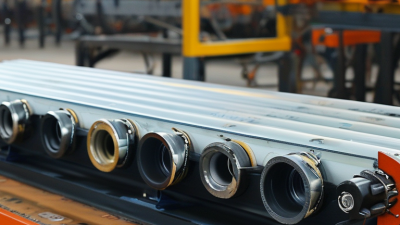
Rolling conveyor systems now cover more than basic carton movement. Common categories include gravity roller, powered roller, belt, chain, pallet, accumulation, flexible, and spiral conveyors. Each suits a different task. Belt systems handle irregular packages well. Roller systems support totes, cartons, and pallets with predictable bases. Accumulation conveyors create temporary buffers near packing stations. Spiral units save floor space when products move between levels.
Customization separates capable suppliers from catalogue sellers. The best options include adjustable widths, variable speeds, stainless-steel frames, low-noise drives, and modular sections. Sensors can detect gaps, jams, and product presence. Controls may connect with warehouse management systems or robotic cells. A 2024 MHI Annual Industry Report found that 55% of surveyed supply-chain professionals already use robotics and automation. It also reported strong intentions to increase automation investment. That demand makes integration expertise increasingly important.
Sizing still requires practical judgment. A conveyor carrying 10-kilogram cartons needs different rollers than one moving lightweight polybags. Operators should examine load dimensions, throughput, incline angles, cleaning routines, and available maintenance space. The Conveyor Equipment Manufacturers Association publishes engineering guidance for load ratings and conveyor safety. However, published specifications do not replace a site survey. A compact design may look efficient, yet poor transfer spacing can cause carton tipping and repeated stoppages. That detail is easy to miss.
Industries Served by Major Rolling Conveyor System Manufacturers
Rolling conveyor system manufacturers serve demanding industries, not just warehouses. Automotive plants use slat and chain conveyors to move engines, stamped panels, and battery housings between fixed workstations. The International Federation of Robotics reported 541,302 industrial robots installed worldwide in 2023. This growth increases the need for accurate conveyor timing, guarded transfer points, and repeatable pallet positioning.
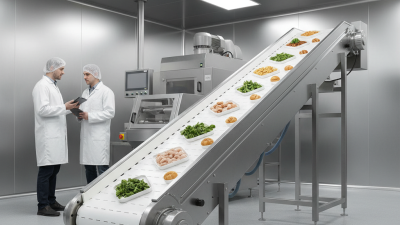
Food and beverage facilities require stainless construction, washdown resistance, and simple sanitation access. A conveyor carrying filled bottles may run continuously beside wet floors and frequent cleaning cycles. Pharmaceutical manufacturers demand controlled environments, traceability, and low-particle operation. Even a small lubricant leak can threaten production quality. That assumption is often wrong.
Parcel, e-commerce, and third-party logistics sites prioritize speed, sortation accuracy, and flexible layouts. Chain Conveyor Systems suit heavier totes, pallets, and harsh production zones, while roller designs handle cartons with lower friction. Mining, agriculture, and building-material plants need stronger frames and protection from dust, vibration, and uneven loads. The 2024 MHI Annual Industry Report identifies automation as a central investment priority for supply-chain organizations, reinforcing this cross-industry demand. However, report averages can hide local realities. A system designed for a clean warehouse may fail beside a furnace, freezer, or high-pressure wash station. Specification teams should verify load weight, duty cycle, temperature, cleaning method, and maintenance access before selecting a supplier.
How to Select the Right Rolling Conveyor Supplier for Your Business
Top 10 Rolling Conveyor Systems Suppliers Worldwide
Selecting the right rolling conveyor supplier starts with your operating reality. Measure product weight, carton dimensions, hourly volume, travel distance, and floor conditions. A supplier should calculate capacity from actual data, not attractive catalog figures. In practical warehouse evaluations, small details matter. Wheel spacing can affect carton stability, while poor frame alignment creates noise and jams.
The 2024 Annual Industry Report from a leading material-handling association and consulting partner found that 55% of supply-chain leaders planned to increase technology investment. This signals stronger demand for scalable systems. However, automation is not always the best answer. Ask whether the supplier offers modular extensions, spare parts, safety documentation, and responsive technical support. Request references from facilities with similar loads and working temperatures. Total cost includes installation, energy, maintenance, training, and downtime. The cheapest quotation may become expensive after six months.
Tips:
Compare at least three technical proposals. Test your smallest and heaviest cartons. Check bearing quality and roller replacement time. Confirm delivery dates in writing. Ask for a maintenance schedule. Also, challenge the supplier’s assumptions. Your forecast may be wrong, and that is worth admitting early. A dependable partner will explain limitations instead of promising perfect performance. Forecast growth for three years, but avoid buying unused capacity today.
PMMI & Interact Analysis Industry Reports: 3X Speed Double Speed Chain Conveyors for Electronics & Automotive Assembly
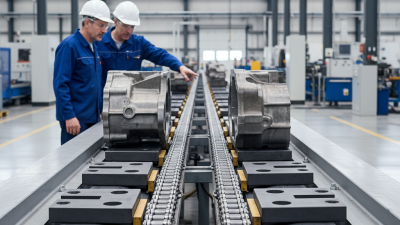
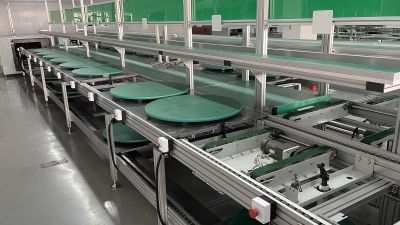
The PMMI and Interact Analysis industry reports highlight a clear manufacturing priority: higher throughput, reduced manual handling, and flexible automation for electronics and automotive assembly. In this environment, 3X speed double-speed chain conveyors provide an efficient material-flow solution. Their speed-increasing transmission structure allows tooling plates to move faster than the chain, supporting rapid circulation while maintaining controlled positioning at each workstation.
For electronics assembly, this configuration helps connect inspection, testing, lifting, and transfer operations within compact, standardized lines. Precise stopping is particularly valuable when components require accurate placement or automated testing. In automotive parts production, the conveyor supports high-cycle operation and consistent delivery between assembly stages, helping manufacturers improve line balance and reduce unnecessary waiting time.
The reports also emphasize the growing role of integrated, data-driven automation rather than isolated equipment. A 3X speed conveyor can be equipped with sensors, programmable controls, and modular fixtures to coordinate with robots and other production machinery. Its asynchronous chain-and-tooling movement combines high-speed transport with dependable workstation accuracy, making it suitable for scalable production lines where uptime, repeatability, and seamless process connection directly influence manufacturing performance.
FAQS
It moves products through a facility using rollers, frames, drives, and controls. Some systems use gravity, while powered systems provide steady movement.
A continuous belt runs over rollers and supports cartons, totes, and irregular packages. Its smooth surface can reduce product shifting during transfer.
Distribution centers connect storage zones with dispatch stations. Manufacturing plants place them near inspection benches, packing areas, and robotic work cells.
Check the heaviest load, package size, required speed, floor space, and service access. Include emergency walkways. Small details matter.
Belt conveyors usually handle irregular packages more smoothly. Roller conveyors work well with cartons, totes, and pallets with stable bases.
Adjustable widths, variable speeds, sensors, modular sections, and low-noise drives support different workflows. Controls may connect with inventory software or robotic equipment.
Empty testing may hide belt slipping, uneven loading, and awkward operator reach. Test with real cartons. That assumption can fail.
Inspect rollers, bearings, belt tension, and frame joints on schedule. Keep spare wear parts available, and maintain clear service records.
Not necessarily. A 30-meter line may reduce manual carrying, but poor alignment can create noise, belt drift, and damaged products.
Choosing equipment only for peak capacity may waste energy during normal shifts. Transfer spacing can also cause carton tipping and repeated stoppages.
Conclusion
Rolling Conveyor Systems are essential material-handling solutions designed to move products, packages, and components efficiently across warehouses, distribution centers, manufacturing plants, and other industrial environments. This article explains how these systems work, including gravity, powered, flexible, and specialized configurations, while highlighting their applications in transportation, sorting, assembly, storage, and order fulfillment. It also examines the key factors used to compare suppliers, such as load capacity, conveyor dimensions, operating speed, energy efficiency, durability, safety features, installation support, and after-sales service.
The overview introduces ten leading global suppliers without focusing on brand promotion, emphasizing the product categories and customization options available across the market. Readers will learn how major manufacturers serve industries such as logistics, retail, food processing, automotive, pharmaceuticals, and manufacturing. Finally, the article provides practical guidance for selecting the right supplier by evaluating workflow requirements, facility space, integration capabilities, maintenance needs, budget, scalability, and long-term reliability.