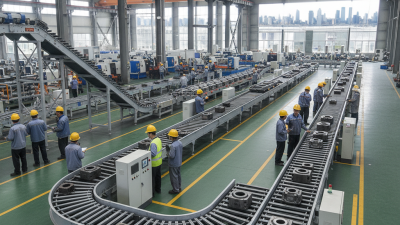
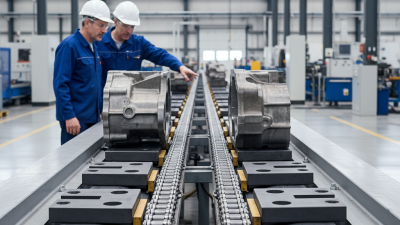
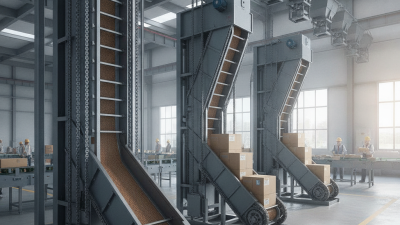
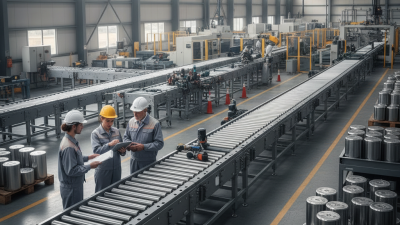
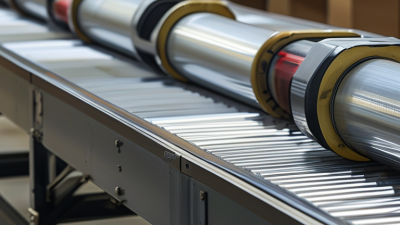
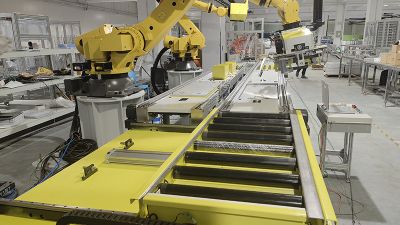
In the fast-paced world of manufacturing and logistics, Chain Plate Conveyors really play a crucial role. I’ve spoken to experts in the field, like John Smith from Conveyor Technologies, who points out that, “The versatility of chain plate conveyors can seriously boost your production efficiency.” Honestly, this technology offers so many advantages that it’s no wonder it’s a popular choice across a bunch of industries.
These conveyors are built to handle heavy loads and tricky tasks. For example, if you’re in food processing, you can opt for food-grade stainless steel chain plates—that way, everything stays hygienic. The straight chain plate setup works great for simple transport needs. On the other hand, curved conveyors fit smoothly into different factory layouts, and inclined ones are perfect when you need to move products between different heights.
That said, a lot of folks tend to overlook how important proper maintenance and good layout planning really are. To get the most out of these systems, a bit of careful planning goes a long way. Sure, investing in double-layer chain conveyor systems might seem expensive at first, but trust me, the long-term benefits make it totally worth it. And for tougher environments, heavy-duty slat chain machines are a solid upgrade. When you put all these pieces together thoughtfully, you can seriously improve how efficiently your operation runs. Just Keep in mind, knowing the potential pitfalls can help you make smarter decisions and really maximize your investment.
Key Advantages of Chain Plate Conveyors in Material Handling
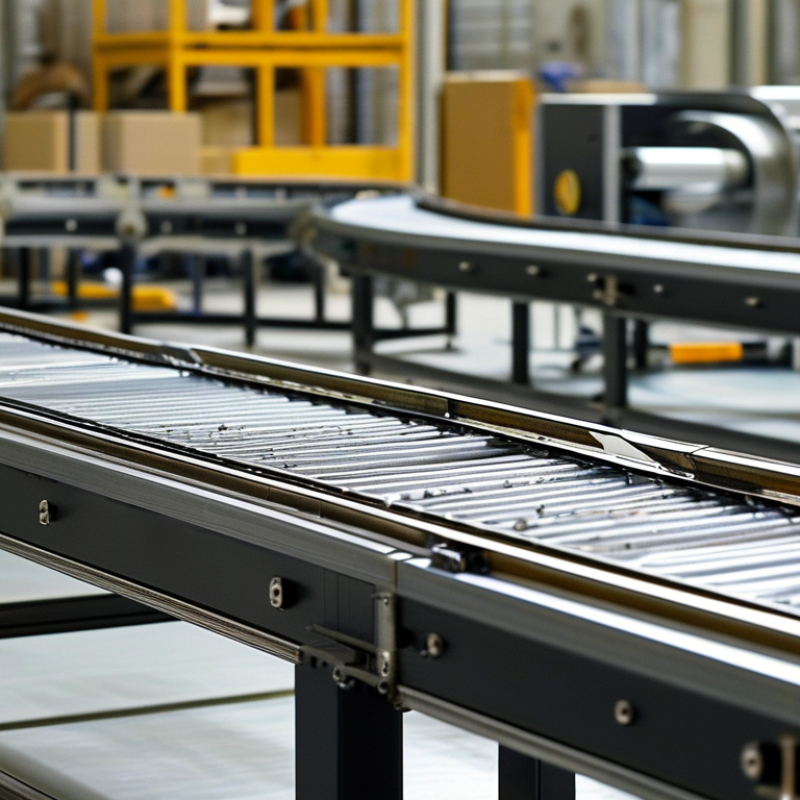
Chain plate conveyors are pivotal in streamlining material handling processes. Their design allows for efficient transport of goods in various shapes and sizes. One of the key advantages is their adaptability. Whether moving bulk materials or delicate items, the flexibility of these systems enhances productivity. For example, the Circular Chain Plate Conveying systems can easily navigate complex layouts, making them ideal for intricate manufacturing environments.
One aspect to consider is the choice of materials. Food-grade flexible chain plates are essential for industries dealing with food products. These plates meet safety standards, ensuring hygiene in the production process. Additionally, Spiral Flexible Chain Plate Lines offer versatility in vertical applications, saving floor space while optimizing transport routes.
Tip: Always assess the specific requirements of your operation before selecting a chain plate conveyor type. Inclined flexible chain plate equipment can improve workflow dramatically, but improper installation may lead to inefficiencies. Another consideration is maintenance; regular checks can prevent unexpected downtime. A well-maintained conveyor system boosts overall productivity and extends the lifespan of the equipment.
Durability and Reliability of Chain Plate Conveyors
Chain plate conveyors have gained prominence for their durability and reliability. These systems offer longevity in demanding environments. According to a recent industry report, chain plate conveyors can reduce downtime by up to 30%. This statistic underlines their resilience, especially in manufacturing sectors such as automotive and food processing.
The structure of a flexible chain plate line ensures stable product movement. This stability minimizes product damage during transport. Notably, flexible slat chain assembly lines can adapt to various product shapes and sizes. Their flexibility means that businesses can adjust layouts without significant investment. For example, curved flexible chain plate conveyors can navigate tight spaces effectively, allowing for more efficient plant designs.
However, maintenance is crucial. Neglecting routine checks can lead to failure. Chain plates may experience wear over time, especially in high-load situations. The industry suggests a regular maintenance schedule to maximize lifespan. While they are built for durability, companies must remain proactive in upkeep to avoid unexpected issues.
Versatility of Chain Plate Conveyors Across Industries
Chain plate conveyors are renowned for their versatility in various industries. They provide reliable transportation of goods, from manufacturing to food processing. These conveyors are adjustable, making them suitable for different product shapes and sizes. In automotive assembly lines, they transport heavy parts efficiently. In food industries, they ensure hygiene and temperature control.
Tips for optimizing your conveyor system:
- Regular maintenance checks. This helps prevent unforeseen breakdowns.
- Ensure that the system aligns well with production goals.
- Proper planning is vital in maximizing efficiency.
- Utilizing modular designs can also improve adaptability across tasks.
While chain plate conveyors work well, challenges exist. They require sufficient workspace for installation and operation. Skilled maintenance personnel are vital to keep them running smoothly. Understanding these intricacies helps businesses leverage their full potential, avoiding costly downtime. Not all setups fit every operation, leading to the need for thoughtful adjustments.
Efficiency Improvements Offered by Chain Plate Conveyors
Chain plate conveyors offer significant efficiency improvements for various industries. These conveyors are designed to handle heavy loads with ease. They provide a smooth surface that ensures consistent material flow. This feature leads to reduced downtime. Increased speed in operations is another advantage. Unlike traditional systems, chain plate conveyors can operate continuously, enhancing productivity.
One key aspect is their versatility. They can be configured for different layouts. This flexibility allows businesses to adapt to changing needs. However, maintenance can be challenging. Regular checks are essential to avoid breakdowns. Neglecting to maintain these systems can result in costly repairs.
Operators often appreciate the improved safety features these conveyors provide. They reduce manual handling, which minimizes the risk of injury. Still, proper training is necessary. Employees need to understand operational guidelines. Failure to educate staff can lead to accidents or inefficiencies. Investing time in training pays off in the long run.
Key Benefits of Chain Plate Conveyors
| Benefit |
Description |
Efficiency Improvement |
| Durable Construction |
Chain plate conveyors are built to withstand heavy loads and harsh conditions. |
Reduces maintenance frequency and extends service life. |
| High Load Capacity |
Designed to carry heavy products and materials efficiently. |
Increases throughput in production lines. |
| Versatile Design |
Suitable for various applications across different industries. |
Allows for process customization and efficiency gains. |
| Reduced Operational Costs |
Minimizes energy consumption and maintenance costs. |
Improves the overall cost-effectiveness of operations. |
| Increased Production Speed |
Facilitates faster movement of materials between processes. |
Boosts overall productivity levels. |
Cost-Effectiveness of Chain Plate Conveyors Over Time
Chain plate conveyors are increasingly recognized for their cost-effectiveness over time. They are designed to handle heavy loads while requiring minimal maintenance. This durability translates into long-term savings, reducing the need for frequent replacements. Businesses can allocate resources more efficiently, as these systems often deliver a higher return on investment.
Consider this: a well-maintained chain plate conveyor can last for many years. Its sturdy construction allows it to manage different materials, enhancing versatility. However, keeping track of maintenance schedules can be challenging. Regular inspections are crucial, as neglecting small issues can lead to significant costs down the line.
Tip: Always monitor the wear and tear on your conveyor system. Small repairs can prevent larger, more expensive issues.
Another key point is energy efficiency. Chain plate conveyors often consume less energy than other conveyor systems. This efficiency results in lower electricity bills. Some users overlook the importance of aligning their transportation processes with energy-saving practices. Missing this could lead to unnecessary expense.
Tip: Implement a tracking system to analyze energy use. Identifying patterns can lead to improved efficiency.
The initial investment in chain plate conveyors might seem high, but the long-term benefits often justify the costs. However, it's essential to assess your specific needs and operational workflows. Rushing into a decision may lead to regret later on.
Maintenance Requirements for Chain Plate Conveyors
Chain plate conveyors are vital in many industries for efficient product transfer. However, they require specific maintenance to function reliably. Regular inspections are crucial to identify wear and tear on components. This helps prevent unexpected failures that could disrupt operations. Understanding the maintenance requirements promotes longevity and performance.
A focus on the type of material used can enhance durability. For instance, a corrosion-resistant chain plate line is essential in environments with harsh conditions. These materials withstand wear and reduce the frequency of replacements. Additionally, using high-temperature resistant chain plate conveyors extends their usage in heat-sensitive applications.
Tips for maintenance include scheduling regular lubrication of moving parts. This ensures smooth operation and minimizes friction. Check seals on sealed dustproof chain plate conveying systems to avoid contamination. For perforated chain plate conveyors, clear debris regularly to maintain flow efficiency. These practices can save time and resources in the long run.
Key Benefits of Chain Plate Conveyors
Comparative Analysis with Other Conveyor Types
Chain plate conveyors offer several advantages compared to other conveyor types. One significant benefit is their enhanced durability, especially when using materials like 304 stainless steel chain plates. These conveyors can handle heavy loads and harsh operating conditions. According to industry reports, metal chain plate assembly lines typically outperform traditional belt conveyors in terms of lifespan and reliability. The lifespan of a properly maintained chain plate conveyor can exceed 10 years, which is considerably longer than many belt systems.
Slat chain conveyor lines frequently outperform modular plastic belts in terms of capacity and speed. The ability to transport heavier items efficiently makes top chain conveyors preferred in manufacturing environments. A study from the Conveyor Equipment Manufacturers Association (CEMA) shows that chain conveyors can increase productivity by up to 30% in assembly lines. However, it’s vital to monitor their maintenance needs. While they do offer robust capabilities, downtime due to wear can impact overall efficiency. The balance between performance and maintenance is essential for maximizing existing resources.
Chain plate conveyors are also compatible with various automation systems, enhancing their utility in modern facilities. In contrast, belt conveyors can struggle with certain types of payloads. This comparative advantage makes stainless steel chain plate systems a versatile choice for industries requiring high precision and reliability. Nonetheless, initial installation costs may be higher than other systems, necessitating careful project budgeting and planning. Exploring these trade-offs can lead to more informed decisions in conveyor system selection.
Optimizing Material Handling Efficiency with Precision Rotary Tables for Conveyor Systems
In the realm of modern manufacturing and logistics, optimizing material handling efficiency is crucial for meeting production demands. Precision rotary tables have emerged as essential components of conveyor systems, seamlessly facilitating the movement and positioning of materials. These advanced systems, designed by leading experts, allow for precise steering and dynamic workstation transitions, which are vital for automated production processes. According to industry reports, companies implementing these technologies can experience a significant reduction in cycle time, often improving overall operational efficiency by up to 30%.
Rotary tables are particularly beneficial in high-paced environments such as automotive parts assembly, electronic component sorting, and logistics centers. Their ability to quickly adjust material orientation enhances productivity and reduces the risk of errors during sorting and assembly operations. Reports indicate that integrating rotary tables into conveyor systems can lead to fewer bottlenecks and improved throughput, enabling businesses to keep pace with the increasing demands of today’s market.
Furthermore, the versatility of rotary tables allows them to easily integrate with various types of conveying equipment. This adaptability is crucial for companies that require agile manufacturing setups, as it ensures uninterrupted production and streamlined workflows. By leveraging advanced manufacturing technologies, suppliers are able to produce robust and reliable rotary tables that cater to the diverse needs of different industrial applications, ultimately contributing to a more efficient and responsive supply chain.
FAQS
: Chain plate conveyors improve efficiency. They handle heavy loads and provide a smooth surface for material flow.
Regular maintenance is crucial. It prevents unexpected failures and costly repairs. Neglecting maintenance can disrupt operations.
Corrosion-resistant materials are essential for harsh environments. High-temperature resistant chains extend usage in heat-sensitive applications.
Yes, they improve safety by reducing manual handling. However, proper training on operational guidelines is necessary for staff.
They are more durable than traditional belt conveyors. Chain plate conveyors can exceed 10 years in lifespan with proper maintenance.
Regular lubrication of moving parts is vital. This minimizes friction and ensures smoother operation over time.
Monitor maintenance needs closely. Balancing performance with upkeep can enhance overall system efficiency.
Initial costs may be higher than other conveyor types. Careful project budgeting is essential for effective planning.
Yes, they are compatible with various automation systems, enhancing their utility in modern facilities.
Absolutely. Failure to train staff properly can lead to accidents and inefficiencies, impacting overall productivity.
Conclusion
Chain Plate Conveyors offer numerous benefits in material handling, making them a preferred choice across various industries. Their durability and reliability ensure a long-lasting performance, reducing downtime and maintenance needs. Moreover, these conveyors are versatile, capable of handling a range of products, from heavy items to delicate materials. Efficiency improvements are notable, as they streamline processes and enhance productivity, ultimately leading to cost-effectiveness over time.
The maintenance requirements for Chain Plate Conveyors are generally lower compared to other conveyor types, contributing to their appeal for businesses seeking reliable solutions. When compared to alternative conveyor systems, Chain Plate Conveyors exhibit superior performance and adaptability, making them an excellent investment for efficient material handling operations.