Picking the right Chain Conveyors can really make a difference in how smoothly your operations run. I was talking to John Smith from Conveyor Solutions the other day, and he mentioned, "The right conveyor can totally boost efficiency and help cut down on unexpected downtimes." That just goes to show how important it is to choose a conveyor that’s actually a good fit for your specific needs.
When you're looking at Chain Conveyors, it’s really worth taking a good look at what materials you’re moving around. Different setups are better suited for different jobs. For example, heavy-duty systems are a must for manufacturing, while what you need might be lighter and simpler if you're doing packaging. Every little detail—even the choice of materials and design—really adds up when it comes to making sure everything runs smoothly and lasts longer.
And honestly, a lot of folks tend to forget about maintenance until something actually breaks down. Regular check-ups can save you a ton of headaches down the line. It’s all about finding that sweet spot between what you’re spending upfront and the ongoing upkeep. When you make an informed choice about your Chain Conveyors, you’re not just improving workflow—you’re also making a smart investment with lasting benefits. It’s definitely something worth putting some thought into.
Types of Chain Conveyors and Their Applications
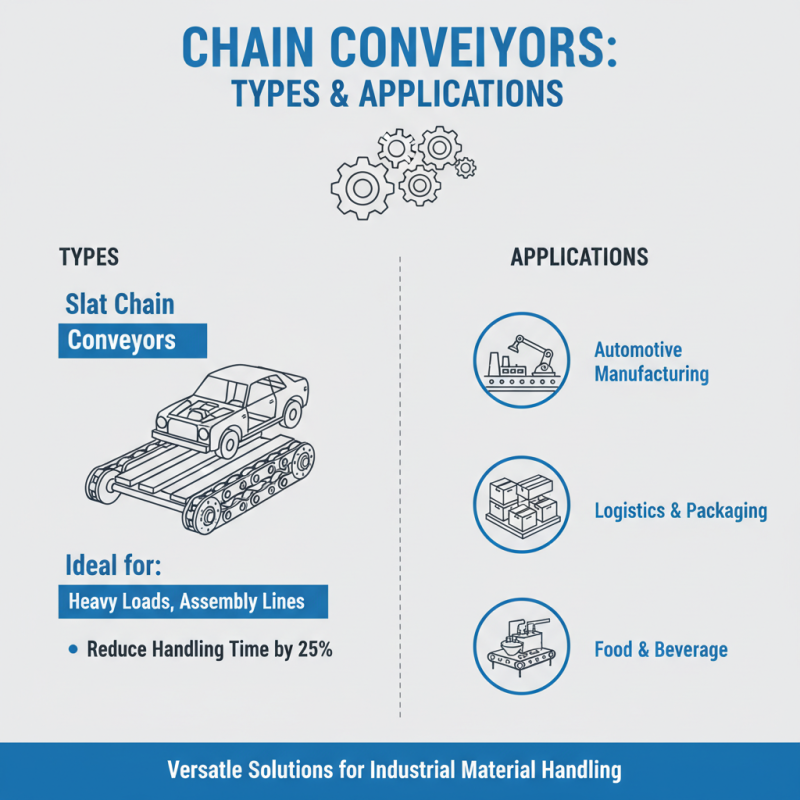
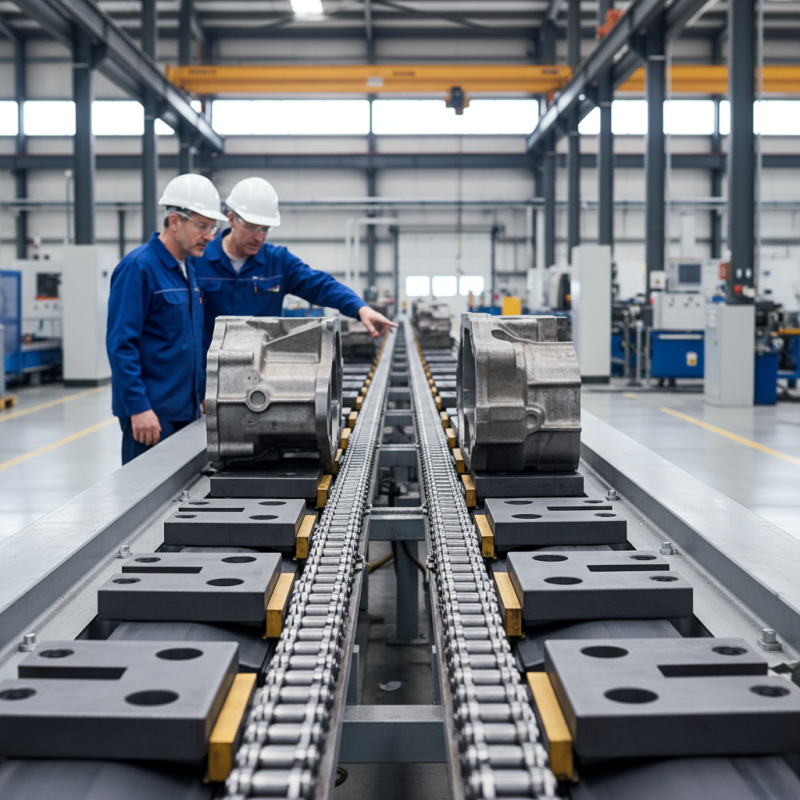
Chain conveyors play a crucial role in many industrial applications. Their versatility makes them a preferred choice across various sectors. Different types of chain conveyors cater to specific needs. For instance, slat chain conveyors are widely used in assembly lines. These systems provide stability for heavy loads, making them ideal for transporting large materials. According to industry reports, slat chain conveyors can reduce handling time by up to 25%.
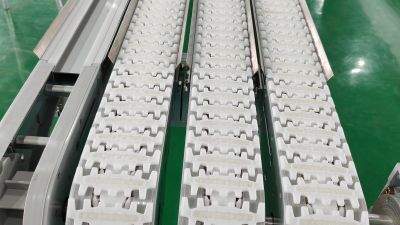
Another type is the modular chain conveyor. This design allows for easy customization based on production needs. Modular systems can adapt to complex layouts, aiding smooth transitions. In sectors like food processing, these conveyors handle delicate items with care. Reports suggest that the use of modular chain systems can enhance efficiency by nearly 30% compared to traditional systems.
Conversely, choosing the right chain conveyor poses challenges. Transporting products with varied shapes and sizes can cause bottlenecks. Also, some facilities may require specialized conveyor solutions. Evaluating the specific application is vital. Considering alternative systems like Belt Conveyors could provide better efficiency in certain scenarios. Understanding the nuances of each type of conveyor is essential for optimizing performance.
Key Factors to Consider When Choosing Chain Conveyors
Choosing the right chain conveyors is crucial for efficient operations. One key factor is load capacity. Assess the maximum weight your conveyors will transport. This ensures you select a chain that can handle heavy loads without failure.
Another important aspect is the materials used in manufacturing the chain. Different materials have varying levels of durability and resistance to wear. For instance, stainless steel is known for its corrosion resistance, making it suitable for harsh environments. Consider where these conveyors will be used. Will they be exposed to chemicals, moisture, or extreme temperatures?
Also, think about the maintenance requirements. Some chain conveyors need regular lubrication and inspection. Understanding this can save time and money in the long run. Reflect on your business needs. A more durable option may cost more upfront but could reduce downtime significantly. Finally, ensure your team is trained to operate and maintain these conveyors efficiently. Evaluate these factors to make a well-informed decision. Remember, investing in quality solutions, like Roll Conveyors, can enhance your production processes.
Essential Tips for Choosing the Right Chain Conveyors
Evaluating Load Capacity and Strength Requirements
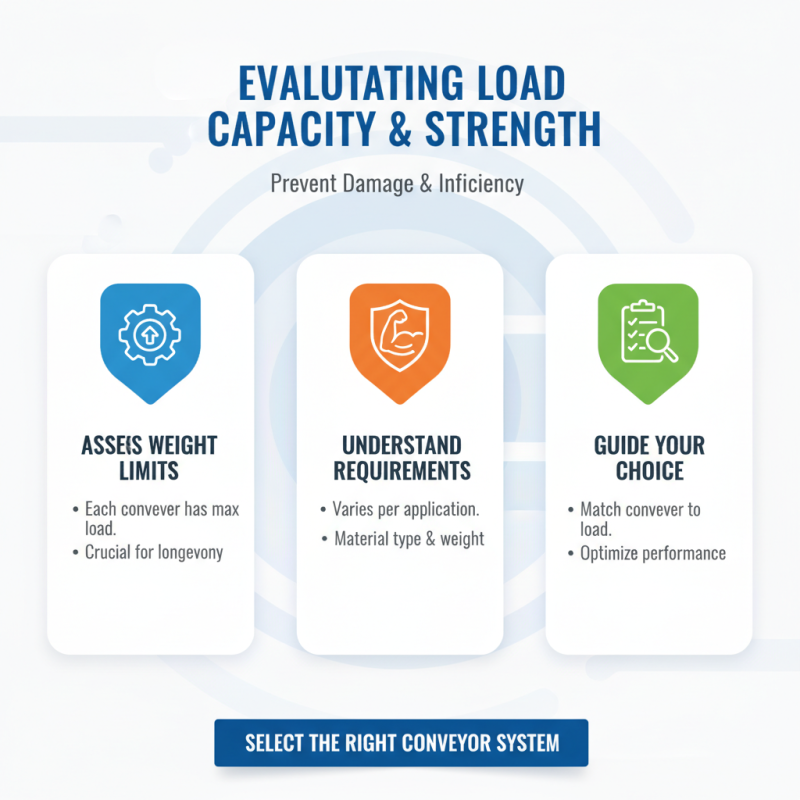
When selecting chain conveyors, evaluating load capacity and strength is crucial. Understanding the weight limits each conveyor can handle helps prevent damage and inefficiency. Every application requires different load specifications. Think about the material type and weight you will transport. This information guides your choice.
Load capacity impacts the selection of the conveyor. Assessing strength requirements is equally important. For instance, a conveyor designed for light-duty applications may not withstand heavy materials. An overestimate can lead to failure, while an underestimate can waste resources. This balance requires careful evaluation of your needs.
Consulting with experts can provide valuable insights. However, it's essential to ensure their recommendations align with your specific needs. Relying solely on generic advice may not yield the best results. Each facility is unique, and what works for one may not work for another. Be prepared to rethink your approach if initial choices do not meet expectations.
Assessing Chain Materials and Durability
When choosing chain conveyors, the materials used in construction are crucial. The durability of chain materials affects overall performance.
Steel chains are common due to their strength and resistance to wear. However,
plastic chains can be advantageous in specific applications where weight and corrosion resistance matter.
Consider the operating environment. If the conveyor will be exposed to harsh conditions, opt for materials designed to withstand temperature extremes and chemical exposure. Chain longevity is essential for reducing downtime and maintenance costs. You might need a material that performs well in both wet and dry scenarios.
When assessing durability, it is vital to evaluate the manufacturer's guidelines. Look for specifications detailing
tensile strength and wear resistance. Remember that proper maintenance practices can extend the life of the chain.
Regular inspections can identify issues before they become significant problems. Balancing durability with cost can be challenging, but thoughtful choices lead to
better operational efficiency.
Understanding Maintenance and Operational Costs
When selecting chain conveyors, maintenance and operational costs are paramount. A recent industry report indicates that up to 30% of a facility's budget can be allocated for maintenance alone. This highlights the importance of choosing a system that minimizes downtime and reduces overall costs. The ideal system should be designed for easy access to components, aiding quick inspections and repairs.
Considering Roller Conveyors specifically, their design can significantly influence maintenance expenses. Roller conveyors often have fewer moving parts, which can lead to lower failure rates. A study noted that companies using roller conveyors experienced a 20% reduction in operational costs due to less frequent maintenance. However, it is essential to balance initial investment with long-term savings. Over-engineering can lead to excessive costs, while under-specifying may increase wear and tear.
Evaluating the total cost of ownership is crucial. This includes not only the purchase price but also energy usage and potential downtime costs. Studies suggest that energy-efficient systems can lower operational costs by about 15%. Consistent monitoring and periodic reassessment of conveyor performance are necessary. This allows for adjustments to prevent unexpected failures and maintain efficiency. A proactive approach is often overlooked but can yield significant returns.
Compatibility with Existing Equipment and Layout
Selecting the right chain conveyors requires careful consideration of compatibility with existing equipment and layout. Many facilities forget to assess how new conveyors will integrate with current systems. Research from the Conveyor Equipment Manufacturers Association shows that nearly 30% of conveyor failures are due to compatibility issues.
When assessing layout, it is crucial to ensure that chain conveyors fit seamlessly within the existing flow of materials. Consider the height, width, and weight capacities. Rollers Conveyors might require modification to align with the new system. Failure to recognize these details can lead to production bottlenecks. It also increases maintenance costs, which many overlook in the planning phase.
Moreover, compatibility doesn’t stop at physical dimensions. The control systems must communicate effectively. A mismatch can create severe operational challenges. Industry reports indicate that up to 40% of downtime is attributed to integration issues. These statistics prompt a deeper reflection on design choices. Can existing equipment support new configurations? Reflecting on these elements will facilitate smoother transitions and enhanced productivity.
Importance of Supplier Reputation and Support Services
When selecting chain conveyors, the reputation of your supplier is crucial. A strong reputation often reflects the supplier's reliability and quality of service. Look for suppliers with extensive experience in the industry. They should have a track record of successful projects. Seek out reviews and testimonials from previous clients. This feedback can reveal the supplier’s overall performance and customer satisfaction levels.
Support services are equally important. A reputable supplier should offer comprehensive after-sales support. This includes installation, maintenance, and troubleshooting assistance. Quick response times are essential when dealing with conveyor issues. A delay can lead to operational downtime. How well the supplier responds in these situations can impact your production efficiency.
Choosing a supplier based solely on price may seem tempting. However, this approach can lead to poor service and unreliable equipment. Do not overlook the importance of having a partner who understands your needs. When issues arise, having a knowledgeable support team can make all the difference. Evaluate potential suppliers thoroughly to ensure they align with your operational goals.
Market Insights: The Growing Demand for Compact Flexible Chain Conveyors in Optimizing Narrow Workshop Layouts
The market for compact flexible chain conveyors is witnessing exponential growth as industries strive to optimize their narrow workshop layouts. According to a report by Grand View Research, the global conveyor system market is projected to reach USD 9.4 billion by 2025, driven by the increasing automation and efficiency demands across various sectors including food and beverage, pharmaceuticals, and logistics. These sectors benefit from the adaptability of flexible chain conveyors, which can easily navigate complex routing and limited spaces traditionally found in compact working environments.
Flexible chain plate conveyors are engineered to address these challenges, featuring modular designs that allow for multi-path combinations. This versatility not only supports horizontal and vertical transport but also ensures impeccable performance in tight corners and diverse flow directions. The adjustable minimum turning radius is particularly beneficial in accommodating narrow workshops and irregular layouts, making it an invaluable addition to automated production lines.
Furthermore, these innovative conveyor systems integrate seamlessly with existing automated equipment, enhancing material sorting, process connectivity, and efficiency in finished product transfers. A recent study emphasized that optimizing conveyor layouts could lead to an increase in throughput by up to 20%, highlighting their critical role in modern manufacturing processes. As demand for tailored solutions in conveying technology rises, businesses are investing in systems that promote operational agility and streamline workflows.
FAQS
: Assess load capacity to ensure they can transport maximum weight effectively.
Different materials have varying durability. Corrosion resistance is key in harsh environments.
Some conveyors require regular lubrication and inspection, impacting long-term costs and downtime.
A supplier with a strong reputation indicates reliability and high-quality service.
Look for comprehensive after-sales support, including installation and maintenance assistance.
Focusing solely on price can result in poor service and unreliable equipment.
Well-trained staff ensure efficient operation and maintenance, reducing the risk of issues.
Reflect on use cases and operational demands. A durable choice may cost more upfront but is beneficial.
Neglecting reviews may lead to selecting a supplier that does not meet operational standards.
Delays in response during issues can significantly impact production efficiency.
Conclusion
Choosing the right chain conveyors can significantly impact operational efficiency in various industries. When selecting chain conveyors, it is essential to understand the different types available and their specific applications. Key factors to consider include load capacity, strength requirements, and the durability of chain materials, which are crucial for long-term performance.
Additionally, assessing maintenance and operational costs can help determine the overall value of the system. Ensuring compatibility with existing equipment and layout is also vital for seamless integration. Finally, the reputation of the supplier and the support services offered can influence the decision-making process. By thoroughly evaluating these aspects, businesses can make informed choices when investing in chain conveyors, leading to enhanced productivity and reliability.