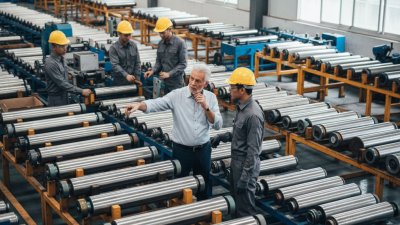
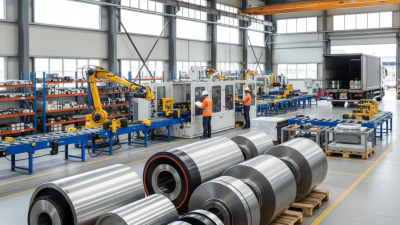
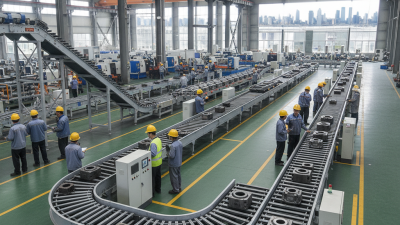
In today’s super busy industrial world, making sure conveyor systems run smoothly is more important than ever. That’s where custom rollers from China really come into play—they’re a game-changer when it comes to boosting performance. I mean, as industry expert Dr. Peter Wang from RollerTech points out, “The right rollers can seriously make your conveyor run much better.” It’s all about choosing high-quality rollers that are just right for your specific needs.
Now, these rollers aren’t just for one thing—they’re used all over, from manufacturing to logistics and packaging. The cool part? You can customize them to handle different types of materials and loads, which helps keep everything flowing nicely in your warehouse. When you pick the right rollers, it can actually cut down on downtime and make everything more efficient. But, here’s the catch: not every roller out there is a perfect fit. If you choose the wrong ones, you might end up dealing with maintenance headaches and extra costs—that’s no good.
Most companies will offer standard options, but honestly, that’s not where the magic happens. The real advantages come from tailored solutions that fit your unique setup. When you use generic rollers, you might miss out on the best performance because they don’t address your specific challenges. So, it’s super important to carefully evaluate what your system actually needs to get the most out of your conveyor setup. Picking the right rollers isn’t just a small detail—it’s a key step in making sure your material handling runs like a well-oiled machine.
Overview of Custom China Rollers for Conveyor Systems
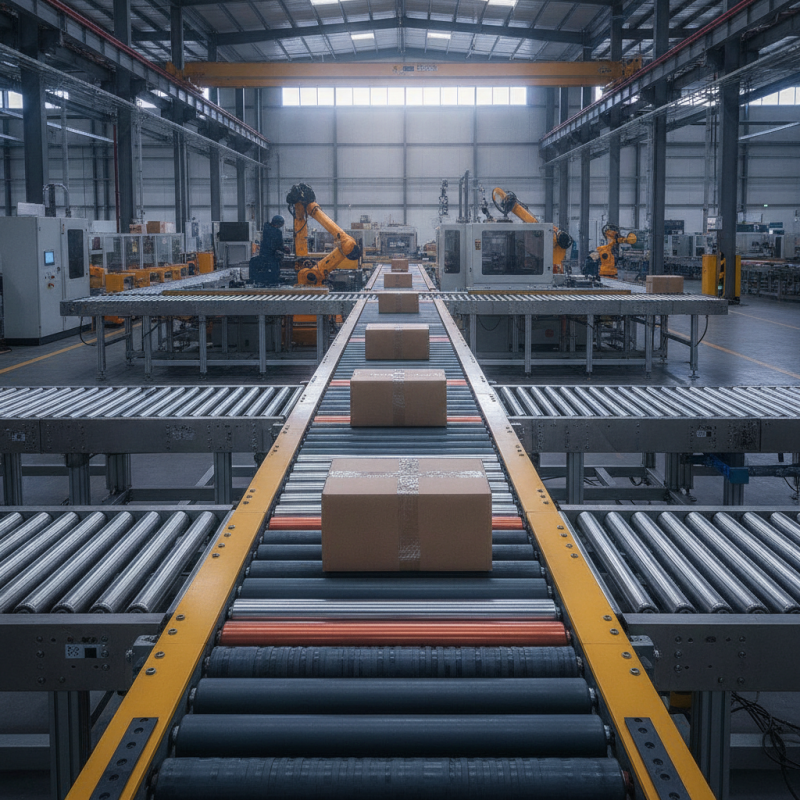
Custom China rollers play a significant role in enhancing conveyor systems. These rollers are tailored to specific requirements, ensuring optimal performance. They support heavy loads, allowing for smooth transportation in various settings. Industries such as manufacturing, logistics, and warehousing highly benefit from using these rollers.
One notable advantage of custom rollers is their adaptability. They can be designed for different types of conveyors, whether gravity, powered, or modular systems. This customization minimizes friction and wear, resulting in reduced maintenance costs. However, selecting the right material is crucial. The wrong choice can lead to durability issues, a factor that should not be overlooked.
Another aspect to consider is the manufacturing process itself. While many manufacturers produce rollers, the quality can vary greatly. It’s vital to inspect the materials and production methods used. Reflection on this aspect often reveals that companies may rush to cut costs, compromising quality. Reliable suppliers will prioritize quality control to ensure performance and longevity in their products.
Key Benefits of Using Custom Rollers in Conveyor Applications
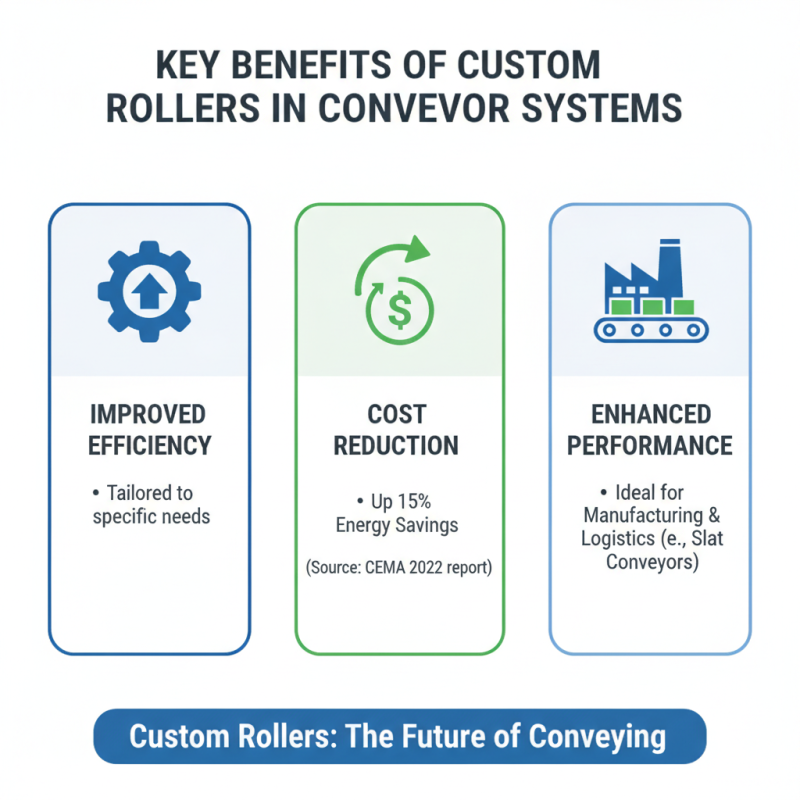
Custom rollers are crucial components in conveyor systems, enhancing efficiency and performance. They allow for tailored solutions suited to specific industry needs. According to a 2022 report by the Conveyor Equipment Manufacturers Association, custom rollers can improve energy efficiency by up to 15%, reducing operational costs significantly. This is particularly beneficial in industries such as manufacturing and logistics, where Slat Conveyor Systems are widely used.
The adaptability of custom rollers leads to increased durability and reliability. Businesses can select materials that resist wear and environmental factors. For instance, selecting a specialized coating can reduce friction, extending the lifespan of the roller. However, custom solutions require careful consideration of operational demands. Rigorous testing is essential to ensure the selected rollers meet performance standards.
In addition, enhanced safety features can be integrated into custom rollers. This aspect is particularly important in busy industrial environments. A report from the Material Handling Industry of America highlights that custom conveyor designs can lower accident rates by over 20%. Effective safety measures are not just beneficial; they are essential. Regular reviews and adjustments based on performance feedback can lead to continuous improvement in conveyor application efficiency.
Materials Used in Manufacturing Conveyor Rollers
When discussing conveyor roller manufacturing, the materials used play a crucial role in overall performance. Steel is a popular choice due to its strength and durability, making it ideal for heavy-duty operations. However, it's important to note that steel can be prone to rust if not properly coated. This necessitates the need for regular maintenance and inspections, which some users might overlook.
Another material worth considering is plastic. Lightweight and resistant to corrosion, plastic rollers find applications in various environments, including food processing and pharmaceuticals. Although they minimize wear on belts, they may not hold up under extreme loads, leading to potential failures. Thus, knowing the specific demands of your operation is vital when choosing materials for Chain Conveyor Systems.
Additionally, rubber-coated rollers provide excellent grip and cushioning. These are particularly useful in reducing noise and vibration during transportation. Yet, they can wear down faster in abrasive conditions, requiring frequent replacements. Companies need to weigh the benefits and drawbacks of each material. Understanding these factors empowers businesses to make informed choices that enhance efficiency and reliability in their conveyor systems.
Custom China Rollers for Conveyor Systems: Top Benefits and Applications
| Roller Type |
Materials Used |
Key Benefits |
Common Applications |
| Steel Roller |
Cold Rolled Steel, Galvanized Steel |
Durability, High Load Capacity |
Warehouse Distribution, Heavy Industry |
| PVC Roller |
Polyvinyl Chloride |
Corrosion Resistance, Lightweight |
Food Processing, Packaging |
| Aluminum Roller |
Aluminum Alloy |
Lightweight, High Strength |
Electronics, Automotive |
| Rubber Coated Roller |
Rubber, Steel Core |
Noise Reduction, High Friction |
Automated Sorting, Package Handling |
Industry Applications of Custom Conveyor Rollers
Custom conveyor rollers play a vital role in various industries. They ensure efficient material handling in warehouses, manufacturing, and logistics. In these environments, the right rollers can vastly improve system performance and reliability. Each industry has unique needs, requiring tailored solutions for optimal functionality.
In the automotive sector, custom rollers facilitate the movement of heavy parts along assembly lines. Their size and material contribute to reduced wear over time, increasing productivity. Meanwhile, in food processing, rollers must meet hygiene standards. Stainless steel options are common. These materials minimize contamination risks while ensuring durability.
However, businesses must consider the balance between customization and cost. Too many modifications can lead to higher expenses without significant benefits. Regular assessment of roller performance is crucial. This practice helps identify areas for improvement in design and functionality. Adapting to industry needs can lead to greater efficiency and sustainability.
Enhancing Efficiency with Tailored Roller Designs
When it comes to conveyor systems, custom China rollers can enhance operational efficiency significantly. Tailored roller designs cater to specific needs, optimizing the flow of materials. Standard rollers may not fit every application. Custom rollers can be designed to match the unique requirements of diverse industries, such as packaging, manufacturing, and logistics. This specificity improves performance.
Efficient roller designs reduce friction and wear, allowing for smoother operations. With precise dimensions, these rollers can handle varying weights and sizes, minimizing downtime. However, businesses should carefully consider their needs when designing these rollers. An ill-suited design may lead to inefficiencies. It's crucial to collaborate with experienced engineers and manufacturers to identify the right specifications.
Moreover, custom rollers can be made from diverse materials. Options include plastic, steel, and rubber, each serving different functions. Choosing the correct material is vital; an inappropriate choice can lead to premature failure. Conducting thorough assessments and testing prototypes can help ensure reliability. These considerations are essential for long-term benefits.
Maintenance Considerations for Custom Conveyor Rollers
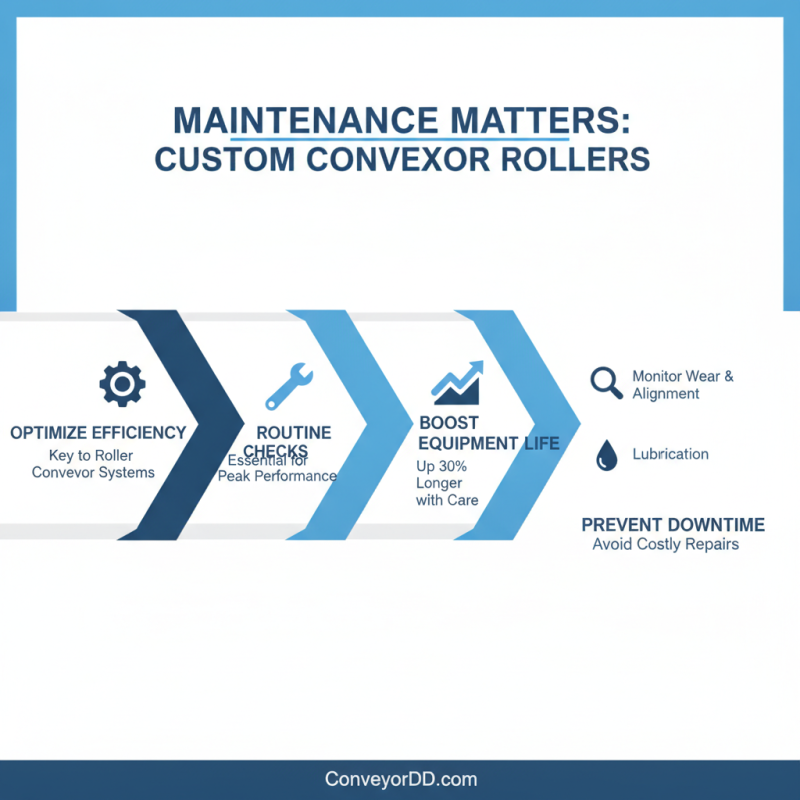
Custom Conveyor Rollers play a vital role in maintaining the efficiency of Roller Conveyor Systems. Regular maintenance is essential to ensure that these rollers perform at their best. Industry data shows that proper maintenance can enhance equipment life by up to 30%. Neglecting routine checks can lead to increased downtime and costly repairs. Monitoring roller wear and lubrication can prevent minor issues from escalating.
Inspecting your rollers every few months is a prudent practice. Check for signs of wear and tear, such as cracks or surface damage. Addressing these issues promptly can save time and resources. Moreover, using the right lubricants can reduce friction, leading to smoother operations.
Here are some tips:
1. Keep a maintenance log to track inspections and fixes.
2. Train staff on roller and conveyor care.
3. Consider temperature effects on roller materials.
Maintaining custom conveyor rollers requires a proactive mindset. Understanding the unique demands of your specific Roller Conveyor Systems is crucial. Adapt your maintenance strategy to reflect the intensity of usage. By being vigilant, you can prevent unplanned disruptions and extend the life of your rollers.
Future Trends in Conveyor Roller Technology and Design
The future of conveyor roller technology is evolving rapidly. Innovations focus on enhancing efficiency and reliability. Custom rollers are becoming the norm in various industries, especially for Gravity Conveyor Systems. These custom solutions cater to specific operational needs, allowing for smoother material handling.
Recent advancements highlight the integration of smart technologies within roller systems. Sensors can now monitor performance in real time. By collecting data, operators can identify issues before they escalate. This proactive approach minimizes downtime and enhances productivity. Yet, challenges remain. Implementing such technologies requires a skilled workforce and upfront investment.
Design trends emphasize lightweight materials and eco-friendliness. Advanced composites are gaining popularity for their durability and reduced weight. However, manufacturers must ensure these materials withstand harsh industrial environments. The constant need for adaptation presses companies to stay ahead of competitors. Balancing innovation with practicality remains a key concern in the industry.
Custom China Rollers for Conveyor Systems: Key Benefits and Applications
Innovative Vertical Screw Conveyors: Reliable Solutions for Efficient and Sealed Material Handling in Industry
Innovative vertical screw conveyors are revolutionizing the material handling landscape in various industries. Designed for efficient vertical transport, these systems utilize the rotational motion of screw blades to continuously elevate powdery, granular, and small block materials. This mechanism proves beneficial for a range of applications, including grain processing, chemical raw material handling, building materials logistics, and warehousing operations. The effectiveness of vertical screw conveyors lies in their ability to manage different material types seamlessly, making them essential for modern industrial practices.
These conveyors boast a compact design that enhances their adaptability to diverse factory configurations. Their excellent sealing capabilities ensure minimal leakage and contamination, which is crucial for maintaining product integrity during transportation. Furthermore, the reliable performance of these systems contributes to streamlined operations, reducing downtime and increasing overall productivity. By integrating seamlessly with various conveyor systems, vertical screw conveyors not only optimize material handling processes but also contribute to a more efficient supply chain within industrial settings. Opting for these advanced solutions can significantly elevate operational performance and meet the specific demands of diverse sectors.
FAQS
: Custom China rollers enhance conveyor systems tailored to specific requirements for optimal performance.
They support heavy loads and ensure smooth transportation in manufacturing, logistics, and warehousing.
The wrong material can cause durability issues and impact the performance of conveyor rollers.
Steel, plastic, and rubber-coated rollers are popular choices, each having specific advantages and drawbacks.
Steel is strong but can rust, requiring regular maintenance and inspections that users may overlook.
Plastic rollers are lightweight and corrosion-resistant but may fail under extreme loads.
They provide excellent grip and reduce noise, but can wear quickly in abrasive conditions.
Innovations focus on efficiency, smart technology integration, and lightweight, eco-friendly materials.
Implementing smart technologies requires skilled workers and upfront investments that some companies might hesitate to make.
Companies need to balance innovation with practicality to stay competitive while ensuring material durability in harsh environments.
Conclusion
Custom rollers for conveyor systems play a crucial role in enhancing operational efficiency across various industries. These specialized rollers are designed to cater to specific application needs, resulting in improved performance and reduced downtime. Key benefits include increased load capacity, enhanced durability, and tailored designs that optimize the conveyance process. The materials used in manufacturing these rollers significantly affect their longevity and efficiency, with options ranging from lightweight plastics to heavy-duty metals.
Different industries leverage custom conveyor rollers to meet unique operational demands, from manufacturing to logistics. Proper maintenance of these rollers is essential to ensure longevity and seamless operation. Looking ahead, future trends in conveyor roller technology focus on innovation, such as smart rollers equipped with monitoring systems that enhance productivity. Ultimately, the integration of custom rollers for conveyor systems is a game-changer for improving overall efficiency and adaptability in various industrial settings.