In today's really competitive world of material handling, finding the right 'Roller Conveyor For Sale' options is pretty much essential if you want things to run smoothly and boost productivity. I mean, John Smith, who's pretty well-known in the field of industrial logistics, once said, 'A well-designed roller conveyor can really cut down on operational costs.' That kind of really highlights why it's so important to understand the different types out there.
Take custom Chinese roller conveyors, like the Ss Roller Conveyor, for example. They’re pretty versatile and can be tailored to fit a bunch of different business needs. These systems don't just save space—they can also make your workflow a lot smoother. But honestly, picking the right conveyor isn’t always straightforward. Not every system is gonna suit every task, and that can lead to some headaches if you're not careful.
Getting the right roller conveyor can really pay off in the long run, but it’s worth taking the time to think about things like load capacity and how well it will integrate with your existing setup. You definitely don’t want to rush into a purchase—making a decision in haste might end up with you stuck with something that underperforms. So, it’s always a good idea to do your homework, talk to the experts, and weigh your options before pulling the trigger.
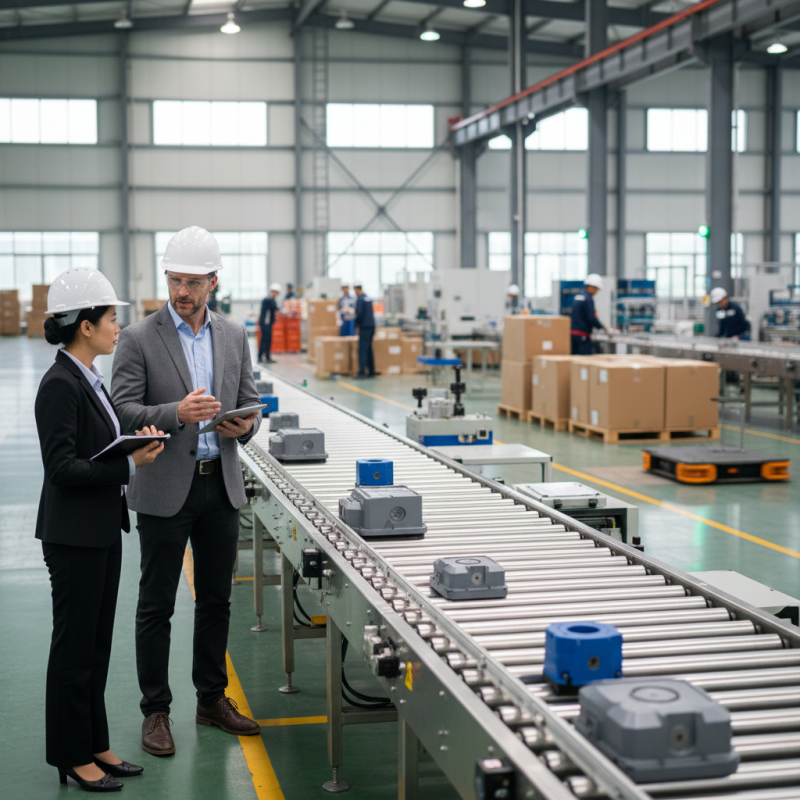
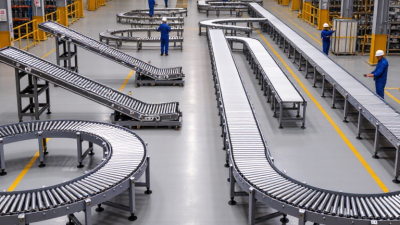
Custom roller conveyors play a vital role in various industries in China. These conveyors are designed to transport materials efficiently. They can be adapted to different environments and product needs, enhancing operational flexibility. Businesses often choose custom designs for specific requirements, such as size, weight, and type of materials.
In China, manufacturing custom roller conveyors involves collaboration with engineers. This process ensures that the conveyors meet rigorous safety and efficiency standards. Factories often rely on these conveyors to streamline their workflows. However, not all custom options are equally effective. Some designs may lead to increased maintenance issues or inefficiencies. It's essential for businesses to evaluate their choices carefully.
Investing in custom roller conveyors carries both benefits and challenges. While they can significantly boost productivity, selecting the wrong design can result in higher costs. Businesses must consider their long-term goals and operational needs when making these decisions. Understanding the potential pitfalls is crucial to achieving the desired performance.
Roller conveyors are crucial in modern logistics. They enhance efficiency by facilitating the movement of goods. When considering options for roller conveyors, it is essential to understand the different types available. Each type caters to specific needs in various industries.
Gravity roller conveyors rely on gravity for movement. They are cost-effective and straightforward. These systems work best in environments with a slight incline. Powered roller conveyors, on the other hand, utilize motors for smooth operation. They are ideal for heavy loads and faster processing. The versatility of these systems allows adaptation to different warehouse layouts.
Flexible roller conveyors offer adaptability for changing needs. They can be configured in various layouts. This feature makes them suitable for temporary setups. However, some may find them less stable compared to fixed designs. Each type has its advantages and drawbacks, reflecting the need for careful consideration before making a purchase.
| Type of Roller Conveyor | Load Capacity (kg) | Roller Diameter (mm) | Material | Applications | Benefits |
|---|---|---|---|---|---|
| Gravity Roller Conveyor | 50 - 500 | 48 - 76 | Steel, PVC | Sorting, Packing | Economical, Low Maintenance |
| Powered Roller Conveyor | 100 - 1000 | 50 - 80 | Steel, Stainless Steel | Heavy Items, Assembly Line | Controlled Movement, Flexible Layout |
| Belt Driven Roller Conveyor | 50 - 800 | 60 - 100 | Steel, Rubber | Packaging, Food Processing | Smooth Operation, Versatile Use |
| Chain Driven Roller Conveyor | 200 - 2000 | 50 - 120 | Steel | Automotive, Heavy Industries | High Load Capacity, Durable |
| Telescopic Roller Conveyor | 50 - 300 | 50 - 75 | Aluminum, Steel | Loading/Unloading | Space Saving, Easy to Operate |
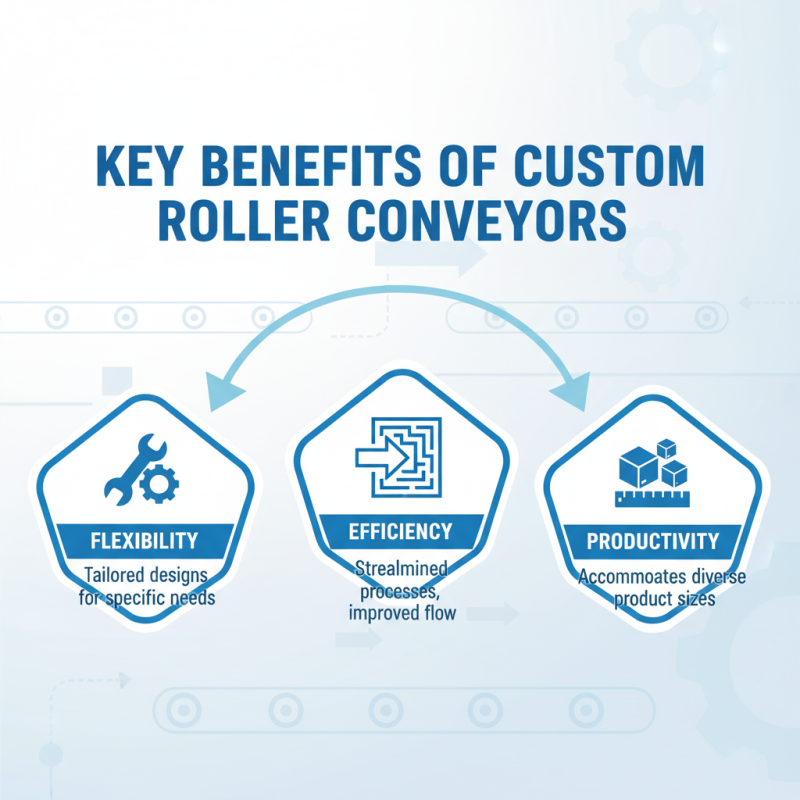
Custom roller conveyors offer significant advantages for various industries. One key benefit is their flexibility. Businesses can tailor designs to fit specific operational needs. This customization ensures efficiency and can streamline processes not possible with standard options. Rollers can be spaced uniquely to accommodate different product sizes, enhancing productivity.
Another major benefit is durability. Custom roller conveyors are built to withstand rigorous use. Their robust construction reduces maintenance needs and downtime. Businesses often find that investing in a quality Roller Bed Conveyor leads to long-term cost savings. Care should be taken, however, in selecting the right materials. Sometimes, the most durable options may not be the best fit for every environment.
Safety is also enhanced with custom solutions. Tailored roller conveyors can minimize risks associated with operating machinery. Design adjustments, like lowering the height of rollers, can prevent workplace accidents. However, it's crucial to continually assess the effectiveness of these safety features. Regular reviews ensure that the conveyor system remains safe and efficient for all users.
When choosing roller conveyors, several key factors come into play. The first consideration is the load capacity. Each system has a limit on the weight it can support. Assessing your needs is crucial. Will you transport light packages or heavy pallets? Knowing this helps determine the right model.
Another factor is the conveyor design. Different layouts can optimize space and efficiency. Pay attention to the size of your facility. A custom China roller conveyor may be ideal for cramped areas. You might also evaluate the speed. Faster conveyors can improve productivity but may not suit all items.
Tips: Always check the material of the rollers too. Some materials resist corrosion better than others. If your items are heavy or abrasive, this is pivotal. Don't forget maintenance requirements; less downtime enhances efficiency in your operations. A Roller Belt Conveyor requires periodic checks for smooth operation. Regular maintenance avoids unexpected costs in the future.
Roller conveyors play a vital role in many industries. They are essential for moving goods efficiently. Warehouses often rely heavily on roller conveyors for sorting and distribution. These systems can streamline operations and reduce manual labor. For instance, in manufacturing, they facilitate the quick movement of materials along production lines. This helps maintain a consistent workflow.
In retail environments, roller conveyors improve the shopping experience. Products can be moved quickly from storage to display areas. This not only saves time but also enhances customer satisfaction. Logistics companies benefit from increased efficiency when loading and unloading cargo. However, it is important to ensure proper maintenance. A neglected conveyor can lead to delays and increased costs. Each industry has unique demands, which require customized solutions for optimal performance. Investing in roller conveyors can yield significant benefits, but it is crucial to assess the specific needs of each application.
When considering custom roller conveyors, cost is a pivotal factor. These systems offer efficiency but come with various pricing structures. Material choice significantly impacts the overall expense. High-quality steel or aluminum options will cost more upfront but offer durability. In contrast, lower-cost alternatives may need frequent replacements.
Tip: Always ensure the Roller Conveyor Belt matches your specific needs. A tailored solution can yield long-term savings.
Installation is another cost area that shouldn't be overlooked. An experienced team may charge more, but their expertise can prevent costly errors. Poor installation can lead to operational disruptions and expensive repairs. The investment in professional help often pays off quickly.
Operational costs should also be analyzed. Energy consumption and maintenance will add to your budget. Investing in energy-efficient motors can reduce electricity bills over time. It's essential to weigh these ongoing expenses against initial costs.
Tip: Plan for regular maintenance. A proactive approach minimizes unplanned downtime and keeps efficiency high. Reflecting on these factors can help you make informed decisions while considering custom roller conveyors.
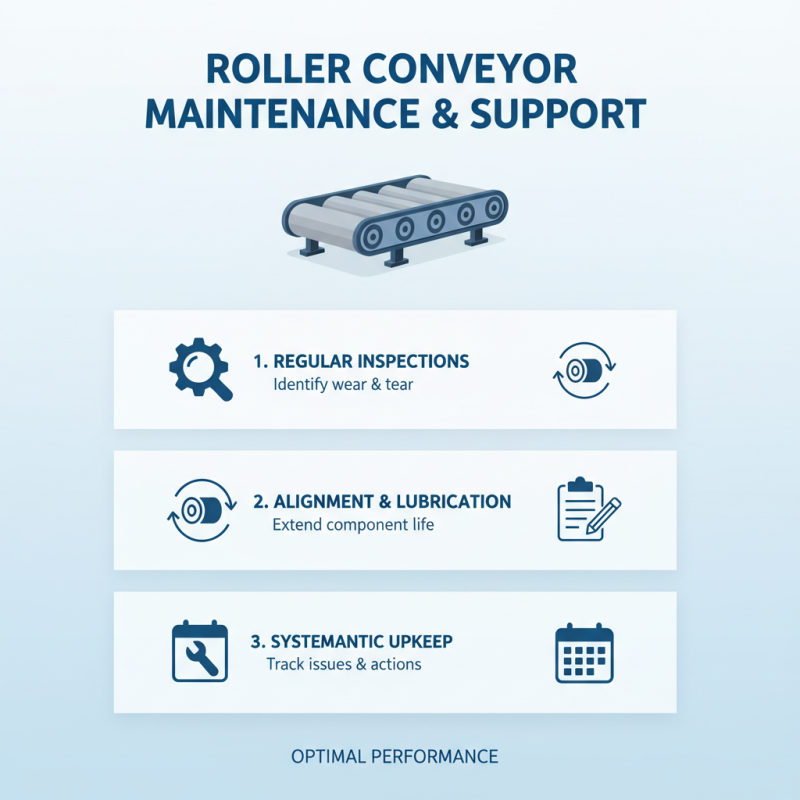
Maintenance of roller conveyor systems is essential for optimal performance. Regular inspections can help identify wear and tear before they lead to failures. Checking roller alignment and lubrication can extend the life of the components. Operators should keep a maintenance log to track any issues and actions taken. This record helps in anticipating future repairs and ensures a systematic approach to upkeep.
Investing time in training staff on proper use and maintenance can prevent costly downtime. Make sure they know how to handle the Chain Conveyor Roller correctly. Misuse can lead to damage that would require extensive repairs. Additionally, creating a schedule for routine cleaning will prevent dust accumulation, which can hinder system performance.
Support for roller conveyor systems often involves troubleshooting technical issues. It's common for users to face challenges such as jams or irregular movement. Being proactive in understanding the system can reduce these problems. Documenting these experiences can improve the overall reliability of the system. Regular collaboration with technical experts can provide insights into enhancements and upgrades.
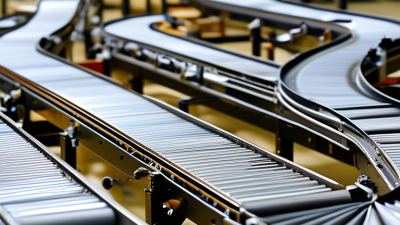
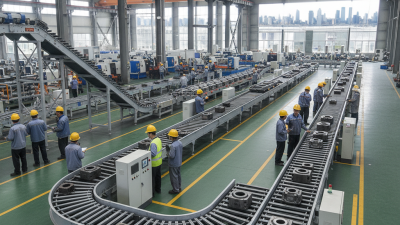
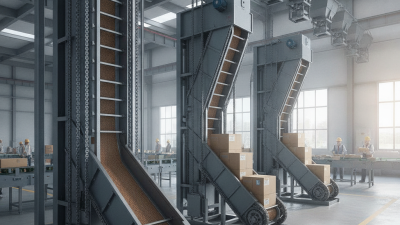
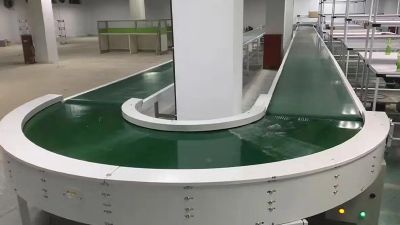
In modern factories, the efficiency of automated systems is paramount, and flexible curved belt conveyors have emerged as a transformative solution in enhancing this efficiency. These conveyors are designed to adapt seamlessly to the dynamic needs of manufacturing environments, allowing for smooth material transport through curved pathways. The innovative engineering of these systems ensures that they not only deliver exceptional performance but also maintain the structural integrity of the materials being conveyed.
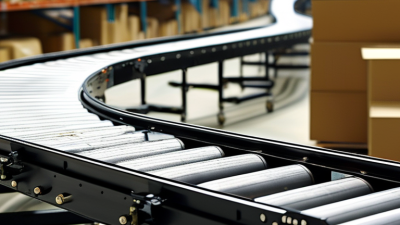
At the heart of the China-made curve conveyor is a robust curved frame that accommodates an advanced conveyor belt, supplemented by a powerful driving device. This design features an anti-deflection roller system that meticulously balances the height difference between the inner and outer sides of the rollers. By employing a unique guiding mechanism, these conveyors effectively manage the turning of materials, preventing slippage and maintaining a steady trajectory. This level of precision contributes significantly to reducing downtime and enhancing overall productivity on the factory floor.
Furthermore, safety remains a top priority with incorporated essential protective features, ensuring that operations can continue smoothly without compromising worker safety. The flexibility of these curved belt conveyors allows factories to optimize workflows, adapt to varying product sizes, and streamline material handling processes—all critical aspects in a competitive industrial landscape. As factories increasingly embrace automation, the role of flexible curved belt conveyors becomes undeniably significant in driving operational efficiency.
: They transport materials efficiently in various industries. These conveyors adapt to different environments and needs.
Engineers ensure the conveyors meet safety and efficiency standards. Poor designs may cause maintenance issues or inefficiencies.
Load capacity is key. Understanding if you need to move light packages or heavy pallets will guide your choice.
The layout can optimize space and efficiency. Consider the design based on your facility’s size.
Some materials resist corrosion better. This can be crucial for transporting heavy or abrasive items.
Regular inspections and lubrication are vital. Keeping a maintenance log helps anticipate future repairs.
Proper training prevents misuse, which can cause damage. Investing in training can save on costly repairs.
Jams and irregular movement are common challenges. Understanding the system helps users troubleshoot these problems.
Routine cleaning prevents dust accumulation. This helps maintain optimal performance over time.
Documenting issues and actions allows for a systematic approach. It helps improve overall reliability of the system.
Custom roller conveyors are increasingly popular in China, offering a versatile solution tailored to various industrial needs. The article provides an overview of different types of roller conveyors available for sale, including design considerations and application areas across diverse industries. Key benefits of custom roller conveyors include enhanced efficiency, improved workflow, and the ability to accommodate specific operational requirements.
When selecting the right roller conveyor for sale, it is essential to consider factors such as load capacity, space constraints, and maintenance needs. The cost analysis illustrates the financial advantages of investing in custom solutions, while ongoing maintenance and support are highlighted as critical components for ensuring long-term reliability and performance. Overall, custom roller conveyors present a strategic investment for businesses looking to optimize their material handling processes.