Leave Your Message
0%

When you're trying to pick out the right conveyor chain for your business, having some expertise really makes a difference. I mean, John Smith, who's like a go-to guy when it comes to conveyor systems at Advanced Conveyor Solutions, puts it simply: "Choosing the right conveyor chain can totally boost your productivity and save you money on maintenance." It’s pretty clear that making informed decisions is super important here.

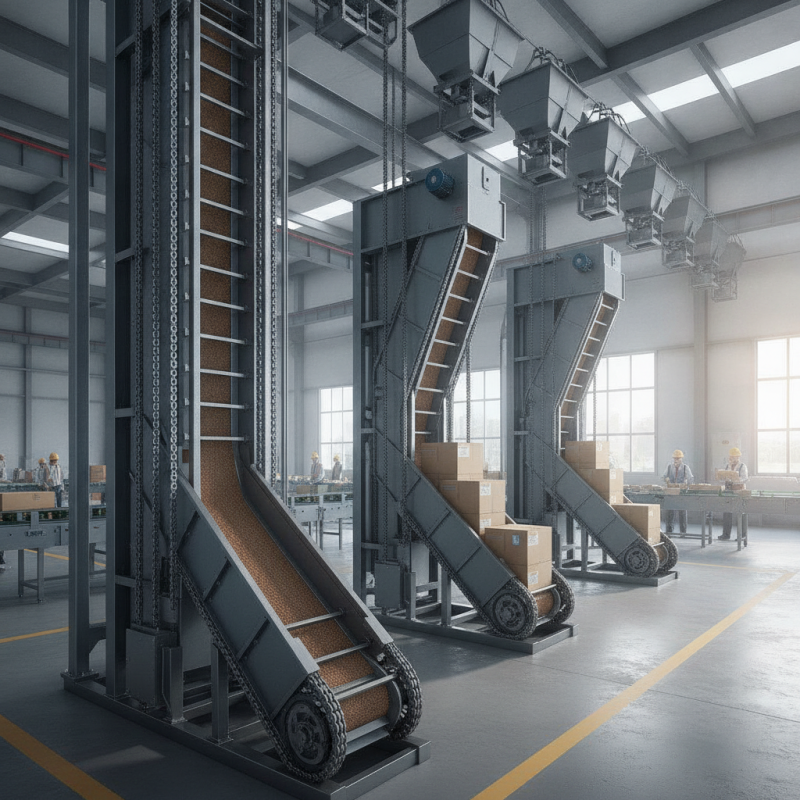
There are actually a bunch of different conveyor chain types out there, each designed for specific needs. For example, continuous elevators are great if you need to move bulk materials straight up or down. Vertical continuous elevators are especially good because they handle transportation smoothly without taking up too much space. On the other hand, Z-type continuous elevators are handy when you need to transfer products between different floors.

Then you've got C-type continuous elevators and bucket elevators, which serve different operational purposes. Honestly, figuring out which one fits your setup can feel a bit overwhelming. A lot of businesses struggle with understanding which type is the best fit for their workflow. It's important to think about things like the kind of materials you're handling and how the system needs to operate. It might not always be a straightforward choice, but taking the time to weigh your options carefully really pays off in the end when it comes to your material handling game."
Top 10 Custom China Conveyor Chain Types to Consider for Your Business?

Understanding Conveyor Chains: An Overview of Custom Options

Top 10 Custom China Conveyor Chain Types to Consider for Your Business?

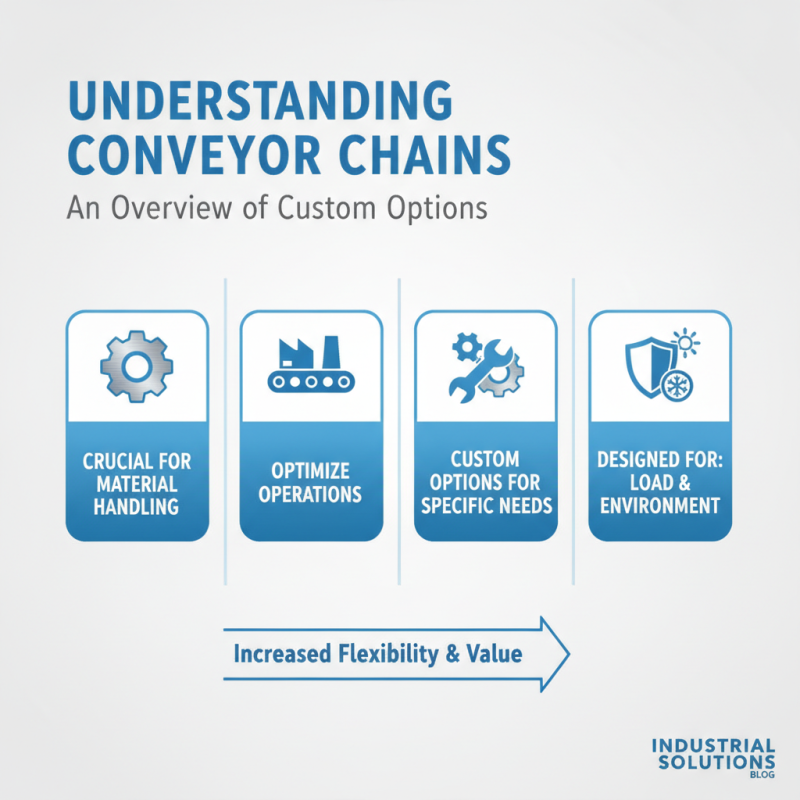
Conveyor chains play a crucial role in many industries. They are essential for material handling systems. Understanding different types of conveyor chains can help optimize your operations. Custom conveyor chains cater to specific needs. They can be designed based on load capacity or environmental conditions. This flexibility makes them valuable in various settings.

There are several custom options to consider. Some conveyor chains excel in heavy-duty applications. Others are better for light materials. The choice often depends on the nature of your product. Corrosive environments require resistant chains. Heat or cold can also impact material selection. Each situation demands careful evaluation.

While custom chains offer benefits, they may require more upfront planning. Sourcing the right chain material is vital. Using suboptimal materials could lead to increased wear and tear. This results in downtime and higher costs. Finding a reliable supplier is important. They can help navigate these challenges. It's essential to balance durability and cost. Understanding trade-offs will lead to better decisions in the long run.

Key Considerations When Choosing Conveyor Chains for Your Business

When selecting conveyor chains for your business, it's essential to understand the various types available. Different applications require different designs, each with unique characteristics. For example, a Straight Non-powered Roller Conveyor is ideal for moving items across a flat surface. It provides a reliable solution for warehouses and assembly lines. Conversely, a Curved Non-powered Roller Conveyor can help navigate tight spaces and corners, making it a good choice for complex layouts.

Considering the operational environment is crucial. An Inclined Non-powered Roller Conveyor facilitates the movement of products between different heights. It helps to streamline processes, but it may require extra maintenance to ensure smooth operation. Similarly, a Flexible Roller Conveyor can adapt to various configurations, offering versatility in changing needs. However, it's worth noting that the complexity of setup can lead to potential inefficiencies if not managed correctly.

Quality matters when choosing conveyor chains. A Double-layer Roller Conveyor adds stability, but can also make installation cumbersome. The Loop Roller Conveyor provides a continuous flow, yet it may not be cost-effective for all businesses. Lastly, the Frame-type Roller Conveyor offers sturdy support, but does require regular checks for wear and tear. Balancing these factors is key to finding the right fit for your operational needs.

Top 10 Custom Conveyor Chain Types for Different Industries

When selecting conveyor chains, industries must consider specific needs. The Enclosed reciprocating elevator is great for applications needing protection from dust and debris. This design keeps materials safe and ensures efficient transport. The Open-type reciprocating elevator offers flexibility and ease of maintenance. It allows for quick access and modifications, which can be vital for evolving production processes.

Chain-driven reciprocating elevators provide strength and durability. They can handle heavy loads, making them suitable for heavy-duty applications. Meanwhile, the Belt-driven reciprocating elevator is ideal for lighter materials. Its smooth operation reduces wear and tear on products, extending their lifespan. Each type of conveyor chain has unique characteristics that cater to different industrial requirements.

Understanding these differences is crucial. The right choice can impact productivity, safety, and long-term reliability. Many businesses find themselves reflecting on past choices. Have the chosen conveyor systems truly met their needs? Continuous assessment of operational effectiveness helps in staying competitive. Selecting the right chain type becomes a critical aspect of business strategy.

Top 10 Custom Conveyor Chain Types by Usage

This bar chart illustrates the popularity of different custom conveyor chain types used across various industries. Each type is evaluated based on its usage frequency, indicating preference in specific applications.

Material Types for Custom China Conveyor Chains: What to Know

When selecting custom China conveyor chains, understanding material types is crucial. The right materials can impact durability, efficiency, and overall performance. Common options include plastic, steel, and stainless steel. Each material has unique characteristics that can suit various environments. For example, stainless steel offers excellent resistance to corrosion, making it ideal for food processing. On the other hand, plastic chains can be lightweight and reduce wear on other equipment.

Tips: Consider the environment in which the conveyor will operate. If moisture is a concern, go for materials that resist corrosion. Additionally, evaluate load requirements and choose a chain type, such as Bucket Continuous Elevator or Pallet Continuous Elevator, based on the needs of your specific application.

Reflection is vital in this quest. Not all materials work well together. Mixing metal and plastic without thought may lead to issues over time. Understanding factors like heat and weight will help in selecting the right conveyor chain. For instance, using a Vertical Continuous Elevator may require heavier materials than a Frame-type Elevator. Always consult with experts on your choices. Engage in discussions to ensure the best fit for your business needs.

Top 10 Custom China Conveyor Chain Types to Consider for Your Business

Chain Type Material Load Capacity (kg) Speed (m/s) Temperature Range (°C) Applications
Standard Roller Chain Steel 1500 2.5 -20 to 80 Material Handling
Plastic Modular Chain Plastic 500 3.0 -10 to 60 Food Industry
Double Pitch Roller Chain Steel 2000 2.0 -20 to 80 Conveyor Systems
Flat Top Chain Steel/Plastic 1000 2.5 -20 to 70 Packaging
Ladder Chain Stainless Steel 3000 1.5 -30 to 100 Mining
Scraper Chain Steel 2500 2.0 -10 to 70 Bulk Material
Chain-Driven Live Roller Steel 1500 2.2 -20 to 80 Warehouse Automation
Sprocket Chain Steel 1200 1.8 -20 to 75 Drive Systems
Roller Chain Stainless Steel 1800 3.0 -20 to 90 Agricultural
Bushing Chain Steel 2000 2.0 -20 to 85 Construction

The Importance of Chain Durability and Maintenance in Operations

Top 10 Custom China Conveyor Chain Types to Consider for Your Business?

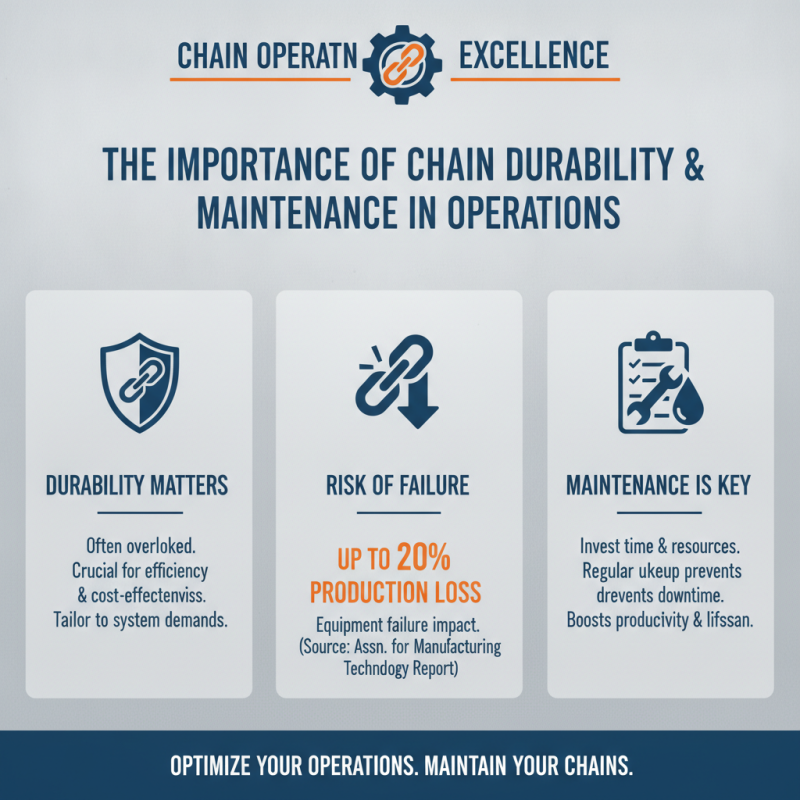
Durability and maintenance are often overlooked aspects of operations involving Chain Conveyors. Understanding the specific demands of your chain system can significantly impact efficiency and cost. A recent report by the Association for Manufacturing Technology states that equipment failure can lead to production losses of up to 20%. This highlights how crucial it is to invest time and resources in regular maintenance.

Chain Drive Conveying Equipment, for example, must be regularly inspected and lubricated. Poorly maintained systems can easily wear out, causing costly downtimes. Data indicates that preventative maintenance can reduce unplanned downtime by 30%. Identifying signs of wear early is essential, especially in high-speed applications like Speed Multiply Chain Conveyors.

Furthermore, different chain types—like Single Row Chain Lines or Double Row Chain Lines—demand varying maintenance protocols. Operators often underestimate the difference in upkeep required. Tailoring maintenance efforts to match the specifics of each assembly line extends the lifespan of the equipment. Ultimately, prioritizing chain durability not only enhances productivity but also ensures safety in industrial environments.

Custom Conveyor Chain Sizing: Ensuring Perfect Fit for Efficiency

Choosing the right sizing for custom conveyor chains is crucial for efficiency. Proper sizing ensures that the chain runs smoothly without unnecessary wear and tear. Miscalculations can lead to increased downtime and maintenance costs. For businesses, this means lost productivity and money.

Understanding your operational requirements is essential. Measure the intended load, speed, and environment where the chain will operate. These factors influence the size and type of conveyor chain needed. Often, businesses overlook small details. A slight misalignment can lead to significant performance issues later on.

Testing the fit during installation is vital. It helps identify any potential problems before full-scale operation. Regular monitoring will ensure that the chain remains in optimal condition. Adjustments might be necessary as operations change. Reflecting on past installations can provide valuable insights for future projects. Always seek to improve your approach with each new conveyor chain.

Applications of Different Conveyor Chain Types in Business Environments

In the dynamic world of manufacturing, the choice of conveyor chains can significantly impact efficiency. Different chain types serve various applications. For instance, plastic modular chains are ideal for food processing due to their ease of cleaning and corrosion resistance. According to the International Conveyor Chain Manufacturers Association, over 35% of conveyor systems in food production utilize these chains.

In warehouse operations, stainless steel chains are favored for their durability and resistance to harsh environments. They can handle heavy loads and offer longevity. Reports indicate that nearly 40% of logistics operations see efficiency improvements when switching to stainless options. However, businesses often overlook the required maintenance for these chains, which can lead to unexpected downtimes.

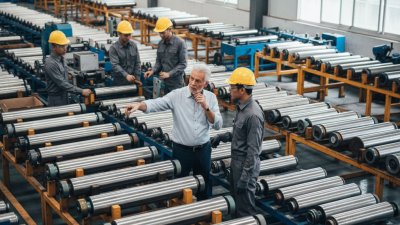
[Image] Roller chains, on the other hand, excel in automotive assembly lines, where high-speed conveyance is essential. Despite their effectiveness, many installations fail to account for alignment. This misstep can cause premature wear and operational issues. Understanding specific chain applications allows businesses to enhance productivity while avoiding costly mistakes.

FAQS

: Why is chain maintenance important in operations?

: Chain maintenance prevents costly downtimes and enhances efficiency. Regular checks can reduce unexpected downtime by 30%.

How often should conveyor chains be inspected?

Conveyor chains should be inspected regularly, focusing on lubrication and wear. This helps identify issues before they become serious.

What happens if I neglect chain maintenance?

Neglecting maintenance can lead to equipment failure, high costs, and production losses. It can impact safety as well.

Are all conveyor chains treated the same way?

No, different chain types require tailored maintenance. Understanding specific demands can extend equipment lifespan.

What type of chain is best for food processing?

Plastic modular chains are ideal for food processing. They are easy to clean and resistant to corrosion.

How do stainless steel chains benefit warehouse operations?

Stainless steel chains are durable and can handle heavy loads effectively. They improve longevity in harsh environments.

What is a common mistake made with roller chains?

Many installations ignore alignment. This oversight can cause premature wear and lead to operational issues.

How can I enhance productivity with conveyor chains?

Choose the right chain type for your application. Proper maintenance also plays a crucial role in maximizing efficiency.

Can ignoring specific chain types affect safety?

Yes, underestimating maintenance needs can lead to safety hazards. Prioritizing durability ensures a safer working environment.

What should I focus on during chain inspections?

Focus on lubrication and signs of wear during inspections. Early detection can prevent larger issues later on.

Conclusion

This article explores the various custom China conveyor chain types that businesses should consider to enhance their operational efficiency. It begins with an overview of conveyor chains, highlighting the custom options available and the key factors to evaluate when selecting the right conveyor chain type for specific industry needs. The top ten types of conveyor chains are detailed, showcasing their suitability for diverse applications.

Attention is given to material types used in constructing custom conveyor chains, emphasizing the significance of durability and maintenance in ensuring optimal performance. The article also discusses how proper sizing is crucial for achieving efficiency. By understanding the applications of different conveyor chain types, businesses can make informed decisions that align with their operational requirements and improve overall productivity.
Sophie

Sophie

Sophie is a dedicated marketing professional at a leading enterprise specializing in industrial automation equipment. With a passion for technology and a keen eye for detail, she excels in communicating the company's core competencies, including professional design, precision manufacturing, and......
Previous Top Tips for Choosing the Best Conveyor Roller Manufacturer?
https://ecdn6-nc.globalso.com/upload/p/6059/image_other/2026-05/foot_whatsapp.png