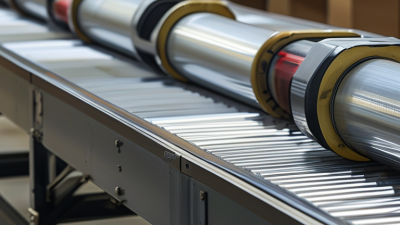
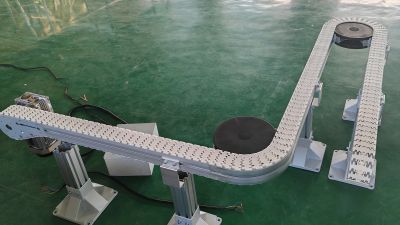
Conveyor roller parts are pretty much essential in all kinds of industrial setups. They play a big role in making sure products move smoothly and efficiently, which helps boost productivity overall. There are different kinds of non-powered roller conveyors, each designed for specific tasks. For instance, the Straight Non-powered Roller Conveyor is great when you need to handle materials in a straight line, while the Curved Non-powered Roller Conveyor is perfect for making those smooth turns around corners without breaking a sweat.
Choosing the right conveyor roller parts can feel a bit overwhelming at times. You really gotta think about what you’re using them for. If you need to move products up an incline, an Inclined Non-powered Roller Conveyor does the trick. For more flexibility with your layout, a Flexible Roller Conveyor is a solid choice because it can adapt to different setups. And if you’re dealing with heavier loads or need more capacity, a Double-layer Roller Conveyor can handle that with ease.
That said, picking the right parts isn’t always straightforward. You need to have a pretty good understanding of the different types, or you risk messing up your setup — which could lead to inefficiencies or even equipment breakdowns. When it comes to options like Loop Roller Conveyors or Frame-type Rollers, it’s especially important to have some expertise on hand. Finding a supplier you can trust for those kinds of parts is key, because not everyone knows their stuff in this area.
What Are Conveyor Roller Parts?
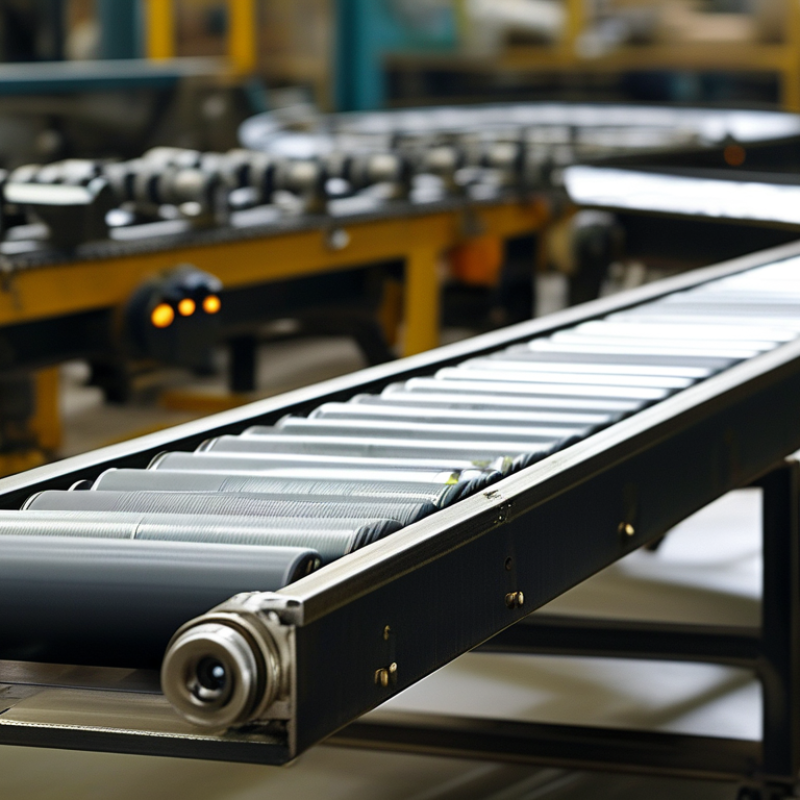
Conveyor roller parts are crucial in the logistics and manufacturing sectors. They consist of cylindrical rollers mounted on a frame. These rollers transport materials efficiently across various distances. The global conveyor systems market is projected to reach $7.17 billion by 2026, highlighting the increasing reliance on such technology.
There are various types of conveyor rollers. A powered roller conveyor, for example, uses electricity to move products continuously. In contrast, a telescopic roller conveyor extends and retracts, making it ideal for loading and unloading. Curved roller conveyors navigate corners, improving space efficiency. Heavy-duty roller conveyors handle significant weights, delivering strength where it's needed most.
Despite their advantages, reliance on conveyor rollers has challenges. Regular maintenance is essential to ensure proper function. Wear and tear can lead to breakdowns, causing delays in operations. In some cases, companies overlook the need for robust systems like double-layer roller conveyors, thinking simpler designs will suffice. These oversights can result in maximum efficiency being compromised, highlighting the need for reflection and reassessment in roller conveyor selections.
Types of Conveyor Roller Parts and Their Functions
Conveyor roller parts play a vital role in various material handling systems. Different types of roller conveyors cater to diverse industrial needs. Each type has its specific functions, making them essential components in production lines and warehouses.
The **non-powered roller conveyor** relies on gravity to move items along. It is cost-effective and allows for smooth transportation. Another effective type is the **gravity roller conveyor**, which also uses gravity but offers more flexibility in layout and design. This type enables the easy movement of items without needing electrical power. In contrast, the **manual roller line** demands operator intervention to move goods, which can slow down operations but is often useful in smaller setups.
Flexible roller conveyors are adaptable to various configurations. They can be adjusted to fit the space, accommodating different product sizes and weights. On the other hand, **curved gravity roller conveyors** allow products to navigate turns and corners efficiently. This adaptability enhances workflow and saves floor space. According to industry reports, the conveyor systems market is expected to grow significantly, indicating a rising demand for various roller types and their optimization in logistics. Understanding these functions allows companies to select the right conveyor system, enhancing efficiency and reliability in operations. However, neglecting maintenance of these parts can lead to inefficiencies, emphasizing the need for regular inspections.
Types of Conveyor Roller Parts and Their Functions
How Conveyor Rollers Facilitate Material Handling
Conveyor rollers are essential components in material handling systems. They provide a smooth surface for products to travel on, reducing friction during movement. This function is critical in many industries, from manufacturing to warehousing. With the right configuration, they can improve efficiency significantly.
Flexible roller lines, such as a flexible roller conveyor, offer adaptability in various setups. These systems can easily expand or contract based on the available space. An expandable roller line can navigate tight corners, saving valuable floor space. However, they require careful planning and adjustment to ensure optimal performance. If not properly aligned, they may cause product jams or inefficient transit.
The bendable roller assembly line allows for dynamic layouts. Workers can easily adjust these systems to meet changing demands. Yet, it’s essential to regularly inspect the rollers and the overall system. A non-powered flexible roller line requires manual effort, and maintaining momentum can be challenging. Understanding the dynamics behind these systems is crucial for smooth operations, as even minor misalignments can escalate to operational setbacks.
What is Conveyor Roller Parts and How Do They Work? - How Conveyor Rollers Facilitate Material Handling
| Part Name |
Material |
Function |
Application |
| Conveyor Roller |
Steel |
Facilitates the movement of materials |
Packaging, Warehousing |
| End Caps |
Plastic |
Secures roller ends |
Conveyor Systems |
| Bearing |
Steel |
Reduces friction for smoother operation |
Manufacturing |
| Frame |
Aluminum |
Supports the roller structure |
Material Handling Systems |
| Drive Pulley |
Steel |
Transmits power to the roller |
Conveyor Belts |
The Mechanics Behind Conveyor Roller Operation
Conveyor roller parts play a crucial role in how conveyor systems function. The mechanics behind conveyor roller operation are relatively simple yet highly effective. Each roller acts as a support that allows the belt to move. This movement reduces friction and boosts efficiency. Rollers are usually made from robust materials to withstand heavy loads. Each roller must rotate freely to maintain the conveyor's speed.
Tips: Regular inspections of the rollers can prevent unexpected downtime. Look for wear and tear. Any alignment issues could affect the belt's performance.
These systems depend heavily on the smooth operation of each component. If a roller is damaged or misaligned, the entire conveyor could face operational issues. Maintenance is not just about keeping the belt moving; it’s about ensuring each roller is performing its function efficiently.
Tips: Cleaning the rollers helps enhance their lifespan. Dust and debris can impede their movement. Also, consider using appropriate lubricants to minimize friction. Regular maintenance checks will improve reliability.
Maintenance Best Practices for Conveyor Roller Parts
Maintaining conveyor roller parts is vital for optimal performance. Regular inspections should be a routine practice. Check for wear and tear, as these parts endure heavy loads over time. Listen for unusual noises during operation, which may indicate issues. Early detection can prevent costly downtime.
Lubrication plays a crucial role in maintenance. Ensure proper lubrication is applied according to the manufacturer’s recommendations. Too much or too little lubrication can lead to malfunction. Keep the rollers clean from debris and contaminants. This enhances their lifespan and efficiency.
Additionally, training staff on best practices is essential. Employees should understand how to identify common issues. Investing in regular training ensures that everyone knows maintenance procedures. Reflection on past mistakes can improve future maintenance strategies. Small oversights can lead to larger problems, so attention to detail is key.
Common Issues with Conveyor Rollers and How to Fix Them
Conveyor rollers are vital components in various industries, transporting goods efficiently. However, they often encounter issues that can hinder performance. According to industry reports, over 40% of roller failures result from inadequate maintenance and wear. Common problems include misalignment, excessive noise, and roller failure.
Misaligned rollers can create friction, leading to increased wear and tear. This issue often arises from improper installation or damaged frames. Regular inspections can help identify misalignment early. Noise issues usually result from a lack of lubrication, causing rollers to grind against their housings. Implementing a scheduled lubrication program can significantly reduce these sounds.
Another common issue is bearing failure, which can happen in over 30% of roller-related problems. This can stem from contamination or overload conditions. Using sealed bearings and maintaining proper load capacities can mitigate these failures. Operators should be vigilant, as overlooked roller issues can disrupt entire production lines. Addressing these concerns promptly can save time and costs in the long run.
Applications of Conveyor Rollers in Various Industries
Conveyor rollers are integral in various industries, serving crucial roles in material handling. In manufacturing, powered flexible roller lines efficiently transport products along assembly lines. These systems adapt to complex layouts, making them versatile in dynamic work environments. Facilities often favor stainless steel flexible roller lines for their durability and resistance to corrosion. This feature is particularly valuable in food processing, where hygiene standards are strict.
The construction sector benefits from robust carbon steel flexible roller conveyors. They can withstand heavy loads, transporting materials like bricks and tiles with ease. However, using the right roller line is essential. A miscalculation in weight or size can lead to system failures. Rubber-coated flexible roller lines are popular in warehouses, as they reduce impact and noise during operation. This cushioning helps protect sensitive items during handling.
Not all installations go smoothly. Some facilities may face challenges integrating these systems into existing workflows. Workers need training to operate them safely and efficiently. Without proper oversight, accidents can occur, leading to costly downtime. Hence, the selection and implementation of conveyor roller systems require careful consideration and expertise.
Streamlining Logistics: A Comprehensive Guide to Selecting the Best Flexible Expandable Roller Conveyors from China
When it comes to optimizing logistics operations, selecting the right equipment is crucial. Flexible roller conveyors provide a practical solution due to their modular and adaptable design, enabling businesses to efficiently transport various materials such as boxes, bags, and pallets. These conveyors are engineered for easy assembly and disassembly, making them suitable for diverse operational environments where functionalities like turning, telescoping, and inclining are necessary.
Industries ranging from warehousing and sorting to e-commerce logistics, electronics manufacturing, and food and pharmaceuticals benefit significantly from the use of flexible roller conveyors. Their seamless integration with both upstream and downstream equipment enhances workflow, ensuring that materials move smoothly through production lines. As leading suppliers of these conveyors, the focus is on delivering products that improve operational flexibility and efficiency, allowing organizations to meet dynamic market demands with ease.
FAQS
: It moves items using gravity, offering cost-effective, smooth transportation.
It also uses gravity but offers more layout flexibility, enhancing product movement without electrical power.
It requires operator intervention, which can slow down operations, especially in smaller setups.
They help detect wear and tear early, preventing costly downtime and ensuring optimal performance.
Too much or too little can cause malfunctions, impacting overall efficiency and lifespan.
Stainless steel rollers are valued for durability and corrosion resistance, crucial for maintaining hygiene standards.
Misalignment with existing workflows and a lack of proper training for staff can lead to accidents.
They cushion impacts during handling, reducing noise and safeguarding fragile products.
Employees should understand common issues to improve maintenance strategies and prevent future problems.
Small oversights can escalate into larger issues, leading to inefficiencies and increased operational costs.
Conclusion
Conveyor roller parts are essential components of conveyor systems that facilitate the smooth transportation of materials across various industries. These parts include rollers, bearings, and brackets, each serving specific functions that enhance the efficiency of material handling. The different types of conveyor roller parts, along with their respective functions, ensure that items are moved safely and effectively, reducing operational downtime.
Understanding the mechanics of how conveyor rollers operate is crucial for maximizing productivity. Regular maintenance practices are necessary to prevent common issues, such as misalignment and wear, which can disrupt operations. By addressing these concerns proactively and recognizing the broad applications of conveyor rollers, businesses can maintain optimal performance and reliability within their material handling processes.