Leave Your Message
0%

Picking the right conveyor system really can make a big difference for your business. If you choose wisely, you’ll see faster operations and save some cash along the way. Honestly, it’s super important to get a clear picture of what you actually need before jumping into any big decisions. There are so many types of conveyor systems out there, each with their own quirks and benefits. Getting familiar with these helps you make smarter choices.

Think about things like how big your space is and what kind of materials you’ll be moving around. It’s also helpful to imagine how the conveyor belt system will fit into your current setup—visualize it before committing. Taking the time to figure out exactly what your operations require can save you from headaches later on. And hey, don’t rush it; rushing might lead to issues that could’ve been avoided.

If you pick the wrong system, things could slow down or even create safety problems. So, reflect on what’s worked for you before and what hasn’t. Don’t hesitate to ask industry pros for tips—they’ve been there, done that. At the end of the day, carefully choosing your conveyor system isn’t just about now; it’s about setting yourself up for long-term success.
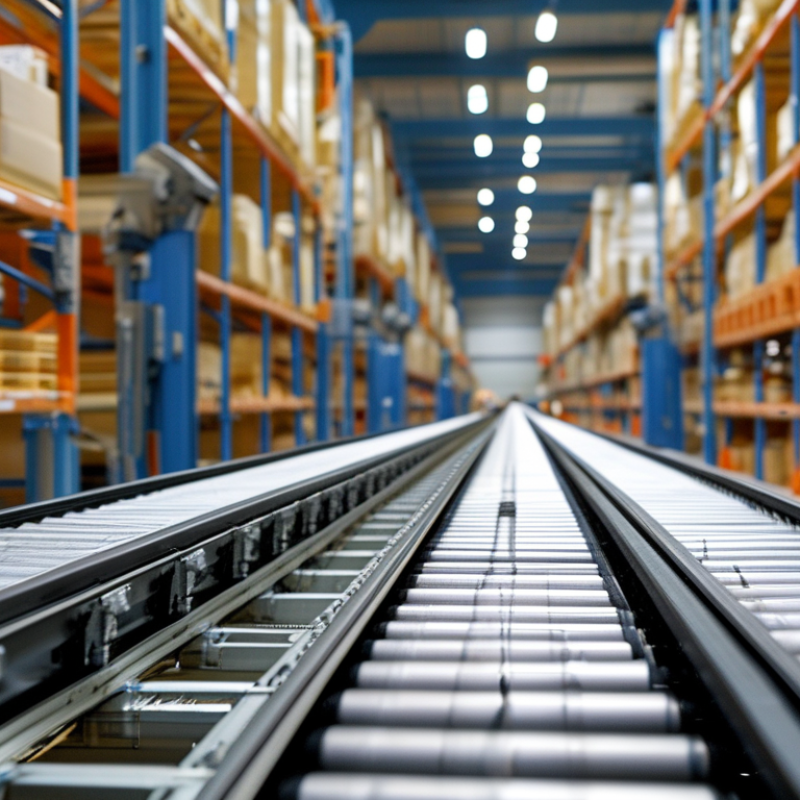
Top 5 Tips for Choosing the Right Conveyor System?

Understanding Conveyor Systems: An Overview of Types and Uses

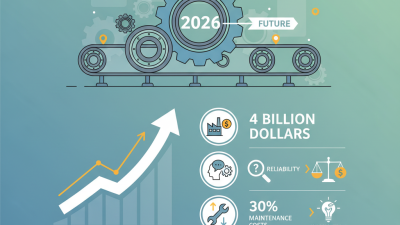
Conveyor systems play a vital role across various industries. They facilitate the movement of products and materials efficiently. Different types of conveyor systems serve myriad purposes, from manufacturing to warehousing. According to a report by MarketsandMarkets, the conveyor systems market is projected to reach USD 7.8 billion by 2026, reflecting the growing demand for automation.

When selecting a conveyor system, consider the type best suited for your operations. For instance, belt conveyors are ideal for stable and flat items. Meanwhile, roller conveyors can handle heavier loads. Each system comes with specific advantages depending on the material being transported.

Tip: Assess your space. Measure your available area and ensure the system can fit comfortably. One overlooked detail is the incline; it affects the efficiency of material movement. Additionally, evaluate your load capacity requirements. Ensure the conveyor can support the weight of your heaviest items. Relying on the wrong system can lead to inefficiencies and potential safety hazards.

In some cases, you may need to reconsider existing equipment. Upgrading or modifying a conveyor system might be necessary for future scalability. Always consult with a professional to validate your choices. Make an informed decision to enhance productivity and safety in your operations.

Assessing Your Business Needs for Conveyor System Selection

When assessing your business needs for conveyor system selection, start by evaluating the specific requirements of your operations. According to a report by the Material Handling Industry of America, around 70% of inefficiencies in production can stem from inadequate material handling systems. Understanding the flow of materials in your facility is crucial. Identify bottlenecks and areas where speed can improve production.

Select a conveyor system tailored to the size and weight of your products. Figures from the Conveyor Equipment Manufacturers Association indicate that systems designed for specific loads can enhance productivity by as much as 30%. Consider the layout of your workspace as well. The design should maximize space while allowing for maintenance access. Flexibility can also be a determining factor. Many companies find unexpected growth challenges when their systems cannot adapt.

Don't overlook the importance of safety. A well-designed conveyor system reduces the risk of accidents and injuries. Data from the Occupational Safety and Health Administration shows that material handling injuries account for nearly one-third of all workplace injuries. This highlights the need for selecting systems that prioritize worker safety. Each decision made here will have long-term impacts. Reflect on your choices regularly.

Top 5 Tips for Choosing the Right Conveyor System

This chart displays the importance of different criteria when selecting a conveyor system for your business needs.

Evaluating Conveyor System Efficiency and Speed Requirements

When evaluating conveyor system efficiency, speed is paramount. An optimal conveyor system must match the pace of your production line. Research indicates that a well-calibrated Belt Conveyor System can improve throughput by up to 30%. This increase often hinges on the right system configuration and speed matching.

Consider the workspace. If the area is tight, a slower Belt Conveyor System may reduce accidents but impact efficiency. Conversely, in a spacious setting, a faster system can enhance operations but risks product damage. Implementing speed adjustments based on the product being transported is crucial.

Moreover, it's essential to assess load handling. The efficiency of a Belt Conveyor System also depends on the weight and type of material. Industry standards suggest performing regular speed tests to ensure reliability. These tests help identify any speed deviations that might lead to bottlenecks. Unseen inefficiencies can accumulate, hindering overall performance. Small changes in speed can lead to substantial impacts on productivity and reliability.

Considering Space and Layout Constraints for Conveyor Installation

When planning a conveyor installation, space and layout are crucial. You need to understand your workspace dimensions. Consider the height, width, and the total area available for the conveyor system. Each configuration can affect how efficiently the system functions.

Tip: Map out your layout before installation. This helps identify obstacles or potential bottlenecks. Ensure the design supports smooth flow. A well-structured Pallet Conveyor System requires adequate space to allow for easy maintenance and operation.

Evaluate the flow of materials. If the layout is cramped, it can lead to inefficiencies. Remember that flexibility is valuable; conveyor systems should adapt to changing needs. Don't ignore the vertical space; overhead conveyors might be a viable option. Consider how your layout will adapt over time, focusing on future growth.

Analyzing Cost Factors and Budget for Conveyor System Investment

When selecting a conveyor system, understanding the cost factors is crucial. Industry reports indicate that conveyor systems can constitute up to 30% of the total production costs in automation. Budget constraints can limit options, making careful analysis necessary. A thorough evaluation of both initial and long-term expenses is key. Equipment, installation, and maintenance all directly impact total operating costs.

Consideration of operational efficiency also plays a role. A recent study found that inefficient systems can increase operational costs by 15%. Investing in a quality conveyor system may yield savings in the long run. For instance, improved energy efficiency can reduce power costs significantly. Additionally, system downtime can lead to substantial losses.

It’s essential to assess whether a low upfront cost attracts you. Equipment that seems budget-friendly might not perform well. Long-term, these choices can affect reliability and productivity. Regular maintenance expenses should also factor into your budget. A system's operational performance should align with your financial strategies. Ultimately, it's not just about the initial investment but the overall value throughout the system’s lifespan.

Researching Suppliers and Manufacturers for Quality Assurance

When choosing a conveyor system, one crucial factor is supplier and manufacturer research. Start by assessing their experience in the industry. A company with years of expertise often understands market needs better. Look for reviews and testimonials from previous clients. Positive feedback can indicate reliability and quality.

Next, evaluate their product range. A versatile supplier will likely offer various solutions, including Modular Conveyor Systems. Such systems are adaptable and can fit different operational needs. Also, ensure the suppliers provide sufficient customer support. This will be vital if issues arise after installation.

Consider visiting manufacturing facilities if possible. This allows a firsthand look at production processes and standards. A transparent company will welcome this inquiry. Make sure to ask about certifications and quality control processes. These practices reflect the company's commitment to quality assurance. Remember, it’s essential to be diligent in your research. A wrong choice in the supplier can lead to operational setbacks.

Planning for Future Scalability and Adaptability of Conveyor Systems

When planning for future scalability and adaptability of conveyor systems, it's crucial to consider the evolving needs of your operations. A recent industry report highlighted that 70% of companies expect significant changes in their logistics over the next five years. This shifts the focus on conveyor systems to accommodate future demands.

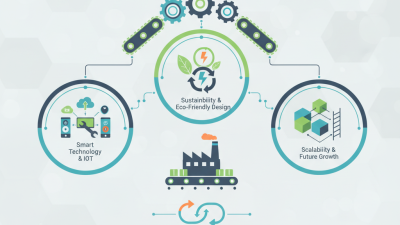
Choosing a Flexible Conveyor System can enhance adaptability to varying product sizes and layouts. These systems allow for easy integration with new technologies, such as automation and IoT. A study found that companies utilizing flexible systems report a 30% increase in efficiency during transitions. Transitioning between product lines should be seamless, yet many organizations struggle with rigid systems that can lead to costly downtimes and production halts.

Companies need to assess their capacities for growth. 40% of users stated they had to replace their conveyor systems within a few years due to lack of scalability. An adaptable system not only supports current workflows but also anticipates future expansions. Investing in modular designs becomes increasingly essential, as they offer versatility and reduce long-term costs. This ongoing reflection on adaptability will be key to maintaining efficiency and competitiveness in evolving markets.

Innovative Solutions: The Role of Stainless Steel Conveyor Lines in Food, Pharmaceutical, and Electronics Industries

Stainless steel conveyor lines play a crucial role in modern industries that demand high standards of cleanliness and corrosion resistance, particularly in the food, pharmaceutical, and electronics sectors. These advanced conveyor systems utilize stainless steel chains, which are not only durable but also easy to sanitize, making them an ideal choice for environments where hygiene is paramount. Their robust design ensures they withstand the rigorous demands of continuous operation, while offering flexibility in material handling.

One of the key advantages of stainless steel chain conveyor lines is their ability to facilitate multi-path conveying. These systems can be configured for horizontal, inclined, and turning applications, adapting seamlessly to intricate workshop layouts. Additionally, the modular nature of these conveyors allows for customization and splicing, enabling businesses to tailor solutions that meet their unique production requirements. Auxiliary components can be integrated, transforming the conveyor system into a comprehensive solution that combines transportation with operational processes, thus enhancing efficiency in material transfer and process connection.

FAQS

: What are conveyor systems used for?

: Conveyor systems transport products and materials efficiently across various industries. They are essential for manufacturing and warehousing.

How can I choose the right conveyor system?

Assess the type that suits your operations. Consider factors like item stability, load weight, and space availability.

What should I evaluate before installation?

Measure your area carefully. Ensure the system fits and consider the incline. Both impact material movement efficiency.

What happens if I select the wrong system?

It can cause inefficiencies. There may also be safety hazards, especially with heavy or unstable loads.

How important is speed in a conveyor system?

Speed is critical. The right speed enhances throughput. Mismatched speed can slow down or damage products.

Should I modify existing equipment?

Yes, upgrading may improve efficiency and scalability. Consult professionals to ensure informed decisions.

How often should I test conveyor system speed?

Regular speed tests are essential. They help identify deviations that could create bottlenecks or inefficiencies.

Can an incline affect performance?

Absolutely. An incline impacts how efficiently materials move. Analyze and adjust accordingly for better results.

What are the risks of high-speed conveyors?

Faster systems can lead to product damage. Balancing speed and safety is crucial in operations.

Why consider future scalability?

As demands grow, you might need to enhance your system. Planning ahead helps avoid costly upgrades later.

Conclusion

Choosing the right conveyor system is essential for optimizing manufacturing and logistics processes. This requires a thorough understanding of the various types of conveyor systems and their specific applications. It's important to assess your business needs, focusing on efficiency and speed requirements while considering the available space and layout for installation.

Additionally, cost factors and budget constraints play a significant role in the decision-making process, as does selecting reputable suppliers and manufacturers to ensure quality assurance. Lastly, planning for future scalability and adaptability allows businesses to invest in conveyor systems that can grow with their operations, facilitating ongoing productivity and efficiency improvements.
Emma

Emma

Emma is a dedicated marketing professional at Suzhou Daoda Automation Equipment Co., Ltd., known for her deep expertise in industrial automation. With a strong background in professional design and precision manufacturing, she plays a crucial role in communicating the company’s core business......
Previous How to Choose the Best Roller Table Conveyor for Your Business?
https://ecdn6-nc.globalso.com/upload/p/6059/image_other/2026-05/foot_whatsapp.png