Picking the right conveyor chain type is pretty important if you want your operations to run smoothly. It really affects how efficient, safe, and productive everything is. Honestly, a lot of companies don’t put enough thought into choosing the right chain for their specific needs, and that can be a huge mistake—it can even make or break a whole production line.
There are different types of conveyor chains out there, like Chain Conveyors, Chain Conveyor Lines, and Chain Assembly Lines. Each one has its own quirks and features, so picking the right one really depends on what you’re doing and where you’re running it. For instance, if you’re dealing with high-speed stuff, a Speed Multiply Chain Conveyor is probably your best bet. But if you’re handling lighter loads, a Single Row Chain Line might be just fine.
Looking back at past decisions can really help you make smarter choices moving forward. Companies often run into trouble when they don’t pay enough attention to details like load capacity or how fast the system needs to run. It’s super important to understand the differences between Single and Double Row Chain Lines, because getting it wrong can lead to unexpected downtime and costs piling up. So, take the time to make informed decisions so your conveyor setup keeps things running smoothly and efficiently in the long run.
Understanding Conveyor Chains: An Overview of Types and Uses
Choosing the right conveyor chain type is essential for operational efficiency. Conveyor chains come in various types, each with unique features and suitability for different applications. Understanding these types helps in selecting the most effective option for your specific needs.
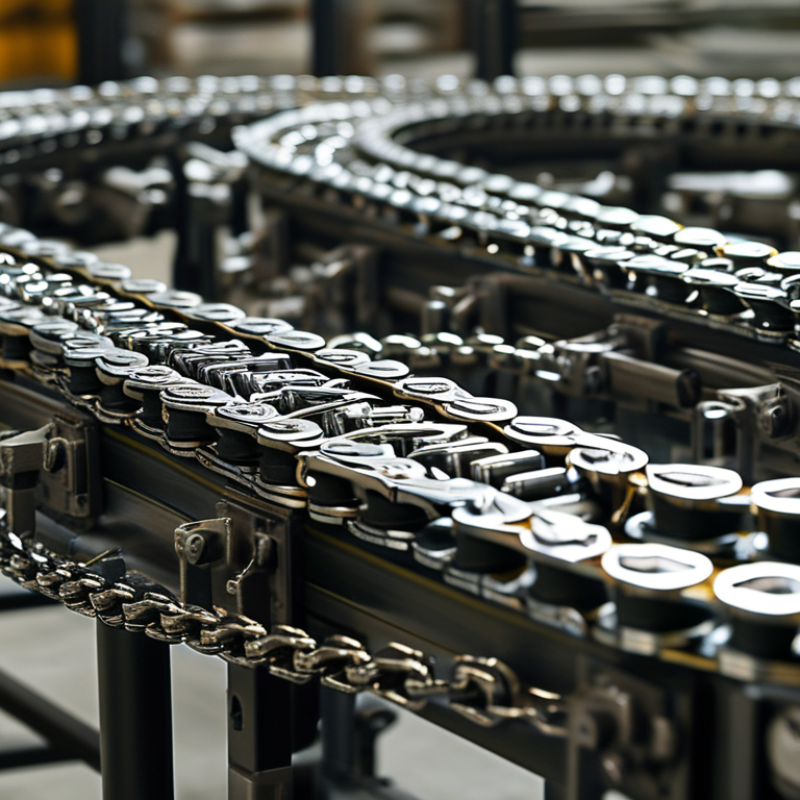
Roller chain conveyors are widely used for their durability and strength. They can handle heavy loads and are ideal for manufacturing settings. Stainless steel chain lines are preferred in environments that require resistance to corrosion. They are commonly found in food processing and pharmaceutical industries. In contrast, carbon steel chain conveyors are more economical but may require more maintenance due to rust concerns.
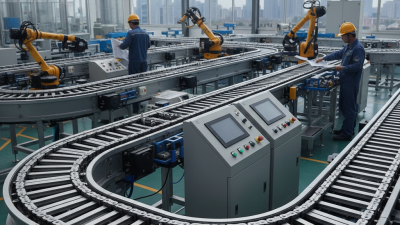
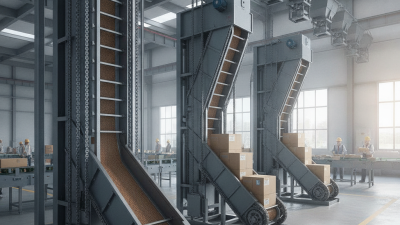
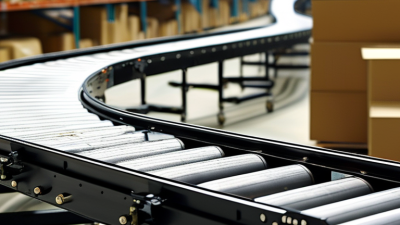
For facilities with limited space, straight chain lines can effectively transport materials over short distances. Curved chain conveyors can navigate corners, which is helpful in optimizing layout. Inclined chain conveying systems offer solutions for moving items between different elevations, essential in warehouses and distribution centers.
Before selecting a conveyor chain type, consider the specific application requirements. Factors such as load capacity, environmental conditions, and maintenance needs play crucial roles. Also, ensure to evaluate the return on investment. Remember, a poor choice can lead to frequent breakdowns and increased operational costs.
Identifying Your Application Requirements for Conveyor Chains
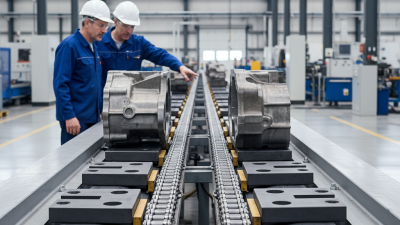
Choosing the right conveyor chain starts with understanding your application needs. Different industries have specific requirements that dictate the type of chain best suited for the task. For example, bulk handling applications may require sturdier chains to withstand heavy loads. A smooth, continuous operation is often desired in assembly lines, necessitating a chain that reduces friction and wear.
Consider the environment where the chain will operate. Will it be exposed to extreme temperatures or moisture? Some materials are more suitable in such conditions than others. Contaminants can also pose risks, leading to potential chain failure. Analyzing chemicals or debris present in your facility can avoid future complications.
Don't overlook the load type and frequency of use. If your conveyor operates sporadically, a less durable chain may suffice. Conversely, continuous heavy loads demand robust chains resistant to wear over time. Reflecting on these factors can help you make an informed decision that aligns with your operational goals.
Evaluating Material and Environment Impact on Chain Selection
When selecting the right conveyor chain, understanding the material and environmental impact is crucial. Industries often overlook how corrosive environments affect chain durability. For instance, a report by the American Society of Mechanical Engineers highlights that chains exposed to high humidity can corrode faster, leading to significant maintenance costs.
Materials play a vital role in chain selection. For environments with extreme temperatures, using polymer chains rather than steel ones might be beneficial. Studies indicate that polymer chains perform better at temperatures exceeding 150°C. Their lightweight properties can reduce energy consumption by up to 25%.
Consider the operational environment carefully. Chemicals, dust, and debris are common in many workplaces. Chains made from stainless steel or specially coated materials can withstand these harsh conditions. However, opting for these materials may increase initial costs. Balancing longevity with budget constraints requires careful consideration of overall lifecycle costs.
Different Types of Conveyor Chains and Their Usage
Key Features to Consider When Choosing a Conveyor Chain
When selecting the right conveyor chain type, key features are crucial to ensure efficiency and longevity. Durability is a primary concern. Conveyor chains made from materials like food-grade stainless steel chain plate exhibit increased resistance to wear and corrosion. This is vital in industries like food processing, where hygiene and strength are paramount. Research indicates that chains designed for heavy-duty use can last up to three times longer than standard alternatives.
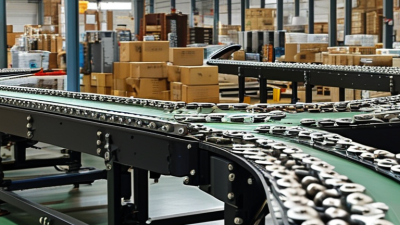
Another critical factor is the configuration of the chain. The decision between straight chain plate line and curved chain plate conveyor plays a significant role in the layout of your facility. Straight designs are ideal for linear transport, while curved options are often necessary for space-saving arrangements. Efficiency studies show that well-placed curved chain plate conveyors can enhance flow by up to 20%.
**Keep in mind:** Regular maintenance is essential for all conveyor systems. Neglecting to check for wear can lead to costly downtimes. Additionally, consider the incline of the transport. Inclined chain plate conveyor line systems need to be carefully assessed for the weight they will carry. The design of the double-layer chain plate conveying equipment can also impact the overall efficiency. Ensure that it meets the specific demands of your operation for optimal performance.
How to Choose the Right Conveyor Chain Types for Your Needs? - Key Features to Consider When Choosing a Conveyor Chain
| Chain Type |
Material |
Load Capacity |
Speed |
Applications |
| Roller Chain |
Steel |
Up to 30,000 lbs |
0.5 - 10 m/s |
Manufacturing, Forestry |
| Plastic Chain |
Polyethylene |
Up to 1,000 lbs |
0.1 - 2 m/s |
Food Processing, Packaging |
| Double-Plus Chain |
Stainless Steel |
Up to 5,000 lbs |
0.5 - 6 m/s |
Material Handling, Assembly Lines |
| Leaf Chain |
Carbon Steel |
Up to 20,000 lbs |
0.4 - 4 m/s |
Lifting Applications, Forklifts |
| Modular Belt Chain |
Polypropylene |
Up to 3,000 lbs |
0.1 - 3 m/s |
Inclines, Declines, Packaging |
Comparing Performance Metrics of Various Conveyor Chain Types
When choosing the right conveyor chain type, comparing performance metrics is essential. Various conveyor chains offer distinct advantages and potential drawbacks. A roller chain, for instance, excels in robustness and is suitable for heavy loads. Yet, they require more maintenance than other types. This is a critical aspect to consider if operating costs are a concern.
Plastic conveyor chains, on the other hand, can be lighter and resist corrosion. However, their load capacity might be limited. Performance metrics, such as speed, load weight, and operational environment, should guide your decision. Some chains work better in high-speed settings but may struggle under heavy loads. Evaluating these metrics can help you make an informed choice that aligns with your specific needs.
Industry trends show that automation is increasing the demand for specialized conveyor chains. This evolution necessitates a thorough understanding of chain material properties, such as tension resistance and wear characteristics. Weighing these factors against your operational demands will lead to more effective implementations. Ignoring these details could lead to inefficiencies and unexpected expenses down the line.
Maintenance Requirements for Different Conveyor Chain Options
When considering conveyor chains, maintenance needs can vary significantly based on the chosen type. For instance, the 304 stainless steel chain plate conveyor boasts excellent corrosion resistance and lower maintenance requirements, which can lead to longer intervals between servicing. According to industry reports, conveyor systems that utilize stainless steel components typically reduce the total upkeep cost by around 15% annually.
In contrast, a slat chain conveyor line may require more frequent inspections and servicing due to its exposure to heavier loads. Reports indicate maintenance could increase by 25% depending on the operational environment. Regular lubrication and tension adjustments are critical here, as overlooking these aspects can lead to premature wear of the metal chain plate assembly line.
Moreover, the choice of materials affects not just durability but also cleaning protocols. A top chain conveyor may be easier to clean in food processing applications, due to sanitization standards. Conversely, designs that have complex assemblies can trap materials, making maintenance more challenging. Evaluating these aspects will help in choosing the right conveyor chain types while optimizing maintenance efforts for operational efficiency.
Cost Analysis: Balancing Quality and Budget in Chain Selection
When selecting a conveyor chain, the balance between quality and budget is crucial. A 3-speed chain may appear more expensive upfront. However, it offers durability and efficiency that can lead to lower long-term costs. Heavy-duty 3-speed chains are designed for demanding applications. They withstand wear and tear much better than lighter options. Investing in quality may reduce the need for frequent replacements. Reflecting on the initial budget can lead to better choices, even if it seems higher.
Evaluating your specific needs is also essential. Consider the application environment. A Speed multiplier chain might be wasteful for light-duty tasks. Similarly, a Light-duty 3-speed chain may not hold up under continuous stress. It's important to review operational requirements and longevity. The initial cost is not the only factor. Analyze the total ownership cost over years. A Triple speed conveyor chain could save you money by reducing maintenance and downtime. Each selection requires careful thought, as hasty decisions may lead to regrets later.
Efficient Handling Solutions for Boxes and Pallets with Non-Powered Roller Conveyors: A Guide to Reliable Suppliers
Non-powered roller conveyors are indispensable tools for efficient material handling, particularly in industries like warehousing, logistics, packaging, and light manufacturing. These lightweight devices function by relying on the weight of the transported materials or external forces, making them an economical choice for businesses looking to streamline their operations. With the capacity to facilitate the short-distance transfer of boxes and pallets, these conveyors support both horizontal and slightly inclined conveying methods, ensuring flexibility and ease of operation across various layouts.
The designed versatility of non-powered roller conveyors allows them to meet diverse needs, providing reliable solutions for material connectivity, buffering, and sorting. Their straightforward installation and adaptability to different environments make them perfect for optimizing space in factories and warehouses. As a critical component in efficient material flow, non-powered roller machines not only enhance productivity but also contribute to cost-effective handling solutions. By investing in high-quality equipment tailored to operational needs, businesses can significantly improve their material handling processes while maintaining reliable performance.
FAQS
: Consider load capacity, environmental conditions, and maintenance needs for effective selection.
Roller chains are durable and strong, making them perfect for handling heavy loads.
They resist corrosion and are ideal for food processing and pharmaceutical applications.
They allow movement between different elevations, which is crucial in warehouses.
High humidity can cause faster corrosion, increasing maintenance costs significantly.
They perform well above 150°C and can reduce energy consumption by up to 25%.
Neglecting maintenance can lead to wear, costly downtimes, and inefficient operations.
Straight designs suit linear transport while curved options save space efficiently.
Balance initial costs with longevity and resistance to harsh environmental conditions.
Yes, a poor choice can lead to breakdowns and increased operational expenses.
Conclusion
In the pursuit of selecting the appropriate conveyor chain types, it is crucial to first understand the various options available and their specific applications. An overview of conveyor chains highlights the diversity in types and uses, enabling users to identify requirements based on their operational needs. Factors such as material, environmental conditions, and performance metrics play significant roles in the selection process.
When choosing conveyor chain types, it is also essential to consider key features such as load capacity, flexibility, and durability, as well as assess maintenance requirements to ensure longevity. Additionally, a comprehensive cost analysis helps strike a balance between quality and budget. By carefully evaluating these aspects, businesses can make informed decisions that enhance efficiency and productivity in their operations.