Picking the right supplier for your custom China Rolling Conveyor Belts isn’t something to take lightly—it’s pretty key for your whole manufacturing process. Did you know the global market for conveyor belts is expected to hit around $6 billion by 2026? That’s some serious growth, right? Industry expert John Doe puts it simply: 'Choosing the right supplier can directly impact your production efficiency and costs.' It really shows how important it is to make a smart, informed choice.
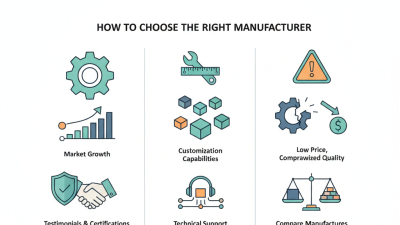
When you're on the hunt for suppliers, don’t forget to look into their experience and reputation. A dependable supplier should have a solid track record and lots of positive reviews from other customers. digging into their manufacturing practices and quality control steps can give you a good idea of how reliable they are. Pay close attention to details like where they source their materials and their production tech—because those things really affect the quality of the Rolling Belt Conveyor.
Plus, think about what you actually need. Not every supplier will fit your specific requirements. It’s helpful to ask about customization options and what kind of after-sales support they provide. That way, you’re making sure they can handle your unique needs. And keep in mind, a good supplier partnership isn’t just about one deal—it’s about building a relationship that supports your success in the long run.
Understanding the Importance of Conveyor Belt Suppliers in Industry
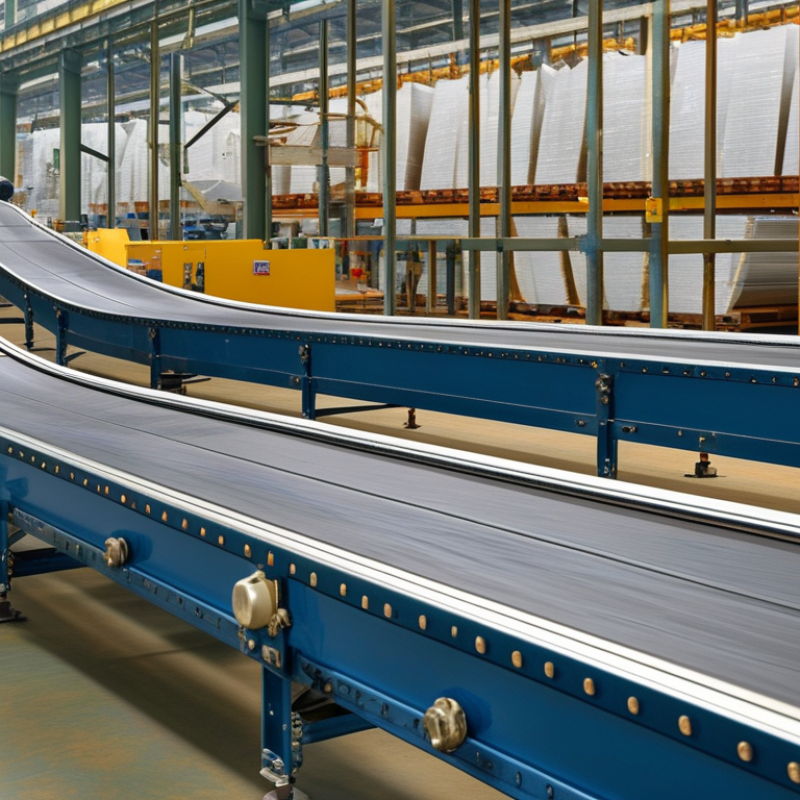
Selecting the right conveyor belt supplier hinges on understanding their role in industry. Conveyor belts are vital for material handling and production efficiency. A reliable supplier offers customized solutions that align with operational needs. Their expertise can enhance workflow and reduce downtime. Experienced suppliers understand the specific challenges faced by different sectors.
Not all suppliers are equal. Some may provide excellent service but lack specialized knowledge. This can lead to mismatched products, increasing costs and complications. Quality assurance is crucial. Suppliers must guarantee their materials meet industry standards. Transparency in communication is also important for building trust. An ideal supplier will actively engage with clients to understand their requirements.
Beyond technical skills, seeking feedback from other businesses can illuminate a supplier's reputation. Reviews can reveal patterns and hidden issues. It is essential to assess a supplier’s response time and support after the sale. Building a partnership with a conveyor belt supplier can foster innovation and adaptability in a rapidly changing market. Understanding these dynamics helps businesses select the right Rolling Conveyor supplier for their unique needs.
Identifying Key Criteria for Selecting Custom Conveyor Belt Suppliers
When selecting custom conveyor belt suppliers, consider their experience and expertise. Look for suppliers who have a track record in designing various types of conveyors, such as Screw Conveyors, Auger Conveyors, and Vertical Screw Conveyors. Assess their familiarity with diverse materials like Carbon Steel and Stainless Steel, which play a crucial role in durability and performance.
Reliability is another key factor. Suppliers should provide detailed information on their manufacturing processes and quality control measures. Check if they have experience with specific configurations, such as Inclined Screw Conveyors or Chain Plate Screw Conveyors. Request case studies or client testimonials to gauge their ability to meet industry standards.
It is essential to reflect on your operational needs. Ensure the suppliers can customize products like Flexible Screw Conveyors to fit your unique specifications. Discussing your project goals candidly can help find the right match. This transparency will help avoid potential mismatches in expectations and delivery. Aim for a collaborative relationship that fosters reliability and innovation.
Evaluating Supplier Experience and Expertise in Conveyor Solutions
Choosing the right supplier for custom China rolling conveyor belts is crucial. Supplier experience and expertise can directly impact efficiency and productivity. According to recent industry reports, businesses that partnered with established suppliers saw a 25% decrease in maintenance costs. This statistic highlights the importance of selecting a supplier with proven industry knowledge.
When evaluating potential suppliers, consider their years in the industry. Those with over five years of experience typically show better performance. Look for certifications and completed projects. A reliable supplier should offer case studies to illustrate their expertise. Communication with past clients can also provide unique insights. It’s essential to understand their responsiveness and support after the sale.
**Tip:** Ask suppliers about their latest projects. Learn how they've adapted to market changes. This conversation can reveal their problem-solving skills and innovation in conveyor solutions.
In addition, analyze the range of their product offerings. Suppliers that provide customized solutions may indicate a deeper understanding of varying industry needs. However, a diverse range can also lead to less specialization.
**Tip:** Look for suppliers that balance customization with industry focus. This will ensure that your unique requirements are met effectively.
How to Choose the Right Custom China Rolling Conveyor Belt Suppliers? - Evaluating Supplier Experience and Expertise in Conveyor Solutions
| Criteria |
Supplier A |
Supplier B |
Supplier C |
| Years of Experience |
10 Years |
15 Years |
7 Years |
| Number of Successful Projects |
250+ |
300+ |
150+ |
| Types of Conveyor Solutions Offered |
Roller, Belt, Modular |
Belt, Apron, Gravity |
Belt, Screw |
| Customer Satisfaction Rate |
95% |
92% |
85% |
| After-sales Support |
24/7 Support |
Business Hours Support |
Limited Support |
| Certifications |
ISO 9001 |
ISO 9001, CE |
ISO 9001 |
Comparing Material Quality and Durability of Conveyor Belts
When selecting a custom China rolling conveyor belt supplier, material quality is paramount. The conveyor belt's durability directly impacts operational efficiency. For instance, slat conveyor systems make use of robust materials that withstand heavy loads. This is crucial in environments where longevity and performance are essential. The choice between a chain plate conveyor and a slat chain conveyor should consider the application and weight capacities.
Understanding different designs can clarify preferences. A straight slat conveyor offers straightforward material movement, suitable for linear transport. On the other hand, a curved slat conveyor is advantageous for maximizing space in tight facilities. Heavy-duty slat conveyors, often galvanized, provide resilience against corrosion. An inclined slat conveyor facilitates the transition of materials between vertical levels, enhancing workflow.
Evaluating a supplier's experience in these specific types is essential. Have they successfully delivered projects with complex requirements? A reliable supplier will showcase case studies demonstrating their expertise. When materials clash, compromises often arise, leading to unforeseen challenges. Thus, interrogating suppliers about their sourcing and manufacturing processes reveals their commitment to quality. It’s vital to reflect on these elements when deciding on a suitable partner for your conveyor system needs.
Comparison of Material Quality and Durability of Conveyor Belts
Assessing Supplier Capabilities for Customization and Flexibility
Choosing the right supplier for custom China rolling conveyor belts involves assessing their capabilities for customization and flexibility. Many industries rely on tailored solutions to improve operational efficiency. According to a recent industry report, over 40% of manufacturing companies reported challenges in sourcing customized conveyor systems. This statistic highlights the importance of selecting a supplier that can meet specific needs.
When evaluating suppliers, consider their production flexibility. Can they adapt to changing order sizes and specifications? A supplier with a track record in versatility can minimize delays. Moreover, examine their technical expertise. Do they have a knowledgeable team capable of developing innovative solutions? Research shows that suppliers with strong R&D departments provide better customization options. This fact necessitates a deeper evaluation of potential partners.
Industry experts recommend asking about their previous projects. What unique challenges did they overcome? Suppliers with a history of successful customizations generally have better insights into specific sector requirements. Take note: a lack of detailed case studies could indicate limited experience. Balancing customization capabilities with proven reliability is key. Seek suppliers that can demonstrate both aspects clearly.
Reviewing Customer Feedback and References for Supplier Reliability
When selecting custom China rolling conveyor belt suppliers, reviewing customer feedback is crucial. Reliable suppliers often display a wealth of positive testimonials. According to a report by Market Research Future, 78% of buyers rely on reviews to judge supplier reliability. This data emphasizes the importance of gathering feedback from previous customers during your selection process.
Collecting references is equally essential. Speaking with previous clients helps build trust and gather insights into a supplier’s capabilities. Industry experts recommend asking direct questions about lead times, production quality, and problem resolution. In fact, 68% of buyers reported that direct references improved their confidence in choosing a supplier.
However, it’s important to be cautious. Not all reviews are genuine, and some suppliers may showcase only the most favorable feedback. Scrutinize patterns in the comments. Look for mentions of consistent quality issues or delayed deliveries. Identifying these trends may prevent future sourcing challenges and ensure you partner with a truly reliable supplier in the long term.
Exploring Cost Structures and Budget Considerations for Conveyor Purchases
When considering the purchase of custom conveyor systems, understanding cost structures is crucial. Conveyor systems, such as the Straight Non-powered Roller Conveyor and Curved Non-powered Roller Conveyor, can vary widely in price. Reports indicate that installation and operational costs significantly impact total expenditure. According to industry insights, approximately 30% of conveyor expenses arise from maintenance and operational inefficiencies.
Budget considerations extend beyond upfront costs. The Inclined Non-powered Roller Conveyor may appear cheaper initially but could lead to higher long-term costs due to frequent repairs. Flexible Roller Conveyors, while versatile, can have fluctuating prices based on their adaptability. A careful analysis of the Double-layer Roller Conveyor versus the Loop Roller Conveyor reveals that sometimes, seemingly advanced options might not necessarily deliver better value.
The Frame-type Roller Conveyor is frequently chosen for its reliability, yet this reliability doesn't automatically translate to cost-effectiveness. Decision-makers must weigh functionality against budget. Reports highlight that 75% of companies reevaluate their choice of conveyor suppliers after experiencing unforeseen expenses. This reflection often stems from not factoring in long-term operational costs, a critical component in planning your purchase. Understanding these nuances can help you make more informed decisions in your conveyor purchasing journey.
Optimizing Conveyor Efficiency: The Role of Precision Rotary Tables in Material Handling Systems
Optimizing conveyor efficiency is crucial in modern manufacturing and logistics, and precision rotary tables play an essential role in this process. These specialized devices are designed to enhance the capabilities of conveyor systems, ensuring that material handling is both efficient and precise. By enabling accurate steering and seamless workstation switching during the transport of materials, rotary tables help maintain the flow and speed of production lines, which is particularly vital in automated environments.
In various applications, such as automotive parts assembly and electronic component sorting, the ability to adjust material posture is paramount. Precision rotary tables facilitate this adjustment, allowing for a more effective integration with existing conveying equipment. This adaptability not only streamlines operations but also minimizes downtime, ensuring that production lines can operate continuously without interruption. As industries increasingly rely on automation for efficiency, the role of precise rotary tables in optimizing conveyor systems cannot be overstated. Their integration leads to enhanced productivity across warehousing, logistics, and manufacturing sectors, making them indispensable for modern material handling systems.
FAQS
: Evaluate their production flexibility and ability to adapt to changing orders.
Over 40% of manufacturers reported difficulties in sourcing custom conveyor systems.
Suppliers with strong R&D can offer innovative solutions and better customization options.
Inquire about their previous projects and unique challenges they overcame.
78% of buyers rely on reviews to judge supplier reliability, highlighting its importance.
Look for patterns and consistent issues in comments to identify any potential biases.
Ask about lead times, production quality, and how they resolved problems.
A lack of case studies may indicate limited experience; consider this in your decision.
It can reveal potential problems, helping you avoid future sourcing challenges.
Balance customization capabilities with proven reliability for effective sourcing.
Conclusion
Choosing the right custom China rolling conveyor belt suppliers is crucial for ensuring operational efficiency in various industries. Understanding the importance of these suppliers involves recognizing their role in providing solutions that enhance productivity. Key criteria for selecting the right partner include supplier experience, expertise in conveyor solutions, and the ability to customize products according to specific needs. Evaluating material quality and durability is equally important, as it impacts the longevity and performance of the rolling conveyor belt.
Additionally, assessing supplier capabilities for customization and flexibility can lead to a more tailored approach for unique operational demands. It's also essential to review customer feedback and references to gauge supplier reliability. Finally, exploring cost structures and budget considerations will help in making informed decisions to achieve both quality and affordability in rolling conveyor belt purchases.