Figuring out which China custom conveyor roller factory to go with can honestly feel pretty overwhelming. There are so many options out there that knowing who to trust really matters. Industry expert John Smith, who's well-respected in the conveyor roller world, points out, 'Quality in conveyor rollers is the foundation of any reliable system.' That’s a nice way of saying: you really want to pick a factory that puts quality first.
The conveyor roller game is super competitive right now. Honestly, a lot of suppliers claim they have the best products, but not everyone really delivers. Your best bet is to look into their reputation—check their history and see what other clients are saying. A solid track record usually means you’re dealing with someone reliable. Plus, make sure they’re making the kind of conveyor rollers you need, like Ss Roller Conveyor or whatever fits your project.
Getting a feel for how they make their rollers can also help you decide. Take a good look at the materials they use—quality and durability matter a lot if you want products that last. If possible, visit their factories or ask for samples. Do your homework and think about what you find. Sometimes, going for the cheapest option might seem tempting, but investing in quality upfront can actually save you a lot of money later on.
Understanding the Importance of Conveyor Rollers in Material Handling
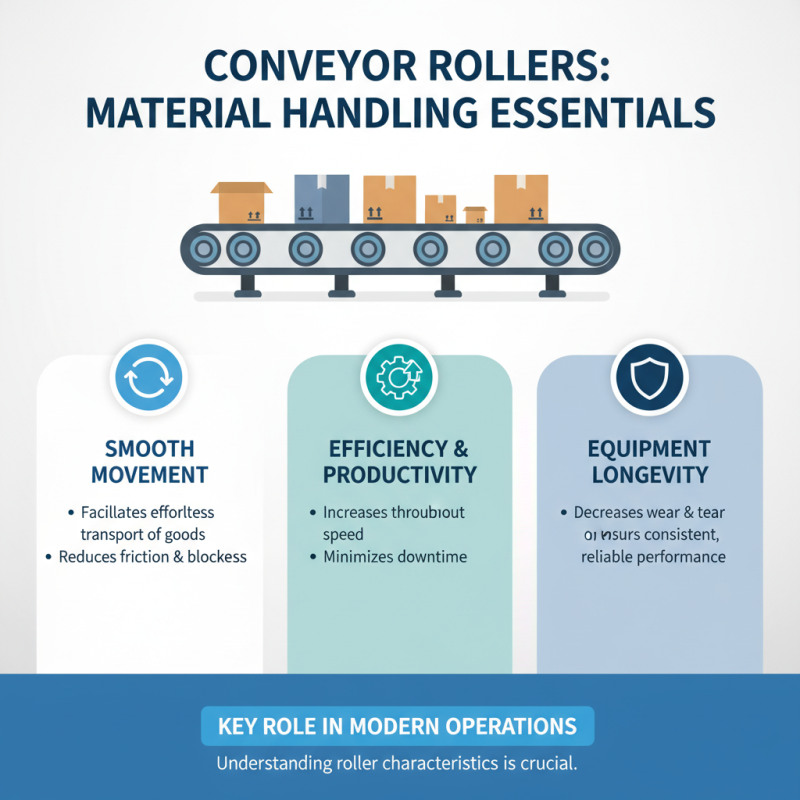
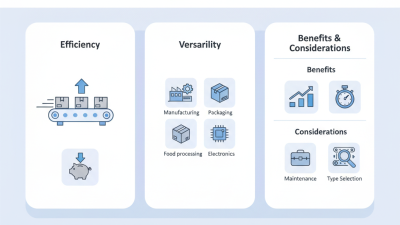
Conveyor rollers play a crucial role in material handling systems. They enable the smooth movement of goods, directly impacting efficiency and productivity. A well-designed roller will reduce wear on equipment and ensure consistent performance. Understanding the characteristics of conveyor rollers is essential for any operation.
In many facilities, a Roller Bed Conveyor can make a significant difference. These systems are designed to handle various materials with ease. However, not all rollers are created equal. Selecting the wrong type can lead to frequent breakdowns or inefficiencies. It’s vital to assess the load capacity, roller material, and environmental conditions before making a choice.
Many businesses overlook the importance of proper maintenance for conveyor rollers. Regular inspections can prevent costly downtimes. It’s easy to forget about rollers, but they are foundational to the system's functionality. A proactive approach can prolong the life of the equipment and enhance overall performance. Balancing cost with performance often requires careful thought and analysis. The right conveyor roller factory can provide insights that may not be immediately obvious.
Key Factors to Consider When Selecting a Conveyor Roller Factory
When selecting a conveyor roller factory in China, consider several critical factors. The manufacturing process should emphasize quality control. Data from the Material Handling Industry of America (MHIA) shows that faulty conveyor rollers can lead to significant downtime, affecting productivity by up to 20%. Hence, look for factories certified in ISO 9001 or similar quality standards. These certifications indicate a commitment to maintaining high manufacturing standards.
Another crucial consideration is the factory's capacity for customization. Not all operational needs are the same. A reliable factory can tailor rollers to specific requirements, which may enhance efficiency. Industry surveys reveal that businesses utilizing customized solutions report a 15-25% increase in operational efficiency. This flexibility reflects the factory’s awareness of market demands.
Evaluate the factory’s experience and reputation within the industry. Established manufacturers are more likely to produce reliable products. Checking customer reviews and seeking testimonials can provide insights into product performance. Yet, not all feedback is perfect; some reviews highlight issues with customer service or delivery times. This serves as a reminder to carefully vet potential suppliers.
Evaluating Manufacturing Standards and Certifications in China
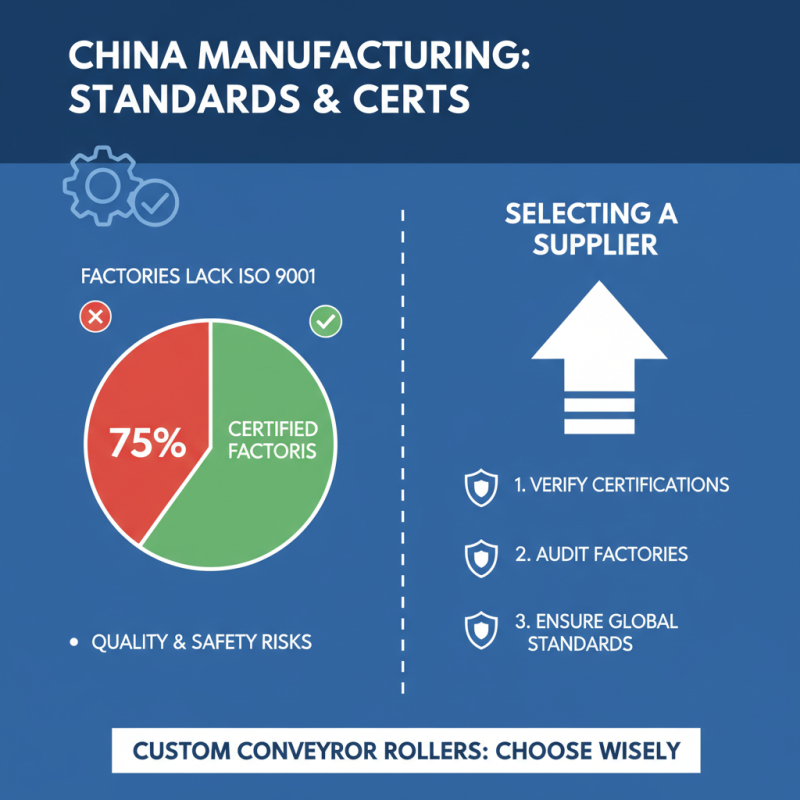
When selecting a China custom conveyor roller factory, evaluating manufacturing standards and certifications is paramount. Many factories claim adherence to international standards, yet only a few truly meet them. According to recent industry reports, about 75% of factories in China lack necessary certifications like ISO 9001. This gap can lead to inconsistencies in product quality and safety.
Moreover, the prevalence of counterfeit certifications raises concerns. A study found that more than 30% of suppliers do not possess legitimate documentation. This finding emphasizes the importance of verifying claims. Authentic certifications demonstrate a commitment to quality control and effective manufacturing processes. Investigating a factory’s production methods can reveal their commitment to efficiency and safety.
Additionally, understanding local regulations is crucial. Policies can vary significantly across regions in China. A factory may comply with national standards but fall short of local requirements. This discrepancy can result in production delays or transportation issues. It's essential to conduct thorough due diligence, focusing not only on certifications but also on factory practices and local laws. Engaging in this process often requires time and effort but is vital for minimizing risks and ensuring product reliability.
Assessing Material Quality and Durability of Conveyor Rollers
Choosing the right conveyor roller factory in China involves careful assessment of material quality and durability. Conveyor rollers are critical for efficient material handling. The right materials ensure minimal wear and tear, reducing downtime and maintenance costs. Steel and plastic are common materials. However, the choice depends on the application and environment.
When evaluating factories, consider their testing methods. Are materials tested for strength and resistance to corrosion? Look for certifications that indicate adherence to industry standards. Moreover, the manufacturing process matters. Factories that implement strict quality control measures are more likely to produce reliable rollers. A lack of transparency in this area can raise red flags.
It's important to ask for samples. These can provide insight into the roller's performance. Observe how they hold up in different conditions. If possible, gather feedback from existing clients. Real-world experiences can reveal potential issues. Not all factories will meet your expectations. Reflecting on the materials and construction quality is key to making an informed choice.
Comparing Cost and Value: Choosing Economical Conveyor Solutions
When choosing a conveyor roller factory, the economic aspect is crucial. Companies often focus on costs, missing out on long-term value. A cheap Roller Belt Conveyor might save money upfront, but could lead to expensive replacements later. It's important to assess not just the price, but also the quality of the materials used. Lower-quality rollers can cause operational inefficiencies and increased maintenance needs.
Durability is often overlooked in the decision-making process. A well-built conveyor roller lasts longer, reducing downtime and operational headaches. Investing in better quality materials means your systems will perform reliably over time. This aspect should not be ignored. Sometimes, opting for the lowest price can lead to regret when parts wear out faster than expected.
Consider the sourcing process as well. Not every factory meets rigorous standards. Evaluating factory certifications and customer reviews can offer insight into their authority in the industry. Relying solely on price can hinder your production efficiency. Balancing cost and value is essential for making a wise investment in conveyor solutions.
Analyzing Production Capacity and Delivery Times of Manufacturers
When selecting a custom conveyor roller factory in China, analyzing production capacity is crucial. Manufacturers with high production capacity can fulfill large orders on time. However, before committing, evaluate their track record. A factory might promise high output but fail in reality. Reliable data is essential to avoid unexpected delays.
Delivery times vary widely among manufacturers. It's important to ask for specific timelines. Some factories might offer fast shipping, while others require weeks for assembly. Consider their previous delivery records and customer testimonials. This insight helps gauge their reliability. A quality factory should provide a clear outline of their inspection and shipping process.
Transparency is vital. You might find discrepancies in quoted times versus actual delivery. Such gaps can lead to operational hiccups. A thorough understanding of the production flow, especially for items like the Roller Conveyor Belt, is necessary. Being proactive about these aspects can save significant time and effort in your supply chain.
Checking Customer Reviews and Industry Reputation of Conveyor Factories
When selecting a China custom conveyor roller factory, evaluating customer reviews is crucial. Feedback from past clients offers insights into a factory’s reliability and quality. Positive reviews often reflect a commitment to quality and customer service. Conversely, negative reviews could indicate potential issues.
Tips: Look for detailed testimonials. Check if customers mention specific models, like the Chain Conveyor Roller. This can signal the factory’s expertise in manufacturing diverse conveyor solutions.
Understanding a factory's industry reputation also plays a significant role. Research their standing within the conveyor manufacturing community. Consult industry forums and websites for discussions about various factories. Factories with a strong reputation typically maintain higher quality standards.
Tips: Pay attention to independent reviews. Often, reputable factories will have a presence in trade shows or industry publications. Their visibility can be a good sign of reliability. Always consider that even well-reviewed factories may have occasional shortcomings. Gathering a broad spectrum of opinions will give you a clearer picture.
Optimizing Efficiency and Productivity with Powered Roller Conveyors in Warehousing and Material Handling Systems
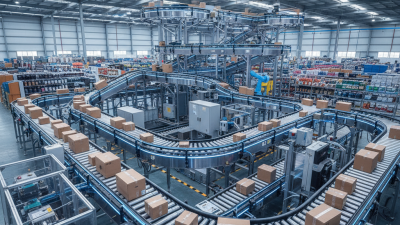
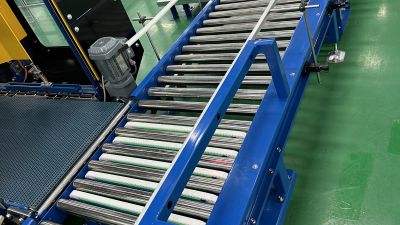
In the fast-paced environment of modern warehousing and material handling, optimizing efficiency and productivity is essential for maintaining competitiveness. Powered roller conveyors stand out as a crucial innovation in this domain, leveraging automated mechanisms to enhance operational workflows. These conveyors utilize a robust stainless steel frame structure and feature rollers that serve as the primary medium for conveying various workpieces, such as pallets and cartons. Driven by a powerful motor, the rollers rotate seamlessly, ensuring smooth and continuous movement that significantly reduces manual handling tasks.
One of the key advantages of powered roller conveyors is their ability to maintain stable traction even under heavy loads. This characteristic proves invaluable in diverse operational scenarios, from production lines where timely delivery of materials is critical to warehousing environments that demand high throughput. By integrating these automated conveying devices into existing material handling systems, businesses can minimize downtime, reduce labor costs, and ultimately enhance overall productivity. As industries continue to evolve, incorporating powered roller conveyors represents a strategic approach to optimizing efficiency while meeting the increasing demands of logistics and supply chain management.
FAQS
: Evaluating standards ensures the factory meets quality and safety expectations. Many factories fail to meet necessary certifications.
Approximately 75% of factories in China do not have necessary certifications. This can lead to quality inconsistencies.
Always request documentation. Authentic certifications show commitment to quality control and proper manufacturing processes.
Local regulations can differ significantly from national standards. This may cause production delays and transportation issues.
High production capacity indicates the ability to meet large orders. Evaluating their track record helps avoid delays.
Delivery timelines can be dramatically different. Some factories may promise fast shipping while others take longer.
Look for detailed testimonials. Mention of specific models indicates that the factory has relevant expertise.
A strong reputation often correlates with maintaining high quality standards. Researching can provide valuable insights.
Even reputable factories can encounter occasional shortcomings. Gathering diverse opinions offers a clearer understanding.
Transparency helps identify discrepancies in delivery promises. A clear inspection and shipping process is essential.
Conclusion
Choosing the right China custom conveyor roller factory is crucial for optimizing material handling efficiency. Conveyor rollers play a vital role in the smooth operation of conveyor systems, making it essential to select a manufacturer that meets specific needs. Key factors include evaluating the factory’s manufacturing standards, material quality, and durability of the conveyor rollers. It is also important to consider production capacity and delivery times to ensure timely project completion.
Additionally, comparing costs while assessing the overall value and performance of conveyor solutions can lead to more economical choices. Customer reviews and the industry reputation of manufacturers provide insight into the reliability and service quality of potential partners. By carefully analyzing these aspects, businesses can make informed decisions that enhance their material handling processes.