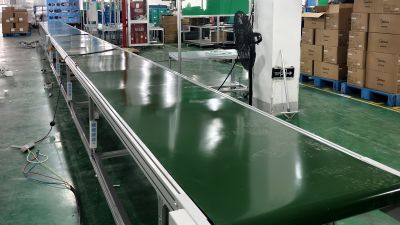
Choosing the right food conveyor belt isn't just a small detail — it’s actually super important if you're in the food processing game. I mean, according to IBISWorld, this industry is set to grow pretty fast, mainly because everyone’s pushing for more automation and efficiency. Picking the right belt can really boost your production, cut down on waste, and make sure you're staying compliant with food safety standards.
A lot of folks tend to overlook how much the material quality actually matters. For example, going for a Food Grade Incline Conveyor Rubber Belt Conveyor helps you stay within health regulations. But at the same time, you’ve gotta think about how durable it is and whether it’s easy to clean. Maintaining hygiene isn’t always a walk in the park for many companies, so it’s all about finding that balance between quality, ease of cleaning, and longevity.
Another thing to keep in mind is performance. You want to look at how much you’re moving through the system and whether the belt will play nicely with your existing setup. Bottom line? Knowing exactly what your operation needs can really help you make the best choice. The right conveyor belt doesn’t just make your process smoother — it also protects your products and helps your business grow sustainably. Taking the time to choose wisely is totally worth it in the long run.
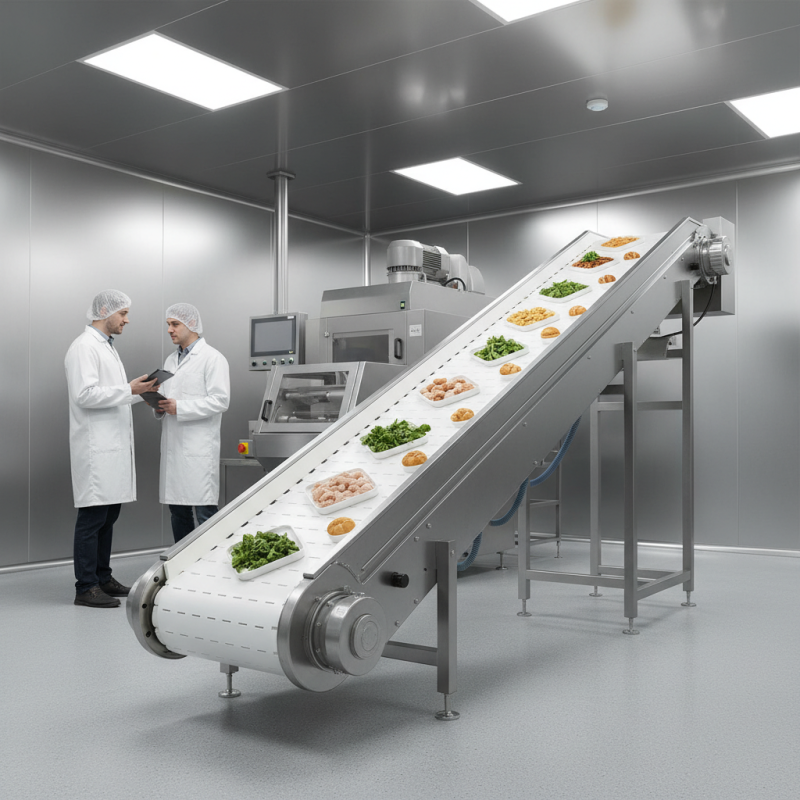
Understanding the Role of Food Conveyor Belts in the Industry
In the food industry, conveyor belts play a crucial role in efficiency and safety. A well-designed food conveyor belt streamlines operations, reducing the time for food handling. Different types exist, like the Warehouse Belt Conveyor or the Incline Conveyor, each serving specific needs. Selecting the right conveyor depends on product type and processing requirements.
Challenges arise when choosing conveyor systems. Food materials vary in size, weight, and packaging. A mismatch between the conveyor style and product can lead to inefficiency. Regular maintenance is essential to ensure the conveyor system remains safe and effective.
Understanding regulations and compliance is another layer of complexity. Some materials might not meet safety standards. This raises questions about the long-term reliability of certain conveyor options. Over time, these decisions impact overall production effectiveness. It’s important to evaluate and refine your choices continually.
Identifying Your Business Needs for a Food Conveyor System
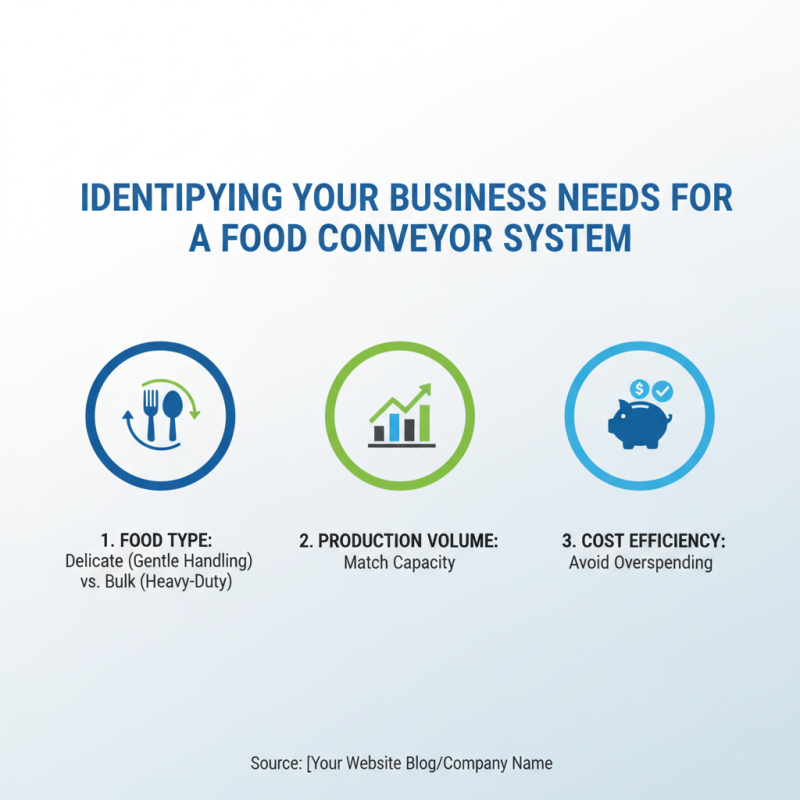
When selecting a food conveyor system, it’s crucial to understand your specific business needs. Identify the types of food you handle. Different foods require different handling methods. For instance, delicate items need gentler conveyors, while bulk materials may need heavy-duty options. Know your production volume to choose a belt that matches your capacity. Overestimating your needs can lead to unnecessary costs.
Tips: Consider adding modular designs for flexibility. They allow easy adjustments to your system as your operations grow. Ensure that your conveyor system complies with food safety standards. This choice can significantly impact your business’s reputation.
Evaluate the space available in your facility. Measure the layout to ensure a proper fit for the conveyor. A poorly placed system can hinder workflow. Be mindful of maintenance accessibility. It’s essential for regular upkeep. Your chosen belt should facilitate easy cleaning to meet hygiene standards.
Tips: Look at the material of the belt. Some materials withstand grease and high temperatures better than others. Choose wisely based on your food types. Remember to gather feedback from your team. They can provide insights that might not be apparent at the outset. Their experiences will guide your final decision.
Exploring Different Types of Food Conveyor Belts Available
When selecting a food conveyor belt, understanding the types available is crucial. Many facilities utilize
Steep Angle Belt Conveyor Food Grade PU Incline Conveyors.
These belts allow for vertical transport of products while maintaining food safety standards. The incline design
minimizes product spillage, a frequent issue in many operations.
Research indicates that incline conveyors can improve efficiency by up to 30%
in food processing applications. They are particularly useful for transporting fragile items like fruits
and baked goods. However, attention should be paid to the material used in these belts.
Food-grade PU is a popular choice due to its durability and
resistance to contaminants.
Other types of food conveyor belts include modular plastic belts and wire mesh belts.
Each type caters to specific needs. Modular belts work well in applications requiring complex product movements.
In contrast, wire mesh options allow for better airflow, ideal for cooling processes. Remember, the right choice
depends on your specific operational requirements and the types of food products you handle.
The implications of selecting the wrong conveyor can lead to increased downtime
and product loss, pointing to the importance of careful consideration in this area.
Factors to Consider When Selecting a Conveyor Belt Material
When choosing the right conveyor belt material, various factors come into play. A critical aspect is the type of food being handled. Different foods might require specific materials to ensure safety and hygiene. For example, dairy products may need belts resistant to moisture and easy to clean. In contrast, dry grains require materials that can withstand abrasion and do not retain dust.
Another important consideration is the operating environment. Temperature extremes can affect material performance. High-temperature operations may require specialized belts that can endure heat without degrading. Additionally, the belt must resist chemical exposure if cleaning agents or food preservatives are used frequently.
Durability and maintenance factors should not be overlooked. Some materials degrade faster than others under continuous use. This can lead to increased costs and downtime for replacements. Regular maintenance checks can help spot wear and tear early, but they can also be time-consuming. Each of these material choices has pros and cons that must be evaluated carefully. Understanding the specific requirements of your business will guide you in selecting the best conveyor belt material.
How to Choose the Best Food Conveyor Belt for Your Business? - Factors to Consider When Selecting a Conveyor Belt Material
| Factor |
Description |
Ideal Material |
| Temperature Resistance |
Ability to withstand extreme temperatures of transport materials. |
Silicone, PTFE |
| Chemical Resistance |
Resistance to various chemicals and substances used in the industry. |
PVC, Polyurethane |
| Weight Capacity |
Maximum weight the belt can handle during transport. |
Steel-reinforced belts |
| Hygienic Design |
Ease of cleaning and sanitation to meet health standards. |
Stainless Steel, Food-grade PVC |
| Flexibility |
Ability to navigate curves and inclines in processing plants. |
Modular belts |
| Cost Efficiency |
Balance between initial investment and long-term operation costs. |
PVC, Rubber |
Evaluating the Performance and Efficiency of Conveyor Belts
When selecting a conveyor belt, performance and efficiency are crucial factors. A well-performing conveyor belt minimizes downtime and improves productivity. Factors such as material type, belt width, and speed should align with your operational requirements. For food applications, the belt must withstand specific temperatures and resist contamination.
Evaluating efficiency can be more complex. It's essential to consider how quickly the belt transports materials. However, speed must not compromise food safety. Sometimes, slower speeds ensure better quality control, which is just as important. Additionally, monitor wear and tear regularly. A belt that deteriorates quickly does not offer long-term efficiency.
Another consideration is the energy consumption of the conveyor system. A high-efficiency belt can significantly reduce energy costs and improve sustainability. However, while energy savings are beneficial, the initial investment in quality belts may pose a challenge for some businesses. Balancing cost with performance requires careful planning and reflection. Each choice can impact your operations directly. Taking the time to assess these factors leads to a more informed decision.
Assessing Cost vs. Value in Your Conveyor Belt Investment
Choosing the right food conveyor belt requires careful consideration. When assessing cost versus value, it’s vital to weigh the initial investment against long-term benefits. A higher-priced
PU Knife Edge Belt Conveyor Food Grade Knife Edge Conveyor
may seem daunting, but it often translates to
increased efficiency and
durability. Cheap options may lead to frequent breakdowns and costly replacements.
Think about maintenance costs too. A low upfront price could involve expensive upkeep. Quality belts often are made of materials that resist wear and tear. This reliability can save you money over time. However,
not all high-end conveyor systems are suitable for every food processing environment. Assess your specific needs before committing.
Conduct thorough research into your options. Look for feedback from industry professionals regarding reliability. While some products may have a higher cost, they might also offer
better performance, which is crucial in fast-paced environments. Balancing cost and value is essential, so don’t rush the decision-making process. Take time to evaluate what truly fits your business needs for the long haul.
Maintenance and Lifespan Considerations for Food Conveyor Belts
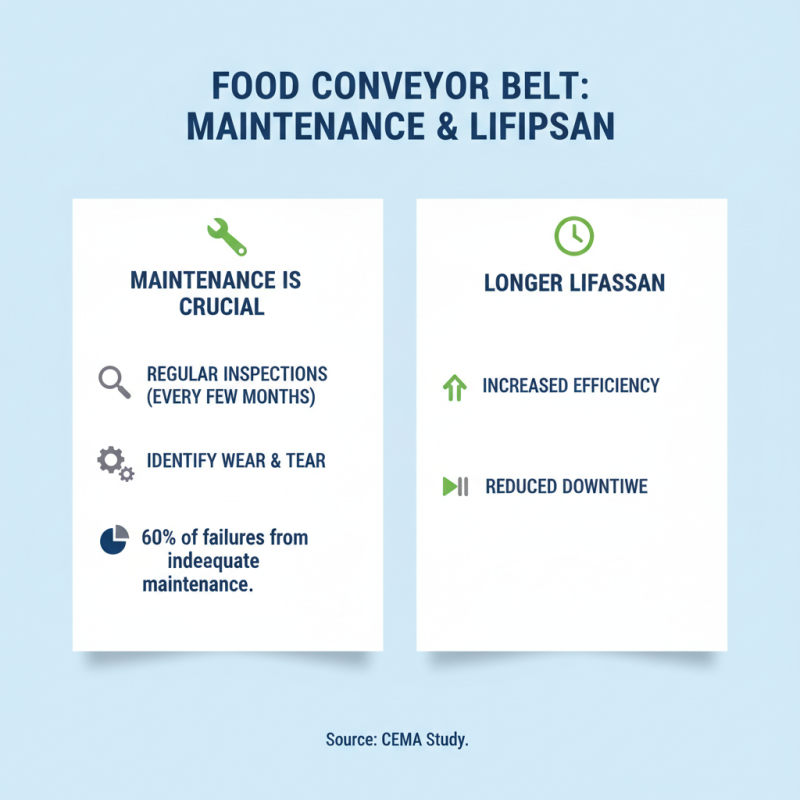
When considering a Food Conveyor Belt, maintenance is crucial for long-term efficiency. Regular inspections can identify wear and tear. It's recommended to inspect belts every few months, according to industry experts. A study by the Conveyor Equipment Manufacturers Association (CEMA) suggests that 60% of mechanical failures arise from inadequate maintenance.
The lifespan of a Food Conveyor Belt can vary significantly. On average, high-quality belts last between 5 to 10 years. Factors influencing longevity include operating conditions, load capacity, and cleaning frequency. Misalignment can accelerate wear. Moreover, one report indicates that 30% of conveyor issues stem from improper installation. Addressing these concerns early on can save costs.
Monitoring the working environment is also essential. High humidity or debris can degrade a Food Conveyor Belt quicker than anticipated. Implementing a proper cleaning schedule can mitigate these risks. According to Journal of Food Engineering, routine cleaning can extend belt life by up to 25%. However, businesses often neglect this aspect. Regular maintenance checks and proactive care can lead to improved performance and reliability.
Effective Solutions for Efficient Transportation: The Role of China’s Double-Layer Belt Conveyor in Electronics, Logistics, and Food Industries
In today's fast-paced industrial landscape, efficient transportation systems are essential for optimizing productivity and workflow. The innovative double-layer belt conveyor stands out as a crucial solution across various sectors, including electronics manufacturing, logistics, and the food industry. Its dual-layer parallel structure enables bidirectional material movement, thereby significantly enhancing space utilization and flexibility in operations. This design caters to the modern demands of factories and warehouses, facilitating seamless connections between warehousing, sorting, and assembly processes.
This advanced conveyor system is engineered to support both horizontal and inclined conveying modes, offering versatility for handling diverse materials. By integrating this technology into production lines, businesses can experience improved operational efficiency and increased throughput. Furthermore, the double-layer belt conveyor is not only designed for high productivity but also prioritizes safety and reliability, ensuring a smooth workflow that keeps pace with the growing demands of the industry. Whether for electronic components, food products, or pharmaceuticals, investing in this innovative conveying solution is key to staying ahead in a competitive marketplace.
FAQS
: Identify the types of food you'll handle and their specific requirements. Different foods need different handling methods.
Knowing your production volume helps to choose a belt that matches your capacity, avoiding unnecessary costs.
Consider modular designs for your conveyor. They allow for easy adjustments as your operations grow.
Evaluate your facility layout to ensure the conveyor fits properly. A poor fit can hinder workflow and productivity.
Regular upkeep is essential for efficiency. Ensure that the conveyor system allows for easy cleaning and maintenance access.
Choose materials based on the types of food you handle. Some materials resist grease and high temperatures better than others.
Gathering insights from your team can reveal practical issues. Their experiences will guide your final decision effectively.
The wrong selection can lead to increased downtime and product loss. Consider your needs carefully to avoid such issues.
Yes, a higher-priced option may offer better efficiency and durability, ultimately saving you money in the long run.
Assess both initial costs and long-term benefits. Don't rush; take time to evaluate what suits your business needs best.
Conclusion
Choosing the best food conveyor belt for your business involves a comprehensive understanding of its critical role in the food industry. Start by identifying your specific business needs and the type of products you will be handling. Different food conveyor belts are designed to accommodate various operational requirements, so it's essential to explore the available options.
When selecting a food conveyor belt, consider factors such as the material's durability, hygiene, and compatibility with your production processes. Evaluate each belt's performance and efficiency to ensure that it meets your operational goals. Additionally, weigh the cost of investment against the overall value it provides. Lastly, consider maintenance requirements and expected lifespan to make an informed decision that supports the long-term success of your business.