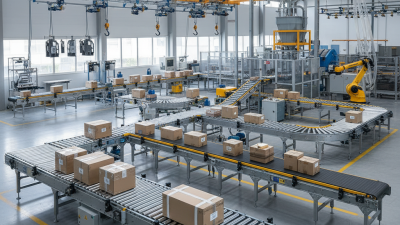
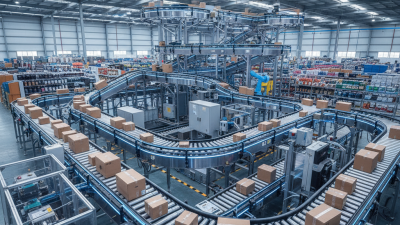
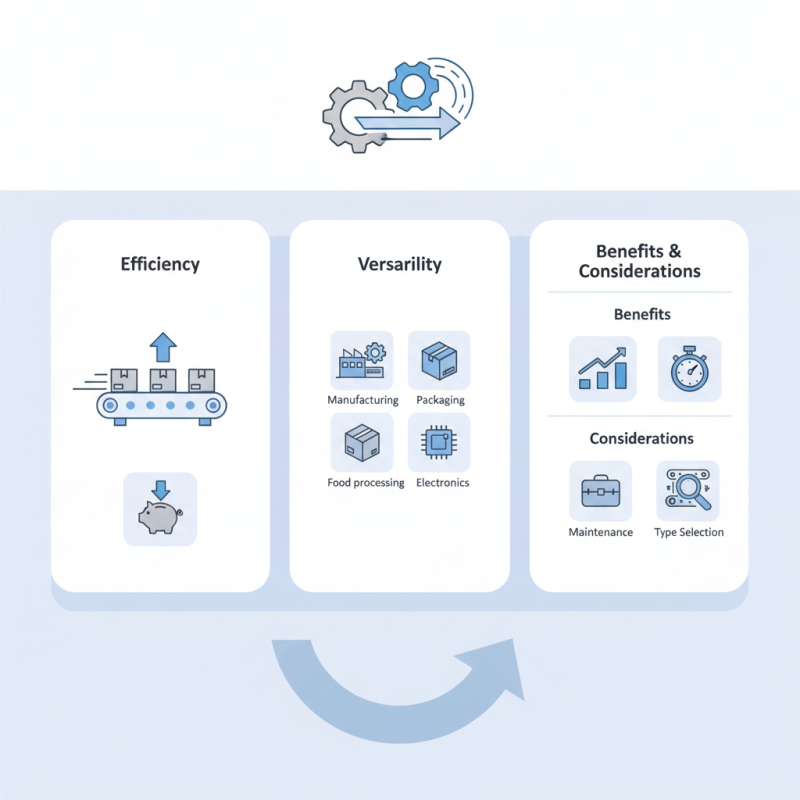
Today’s market is pretty competitive, so efficiency really matters. A lot of businesses are turning to Conveyor Machines to help streamline their operations. Honestly, this kind of equipment can make a big difference—it speeds things up, cuts down on labor costs, and boosts overall productivity. Basically, with a Conveyor Machine, items move smoothly along a set track, which means less manual handling and fewer hiccups.
What’s really cool about these machines is how versatile they are. You’ll find them used in all sorts of industries—whether it’s manufacturing, packaging, or beyond. Not only do they help get goods from point A to B, but they also make sure your output stays consistent. That said, it’s smart to think about your specific needs before jumping into a purchase.
Of course, picking the right Conveyor Machine isn’t just a walk in the park. You need to keep up with proper maintenance to avoid costly downtime. Plus, figuring out which type of conveyor fits your operation best can take some time and research. It’s a bit of an investment, both in terms of effort and money, but in the long run, the benefits can really add up.
Understanding the Role of Conveyor Machines in Modern Industries
Conveyor machines play a vital role in modern industries. They facilitate the efficient movement of materials in factories, warehouses, and distribution centers. By automating transportation tasks, businesses can reduce labor costs and improve operational efficiency. This is crucial in fast-paced environments where time is money.
One of the key benefits of conveyor machines, such as the Pu Conveyor, is their versatility. They can be tailored for various products and packaging types. This adaptability allows businesses to handle different operations without extensive downtime. However, not all conveyor systems fit every scenario. Companies often face challenges related to maintenance and configuration that can disrupt workflow.
Understanding the specific needs of your operation is essential. A well-chosen conveyor solution can enhance productivity, but a poorly selected one may lead to frustration. Regular assessments of system performance can guide necessary adjustments. Balancing efficiency and cost is important, as overlooking this aspect can impact overall profitability.
Key Benefits of Implementing Conveyor Machines in Operations
Conveyor machines offer numerous advantages that can streamline your business operations. They enhance efficiency by automating the transport of goods, reducing the need for manual labor. With faster movement, your workflow can significantly improve, allowing for higher productivity. Workers can focus on more complex tasks, rather than simple material handling.
When considering a conveyor system, it’s crucial to assess your space and flow requirements. Measure the layout of your facility to ensure a proper fit. Think about product characteristics as well. Different conveyors suit various types of items—bulk materials, fragile goods, or even heavy machinery.
Tips: Regular maintenance is key. Schedule inspections to avoid unexpected breakdowns. Additionally, train your staff adequately on how to operate the system safely. Implementing best practices can help mitigate risks. Remember that any new system might require adjustments. Monitor how it integrates with your existing processes for optimal results.
Benefits of Implementing Conveyor Machines in Operations
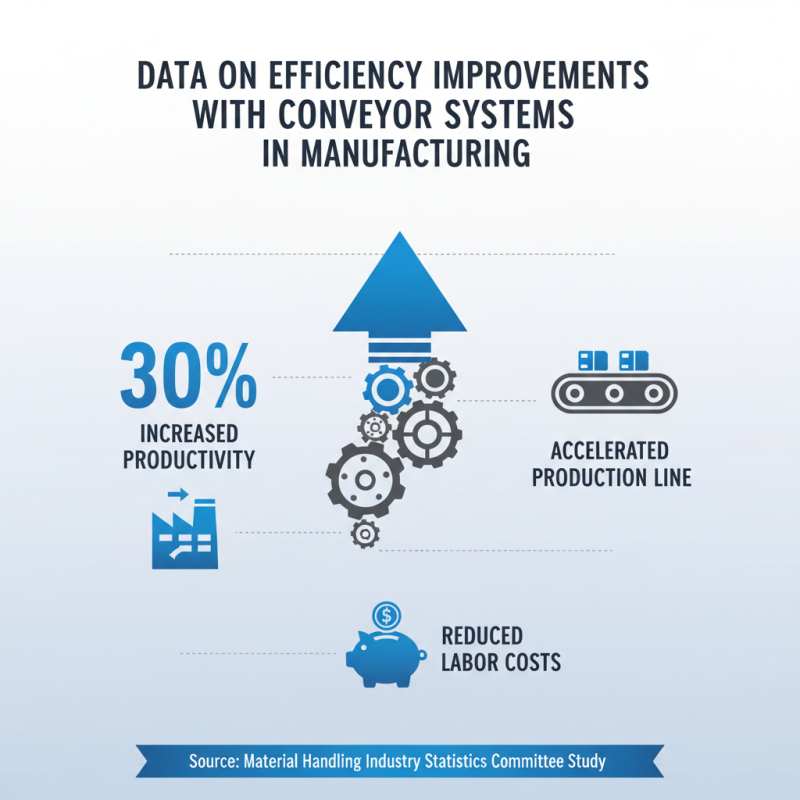
Data on Efficiency Improvements with Conveyor Systems in Manufacturing
In the competitive landscape of manufacturing, data shows that conveyor systems have significantly boosted efficiency. A study by the Material Handling Industry Statistics Committee highlighted that implementing conveyor systems can enhance productivity by 30%. This improvement not only accelerates the production line but also reduces labor costs.
Moreover, conveyor machines like Pvc Conveyors simplify material handling. They minimize manual handling, which decreases the risk of employee injuries. According to the National Safety Council, businesses that adopt mechanical conveyance report a 20% drop in workplace injuries. Yet, companies may face challenges. Initial costs for conveyor systems can be high, and ongoing maintenance is necessary.
Many organizations struggle to choose the right type of conveyor technology. Understanding specific needs is crucial. The wrong choice can lead to inefficiencies rather than improvements. Overall, the benefits often outweigh the drawbacks. Embracing conveyor systems could be the change that drives efficiency.
Types of Conveyor Machines and Their Specific Business Applications
Conveyor machines play a crucial role in various industries. They improve efficiency and reduce labor costs.
According to a report by Grand View Research, the global conveyor system market was valued at approximately
$7.2 billion in 2021 and is expected to grow at a compound annual growth rate (CAGR) of 4.5%
from 2022 to 2030. This growth highlights the increasing reliance on conveyor systems across manufacturing, distribution, and logistics.
Different types of conveyor machines serve unique needs.
Belt conveyors are used in food processing to transport ingredients.
Roller conveyors support heavy boxes in warehousing operations.
Overhead conveyors optimize space in production lines. A study by the Conveyor Equipment Manufacturers Association
emphasizes that automated conveyor systems can reduce manual handling injuries by 30%.
However, selecting the right conveyor requires careful consideration of the products being moved and the space available.
As industries evolve, their requirements change. Organizations sometimes overlook the need for proper maintenance of conveyor systems.
Ignoring this can lead to inefficiencies and unexpected breakdowns. Companies must invest in regular assessments to ensure peak performance.
Keeping machinery updated ensures reliability, which is vital for maintaining productivity levels.
Cost-Effectiveness Analysis of Conveyor Machines in Supply Chains
Investing in conveyor machines can significantly improve the efficiency of your supply chain. A
Line Conveyor
reduces the time spent on manual transport tasks. This means your workforce can focus on more strategic activities. In today's competitive market,
every minute counts. Implementing a line conveyor may sound costly at first. However, when you analyze the long-term savings, it often proves to be cost-effective.
Labor costs can be reduced significantly with a line conveyor system. Fewer employees are needed for material handling, leading to increased productivity. Moreover, a
conveyor can minimize the risk of workplace injuries. This can result in fewer insurance claims and reduced downtime. However, businesses need to be cautious
about the upfront costs. It's important to conduct thorough feasibility studies before making a decision.
In many cases, conveyor machines can streamline operations but may encounter challenges. Routine maintenance is essential to prevent breakdowns. Companies also need to
consider their specific needs when selecting a conveyor type. Not every line conveyor will suit every business. Ultimately, understanding these dynamics helps companies
make informed decisions.
Impact of Conveyor Technology on Labor and Operational Costs
Investing in conveyor technology can significantly reduce labor and operational costs for businesses. By automating the movement of goods, companies can streamline their production processes. This efficiency translates to fewer workers needed for manual transportation tasks. As a result, businesses can allocate resources to other critical areas.
Moreover, conveyors minimize errors that occur during manual handling. Fewer mistakes lead to lower waste rates and enhanced product quality. Take the food industry as an example. Maintaining hygiene standards is vital, and conveyors can improve cleanliness by minimizing human contact. However, companies should acknowledge that implementation may require initial training and adjustments in workflow.
Despite the benefits, integrating conveyor systems may not be without challenges. Problems can arise with maintenance and technical failures. Business owners must weigh these aspects carefully. Is the long-term cost-saving worth the upfront investment? An analysis of operational needs can provide clarity in decision-making.
Future Trends in Conveyor Machine Innovation and Automation
The future of conveyor machines is marked by rapid innovation and increased automation. Businesses are leaning towards smarter, more efficient systems. These advancements reduce labor costs and optimize workflow. Technologies like AI and IoT are making conveyor systems more responsive. They allow for real-time monitoring and adjustments based on needs. Companies can expect a seamless integration of machines into their operations.
A notable example is the Mesh Conveyor system. These systems offer efficient transport for various materials, even in challenging environments. Their design promotes versatility, allowing businesses to adapt quickly. However, the implementation of such technologies requires careful planning. There can be a steep learning curve, and the initial investment is significant. Moreover, companies must ensure their staff is trained adequately to handle new systems.
As automation becomes the norm, businesses must remain vigilant. They should evaluate the long-term benefits versus short-term costs carefully. Continuously assessing performance is crucial. Not every innovation will fit every business model. The balance between adopting new technologies and maintaining reliability remains a pivotal challenge.
Why Choose a Conveyor Machine for Your Business Needs? - Future Trends in Conveyor Machine Innovation and Automation
| Feature |
Description |
Benefits |
Future Trends |
| Modular Design |
Flexible configuration allowing easy expansion |
Adaptable to changing production needs |
Increased customization options |
| Automation |
Integration with smart technology |
Reduced labor costs and improved efficiency |
Continued advancements in AI and robotics |
| Energy Efficiency |
Designs optimized for lower energy consumption |
Cost savings on energy bills |
Emerging technologies like regenerative drives |
| Enhanced Safety Features |
Safety guards and emergency stop systems |
Reduced risk of workplace accidents |
Integration of IoT for real-time monitoring |
| Real-time Data Analytics |
Monitoring systems for operational insights |
Informed decision-making |
Increasing role of big data in logistics |
Optimizing Efficiency in Warehousing and Production with Powered Roller Conveyors
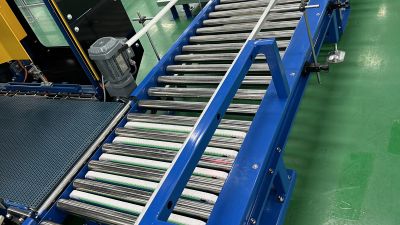
In modern warehousing and production environments, optimizing efficiency is crucial for maintaining competitive advantage. Powered roller conveyors have emerged as a transformative solution, providing seamless movement of goods through automated systems. These advanced conveying devices, featuring a robust stainless steel frame, utilize rollers as the core medium for transporting workpieces, pallets, and cartons. The design ensures durability and supports high load capacities, making them ideal for various industrial scenarios.
The effectiveness of powered roller conveyors lies in their motor-driven operation, which allows for a continuous flow of materials. This automation minimizes manual handling, reduces the risk of worker fatigue, and significantly enhances throughput. By maintaining stable traction even under considerable loads, these systems streamline the transfer of items across production lines or storage areas, contributing to improved overall productivity. As industries continue to evolve, the integration of such efficient systems not only meets the demands of rapid logistics but also fosters a safer working environment by automating repetitive tasks.
FAQS
: Conveyor systems can enhance productivity by 30% and accelerate production lines, ultimately reducing labor costs.
Conveyor systems reduce manual handling, decreasing employee injury risks. Companies report a 20% drop in workplace injuries with mechanical conveyance.
Yes, the initial investment in conveyor systems can be significant. Companies must weigh this against long-term savings.
Companies may struggle with high costs and ongoing maintenance needs. Also, choosing the wrong conveyor type can lead to inefficiencies.
Implementing conveyor systems reduces the number of employees needed for material handling, promoting increased productivity.
Understanding specific needs is crucial. The wrong choice can result in more inefficiencies rather than improvements.
A line conveyor reduces time spent on manual tasks, allowing the workforce to focus on more strategic activities.
Yes, routine maintenance is crucial for preventing breakdowns and ensuring smooth operation of conveyor systems.
While they may seem costly initially, conveyor machines often lead to significant long-term savings and efficiency gains.
Companies need to conduct feasibility studies and consider their specific needs to make informed decisions before investing.
Conclusion
Conveyor machines play a pivotal role in modern industries, enhancing efficiency and streamlining operations across various sectors. By implementing these systems, businesses can significantly improve productivity, reduce operational costs, and mitigate labor expenses. Data indicates that the introduction of conveyor machines can lead to remarkable efficiency enhancements in manufacturing processes, making them an indispensable asset for supply chains.
Different types of conveyor machines serve specific business applications, allowing companies to choose solutions tailored to their unique needs. A thorough cost-effectiveness analysis reveals that while initial investments in conveyor technology may be substantial, the long-term savings and operational benefits far outweigh these costs. Looking ahead, innovations in conveyor machine technology and automation are set to transform industry practices further, making them essential for businesses aiming to remain competitive in a rapidly evolving marketplace.