Leave Your Message
0%

Picking the right roller table conveyor can really make a difference in how smoothly your business operates. Honestly, with so many options out there—like straight non-powered roller conveyors or curved ones—it’s easy to get a bit overwhelmed. Each type is designed for different tasks and needs, so it’s worth taking some time to figure out what fits best.

Experience plays a big role when you're choosing a conveyor system. For example, an inclined non-powered roller conveyor is great for moving items up or down between levels, while a flexible roller conveyor gives you the freedom to tweak your setup as needed. Don’t forget to check if your workflow could benefit from things like double-layer roller conveyors or loop conveyors—they can really help save space and boost efficiency.

It’s also a smart move to get some advice from professionals who know the ins and outs. Understanding the key features of each type can help you gauge which one will be reliable and perform well for your specific needs. Even a simple frame-type roller conveyor might sound basic, but choosing the right one can actually improve your overall workflow. Take a step back and consider your actual requirements—are you ready for any hurdles that might come up?

In the end, taking your time to evaluate your options will pay off. Making an informed decision now can lead to better results down the line, so don’t rush it. Just remember, it’s all about finding what really works for your business and helping things run smoother than ever.
How to Choose the Best Roller Table Conveyor for Your Business?

Understanding the Basics of Roller Table Conveyors

Roller table conveyors are essential in many warehouses and manufacturing processes. Understanding their basics can help businesses select the right type for their needs. Powered roller conveyors are often used for moving heavy items. According to industry reports, they are ideal for operations that require consistent motion and can support a load capacity of up to 1,500 pounds per linear foot.

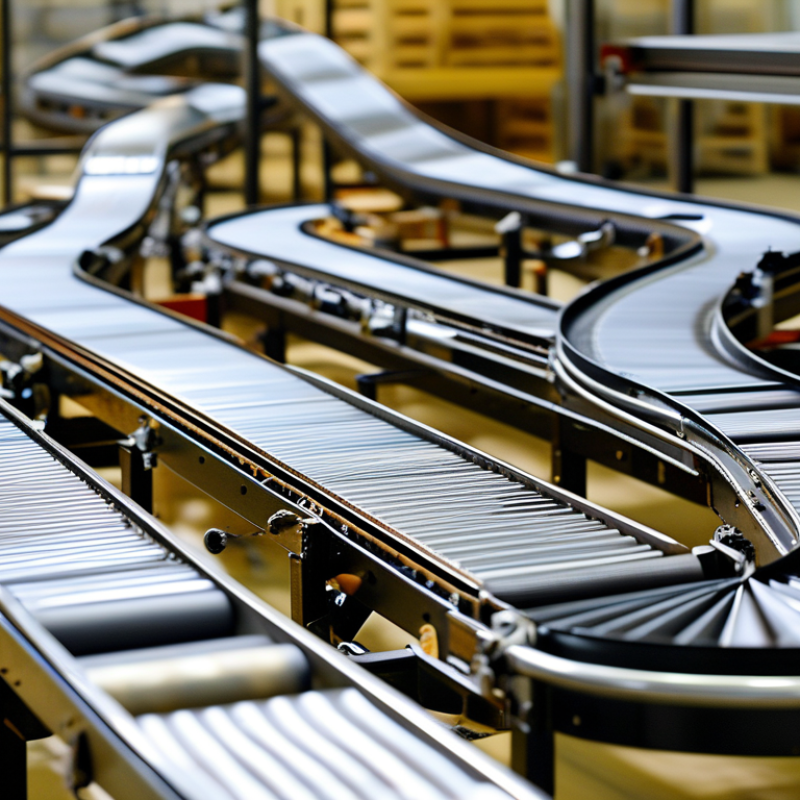
Telescopic roller conveyors offer versatility. They can extend and retract, making them suitable for loading and unloading tasks. In fast-paced industries, fast adaptation is key. A curved roller conveyor maximizes space efficiency by allowing for smooth transitions in tight areas. This design reduces the likelihood of product damage during transport.

When choosing a roller table conveyor, consider these tips:
- Assess your weight capacity needs. Heavy-duty roller conveyors are designed for substantial loads.
- Evaluate your space. Double-layer roller conveyors can utilize vertical space effectively.
- Plan for future growth. Investing in a flexible conveyor system can save money long-term.

Though roller conveyors are effective, they can require maintenance. Regular inspections are necessary to avoid downtime. It’s crucial to weigh the cost of potential repairs against the initial purchase price. A little reflection on these aspects can lead to better decision-making.

Key Factors in Choosing a Roller Table Conveyor

Identifying Your Business Needs and Requirements

Choosing the right roller table conveyor for your business begins with understanding your specific needs. Analyze your workflow. Consider the types of materials you handle. Heavy items may require sturdier options, while lighter goods benefit from flexible designs. Assess the dimensions of your workspace as well. A conveyor that fits poorly may disrupt the efficiency of your operations.

Another critical factor is the speed and volume of items you process. High-speed operations might need automated systems, whereas smaller businesses can opt for manual setups. Don't overlook the importance of maintenance. Some conveyors require more upkeep than others. Reflect on your team's capability to handle repairs and replacements. A complex system might not be ideal if your staff lacks technical expertise.

In addition, consider the scalability of your chosen solution. Will it accommodate future growth? Can it adapt to changes in your product line? A flexible conveyor system can save costs in the long run. However, it’s essential to find a balance between advanced features and practicality. Matching your requirements with the right roller table conveyor is an iterative process that requires careful thought.

Evaluating Different Types of Roller Table Conveyors

When evaluating different types of roller table conveyors, begin with understanding your specific needs. Assess the size and weight of the products that will move on the conveyor. For heavier items, a robust roller table is essential. Light-duty conveyors are suitable for smaller, lighter packages. Choose a design that matches your operational requirements.

Consider the materials of the rollers. Stainless steel is durable and easy to clean. Plastic rollers are lighter and quieter but may not last as long. Look for features such as adjustable heights and compatible widths. These can increase efficiency in your workflow. It’s worth noting that flexibility can be vital for changing production lines.

Another important factor is the conveyor's drive system. A gravity-driven system is cost-effective but may not work well in all environments. Motorized systems offer more control and efficiency but may require more maintenance. Test different systems if possible. Reflection is key; if a conveyor fails to meet your expectations, consider what went wrong and how to improve your selection process.

Assessing Load Capacity and Weight Distribution

Choosing the right roller table conveyor is crucial for operational efficiency. Load capacity and weight distribution are two key factors in this decision-making process. According to a recent industry report, selecting the appropriate load capacity can prevent costly downtimes. Underrated conveyors may struggle with heavy loads, causing breakdowns.

When assessing weight distribution, consider the material type and shape. Uneven weight can lead to misalignment. This misalignment can wear out components faster. The International Conveyor Systems Association estimates that 30% of system failures stem from improper weight distribution. This statistic highlights the need for attention to detail.

Consider the dimensions of your workspace. A roller table conveyor should fit comfortably within your production area. Overcrowding can strain the system. Accurate load calculations based on the conveyor’s specifications enhance productivity. If unsure about your needs, consulting with an expert in conveyor systems is beneficial. Their insights can guide you in avoiding common pitfalls.

How to Choose the Best Roller Table Conveyor for Your Business? - Assessing Load Capacity and Weight Distribution

Model Load Capacity (lbs) Weight Distribution (lbs/ft) Roller Diameter (inches) Material
Model A 2000 150 3 Steel
Model B 3000 200 4 Aluminum
Model C 2500 175 3.5 Plastic
Model D 3500 250 5 Steel
Model E 1800 120 2.5 Aluminum

Considering Conveyor Length and Width Options

When selecting a roller table conveyor, considering the length and width options is vital. The right dimensions ensure optimal space utilization and workflow efficiency. Reports indicate that improper sizing can lead to increased operational costs and slower production rates. For instance, a poorly designed conveyor layout might waste 20-30% of a facility's space. This highlights the importance of accurate measurements and planning.

For a non-powered roller conveyor, users should assess both the length and width carefully. A gravity roller conveyor often requires more extensive width when transporting larger items. In contrast, a narrower manual roller line can be effective for smaller packages. Each scenario dictates a unique setup, impacting overall efficiency. Be mindful that flexibility in design can accommodate various tasks, especially when using a flexible roller conveyor.

Tip: Always measure your load and assess the space before choosing dimensions. Width that is too narrow may cause bottlenecks. A curved gravity roller conveyor can ease navigation if your layout includes turns. Reassessing your conveyor dimensions over time can uncover further efficiencies. Evaluate and adjust your setup based on operational needs.

Exploring Material Choices for Durability and Performance

Choosing the right material for roller table conveyors is crucial for ensuring durability and performance. Reports indicate that up to 30% of conveyor failures stem from material fatigue. Selecting a robust coating can mitigate wear and extend service life. Metal rollers, while durable, are often heavier and can increase the overall operational cost.

Consider investing in a Flexible Roller Line made from high-density polyethylene (HDPE). This material offers excellent resistance against UV light and chemicals. It can significantly reduce the risk of corrosion when subjected to different environments. In contrast, stainless steel options provide strength but may require more maintenance.

Tip: Regularly evaluate the performance of your Expandable Roller Line. Replace components that show signs of wear early. Implementing a predictive maintenance schedule can save costs and prevent unexpected downtime.

For applications requiring curved paths, a Bendable Roller Assembly Line offers innovative solutions. These systems maximize space and can be easily adjusted for varying load requirements. However, ensure the materials used can handle the stress of continuous use. A poorly chosen material can lead to breakdowns, affecting production efficiency.

Tip: Use non-powered systems like the Non-powered Flexible Roller Line where feasible. This approach can reduce energy consumption and provide flexibility for handling different materials. Always analyze the specific needs of your operation when selecting materials.

Reviewing Maintenance and Support Services for Conveyors

When selecting a roller table conveyor for your business, maintenance and support services are critical. Companies often overlook this aspect. Without proper maintenance, even the best conveyors can fail. Regular servicing ensures that your Powered Flexible Roller Line operates smoothly. Cleaning and lubrication should not be neglected. Schedule periodic inspections to identify potential issues early.

Your decision should also consider the materials used in construction. For instance, a Stainless Steel Flexible Roller Line offers durability in harsh environments. In contrast, a Carbon Steel Flexible Roller Conveyor can be cost-effective for less demanding applications. Engage with support services that provide expertise in these materials. They can guide you based on your specific needs.

Do factor in the availability of replacement parts. A Rubber-coated Flexible Roller Line may have different maintenance requirements than its counterparts. Understanding these differences will help you make informed choices. Not all support services offer the same level of expertise. Research thoroughly to find reliable, knowledgeable providers. Make sure their services align with the longevity and efficiency goals of your operation.

Efficient Assembly Solutions: The Role of China’s Single-Speed Chain Conveyors in Material Positioning

The efficient assembly of products relies significantly on precise material positioning, which is where China's single-speed chain conveyors excel. Designed to streamline operations in various industries such as electronics, automotive, and home appliance manufacturing, these conveyors utilize a standard roller chain that ensures a seamless flow of materials along assembly lines. Their advanced engineering allows for optimal alignment and transfer of components, facilitating synchronized operations that are crucial in high-paced environments.

These single-speed chain conveyors are engineered specifically for integration with automated systems. They play a vital role in tasks such as lifting, transferring, and inspecting materials, making them indispensable in modern production lines. The capability of these systems to maintain rhythmic conveying patterns not only enhances efficiency but also contributes to the precision of material handling. By adopting this technology, manufacturers can significantly improve operational workflows, responding effectively to the demands of large-scale production while ensuring high standards of quality control.

FAQS

: What are roller table conveyors used for?

: They are used in warehouses and manufacturing to move items efficiently.

How do powered roller conveyors differ from telescopic ones?

Powered conveyors move heavy items consistently. Telescopic ones extend and retract for loading and unloading tasks.

What should I consider when choosing a roller table conveyor?

Assess your weight capacity, available space, and future growth needs.

Why is maintenance important for roller conveyors?

Regular maintenance prevents downtime and costly repairs. Consider your team’s ability to handle repairs.

What factors impact the speed and volume of item processing?

Evaluate your workflow and material types. High-speed operations often need automated systems.

What are the materials used for rollers?

Stainless steel is durable. Plastic rollers are lighter but may have a shorter lifespan.

How can flexibility in conveyor design benefit my operations?

Flexible designs can adapt to changing production needs and improve overall efficiency.

What is an important feature to look for in roller table conveyors?

Adjustable heights can enhance workflow efficiency and accommodate various product sizes.

Should I test different conveyor systems before making a decision?

Yes, testing can ensure you select a system that meets your expectations.

How does the drive system impact conveyor performance?

Gravity-driven systems save costs but may lack efficiency, while motorized systems offer better control but need maintenance.

Conclusion

Choosing the right Roller Table Conveyor for your business involves a thorough understanding of its fundamental concepts and aligning them with your specific operational needs. Start by identifying the requirements unique to your industry, which will guide you in selecting the most suitable conveyor features.

Evaluate the various types of Roller Table Conveyors available by assessing their load capacity and weight distribution capabilities. Additionally, consider the dimensions such as length and width to ensure compatibility with your workspace. The materials used in construction are also crucial for durability and performance, so explore options that meet your expectations. Finally, don’t overlook the importance of reliable maintenance and support services to ensure the longevity of your Roller Table Conveyor and seamless operation in your facility.
Emma

Emma

Emma is a dedicated marketing professional at Suzhou Daoda Automation Equipment Co., Ltd., known for her deep expertise in industrial automation. With a strong background in professional design and precision manufacturing, she plays a crucial role in communicating the company’s core business......
Previous What is Conveyor Roller Parts and How Do They Work?
https://ecdn6-nc.globalso.com/upload/p/6059/image_other/2026-05/foot_whatsapp.png