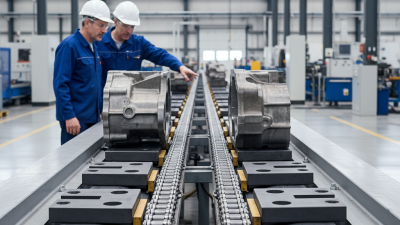
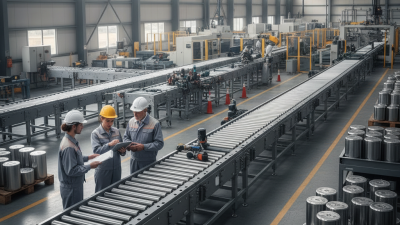
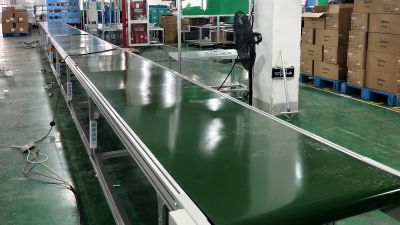
In the hustle and bustle of the material handling world, Conveyor Turntables really are a game-changer when it comes to boosting efficiency. I remember reading what Dr. William Johnson, a well-known expert in conveyor automation, once said: "The effectiveness of Conveyor Turntables cannot be overstated; they totally change the way we handle logistics." That speaks volumes, right? It just shows how important these systems are getting in today’s busy operations.
As industries keep evolving, the need for dependable solutions keeps climbing. Take screw-based systems, for example — things like Screw Conveyors and Auger Conveyors are absolutely key for keeping material flowing smoothly. And with options like Vertical Screw Conveyors and Inclined Screw Conveyors, companies can handle different space constraints, making things way more flexible. Most folks rely on sturdy materials like Carbon Steel and Stainless Steel because they last, but you also see innovative designs like Chain Plate Screw Conveyors and Flexible Screw Conveyors, which are perfect for a variety of different setups.
Of course, choosing the right Conveyor Turntable isn’t always a walk in the park. Each situation might need a slightly different setup or mechanism. That’s why it’s so important to really understand what each system offers. Companies should take a good, hard look at their specific needs before settling on a solution. The journey towards more efficient operations doesn’t end here — it’s all about constantly thinking things through and making smarter choices, step by step.
Overview of Conveyor Turntables in Material Handling
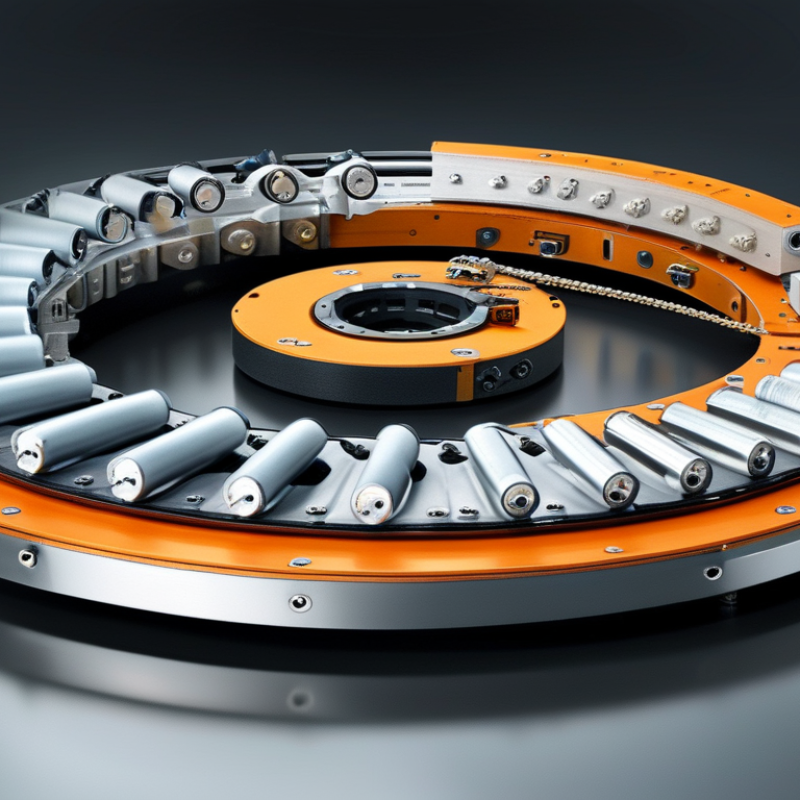
Conveyor turntables are crucial in material handling. They enhance efficiency by allowing products to reposition smoothly during transit. In various settings, turntables come in different types, each designed for specific needs. For example, the slat conveyor and its variants, such as inclined, curved, and heavy-duty slat conveyors, offer versatility in moving items.
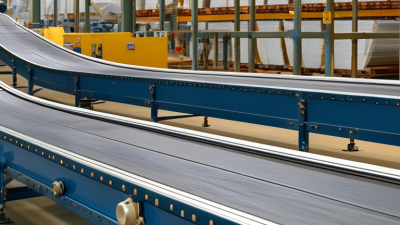
Understanding how these systems work is essential. A straight slat conveyor is perfect for straightforward movements. Meanwhile, the curved slat conveyor can navigate tight corners. The galvanized slat conveyor provides durability in harsh conditions. Choosing the correct type can significantly affect operation flow.
Tips: Always assess your space before choosing a turntable. Ensure the conveyor system fits your existing layout. Additionally, regular maintenance helps prevent unexpected breakdowns. This practice keeps the operation running smoothly and efficiently. Reflecting on your current processes can reveal areas for improvement. Consider the roles of each conveyor type in your overall material handling system.
Importance of Efficient Material Handling in Industry
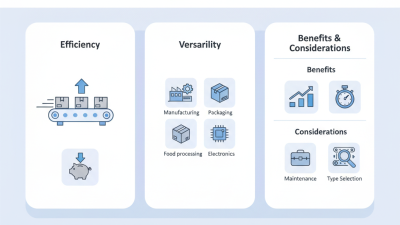
Efficient material handling is crucial in various industries, impacting productivity and costs. According to the Material Handling Industry of America (MHIA), companies can improve productivity by up to 25% through better material handling systems. This is vital in today's fast-paced market. As industries evolve, the need for streamlined processes becomes more urgent.
Data from the Occupational Safety and Health Administration (OSHA) indicates that improper material handling leads to significant workplace injuries. About 36% of workplace injuries are related to manual material handling. Investing in efficient systems not only reduces injury rates but also increases employee satisfaction. Happy workers often lead to increased output and lower turnover.
The evolving landscape of logistics presents both opportunities and challenges. Many companies realize that traditional methods may no longer suffice. Enhanced systems, like conveyor turntables, offer potential gains. Still, many firms overlook this shift, relying instead on outdated methods. Reflection on current practices is essential for long-term sustainability.
Key Features of Top Conveyor Turntables in China
In the world of material handling, conveyor turntables in China offer essential efficiency. These systems seamlessly integrate into existing workflows. Key features of these turntables enhance operational effectiveness. For instance, the Straight Non-powered Roller Conveyor allows for smooth item transfer without the need for electrical power. This simplicity can reduce maintenance costs and increase reliability.
Curved Non-powered Roller Conveyors are crucial for minimizing space usage. They enable smooth transitions around corners, enhancing the layout of your facility. Inclined Non-powered Roller Conveyors facilitate elevation changes while maintaining a steady flow. These designs are critical in warehouses where vertical movement is a necessity. Furthermore, Flexible Roller Conveyors adapt to various configurations, catering to diverse operational requirements.
Double-layer and Loop Roller Conveyors increase throughput by maximizing the use of available floor space. These systems enable more than one layer of product handling. However, issues may arise in maintenance or operational limits. Frame-type Roller Conveyors provide a strong foundation yet may require frequent adjustments. While these turntables advance efficiency, it’s important to remain aware of potential training gaps among staff. Addressing these concerns will enhance the overall handling process.
Types of Conveyor Turntables and Their Applications
Conveyor turntables are essential tools in material handling. They help streamline operations by allowing products to rotate easily. Different types of turntables cater to various applications in industries. For instance, one type is the gravity turntable. It relies on gravity to move items between conveyor lines. This type is cost-effective and requires minimal maintenance.
Another popular type is the powered turntable. It uses motors to rotate loads, ensuring smooth transitions. Powered turntables are ideal for heavy items or complex layouts. They often come with various speed options for flexibility. Each turntable type has its own set of advantages. However, choosing the right one requires careful consideration of the specific workflow needs.
Materials and load types also influence turntable choice. Some turntables handle delicate items, while others are designed for bulk materials. Moreover, the layout of your workspace can impact effectiveness. It's important to evaluate these factors to avoid inefficiencies. An incorrect choice may lead to unnecessary delays. Understanding these nuances is key to successful material handling.
Factors Influencing the Selection of Conveyor Turntables
When selecting conveyor turntables, several factors come into play. Space availability is crucial. Assessing the dimensions of your facility can inform the optimal size of the turntable. Smaller spaces may require compact designs. This ensures efficiency without sacrificing functionality.
Load capacity is another critical consideration. Different industries have varying weight requirements. Understanding the maximum load your turntable must handle is vital. Overloading may lead to equipment failure or safety issues. It's wise to consult with experts to determine appropriate specifications.
The material used in the turntable's construction matters too. Durable materials ensure longevity and reliability. Consider environments with high moisture or temperature fluctuations. These conditions can affect the choice of materials. Sometimes, balancing durability with cost becomes a challenging task. Making the right choice here requires careful evaluation.
Recent Innovations in Conveyor Turntable Technology
The recent innovations in conveyor turntable technology highlight significant advancements in material handling efficiency. Modern designs such as the straight slat conveyor and curved slat conveyor have improved the overall flow in industrial settings. These turntables allow for seamless transitions, keeping operations smooth. In busy warehouses, the inclined slat conveyor can facilitate the movement of goods across different elevations efficiently.
Moreover, vertical slat conveyors have emerged as essential tools for managing vertical transport of goods. Their design allows for quick access in compact spaces. Double-layer slat conveyors provide enhanced load capacity, further reducing downtime. In contrast, multi-layer slat conveyors can operate simultaneously, which may sometimes lead to complexities that require careful management. It is crucial to assess whether the added layers complicate maintenance tasks or improve throughput effectively.
Loop slat conveyors have also transformed how we visualize circular transport. However, while their continuous motion can be beneficial, it might necessitate further training for the workforce. Ensuring that operators understand the equipment is vital for safety and efficiency. Each of these innovations brings noteworthy benefits, but they also pose challenges that need ongoing assessment for optimal integration into material handling systems.
China Top Conveyor Turntables for Efficient Material Handling
Case Studies: Successful Implementation of Conveyor Turntables in China
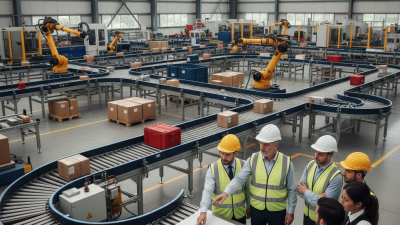
In China, conveyor turntables have transformed material handling across various industries. Companies have reported significant improvements in efficiency after implementing these systems. For example, a major automotive manufacturer utilized flexible slat conveyors to streamline their assembly lines. The integration of open slat conveyors allowed easy transitions between workstations, reducing product handling time dramatically.
One case study involved a food processing plant that required high temperature resistant slat conveyors. The plant faced challenges with the heat generated during production. By integrating these specialized conveyors, they enhanced their workflow without compromising safety. Another company tackled corrosion issues by adopting corrosion resistant slat conveyors. This decision proved vital as they dealt with harsh cleaning chemicals.
While these implementations appear successful, not every project faced smooth sailing. Some facilities struggled with the initial setup and required adjustments to optimize performance. Regular maintenance emerged as a crucial factor. Companies learned that wear resistant slat conveyors, although durable, needed periodic checks to ensure longevity. These experiences provide valuable lessons in the real-world application of conveyor systems in China.
Optimizing Efficiency: The Versatile Applications of Double-Layer Belt Conveyors in Electronics, Logistics, and Food Industries
The advent of double-layer belt conveyors has transformed material handling across various sectors, particularly in electronics, logistics, and food industries. These conveyors boast a dual-layer parallel structure that facilitates efficient bidirectional material transport, addressing diverse operational needs. For instance, a report by the International Conveyor Systems Association highlights that such conveyors can increase throughput by up to 30%, which is crucial in fast-paced environments like electronics manufacturing where speed and efficiency are paramount.
In logistics and warehousing, optimizing space and ensuring seamless integration between processes is vital. Double-layer belt conveyors excel in this regard, effectively connecting sorting systems with assembly lines, thus enhancing workflow coordination. The versatility of these conveyors allows them to operate in both horizontal and inclined modes, making them suitable for various layout requirements and significantly improving space utilization. According to the Warehousing Association, implementing advanced conveyor systems can lead to a 20% reduction in labor costs, demonstrating their economic benefit.
Additionally, in the food industry, the sanitation standards necessitate robust conveyance solutions that minimize contamination risks. Double-layer belt conveyors meet these stringent regulations while maintaining high efficiency. Research indicates that the adoption of automated conveyor technologies results in a 15% reduction in product handling time, allowing companies to remain competitive in a highly regulated market. As industries continue to evolve, the demand for innovative solutions like double-layer belt conveyors only increases, solidifying their role as essential components in modern manufacturing and logistics operations.
FAQS
: Efficient material handling boosts productivity and lowers costs. It can enhance productivity by up to 25%.
Improper handling can lead to workplace injuries. About 36% of injuries relate to manual material handling.
Investing in efficient systems improves safety and satisfaction. Happier employees often produce more and have lower turnover.
Space availability is essential. Assess the facility's dimensions to choose the optimal size of the turntable.
Load capacity varies by industry. Understanding maximum weights is crucial to prevent equipment failure and safety issues.
Durable materials ensure longevity. High moisture or temperature conditions require careful material choices.
Innovations include straight, curved, vertical, and inclined slat conveyors. Each type improves material handling efficiency in various ways.
Multi-layer slat conveyors can complicate maintenance tasks. Their benefits need careful assessment against potential complexities.
Continuous motion in loop slat conveyors may require additional training. Operators must understand these systems for safety.
Companies should evaluate outdated methods. Reflection is key for achieving long-term sustainability in efficiency and safety.
Conclusion
Conveyor turntables play a vital role in enhancing material handling efficiency across various industries. These devices help streamline operations by allowing for seamless transfer and orientation of products, significantly reducing transit times and labor costs. Understanding the importance of efficient material handling is crucial, as it directly impacts productivity and operational effectiveness.
In China, the leading conveyor turntables come equipped with key features such as durability, versatility, and advanced controls, making them suitable for diverse applications. Factors influencing their selection include load capacity, speed, and the nature of materials being handled. Recent innovations in conveyor turntable technology have further improved their functionality, leading to successful implementations demonstrated in various case studies across the country. As industries continue to prioritize efficiency, the role of conveyor turntables becomes increasingly significant.