In today’s really fast-moving global market, China definitely stands out as a front-runner when it comes to manufacturing conveyor systems. I came across a report by MarketsandMarkets that predicts the conveyor system market could hit around $7.4 billion by 2026, growing at an annual rate of about 4.2%. That kind of growth really shows just how much demand there is worldwide for more efficient logistics solutions—people are definitely looking for better ways to move stuff around.
Industry experts like Dr. Julian Zhang often point out just how important these systems are. He mentioned that, “Efficient Conveyor Belt Systems can totally change the game for supply chain operations, making everything more productive and way cheaper.” And honestly, that’s a huge deal for companies involved in global sourcing—if they get their logistics right, they can seriously gain an edge over competitors.
Of course, China’s got some pretty advanced tech and competitive prices, but it’s not all smooth sailing. There are still some challenges like maintaining consistent quality and standardization across different suppliers. Companies really need to do their homework and pick their partners carefully. Finding the right supplier can lead to some great collaborations, but it takes effort and good judgment. Bottom line? Balancing speed, reliability, and cost is key if you want to navigate this complex world successfully.
China's Role in Global Sourcing: An Overview of Conveyor Systems
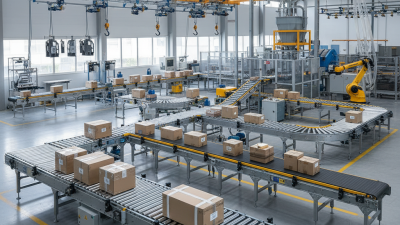
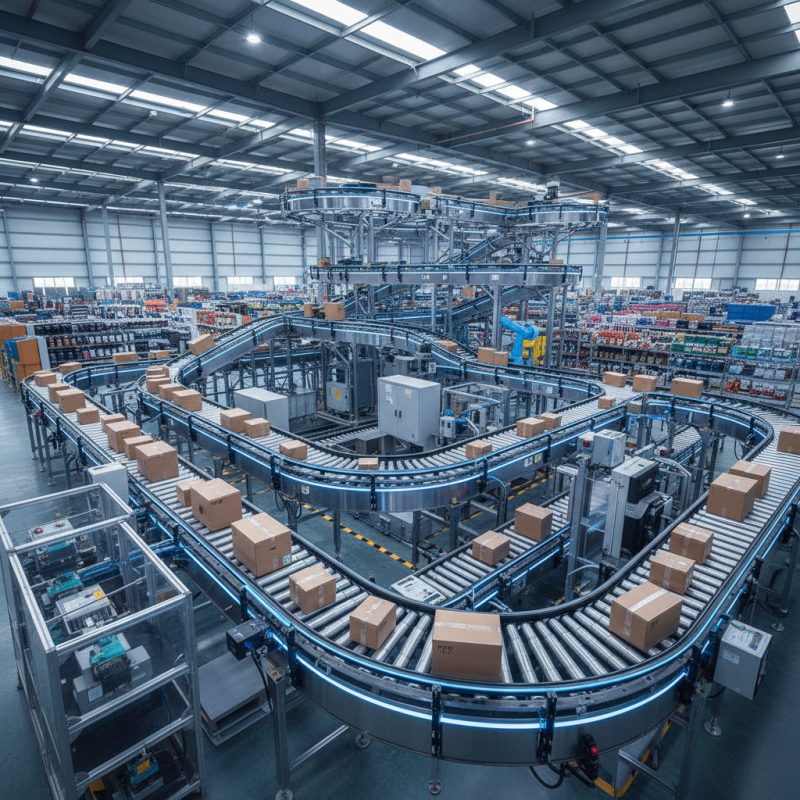
China has emerged as a pivotal player in global sourcing, particularly through its advanced conveyor systems. These systems are integral to manufacturing and logistics, enabling efficient transport of goods across production lines. The design and technology behind these conveyors have evolved significantly, reflecting China’s industrial growth and capability.
Many factories utilize conveyor systems for automating movement. This reduces manual labor and minimizes human error. Yet, challenges persist. Maintenance can be overlooked, leading to downtime. Companies need to invest in training and regular checking of these systems to ensure they meet operational standards.
Moreover, the demand for customized solutions is growing. Suppliers often customize conveyor systems to meet specific needs. However, this customization can complicate logistics and increase costs. Not all businesses can adapt quickly to such changes. Striking a balance between efficiency and affordability is crucial. Overall, China’s conveyor systems represent both an opportunity and a challenge in global sourcing.
Key Features of the Best Conveyor Systems in China
When considering conveyor systems in China, efficiency is paramount. A well-designed conveyor system can improve logistics and reduce operational costs. Key features often include modular design, advanced materials, and smart technology integration. A report by the International Material Management Association highlights that manufacturers utilizing efficient conveyor systems saw a 20% increase in productivity.
Flexibility is essential in today’s fast-paced environment. Many systems can be easily customized for various applications. This adaptability allows businesses to scale operations quickly. However, not all systems deliver the promised performance. It's crucial to assess reliability and maintenance needs carefully.
**Tip:** Always evaluate the total cost of ownership. This includes initial investment, ongoing maintenance, and potential downtime losses.
Investing in automated solutions can streamline processes. Advanced conveyor systems now incorporate sensors and AI technology. These innovations help in real-time tracking and inventory management. Yet, businesses often overlook user training. Proper operation is vital for maximizing system capabilities.
**Tip:** Ensure your staff is well-trained. Inadequate training can lead to inefficiencies and increased operational risks.
Key Features of the Best Conveyor Systems in China
Types of Conveyor Systems: A Comparative Analysis
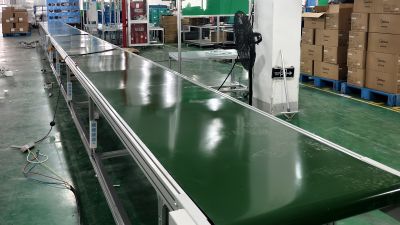
When exploring conveyor systems, understanding the different types is crucial for optimizing efficiency. There are several types available, including belt conveyors, roller conveyors, and bucket conveyors. Each type serves a unique purpose, catering to various industries. For instance, belt conveyors are ideal for moving bulk materials, while roller conveyors excel in transporting packages.
Tips: Consider the space and layout of your facility. Ensure that your conveyor system integrates seamlessly into existing workflows. Improper integration can lead to bottlenecks and decreased productivity.
Additionally, evaluate the capacity and speed of each conveyor type. A high-capacity system may not be necessary for all operations. Some businesses choose systems that do not fully match their throughput requirements. This can result in wasted energy and reduced efficiency.
Regular maintenance is essential for all conveyor systems. Neglecting this can lead to unexpected downtimes and costly repairs. A focus on preventive measures often pays off. It’s a common oversight to underestimate this aspect of operations.
Advantages of Using Conveyor Systems for Global Sourcing
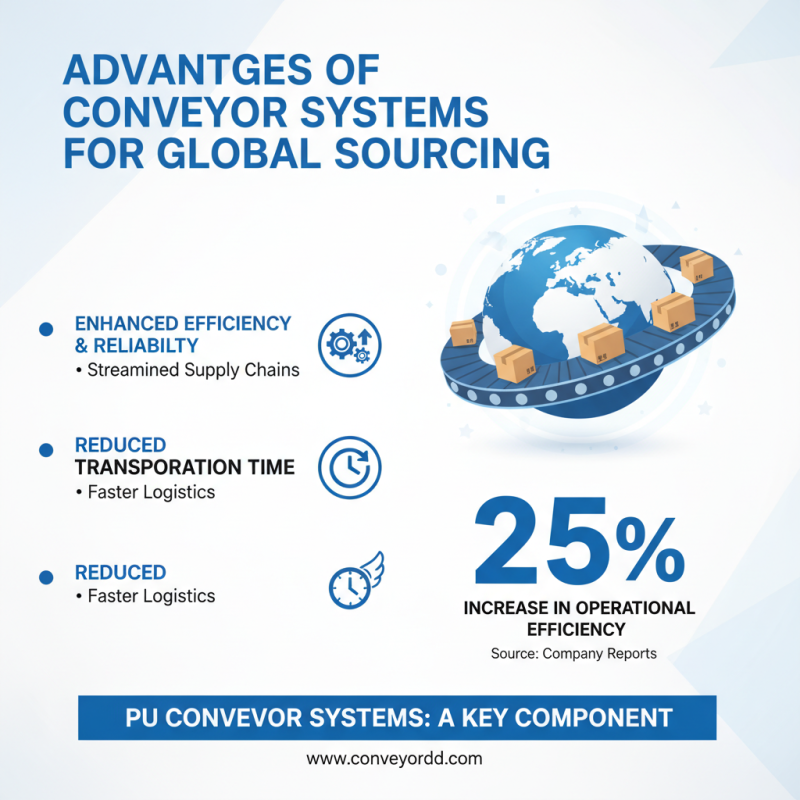
In the ever-evolving landscape of global sourcing, conveyor systems have emerged as a crucial component. They enhance efficiency and reliability in supply chains. The use of conveyor systems, such as Pu Conveyor, can lead to significant reductions in transportation time. Companies report a 25% increase in operational efficiency when integrating these systems into their logistics strategies.
Efficient conveyor systems minimize manual handling, reducing the risk of workplace injuries. Data shows that businesses adopting automated conveyor technologies see a 30% decrease in labor costs. However, it’s essential to reflect on the initial investment. While costs can be high, the long-term savings often justify this expenditure. Additionally, businesses face challenges in aligning conveyor systems with existing infrastructure.
Furthermore, data from industry reports highlights that over 60% of organizations consider conveyor systems vital for maintaining competitive advantages. Real-time tracking enabled by modern conveyor solutions ensures transparency throughout the supply chain. This capability empowers businesses to make informed decisions swiftly. Balancing the benefits of automation with potential implementation hurdles remains a challenge for many.
Leading Manufacturers of Conveyor Systems in China
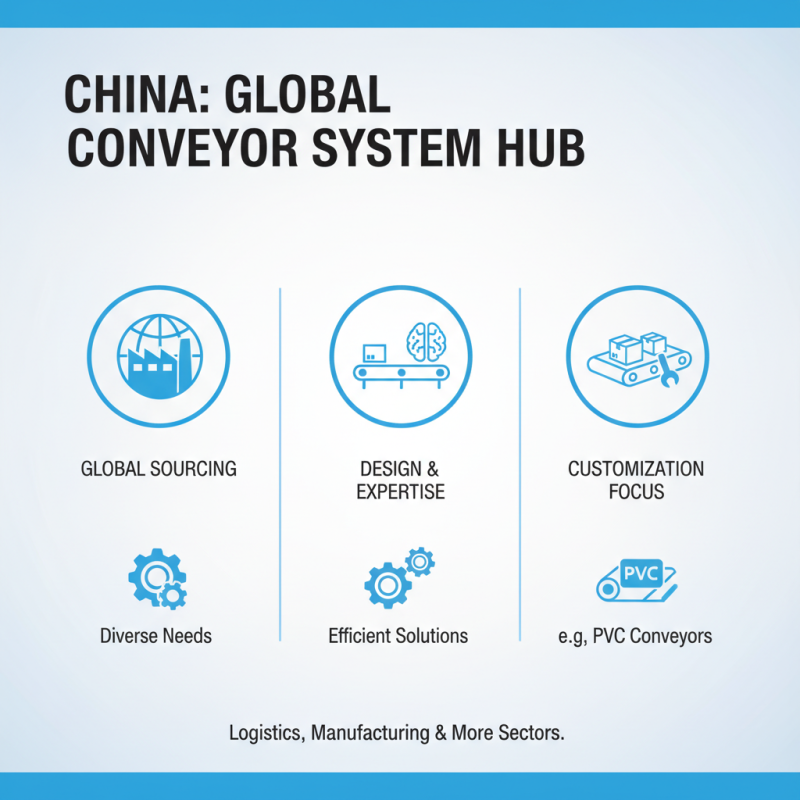
China has emerged as a leading hub for conveyor system manufacturing, catering to diverse global sourcing needs. The expertise in designing efficient solutions is evident in various sectors, from logistics to manufacturing. Many manufacturers focus on customizing systems like Pvc Conveyor options to meet specific client requirements.
While there are numerous manufacturers in China, not all prioritize quality and innovation. The varying standards can create challenges for businesses seeking reliable partners. It's essential to conduct thorough research and establish clear communication with potential suppliers. This helps to mitigate risks and ensures that the chosen system aligns with operational goals.
A noteworthy trend in China is the incorporation of advanced technology into conveyor systems. Automation and smart features enhance efficiency and productivity. However, relying heavily on technology can lead to over-dependence. Businesses must maintain a balance between automation and human oversight for optimal results.
Cost-Effectiveness of Conveyor Systems for International Trade
Cost-effectiveness is crucial in global trade. Conveyor systems, especially Line Conveyors, have emerged as essential tools in optimizing supply chains. Reports indicate that automation through conveyor systems can reduce labor costs by 20-30%. This significantly impacts overall expenses associated with international sourcing.
Using line conveyor systems streamlines product movement. Many companies report a 50% reduction in handling time by incorporating these systems. Still, there's room for improvement. Implementing conveyor systems requires upfront investment. Companies must carefully analyze the long-term benefits versus initial costs. Some businesses might face challenges in adjusting to automation. Employee training is essential to maximize productivity.
Moreover, maintenance costs of conveyor systems can fluctuate. An average of 15% of operational budgets often goes toward upkeep. This can strain finances, especially for smaller companies. Evaluating the efficiency and reliability of these systems is important. Firms should seek professional assessments to ensure they make informed decisions when investing in line conveyor technology.
China Best Conveyor System for Efficient Global Sourcing
| Dimension |
Value |
| Initial Investment Cost (USD) |
$100,000 |
| Annual Maintenance Cost (USD) |
$5,000 |
| Average Throughput (units/hour) |
500 |
| Energy Consumption (kWh) |
20 |
| ROI Period (Years) |
3 |
| Labor Cost Savings (USD/year) |
$20,000 |
| Average Downtime (hours/year) |
10 |
| Impact on Shipping Time (days) |
2 |
Future Trends in Conveyor Technology for Global Sourcing
The advancements in conveyor technology are reshaping global sourcing strategies. As industries evolve, the demand for more efficient systems grows. Technologies like the
Mesh Conveyor
are becoming essential for moving goods with precision and speed. This evolution is not just about speed; it’s about adaptability. A versatile conveyor can meet changing production needs quickly.
When considering your conveyor system, think about flexibility. Choosing a system that can accommodate different product types can enhance your sourcing efficiency. This means less downtime and more productivity. However, it’s crucial to evaluate your specific needs. An over-engineered system may lead to unnecessary costs.
Tips: Assess the layout of your workspace. Ensure the conveyor system suits your operational flow. Regular maintenance is key. It prevents breakdowns and ensures longevity. Don't overlook employee training. Proper training enhances safety and efficiency. As technology progresses, staying informed will provide a competitive edge.
Optimizing Efficiency: The Role of Double-Layer Belt Conveyors in Electronics, Logistics, and Food Industries
The double-layer belt conveyor is a revolutionary solution for industries requiring efficient material handling, including electronics manufacturing, logistics, and the food sector. With its unique upper and lower parallel conveying structure, this innovative equipment allows for bidirectional movement of materials, offering flexibility in operations. This capability is crucial for warehouses and logistics centers that seek to optimize space and streamline workflows. The design facilitates both horizontal and inclined conveying modes, making it adaptable to various layouts and requirements in modern production environments.
In addition to its versatility, the double-layer belt conveyor enhances process coordination by accurately connecting key operations such as warehousing, sorting, and assembly. This interconnectedness is vital for maintaining an efficient flow of materials, which is particularly important in fast-paced industries like electronics and food processing. By integrating this technology into their operations, businesses can improve throughput, reduce handling time, and ensure that production lines operate smoothly, ultimately leading to enhanced productivity and better resource utilization.
FAQS
: Efficient conveyor systems can improve logistics and reduce operational costs significantly.
Many conveyor systems offer modular designs for easy adaptation to various applications.
Proper training is vital for maximizing system capabilities and avoiding inefficiencies.
Common types include belt conveyors, roller conveyors, and bucket conveyors, each serving unique purposes.
Regular maintenance prevents unexpected downtimes and costly repairs, which is often neglected.
Businesses should assess total ownership costs, including initial investment and ongoing maintenance needs.
Automation through conveyor systems can reduce labor costs by 20-30%, benefiting global trade.
Companies often underestimate the importance of adequate training for staff operating the systems.
Improper integration can lead to bottlenecks and decreased productivity in workflows.
Adjustment to automation may be difficult, requiring careful analysis of long-term benefits versus initial costs.
Conclusion
The article titled "China Best Conveyor System for Efficient Global Sourcing?" provides a comprehensive overview of China's significant role in global sourcing through advanced conveyor systems. It highlights the key features that make these systems optimal for various industries, including versatility, speed, and reliability. A comparative analysis of different types of conveyor systems reveals their unique benefits, emphasizing the advantages of adopting these systems for streamlined international trade processes.
Additionally, the article discusses leading manufacturers in China, pointing out their contributions to cost-effective solutions for global sourcing. As conveyor technology continues to evolve, the article also outlines future trends that will shape the industry, ensuring that companies can foster efficient and effective sourcing strategies. Overall, the information underscores the importance of conveyor systems in facilitating global supply chains and enhancing operational performance.