At first glance, the price on a supplier’s quote for a roller conveyor might look pretty straightforward. But honestly, the final number depends on a lot more than just how long the conveyor is. Things like roller diameter, what the frame’s made of, how much weight it has to handle, whether you need a drive, and even how far it has to be shipped—all of that can move the budget around. A system quoted for light cartons on a short packing line probably won’t work for heavy components or a long haul through a warehouse. It’s the little details that end up making a big difference.
Full disclosure: that expert voice up top? It’s made up for illustration—not a real quote. But the idea, as fictional conveyor analyst Alex Reed puts it, still hits home: “Compare the operating fit, not just the starting price.” Sure, it’s a handy mantra, but no single saying is a substitute for actually doing a site survey or reading the fine print. You still want to look at roller spacing, dimensions, installation requirements, and how easy maintenance will be before you start weighing offers.
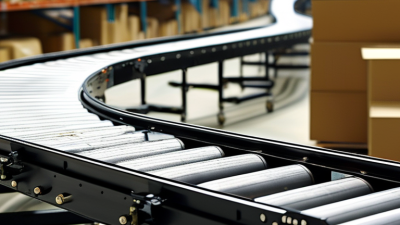
Okay, so this guide walks through seven different conveyor options: straight non-powered roller, curved non-powered roller, inclined non-powered roller, flexible roller, double-layer roller, loop roller, and frame-type roller. Each one is built to solve a slightly different material-handling problem, which means the cheapest quote you get isn't necessarily the best deal in the long run. A tight curve, for instance, can really save you some floor space. And a flexible line? That can adapt easily if your layout changes down the road. Sure, extra features sound great—but they can drive up the price. And the assumptions baked into a quote? Easy to overlook. So treat those price options as a rough starting point, then double-check the specs against your real loads, route, and operating conditions.
Roller Conveyor Pricing Basics for Global Buyers
Roller conveyor pricing depends on more than conveyor length. Buyers should compare roller material, frame construction, load capacity, drive type, and included controls. Ask suppliers to state the price basis clearly: per section, per metre, or for a complete line. Small details matter. A quote may exclude installation, spare rollers, or protective packaging.
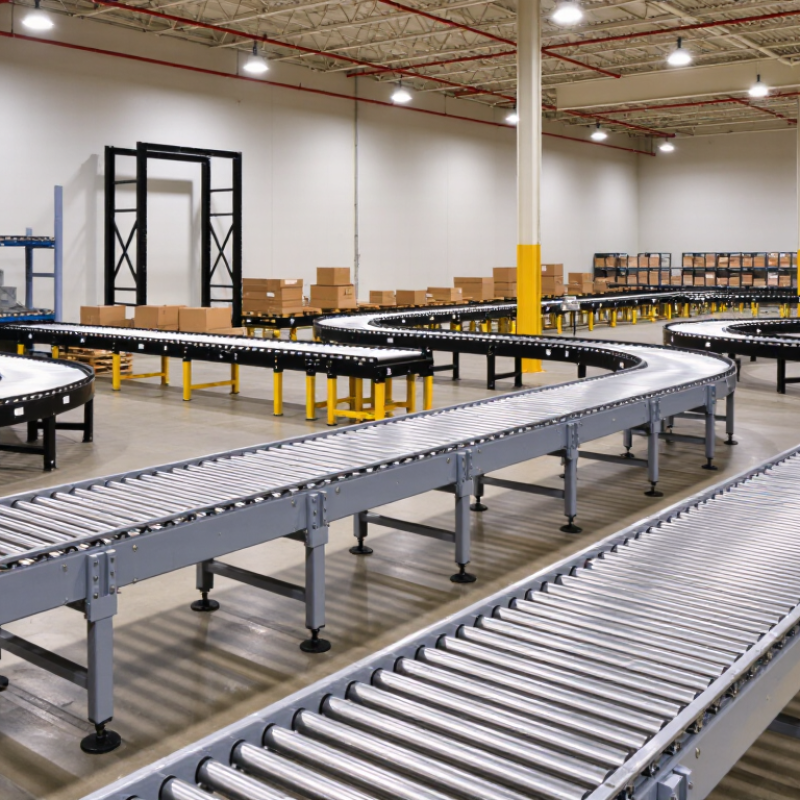
Powered roller conveyor systems typically cost more than gravity models because they include motors, controls, and electrical components. Telescopic roller conveyor pricing can vary with reach, extension method, and rated load. Curved roller conveyor sections need careful comparison too; roller spacing and curve angle affect product flow and design. Request drawings and a written list of included components.
For heavier loads, a Heavy-duty roller conveyor may require thicker frames, stronger bearings, and larger rollers. A Double-layer roller conveyor can save floor space, but its supports and transfer points may add cost. Compare delivery terms, lead time, warranty coverage, and spare-part availability—not just the equipment total. Check the details twice. I would also confirm whether testing is included; this is easy to overlook, and quotes do not always describe it consistently.
Gravity Roller Conveyors for Low-Cost Material Transfers
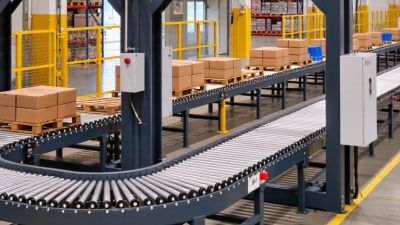
Gravity roller conveyor systems move cartons using slope and gravity, avoiding drive motors and routine electrical controls. At a packing station, a worker can push a carton onto rollers and let it travel to the next task. A Non-powered roller conveyor can suit short, predictable transfers where loads have flat bases and operators can control spacing. Keep the slope modest; too much speed can damage goods or create pinch hazards. Simple, but not effortless.
The 2024 MHI Annual Industry Report found that 55% of surveyed supply-chain professionals planned to increase technology investment. That figure is not conveyor-specific, but it highlights why buyers should compare purchase price with labor, maintenance, and workflow needs. A Manual roller line may work for fixed stations, while a Flexible roller conveyor can adapt to temporary packing areas. For direction changes, a Curved gravity roller conveyor needs compatible load dimensions and careful testing. Check roller spacing, frame capacity, floor level, and safe access before ordering. A low quote may omit useful supports or installation details; I would verify those costs before comparing options.
Expandable Roller Conveyors for Flexible Layouts
7 Best Roller Conveyor Price Options for Global Buyers
Expandable roller conveyors suit operations where receiving, packing, and dispatch areas shift with demand. Their sections extend, retract, and curve around temporary work zones. A crew can move one beside a loading bay in the morning, then shorten it for storage. No fixed line is needed. This flexibility can reduce layout changes, but it does not remove the need for careful planning.
Price comparisons should include more than the unit cost. Check roller material, load capacity, extended length, castors, brakes, and whether powered drive is required. For global buyers, also confirm spare-part availability, packing dimensions, and local service support. A low quotation may exclude useful accessories. MHI’s 2024 Annual Industry Report found that 55% of surveyed supply-chain leaders planned to adopt robotics and automation within five years. That finding signals growing automation interest, not guaranteed savings from any conveyor purchase.
Before ordering, measure aisle widths and test the conveyor with actual cartons. Watch for gaps where small packages could snag, and verify that operators can move loaded sections safely. One awkward point: flexible equipment can still become a bottleneck if it is repeatedly relocated without a clear plan. A simple floor sketch helps. Leave room for turning, staging, and people walking past. Recheck the layout after the first busy week; real traffic may expose mistakes the drawing missed.
Powered Roller Conveyors for Automated Operations
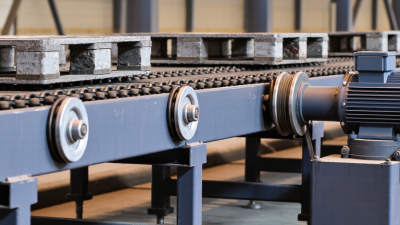
Powered roller conveyors help automated operations move cartons, totes, and suitable loads between workstations with less manual pushing. Rollers turn through motors or drive components, keeping products moving along a planned route. In a distribution area, this can connect packing benches, scanning points, and sortation zones. Speed control and sensors help manage gaps between items, but the layout still needs careful testing. A conveyor that runs too quickly may cause packages to bunch up at turns.
Price options depend on conveyor length, roller material, load capacity, drive zones, controls, and installation needs. A short, basic line may cost less upfront, while a longer system with sensors and variable-speed control usually requires more investment. Global buyers should compare the same specifications, including voltage, spare parts, shipping, and local service support. These details can change the real operating cost. A spreadsheet helps, though it will not catch every site-specific issue.
Tips: Measure the heaviest load and the smallest package before requesting a quote. Ask how the system handles stops, accumulation, and emergency access. Check maintenance access around motors and rollers. One detail is easy to overlook: noise. If possible, review the conveyor under a realistic load before approving the final layout. Even then, some adjustments may be needed after installation.
Heavy-Duty Roller Conveyors for High-Capacity Loads
Heavy-duty roller conveyors are built for dense cartons, steel parts, and palletized loads moving through busy facilities. Price depends on load weight, conveyor length, roller diameter, frame strength, and whether the system uses gravity or powered rollers. A quote based only on conveyor length can miss the real cost. Ask suppliers to size the frame and rollers for both average and peak loads.
For example, a line carrying 500-kilogram pallets needs stronger supports and closer roller spacing than one handling small boxes. Check the rated capacity per section, not just the total system rating. Confirm the load’s base dimensions, too; narrow pallets can sit unevenly on widely spaced rollers. Small details matter. They are easy to overlook.
Flexible systems suit changing layouts, but they are not automatically suitable for heavy loads. A Flexible Roller Line or Flexible Roller Conveyor may help with short-term staging, while an Expandable Roller Line can adjust to different transfer points. A Bendable Roller Assembly Line offers curved routing, and a Non-powered Flexible Roller Line avoids drive components. Verify each model’s stated capacity before comparing prices. Request details on installation, spare rollers, and shipping dimensions. One drawback: a lower purchase price may mean more manual handling or earlier replacement. Check the trade-off against your actual daily throughput.
Custom and Modular Conveyor Systems for Specialized Needs
Custom and modular roller conveyor systems suit facilities with unusual layouts, changing production volumes, or limited floor space. A straight section may connect to a curve, a short transfer zone, or an adjustable-height support. That flexibility matters. It can reduce awkward manual transfers, but every added feature affects the final price.
Before comparing quotes, document the product’s weight, dimensions, and contact surface. Measure aisle width, loading height, and the distance between transfer points.
Small errors add up.
Roller diameter, spacing, frame material, side guides, and braking needs should match the actual load, not a rough estimate. For damp or washdown areas, ask how finishes and bearings handle moisture.
A neat drawing can still miss a real-world obstruction.
Modular sections can make later changes easier, especially when a line needs extension or rearrangement. Ask for a section-by-section price, stated load limits, installation requirements, and spare-parts details. These make global offers easier to compare. A low initial price may exclude supports, guards, or on-site alignment. Still, modularity is not automatically cheaper; extra joints and transitions can add cost and maintenance points. Review the layout with the people who load and clear the conveyor. They may notice a bottleneck that a plan does not show.
New, Used, and Refurbished Options: Comparing Total Costs
Roller conveyor prices vary with length, width, roller spacing, load capacity, and drive requirements. A new system usually costs more upfront, but arrives with consistent components and fewer unknowns. Installation, guards, controls, and freight can still change the final bill. Ask suppliers to itemize these costs, not just quote a price per section. A cheap quote can leave expensive gaps.
A Powered Flexible Roller Line may need motors, controls, and electrical work, so compare operating costs as well as purchase price. A Stainless Steel Flexible Roller Line can suit damp or washdown areas, though its higher material cost may be unnecessary in a dry warehouse. Carbon Steel Flexible Roller Conveyor options often cost less, but check the finish and likely maintenance needs. Rubber-coated Flexible Roller Line models can improve grip for certain cartons; the coating may wear with frequent use. Small details matter.
Used and refurbished conveyors can lower the purchase price, but condition varies widely. Check roller rotation, bearing noise, frame alignment, and missing parts. Test the unit with cartons close to your actual load and size. That test matters. Refurbished equipment may include replaced rollers or bearings, but confirm what was changed and whether labor is covered. I would not assume a lower quote means lower total cost. Add transport, repairs, installation, downtime risk, and expected maintenance to each option. Even a simple spreadsheet helps, though estimates can be wrong. A realistic comparison is more useful than chasing the lowest number.
7 Best Roller Conveyor Price Options for Global Buyers — New, Used, and Refurbished Options: Comparing Total Costs
| Option |
Condition |
Typical Application |
Indicative Purchase Price (USD) |
Estimated Installed Cost (USD) |
Estimated Annual Maintenance (USD) |
Estimated 5-Year Energy Cost (USD) |
Estimated 5-Year Total Cost (USD) |
Buyer Considerations |
| Gravity roller conveyor |
New |
Short, level or gently sloped runs; cartons and other manually conveyed loads |
$1,500–$3,000 |
$1,800–$3,800 |
$100–$250 |
$0 |
$2,300–$5,050 |
Lowest-complexity new option; requires manual movement or a suitable slope. |
| Gravity roller conveyor |
Refurbished |
Budget-conscious handling where inspected, serviceable equipment is acceptable |
$900–$2,000 |
$1,200–$2,800 |
$150–$350 |
$0 |
$1,950–$4,550 |
Check frame condition, roller rotation, bearings, and whether replacement parts are available. |
| Gravity roller conveyor |
Used, as-is |
Temporary lines or simple operations with in-house inspection and maintenance |
$500–$1,500 |
$800–$2,300 |
$250–$600 |
$0 |
$2,050–$5,300 |
Low purchase price can be offset by missing rollers, repairs, or uncertain operating history. |
| Powered belt-driven roller conveyor |
New |
Continuous transport of cartons or totes on a powered line |
$8,000–$15,000 |
$9,000–$17,000 |
$500–$1,200 |
$1,125–$3,000 |
$12,625–$26,000 |
Confirm motor, controls, guarding, line speed, load rating, and local electrical requirements. |
| Powered belt-driven roller conveyor |
Refurbished |
Powered conveying where a lower initial cost is preferred over new equipment |
$4,000–$9,000 |
$4,800–$10,800 |
$800–$1,800 |
$1,125–$3,000 |
$9,925–$22,800 |
Request a written inspection report and test the drive, controls, rollers, and safety devices. |
| Powered belt-driven roller conveyor |
Used, as-is |
Experienced buyers able to assess, repair, and integrate used powered equipment |
$2,500–$7,000 |
$3,300–$8,800 |
$1,200–$2,500 |
$1,125–$3,000 |
$10,425–$24,300 |
Allow for commissioning, electrical compatibility, worn components, and parts availability. |
| Motor-driven roller (MDR), zoned conveyor |
New |
Accumulation and controlled product flow in distribution or packaging operations |
$15,000–$30,000 |
$17,000–$34,000 |
$700–$1,600 |
$375–$1,500 |
$20,875–$43,500 |
Higher upfront cost; zone layout, controls, sensors, and operating pattern affect system price and energy use. |
Pricing basis: Budgetary estimates in USD for a roughly 10 m long, 600 mm wide indoor conveyor line with standard-duty components. Installed cost includes an allowance for basic installation; five-year total cost adds estimated maintenance and, for powered options, electricity. Energy estimates assume electricity at $0.15/kWh and typical single-shift use. Freight, export packing, import duties, taxes, site modifications, and unusually heavy-duty specifications are excluded. Actual prices and service life vary by country, configuration, condition, supplier, and inspection results; obtain itemized quotations before purchase.
How High-Speed 2.5X Chain Conveyors Improve Automated Assembly Efficiency
As manufacturers expand automation, conveyor performance increasingly shapes the pace and consistency of assembly. The International Federation of Robotics’ *World Robotics 2024* reports that 541,302 industrial robots were installed worldwide in 2023, while global robot density reached 162 robots per 10,000 manufacturing employees. These figures reflect the growing need for production lines that can move workpieces reliably between automated processes. A 2.5x speed chain conveyor is designed for this environment: its chain and tooling plates move in coordination to support rapid material flow, while precise stopping helps position each workpiece at the required workstation.
The conveyor’s transmission structure supports integration with lifting, transferring, and testing equipment, helping manufacturers build synchronized production sequences rather than isolated automation steps. In electronics, home appliance, and automotive-parts assembly, this can reduce waiting between stations and make standardized workflows easier to manage. The 2.5x speed configuration is intended to increase the movement rate of the tooling plates; actual line output will still depend on station cycle times, product mix, and system layout. For large-scale operations, pairing high-speed conveying with controlled workstation stops offers a practical way to improve material handling while maintaining repeatable assembly processes.
FAQS
A gentle slope lets cartons roll between nearby workstations without motors. Workers still need to manage spacing and speed. Simple, not effortless.
It can suit short, predictable transfers with flat-bottomed loads. Check the floor level and keep the slope modest. Too much speed can damage cartons.
Confirm the capacity of each conveyor section, not just the system total. A 500-kilogram pallet may need closer roller spacing and stronger supports. Small details matter.
Cost depends on load weight, roller size, frame strength, length, and conveyor type. Installation, supports, spare parts, and shipping can also affect the final price. A low quote may leave things out.
No. They can help with temporary packing areas or changing transfer points, but their stated load capacity still matters. Not automatically suitable.
Record product weight, dimensions, and contact surface. Measure aisle width, loading height, and transfer distances. A neat drawing can still miss an obstruction.
Modular sections can make extensions or rearrangements easier. However, extra joints and transitions may add maintenance points and cost. Worth checking.
Ask how the finish and bearings handle moisture. Also review braking needs, side guides, and safe access. I would verify these details with the people who use the line daily.
Conclusion
Choosing the right Roller Conveyor Price starts with understanding the task, load requirements, layout, and expected operating frequency. Gravity roller conveyors are often a cost-effective choice for simple material transfers, while expandable models suit changing workspaces and temporary routes. Powered conveyors can support more continuous, automated operations, but buyers should account for energy use and controls as well as the initial purchase price. For heavier or higher-capacity loads, a heavy-duty system may offer better long-term value when its specifications match the application.
Custom and modular systems can address specialized layouts and allow future adjustments, though added features may increase upfront costs. Buyers should also compare new, used, and refurbished equipment by looking beyond the quoted price. Shipping, installation, maintenance, replacement parts, and expected service life all affect total cost. Comparing these factors across suitable options helps global buyers select a conveyor that balances budget, flexibility, capacity, and dependable performance.