In today’s warehouse world, things move pretty fast, and staying efficient is more important than ever. One really handy tool that can make a big difference is the Pallet Turntable. These devices help things run smoother by making it easier to handle and access pallets. They cut down on all that manual lifting and shifting, which in turn boosts productivity. Basically, if your team starts using Pallet Turntables, you’re likely to see things get a lot more efficient and seamless.
Now, there are different types of Pallet Turntables out there. Some are built to boost speed with Chain Lifting & Positioning, while others focus more on Tooling Pallet Lifting & Positioning. Honestly, picking the right one can feel a bit overwhelming — there are so many options! The key is to really think about what your operation needs. Making the wrong choice can end up causing more problems rather than solving them. So, it’s super important to understand what each type offers — that way, you can make a smart, informed decision.
Investing in good-quality Pallet Lifting & Positioning gear is definitely a smart move — it can make work safer and easier for your team by reducing strain. But, here’s the thing: not every business uses these tools as effectively as they could. Regularly checking how well your equipment is performing and looking for ways to improve can really pay off. That extra bit of attention can maximize the benefits of your Pallet Turntables and, in the end, make your warehouse run much more smoothly.
Understanding Pallet Turntables: Definition and Key Benefits
Pallet turntables play a crucial role in enhancing warehouse operations. These devices facilitate the rotation of pallets, aiding in efficient loading, unloading, and inventory management. A report from the Warehousing and Logistics Association highlights that facilities implementing pallet turntables can reduce manual handling by up to 50%. This results in significant time savings and lower injury risks for workers.
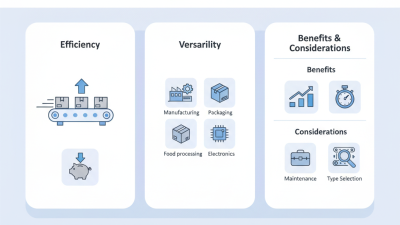
Understanding the key benefits of pallet turntables is essential for improving efficiency. They are designed to minimize heavy lifting and awkward positioning. Workers can easily access all sides of a pallet without excessive strain. Additionally, incorporating a Pallet Conveyor with turntables can streamline processes, increasing throughput. Research suggests that integrating these systems can boost operational efficiency by up to 30%. Yet, some warehouses may face challenges in retrofitting existing layouts to accommodate these devices.
Investing in pallet turntables requires careful consideration. While they offer substantial benefits, one must evaluate the initial costs and training needs. Not all operations may see immediate returns. Regular maintenance of both turntables and conveyor systems is vital to ensure reliability. A neglected system can lead to costly downtime and inefficiencies.
The Role of Pallet Turntables in Modern Warehouse Operations
Pallet turntables play a crucial role in modern warehouse operations. They enhance efficiency by simplifying the manipulation of heavy loads. When workers use these devices, the need for manual lifting decreases, leading to a safer environment. The seamless rotation reduces time spent on moving products, optimizing workflow significantly.
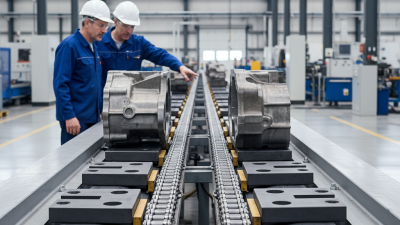
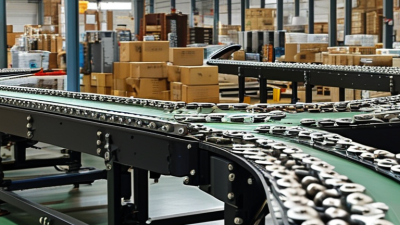
In many cases, these turntables can be integrated with a Pallet Chain Conveyor system. This combination allows for automated movement of pallets through the warehouse. Automated systems can handle repetitive tasks and improve overall productivity. However, reliance on technology may lead to less hands-on training for workers. This could create gaps in essential skills.
It's essential to evaluate the effectiveness of pallet turntables regularly. Monitoring how these tools impact daily operations can reveal areas for improvement. Workers may experience fatigue if turntables are not used properly. Finding the right balance between technology and training is critical for maximum efficiency. Additionally, considering the proper setup and maintenance is vital to keep operations running smoothly.
Comparative Analysis: Manual vs. Automated Pallet Turntables
In warehouse operations, efficiency is crucial. Manual pallet turntables offer flexibility and control. Operators can adjust speed and direction as needed. This adaptability can lead to a better handling of diverse products. Research shows that manual systems generally cost less. However, they require more workforce training and can lead to fatigue over time.
On the other hand, automated pallet turntables provide consistency and speed. They operate with minimal human intervention. This feature is particularly beneficial in high-volume environments. Studies reveal that automated systems can enhance productivity by up to 30%. Additionally, they integrate well with a Pallet Conveyor System, streamlining operations further. However, high initial setup costs and maintenance challenges may deter some warehouses from transitioning fully.
Both systems have their pros and cons. A manual pallet turntable may better suit smaller businesses. Conversely, larger operations might find automation essential for scaling. Warehouse managers should assess their unique needs. An effective analysis will highlight the right choice for their operational goals.
Comparison of Manual vs. Automated Pallet Turntables in Warehouse Operations
Efficiencies Gained: Warehouse Productivity Metrics with Turntables
Pallet turntables can significantly impact warehouse productivity. A study by the Warehousing Education and Research Council found that efficient layout and equipment can boost operational efficiency by up to 25%. This efficiency often comes from reducing the time spent on manual handling of goods. When combined with equipment like a Pallet Roller Conveyor, the benefits multiply.
Utilizing turntables minimizes worker movement and optimizes space. Research indicates that these systems can decrease loading times by around 30%. However, it's essential to ensure proper integration with existing processes. If implementation is rushed, confusion may arise among staff. Hence, training becomes crucial. Proper training leads to effective usage, ultimately improving workforce morale and reducing errors.
Moreover, poorly designed workflows can negate the advantages of turntables. A one-size-fits-all approach may not yield the desired results. Each warehouse has unique demands. Continuous evaluation is necessary to adapt and refine setups. Regular assessments allow businesses to maintain the effectiveness of pallet roller conveyors along with turntables, ensuring sustainable productivity gains.
Selecting the Right Pallet Turntable: Factors to Consider
When selecting the right pallet turntable for warehouse operations, several factors come into play. The size and weight capacity of the turntable are critical. A turntable must accommodate the standard pallet sizes in your operation. Consider the maximum weight it can handle to avoid breakdowns or safety issues.
Tips: Always check the turntable's stability. A wobbly turntable can cause spills and accidents.
Another vital factor is the turntable's power source. Electric turntables provide ease of use but may require regular maintenance. Manual options are less costly but may not be as efficient. Assess your operational needs to find a balance between cost and effectiveness.
Tips: Regularly review your turnover rates. High rotation frequency means you need robust equipment. Adjust your choices based on performance data.
Top Features of High-Performance Pallet Turntables
When managing warehouse operations, efficiency is key. Pallet turntables can drastically improve workflow by allowing easy rotation of heavy loads. These devices can reduce strain on workers while increasing speed in operations. A robust turntable supports various pallet sizes, enhancing versatility. This adaptability is critical in dynamic warehouse environments.
Another key feature is the user-friendly design. Controls should be intuitive, allowing operators to focus on their tasks. This minimizes training time and errors. Some turntables also offer adjustable height options. This can accommodate different loading and unloading scenarios. It reflects the need for an optimal working height, reducing awkward postures during manual handling.
Durability is equally important. High-quality materials should withstand constant use without wear. Corrosion-resistant surfaces can prolong the lifespan of turntables. Facilities often face challenging conditions, so reliability is crucial. Regular maintenance checks are necessary to keep equipment in good condition. However, some systems may become outdated or require upgrades even with proper care. Therefore, ongoing assessments are vital to ensure peak performance.
Case Studies: Successful Implementation of Pallet Turntables in Logistics
Pallet turntables can enhance warehouse efficiency significantly. In one case, a logistics company faced mounting delays due to inefficient space utilization. They implemented turntables to allow for more versatile pallet handling. This shift resulted in a 20% increase in throughput within three months. Staff reported easier access to goods, leading to faster order fulfillment.
Another case involved a distribution center struggling with workplace injuries. By introducing pallet turntables, they reduced manual lifting. Workers found it easier to load and unload pallets. However, some initially resisted the change. Training and adjustment periods were necessary to fully realize the benefits. Over time, this led to reduced injury rates and a safer environment.
Despite these successes, challenges remain. Some warehouses still overlook maintenance for turntables. Neglect can lead to downtime and impact operations. Regular checks and timely repairs are crucial. Reflecting on these experiences reveals that while pallet turntables can drive improvements, ongoing attention is vital for sustained efficiency.
Optimizing Material Handling Efficiency with Non-Powered Roller Conveyors for Box and Pallet Solutions
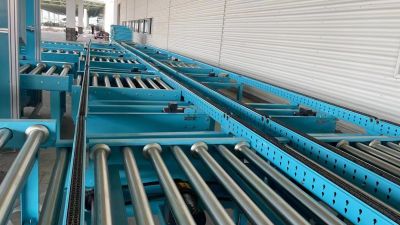
In today’s fast-paced industrial environment, optimizing material handling efficiency is critical for achieving streamlined operations. Non-powered roller conveyors provide a practical and flexible solution for the movement of boxes and pallets, relying on the weight of the cargo or external forces for operation. This technology has been increasingly recognized for its effectiveness in various applications, such as warehousing, logistics, packaging, and light manufacturing. According to recent reports, companies that implemented non-powered roller systems have reported up to a 30% increase in material handling efficiency, significantly reducing labor and operational costs.
The versatility of non-powered roller conveyors allows them to adapt seamlessly to both horizontal and slightly inclined transfer methods, making them suitable for different layouts in workshops and warehouses. Their lightweight design not only facilitates easy handling but also enhances safety, reducing the risks associated with heavy machinery. Additionally, these systems can be customized to meet specific material flow, buffering, and sorting needs, making them an ideal choice for businesses looking to enhance productivity without a significant capital investment. Industry studies show that companies adopting such conveyance solutions can expect improved workflow and reduced bottlenecks within their supply chains.
With the growing demand for efficient material handling solutions, non-powered roller conveyors stand out as a cost-effective approach to optimizing operations. As industries strive to meet the challenges of increased production while minimizing costs, incorporating efficient handling systems becomes essential. The integration of these systems enhances not just operational capacity but also overall workflow efficiency, paving the way for robust and agile manufacturing and logistics environments.
FAQS
: Pallet turntables simplify the handling of heavy loads, enhancing operational efficiency and safety.
They reduce the need for manual lifting, minimizing the risk of workplace injuries.
Yes, they can integrate with automated systems for moving pallets, improving productivity but reducing hands-on training.
Regular evaluations should be made to assess their effectiveness and identify areas needing improvement.
If not used properly, turntables can lead to worker fatigue and hinder performance.
They should support various pallet sizes, have user-friendly controls, and offer adjustable heights for different tasks.
Durable turntables withstand constant use, and corrosion resistance prolongs their lifespan in challenging environments.
There may be initial resistance from workers, requiring adequate training and adjustment periods.
Regular maintenance checks are necessary to prevent downtime and ensure smooth operations.
Neglect can lead to equipment downtime, impacting overall warehouse efficiency negatively.
Conclusion
Pallet turntables are essential tools in modern warehouse operations, offering significant advantages in terms of efficiency and productivity. By allowing for seamless rotation of pallets, these devices enhance accessibility and reduce manual handling, which in turn minimizes the risk of workplace injuries. Understanding the differences between manual and automated pallet turntables is crucial for warehouses looking to optimize their processes, as automation can lead to even greater improvements in speed and accuracy.
When selecting the right pallet turntable, considerations such as load capacity, space requirements, and key features like safety mechanisms and ease of use come into play. High-performance pallet turntables contribute to measurable productivity metrics by streamlining operations and supporting the effective handling of goods. Case studies illustrate the successful implementation of pallet turntables in various logistics environments, highlighting their role in elevating operational standards and improving overall warehouse efficiency.