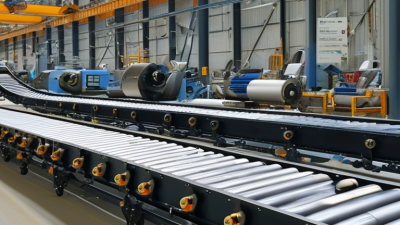
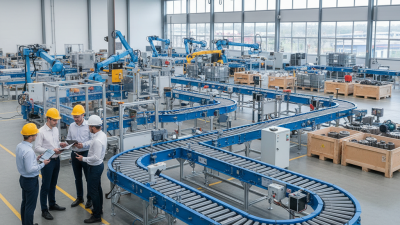
In the world of logistics, flexible conveyors have really become essential tools for handling materials more efficiently. I remember chatting with Jamie Thompson from Convey-It Solutions, and he mentioned, “Flexible conveyors are totally changing how we think about making production lines more adaptable.” That kind of really shows how important these systems are getting, especially options like flexible chain plate lines and flexible slat chain assembly lines.
These conveyors are pretty great because they can easily adjust to different layouts. They make moving items between workstations a lot smoother. For example, if you go with a straight flexible chain plate line, it’s perfect for linear setups. On the other hand, curved flexible conveyors are super handy when space is tight—you can really optimize tricky spots. Companies that jump on the bandwagon and use these systems often see a noticeable boost in productivity.
That said, it’s not all sunshine and rainbows. Not every flexible conveyor setup is gonna work perfectly for every situation. Some might have issues with heavy loads or need more maintenance than you'd like. So, it’s really important for businesses to take a close look at what they actually need before they invest. Finding that right balance is key—whether you’re running a warehouse or a production line—to make sure everything runs smoothly without a hassle.
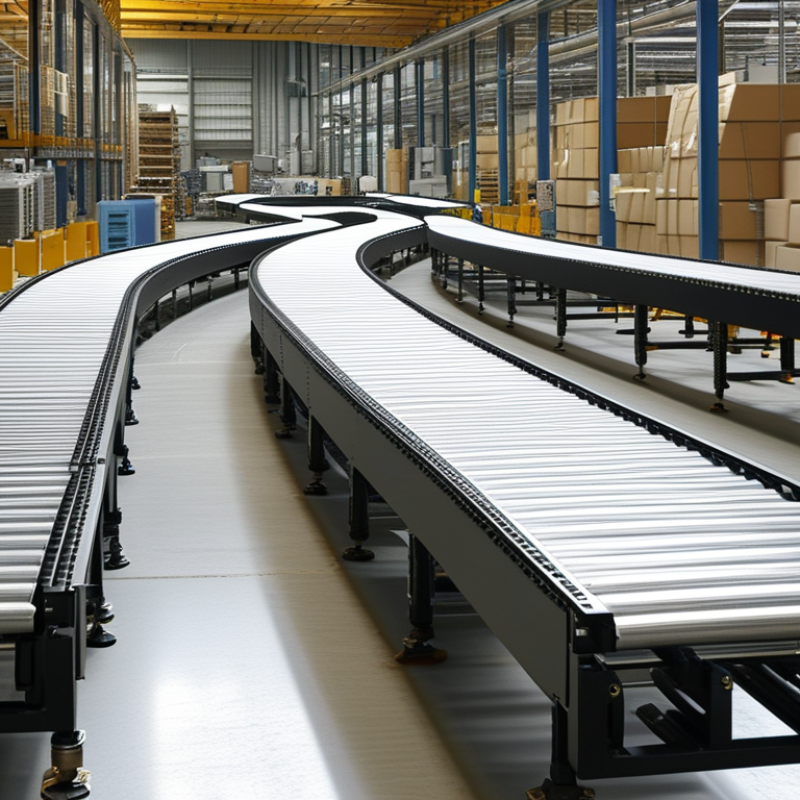
Types of Flexible Conveyors for Material Handling Applications
Flexible conveyors play a critical role in material handling across various industries. They offer adaptability in layout and can efficiently transport goods of different sizes. According to a report by Modern Materials Handling, the demand for flexible conveyors has increased by 15% over the past five years. This rise emphasizes the need for versatile solutions in warehouses and distribution centers.
There are several types of flexible conveyors, including skate wheel conveyors and accordion-style conveyors. Skate wheel conveyors are ideal for moving lightweight items. They facilitate quick and easy movement, especially in tight spaces. On the other hand, accordion-style conveyors are perfect for areas where frequent configuration changes are needed. They allow workers to adjust the length and shape readily, improving workflow efficiency.
Despite their advantages, challenges remain. Not all flexible conveyors can handle heavy loads effectively. Regular maintenance is also necessary to prevent breakdowns and ensure optimal performance. Companies must evaluate their specific needs before investing in any conveyor type. Careful consideration of these factors can lead to more effective material handling solutions.
Key Features to Look for in Flexible Conveyors
When selecting flexible conveyors for your material handling needs, it's crucial to focus on specific features. A robust and adaptable design is essential. Look for options like the Powered Flexible Roller Line, which allows easy adjustments to different environments. Their versatility not only saves space, but optimizes workflow, making processes more efficient.
Materials matter significantly. Choices like the Stainless Steel Flexible Roller Line are durable and corrosion-resistant, perfect for various industries. Meanwhile, the Carbon Steel Flexible Roller Conveyor offers excellent sturdiness and reliability at a competitive price point. Rubber-coated Flexible Roller Lines can provide enhanced grip and mitigate slips, essential for transporting goods safely.
However, not all features are necessary for every application. It's important to assess the actual demands of your workflow. Sometimes, users may overlook the weight capacity, which could lead to operational issues. Regular maintenance is also critical; a lack of attention here can cause unexpected downtimes. By analyzing each feature critically, you can make informed choices that elevate efficiency while avoiding common pitfalls.
Benefits of Using Flexible Conveyors in Warehousing
Flexible conveyors have become essential in modern warehousing. They offer adaptability in layout and function. For instance, the Circular Chain Plate Conveying system can be easily adjusted to fit different spaces. This feature allows warehouses to maximize their floor space while maintaining efficiency. A simple adjustment can accommodate varying product sizes and shapes, making it a versatile choice.
Another advantage is the speed of operation. The Spiral Flexible Chain Plate Line can transport products quickly through multiple floors. This is especially beneficial in high-demand environments, where time is money. However, it’s crucial to ensure that these systems are properly maintained. Neglecting upkeep can lead to inefficiencies and higher costs over time.
Food-grade Flexible Chain Plate options play a vital role in industries requiring strict hygiene standards. They ensure safe material handling while reducing contamination risks. Balancing flexibility and cleanliness creates challenges, and not all solutions may fit every need. Rethinking storage and conveyor integration can sometimes reveal unexpected inefficiencies that need addressing. Solutions like Inclined Flexible Chain Plate Equipment and Plastic Flexible Chain Plate systems provide options, but ensuring suitability is key.
How to Choose the Right Flexible Conveyor for Your Needs
Choosing the right flexible conveyor is crucial for effective material handling. Begin by evaluating the materials you will transport. Different materials require different conveyor designs. Consider factors such as weight, size, and fragility. Assessing these characteristics helps narrow down your choices.
Next, think about the conveyor's intended application. Will you need it for loading and unloading? Perhaps for assembly line support? Each application has specific requirements. For instance, a conveyor for food products must meet stringent hygiene standards. Reflect on the environment where the conveyor will operate as well. Temperature, humidity, and dust can all impact your decision.
Finally, engage with suppliers who can provide technical support. Discuss your unique needs with them. Their expertise can guide you towards the best suitable conveyor. Be open to feedback and suggestions. Some conveyors may need adjustments to fit perfectly. Don't hesitate to explore options that might seem unconventional. Sometimes the best solution lies outside traditional choices.
Maintenance Tips for Optimal Performance of Flexible Conveyors
When utilizing flexible conveyors, maintenance is key to their efficiency. The Flexible Roller Line needs regular inspection to ensure it operates smoothly. Issues like misalignment can lead to inefficient material handling. Adjusting the rollers and checking for wear can prevent breakdowns.
Keep the Flexible Roller Conveyor area clean and free from debris. Dust and dirt can build up, affecting the conveyor's performance. A quick daily wipe can save time and extend the life of your equipment. Regular lubrication of moving parts is essential. If overlooked, this can cause friction and wear, leading to costly repairs.
In reviewing your maintenance procedures, you may find gaps. For example, how often do you check the Expandable Roller Line for signs of damage? Are staff trained in basic troubleshooting? Understanding each component, such as the Bendable Roller Assembly Line, adds to efficiency. A well-maintained, Non-powered Flexible Roller Line can streamline your operations significantly.
Comparing Costs: Flexible Conveyors vs. Traditional Conveyors
Flexible conveyors have gained traction in material handling solutions. Their adaptability allows for adjustments in layout and workflow. A study from the Material Handling Industry of America shows that flexible conveyors can reduce initial setup costs by 30% compared to traditional systems. This financial advantage is attractive for businesses seeking efficiency without heavy financial burden.
In terms of operational costs, flexible conveyors offer a notable advantage. A report from the Conveyor Equipment Manufacturers Association indicates that operating costs for flexible systems can be up to 25% lower. This is mainly due to their energy efficiency and lower maintenance requirements. However, it’s essential to acknowledge that they might not handle heavy loads as well as traditional options. This limitation can lead to inefficiencies in specific scenarios.
Moreover, while the initial investment for traditional conveyors can be significant, their durability often offsets the cost over time. Some businesses might find traditional systems last longer under continuous heavy usage. Each option has its merits and challenges, leading many to rethink their choice based on operational needs. Careful consideration is crucial for choosing between flexible conveyors and traditional options like Belt Conveyors for your facility.
Comparison of Costs: Flexible Conveyors vs. Traditional Conveyors
Innovative Technologies in Flexible Conveyor Systems
Flexible conveyor systems are revolutionizing material handling. Innovative technologies enhance flexibility, efficiency, and productivity across various industries. According to a report from Grand View Research, the global conveyor system market is projected to reach $9.2 billion by 2025. Advancements in automation and IoT integration are driving this growth, making conveyor systems smarter and more adaptable.
Recent developments include modular designs and automated guided vehicles (AGVs). Modular systems allow easy reconfiguration as operations change. This level of adaptability is essential in fast-paced environments like warehouses. Smart conveyors monitor performance in real-time, helping operators make informed decisions. Data analytics enables predictive maintenance, reducing downtime.
Incorporating edge technology is vital for optimization. Sensors can track products, ensuring timely delivery and minimizing errors. Engaging employees in the technology transition is crucial. Training staff on new systems fosters better adaptation and can lead to improved morale.
Regularly reassess workflows and conveyor setups. These reflections can clarify how effectively the system meets current needs. Continuous improvement is essential in harnessing the full potential of flexible conveyors.
Innovative Custom Inclined Belt Conveyors: Streamlining Material Handling with Flexible Solutions from Chinese Suppliers
Innovative custom inclined belt conveyors are transforming material handling across various industries, enhancing efficiency and flexibility in operations. As material transfer requirements evolve, these conveyors address the critical need for seamless movement across varying heights, making them an essential tool in sectors such as warehousing, logistics, food production, pharmaceuticals, and hardware manufacturing. According to industry reports, the global conveyor systems market is expected to grow significantly, driven by increasing demands for automation and efficiency in material handling processes.
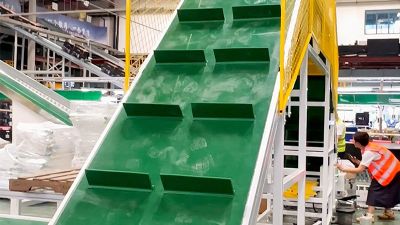
These inclined belt conveyors are designed to facilitate precise connections between workstations at different elevations, enabling both horizontal and inclined movement of goods. With features like anti-slip belts and robust side guards, they provide stable transport, minimizing the risk of material spillage and improving safety. The flexibility of these systems allows them to be customized according to specific workshop layouts and operational requirements, maximizing productivity while meeting space constraints.
Sourced from reputable Chinese suppliers and manufactured in advanced facilities, these conveyors not only enhance efficiency but also support integration with various lifting and loading processes. Data from market analysis indicates that such innovative solutions can lead to a notable reduction in operational costs while increasing throughput. By adopting these inclined belt conveyors, businesses can significantly improve their material handling systems, driving operational excellence in today's competitive market landscape.
FAQS
: Flexible conveyors are essential for material handling in various industries. They transport goods of different sizes efficiently.
There are skate wheel conveyors and accordion-style conveyors. Each serves different operational needs and layout adaptability.
Skate wheel conveyors excel at moving lightweight items quickly, especially in tight or constrained spaces.
Accordion-style conveyors can adjust length and shape easily, enabling frequent configuration changes for improved workflow.
Not all flexible conveyors can handle heavy loads well. Regular maintenance is essential to avoid breakdowns.
Proper maintenance ensures optimal performance. Neglecting upkeep can lead to inefficiencies and higher long-term costs.
Systems like the Circular Chain Plate can be easily adjusted to fit different spaces, enhancing both space and operational efficiency.
While versatile, industries with strict hygiene standards need specialized options, like food-grade flexible chain plates.
Companies need to evaluate their specific needs. Careful consideration can lead to more effective material handling solutions.
Yes, rethinking storage and integration sometimes uncovers unexpected inefficiencies that may require addressing for better workflow.
Conclusion
Flexible conveyors are increasingly recognized for their efficiency in material handling, offering various types suited for different applications. Key features to consider include adaptability to space constraints, ease of movement, and load capacity. These conveyors enhance warehousing operations by improving workflow and reducing labor costs.
When selecting the right flexible conveyor, it’s vital to assess specific needs and maintenance requirements to ensure optimal performance. Cost comparisons reveal that while flexible conveyors may have higher initial investments, their long-term efficiency can offset these costs compared to traditional conveyor systems. Additionally, innovative technologies continue to emerge within flexible conveyor systems, further enhancing their utility in modern material handling solutions.