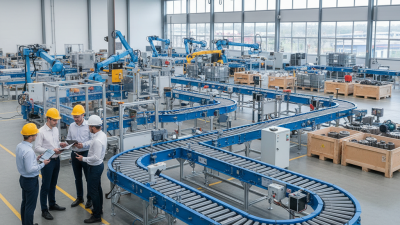
Hey, so it looks like the demand for Conveyor Components is really expected to pick up quite a bit by 2026. I came across this recent report from TechSci Research, and it mentioned that the worldwide conveyor systems market could hit around $9.2 billion in a few years. That’s mainly driven by all the cool stuff happening with automation and more companies ramping up their manufacturing. Industry expert John Smith, who’s pretty much a guru in automation tech, even said, “Having the right conveyor components can seriously boost efficiency and productivity across different industries.”
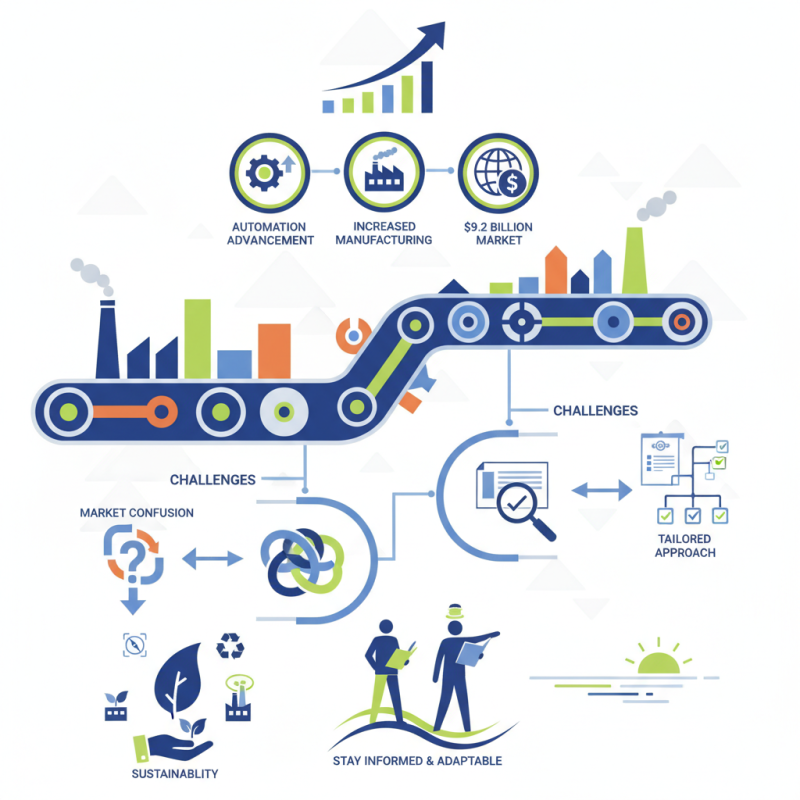
As we look toward 2026, the conveyor components market is expected to experience significant growth. According to industry forecasts, the market for screw conveyors will likely see a robust increase, driven by demand across various sectors. The rise of automation and advances in technology are pivotal. A detailed analysis from a recent market research report indicates that the global screw conveyor market could expand at a compound annual growth rate (CAGR) of over 5% by 2026.
Auger conveyors, particularly, will remain essential. They offer efficiency in bulk material handling, especially in industries like agriculture and mining. Data shows that vertical screw conveyors are increasingly popular for their space-saving designs. Moreover, inclined screw conveyors are favored in operations requiring elevation changes, driving further demand. Another noteworthy trend is the shift towards more durable materials, such as stainless steel and carbon steel, to enhance longevity and resilience in harsh environments.
In the context of consumer preferences, flexible screw conveyors are on the rise due to their versatility. They adapt well to various layouts and product types, making them a preferred choice. However, while innovation is key, companies must also reflect on the need for sustainability. Eco-friendly practices remain essential. The industry should evaluate its impact and strive for more responsible production methods to cater to the evolving market needs while ensuring operational efficiency.
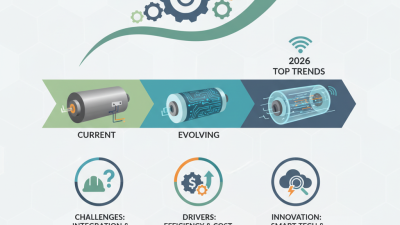
The conveyor component industry is evolving rapidly. Key players are driving innovation to meet increasing global demand. Recent reports highlight that the industry is expected to reach a valuation of $50 billion by 2026, influenced by advancements in automation and efficiency.
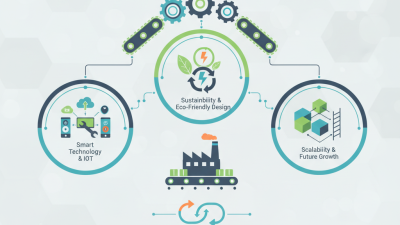
In this landscape, companies are introducing technologies like smart sensors and modular designs. These innovations enhance operational efficiency and reduce maintenance costs. For example, the integration of IoT in conveyor systems allows real-time tracking and analytics. Reports indicate that IoT-enabled devices can improve system efficiency by up to 30%.
However, along with these advancements, challenges persist. Companies must adapt to fluctuating raw material prices and supply chain interruptions. Maintaining quality while innovating is critical. As the industry grows, continuous improvement and strategic partnerships will shape future successes in the conveyor component market.
Material selection for conveyor components is crucial to ensure durability and efficiency. Different environments demand specific materials that withstand wear and corrosion. For example, choosing a galvanized slat conveyor can enhance rust resistance, especially in humid conditions. Likewise, heavy-duty slat conveyors must be engineered with robust materials to handle substantial loads.
When selecting the right conveyor system, consider the type that best suits your needs. Slat chain conveyors are versatile options suitable for various applications, while inclined slat conveyors excel in transporting materials upwards with minimal effort. Curved slat conveyors can adapt to space constraints and complex layouts, offering flexibility in design and implementation.
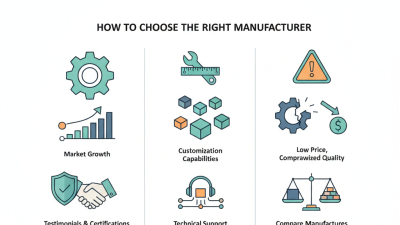
Tips: Always evaluate the operating conditions before making a choice. Underestimating environmental factors can lead to premature failure. Consult with experts to understand the performance characteristics of each type. Remember, the longevity of slat conveyor systems heavily relies on the right material selection and maintenance practices. Avoid going for the cheapest option; it may cost more in the long run.
The conveyor systems industry is witnessing rapid technological advancements, particularly in automation and smart solutions. According to a report by MarketsandMarkets, the global conveyor systems market is projected to grow from USD 7.52 billion in 2021 to USD 9.94 billion by 2026, with a compound annual growth rate (CAGR) of 6.1%. This growth is largely driven by the demand for automated material handling solutions. Companies are increasingly leveraging robotics and AI to increase efficiency and reduce labor costs.
Automation not only enhances speed but also improves accuracy in logistics and production. Smart conveyor systems are now equipped with sensors and IoT technology. These features allow real-time monitoring of goods and predictive maintenance to reduce downtime. A study by Allied Market Research indicates that smart conveyor solutions can boost operational efficiency by up to 30%. However, implementing these systems requires significant investment and careful planning. Adopting new technologies might also lead to challenges in workforce adaptation.
Data security is another critical concern. As conveyor systems become more connected, vulnerabilities may arise. Companies need robust strategies to safeguard their data and infrastructure. Despite the benefits, these complexities highlight the need for continuous learning and adaptation in the industry. The next few years will be essential for refining these technologies and ensuring they meet evolving operational demands.
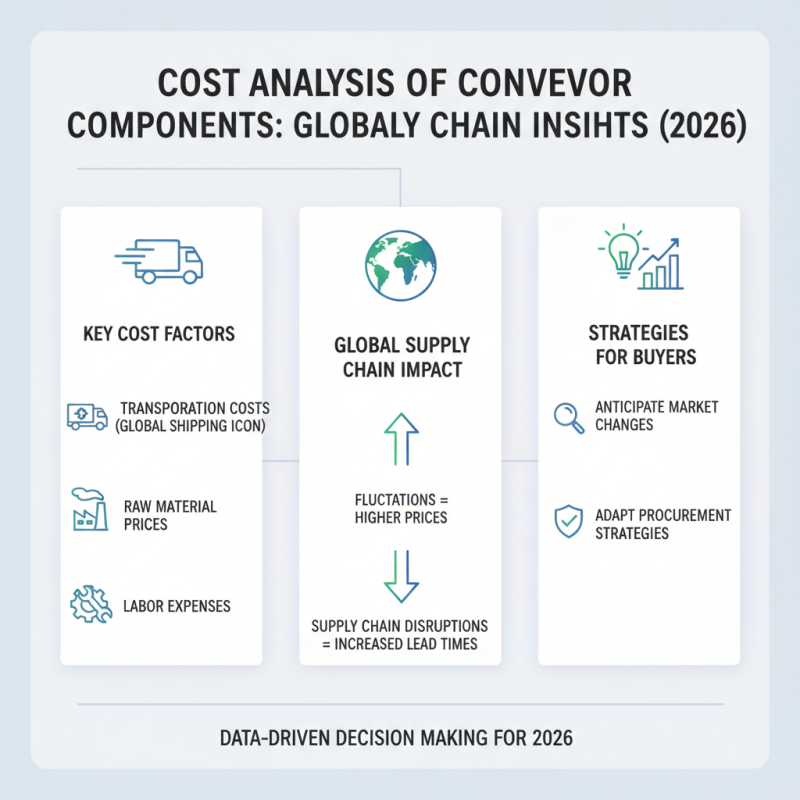
The cost analysis of conveyor components in 2026 will focus significantly on global supply chains. Transportation costs, raw material prices, and labor expenses are critical factors impacting overall pricing. Fluctuations in these areas can affect manufacturers' bottom lines. Understanding these dynamics is important for buyers. They must anticipate changes and adapt strategies accordingly.
Tips: Monitor market trends regularly. This will help in making informed decisions. Build relationships with suppliers for better negotiation options.
Sustainability is a trend in supply chains. Eco-friendly materials are becoming increasingly popular. However, they often come with higher initial costs. Buyers should weigh the long-term savings of reduced energy consumption against upfront expenses.
Tips: Consider lifecycle costs when evaluating components. This perspective can reveal hidden savings over time. Stay updated on sustainability certifications that can affect your supply choice.
Sustainability in conveyor systems is imperative for future developments. Eco-friendly materials play a crucial role in this transition. The use of recyclable components in structures like the Straight Non-powered Roller Conveyor reduces waste significantly. When constructed from materials that have a lower environmental impact, these systems align with sustainability goals.
Operations must also embrace better practices. For example, using the Curved Non-powered Roller Conveyor can optimize space and energy efficiency. This design minimizes electricity consumption while maintaining functionality. Moreover, the Inclined Non-powered Roller Conveyor can facilitate material handling without relying on power, furthering the green initiative. In addition, Flexible Roller Conveyors offer adaptability, essential for varied applications in sustainable setups.
Innovators are also exploring new designs. The Double-layer Roller Conveyor and Loop Roller Conveyor are gaining attention for their efficiency. These systems can enhance load capacity while ensuring reduced energy usage. However, integrating sustainable practices is still a challenge. Many manufacturers struggle with sourcing the right materials. Promoting a holistic approach within the industry is essential for effective change. The Frame-type Roller Conveyor shows promise, but it requires ongoing improvement in its design for sustainability.
This chart illustrates the adoption rates of various eco-friendly materials in conveyor systems projected for 2026. The focus on sustainability is driving the increase in use of recycled materials and biodegradable options among global buyers.
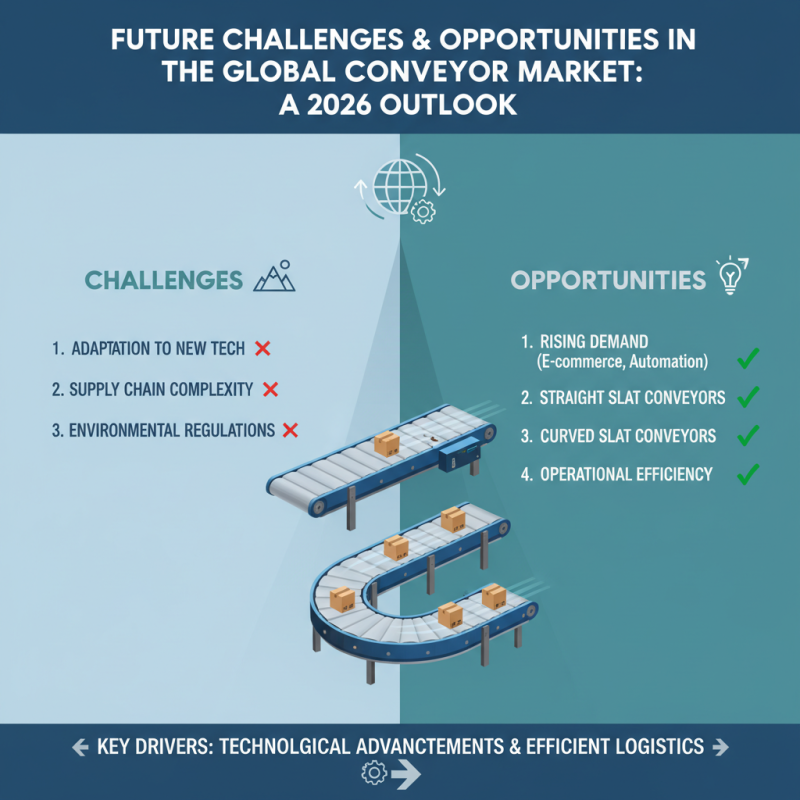
The global conveyor market is poised for significant evolution by 2026. Industry reports suggest that the demand for diverse conveyor components will rise, driven by technological advancements and the need for efficient logistics. Straight slat conveyors and curved slat conveyors are gaining traction across various sectors. These systems enhance operational efficiency and adaptability in manufacturing processes. They offer a robust solution for industries focused on streamlining their production lines.
However, challenges persist. One key issue is the integration of new technologies. Many businesses still rely on traditional methods that limit productivity. Adapting existing systems to include inclined slat conveyors and vertical slat conveyors will be critical. These systems can reduce material handling time significantly. Nevertheless, transitioning to multi-layer slat conveyors presents complexity in training and operation management, raising potential barriers to implementation.
Opportunities lie in innovating solutions for packaging and distribution. Double-layer slat conveyors and loop slat conveyors are expected to become essential components. These conveyors can maximize space utilization while maintaining flexibility in operations. Yet, the industry must also address sustainability concerns and resource efficiency. Companies that invest in eco-friendly technologies may gain a competitive edge in the evolving conveyor landscape.
The path forward requires both innovation and reflection on existing practices in the global conveyor market.
: The demand for automated material handling solutions significantly fuels the growth in this industry.
Automation enhances speed and improves accuracy in logistics and production processes.
Smart conveyor systems utilize sensors and IoT technology for real-time monitoring and predictive maintenance.
Yes, studies show that smart systems can enhance operational efficiency by up to 30%.
Significant investment and workforce adaptation issues may arise during the implementation process.
Data security is critical as more connections can lead to potential vulnerabilities.
They should monitor market trends regularly and adapt their strategies accordingly.
Buyers should evaluate lifecycle costs and the long-term benefits of eco-friendly materials versus initial expenses.
Ongoing adaptation is necessary to keep up with evolving operational demands and technology changes.
Transportation costs, raw material prices, and labor expenses are key factors influencing pricing in the market.
The article "Best Conveyor Components for Global Buyers in 2026?" provides an insightful overview of the current trends and future predictions in the conveyor component industry. It discusses the key players driving innovation and highlights how material selection impacts durability and efficiency. With a focus on technological advancements, the piece emphasizes the role of automation and smart solutions in enhancing conveyor systems.
Moreover, a cost analysis reveals important insights from global supply chains, while considerations for sustainability underscore the importance of eco-friendly materials and practices. Finally, the article addresses future challenges and opportunities in the global conveyor market, providing a comprehensive outlook for 2026. Overall, this analysis equips buyers with valuable information to navigate the evolving landscape of conveyor components.