Honestly, picking the right chain conveyor for sale takes a lot more than just comparing prices, photos, and delivery promises. A dependable system has to fit your actual setup—things like product weight, line length, transfer points, operating temperature, and cleaning needs all matter. So in this guide, we’re looking at 10 of the best chain conveyors for sale worldwide, with an eye on how they really perform—not just specs that sound impressive.
As Michael R. Lawson puts it—he's an independent material-handling engineer with over 20 years of plant installation under his belt—‘Conveyor value is measured by controlled movement, not maximum speed.’ And honestly, that point really matters on a busy floor. One tiny alignment slip? Next thing you know, you've got noise, damaged product, or stoppages that just keep coming back. A well-built Chain Conveyor ought to move steadily, keep loads protected, and still be easy to get to when someone needs to inspect it. Sounds simple, right? Yeah... it's not always that simple.
So, this review takes a look at Chain Conveyor Line designs across packaging, warehousing, food processing, and general manufacturing. It also digs into Chain Assembly Line layouts, Chain Drive Conveying Equipment, and what kind of maintenance each option tends to require. Some facilities might be better off with a Speed Multiply Chain Conveyor, while others really need the quieter, more controlled feel of a Single Row Chain Line. And when you're dealing with heavy cartons, a Double Row Chain Line often makes sense—especially if load balance is something you care about. That said, no conveyor is going to be a perfect fit for every plant. Things like floor space, chain pitch, sprocket quality, guarding, and how easy it is for operators to get to it—all of that can change how well it works. Some models might not look as fancy, but they can actually do better when there's dust, vibration, or uneven loading. Makes you wonder, right? Our comparisons are meant to help you make a thoughtful buying decision—showing clear strengths, limits, and what you can realistically expect over the long haul.
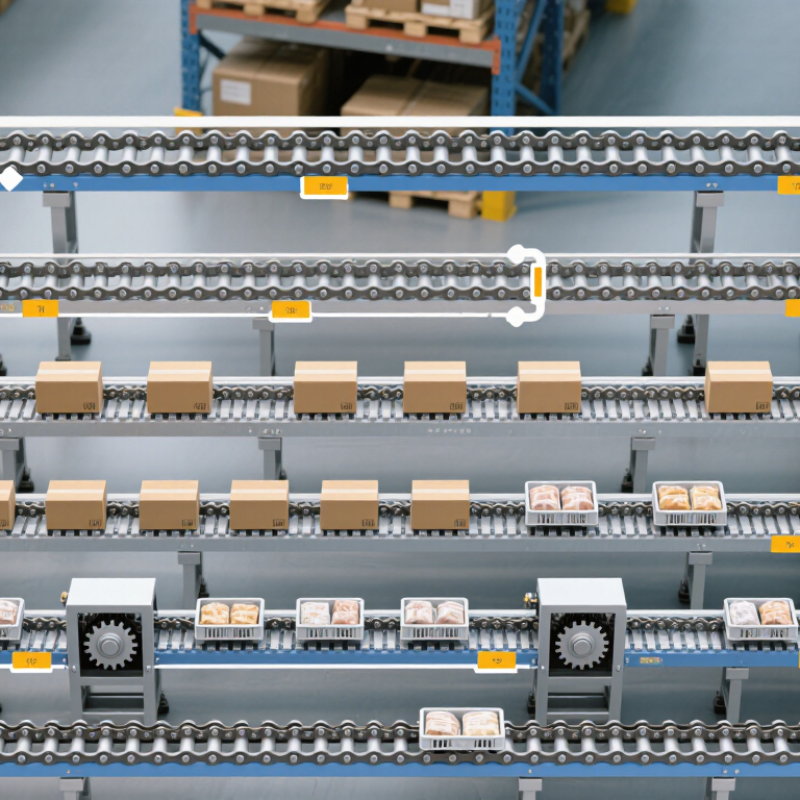
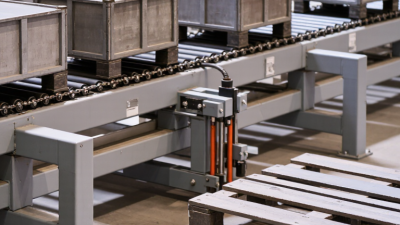
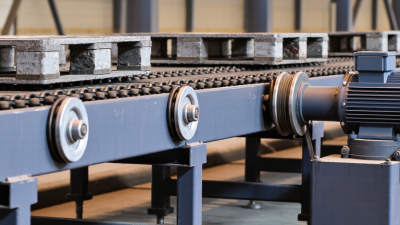
A chain conveyor moves loads through connected metal links driven by sprockets. An electric motor turns the drive shaft. The sprockets pull the chain along a fixed track. Flights, slats, rollers, or attachments carry each product. The return strand travels underneath the frame, reducing floor space.
This system suits pallets, crates, drums, and heavy components. It performs well where belt conveyors may stretch, tear, or slip. A basic unit includes a frame, drive motor, chain, sprockets, guides, and tensioning device. Operators should check load weight, surface temperature, speed, incline, and available clearance before selecting equipment.
According to the MHI 2024 Annual Industry Report, 55% of supply chain leaders planned to increase investment in supply chain innovation. The same report identified artificial intelligence as a rapidly expanding technology area. That trend does not make every conveyor intelligent. Sensors still need correct positioning and maintenance.
CEMA engineering guidance stresses proper guarding, alignment, lubrication, and safe access. In practical installations, a dry chain can create sharp rattling within days. Misalignment may cause uneven wear. I have also seen specifications ignore product spacing, creating jams near transfers. That mistake deserves more attention. A reliable chain conveyor should match the load, duty cycle, environment, and maintenance skills available on site.
When comparing the 10 Best Chain Conveyor For Sale Worldwide, start with the product, load, and working environment. A Roller Chain Conveyor suits heavy cartons, pallets, and repeated impact. Check chain pitch, load capacity, frame strength, and motor torque. I have seen small motors struggle when operators calculated only average weight. Peak loads matter more.
Material selection affects service life. A Stainless Steel Chain Line resists moisture and frequent washing, while a Carbon Steel Chain Conveyor often provides strong performance at a lower cost. For factory layouts, compare a Straight Chain Line with a Curved Chain Conveyor. Curves save floor space, but they may increase friction and maintenance needs. Inclined Chain Conveying requires careful attention to load stability, side guides, and braking control. Noise levels also deserve testing. Catalog figures can feel optimistic.
Tips: Request a layout drawing before ordering. Confirm chain speed, transfer height, and usable width. Ask how easily workers can reach bearings and tensioners. Inspect guard access, emergency stops, and cleaning points. Leave extra capacity for future changes, but do not oversize every component. That mistake increases energy use. A trial with your actual cartons is often more reliable than a showroom demonstration.
The 10 best chain conveyors for sale worldwide should be judged by application, not appearance. In practical plant evaluations, operators check load stability, cleaning access, noise, and spare-part availability. A Food-grade stainless steel chain plate suits wet production areas and frequent washdowns. Its smooth surface reduces residue, but poor drainage can still create hygiene risks.
A Straight chain plate line works well for cartons, trays, and sealed containers moving between fixed stations. For limited floor space, a Curved chain plate conveyor can redirect products without adding another transfer point. An Inclined chain plate conveyor line helps raise packed goods, although slippery products may require side guides or a different chain pitch. These details often decide whether a conveyor performs reliably.
For higher output, Double-layer chain plate conveying equipment separates product flows and saves floor space. A Heavy-duty slat chain machine handles dense loads, metal containers, and uneven cartons. Yet “heavy-duty” does not remove maintenance needs. Lubrication, sprocket inspection, and chain tension checks remain essential. Buyers should confirm operating speed, temperature range, sanitation requirements, and electrical standards with a qualified supplier. Product dimensions must be tested under real conditions. Catalog measurements can be optimistic. A short trial run may reveal vibration, accumulation, or awkward cleaning points before installation becomes expensive.
The chart compares representative operating-speed midpoints for ten widely used chain-conveyor configurations. Actual performance depends on load weight, conveyor length, chain pitch, drive system, incline, environment, and safety requirements. Confirm the final specification with a qualified conveyor engineer before purchasing.
Selecting chain conveyor types for different industrial applications starts with product behavior, not catalog photographs. Bottle lines need smooth transfers, while cartons require stable support and controlled spacing. A Stainless steel chain plate resists corrosion in wet rooms, but it still needs daily cleaning and correct tension. Keep the surface clean.
A Slat chain conveyor line works well for filling, labeling, and packaging areas. Its linked plates carry containers through curves with limited product movement.
A 304 stainless steel chain plate conveyor suits food and chemical facilities where washdown is routine. Inspect sprockets, guides, and return rails regularly. Small alignment errors can create loud, uneven running.
Heavy pallets and metal parts may require a Metal chain plate assembly line with stronger frames and slower speeds. A Top chain conveyor can move cases between workstations while preserving a compact layout. However, wider chains are not automatically better. Calculate load weight, center of gravity, incline angle, and peak starting force before selection.
In one installation, reducing speed improved reliability more than adding motor power. That choice was not perfect, because throughput fell during seasonal demand. Review real operating data after commissioning. Clearance around the Conveyor also matters, especially near inspection points and manual packing stations.
Choosing among the 10 best chain conveyors for sale worldwide begins with measurable capacity. Calculate product weight, spacing, loading frequency, and desired speed. Include starting loads, not only average loads. A 3-speed chain can increase throughput, but only when the motor and sprockets match.
Material selection depends on the workplace. Carbon steel suits dry, controlled areas and heavy loads. Stainless steel performs better near moisture, cleaning chemicals, or food-contact zones. A Triple speed conveyor chain needs accurate guide rails and proper lubrication. A 3-speed tooling chain may support fixtures, but fixture weight must be included. Do not trust catalog figures alone.
Operating conditions often expose weak designs. Check temperature, dust, washdown pressure, incline angle, and daily running hours. A Speed multiplier chain may reduce transfer time, yet it can increase noise and wear. A Light-duty 3-speed chain fits small parts and moderate loads. A Heavy-duty 3-speed chain handles larger fixtures, but it demands stronger frames and better alignment. During inspections, uneven sprocket wear often reveals poor tension or frame distortion. Small details matter. I would also question any capacity estimate that ignores acceleration, because real production lines rarely load smoothly.
| No. | Generic Chain Conveyor Configuration | Typical Application | Recommended Capacity (t/h) |
Chain Speed (m/min) |
Working Width (mm) |
Maximum Load (kg/m) |
Main Contact Materials | Operating Temperature | Suitable Operating Conditions | Capacity Evaluation Notes |
|---|---|---|---|---|---|---|---|---|---|---|
| 1 | Heavy-Duty Double-Strand Drag Conveyor | Coal, limestone, aggregates, and bulk minerals | 50–300 | 6–18 | 600–1,200 | 250–600 | Carbon steel flight bars; hardened alloy chain; abrasion-resistant liners | −20°C to 80°C | High dust, abrasive material, outdoor or enclosed transfer points | Capacity depends on bulk density, trough fill level, chain speed, and inclination; use a lower speed for highly abrasive loads. |
| 2 | Enclosed Redler Chain Conveyor | Grain, seed, animal feed, and powdery agricultural products | 20–180 | 12–35 | 300–800 | 120–350 | Galvanized or painted carbon steel casing; forged chain; polymer or steel flights | −10°C to 60°C | Covered facilities where dust control, containment, and gentle conveying are important | Select capacity using the material's bulk density and the required fill ratio; fragile grain generally benefits from moderate chain speed. |
| 3 | Stainless Steel Slat Chain Conveyor | Bottles, cans, cartons, trays, and packaged food products | 5–60 | 5–30 | 150–1,500 | 40–180 | 304 stainless steel frame; acetal or stainless slat chain; food-grade wear strips | 0°C to 80°C | Washdown areas, humid production rooms, and hygienic packaging lines | Rated load is affected by conveyor width, product spacing, accumulation pressure, and the number of curves. |
| 4 | Plastic Modular Chain Conveyor | Food processing, primary packaging, and container handling | 3–45 | 4–25 | 200–1,200 | 25–150 | Stainless steel frame; polypropylene, acetal, or polyethylene chain modules | −10°C to 60°C | Wet, corrosive, or hygienic environments with frequent cleaning | Check chain allowable tension, product friction, curve radius, and accumulated product weight before selecting the drive. |
| 5 | Multi-Strand Roller Chain Conveyor | Pallets, crates, drums, totes, and industrial containers | 10–120 | 6–24 | 400–2,000 | 300–1,500 | Painted or galvanized steel frame; carbon steel roller tubes; alloy drive chain | −10°C to 70°C | Warehouses, assembly plants, distribution centers, and pallet transfer lines | Evaluate concentrated load, pallet bottom condition, start-stop frequency, and required accumulation control. |
| 6 | Apron Pan Chain Conveyor | Hot clinker, metal parts, foundry sand, and heavy bulk solids | 30–250 | 3–15 | 600–1,800 | 300–1,000 | Heat-resistant steel pans; alloy chain; replaceable abrasion-resistant liners | Up to 400°C material temperature | High-impact loading, elevated material temperature, and severe abrasion | Use bulk density, lump size, impact energy, and incline angle to determine pan depth and chain pull. |
| 7 | Scraper Flight Chain Conveyor | Wood chips, bark, biomass fuel, and light industrial waste | 15–100 | 8–30 | 500–1,200 | 100–350 | Carbon steel trough; replaceable scraper flights; corrosion-resistant chain options | −10°C to 90°C | Variable moisture, irregular particle size, and moderate abrasion | Moisture content changes bulk density and friction; allow additional drive torque for sticky or compacted material. |
| 8 | Inclined Box Chain Conveyor | Cartons, bins, bags, and boxed components between floor levels | 5–50 | 5–20 | 300–1,000 | 50–250 | Powder-coated or stainless steel frame; steel or polymer flights; rubberized supports | 0°C to 50°C | Indoor conveying with controlled incline, guarding, and product backstop requirements | Incline angle increases chain pull; calculate the vertical lift component and confirm product stability on the flights. |
| 9 | Corrosion-Resistant Waste Chain Conveyor | Sludge cake, food waste, compost, and wet recyclable materials | 10–80 | 4–16 | 500–1,200 | 150–500 | 304 or 316 stainless steel; corrosion-resistant chain; sealed bearings and drainage sections | 0°C to 60°C | Wet, chemically aggressive, odor-controlled, and washdown environments | Account for moisture, adhesion, variable particle size, and corrosion allowance when sizing chain pull and motor power. |
| 10 | High-Temperature Heat-Treatment Chain Conveyor | Forgings, castings, trays, and heat-treated metal components | 2–40 | 1–8 | 400–1,500 | 100–700 | Heat-resistant alloy steel; high-temperature pins and bushings; insulated side frames | Up to 800°C material temperature | Furnace discharge, cooling zones, radiant heat, and intermittent high-temperature exposure | Confirm chain strength at operating temperature, thermal expansion allowance, cooling time, and lubrication limitations. |
When comparing the 10 best chain conveyors for sale worldwide, begin with the load, not the catalog photograph. Record product weight, dimensions, temperature, speed, and daily operating hours. Field experience shows that chain pitch, sprocket material, frame stiffness, and spare-part access matter greatly. Ask for rated capacity at your actual incline. It may differ from the advertised maximum. Measure floor space and transfer heights before ordering. A conveyor that fits on paper may obstruct a maintenance aisle.
Installation requires accurate leveling and careful chain alignment. A small offset can create noise, uneven wear, and unexpected motor strain. Use the supplier’s torque specifications for bolts, shafts, and guards. Keep emergency stops visible and reachable from normal working positions. Test the conveyor without a load, then with a controlled load. Do not rush this stage. One overlooked transition point can damage products or injure an operator.
Maintenance should include daily checks for loose fasteners, abnormal sounds, chain slack, and material buildup. Lubricate only with a product suitable for the operating environment. Over-lubrication can attract dust and hide early failures. Inspect sprocket teeth and chain joints at scheduled intervals. Lock out the power before cleaning or repair, and verify zero movement. I have seen efficient designs become unsafe because operators removed guards for convenience. That shortcut deserves honest reconsideration. Records should note inspection dates, defects, repairs, and responsible personnel.
Grand View Research reports that the global conveyor systems market was valued at approximately US$10.6 billion in 2022 and is projected to grow at a compound annual growth rate of about 5.2% through 2030. This expansion reflects rising demand for automated material handling in manufacturing, warehousing, logistics, and automotive production. Within this trend, heavy-duty galvanized chain plate conveyors provide a practical solution for transporting bulky, abrasive, and irregular materials over long distances.
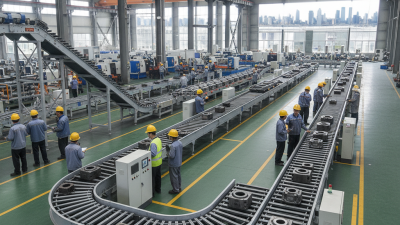
Manufactured in China, the galvanized chain conveyor line combines corrosion-resistant chain plates with a high-strength structural frame, supporting stable operation in demanding factory environments. Its modular design allows horizontal, inclined, and turning conveying, while sectional splicing enables the system to follow complex workshop layouts. Compared with lighter belt-based equipment, chain plates are better suited to heavy loads, repeated impact, and continuous industrial use.
Insights from China’s automation manufacturing sector also emphasize flexible integration and customized equipment configuration. The conveyor can be fitted with auxiliary components such as loading stations, positioning devices, safety guards, sensors, and unloading units to create a coordinated conveyor-plus-operation setup. It is suitable for hardware processing, automobile manufacturing, logistics sorting, heavy machinery production, and other applications requiring dependable throughput, adaptable routing, and efficient use of factory space.
A chain conveyor moves loads using connected metal links, sprockets, and a motor. Flights, slats, rollers, or attachments support the products.
The motor turns a drive shaft. Sprockets pull the chain along a fixed track. The return chain travels underneath the frame.
Chain conveyors handle pallets, crates, drums, cartons, and heavy components. They suit loads that may stretch, tear, or slip on belts.
Check load weight, surface temperature, speed, incline, and available clearance. Also calculate the load’s center of gravity and starting force.
Stainless steel chain plates resist corrosion in wet rooms. They still need daily cleaning, correct tension, and regular inspection. Keep the surface clean.
Not always. A wider chain may increase cost, friction, and space requirements. Actual load weight and peak starting force matter more than width alone.
Its return strand runs below the main frame. This creates a compact layout and leaves more usable floor space.
Dry chains may produce sharp rattling within days. Misalignment can cause uneven wear on sprockets, guides, and rails. Small errors become expensive.
Ignoring product spacing can cause jams near transfer points. Review spacing, speed, and clearance around packing or inspection stations.
Compare actual throughput, noise, wear, and downtime with the original specifications. Reducing speed may improve reliability, but seasonal demand could suffer. The compromise deserves review.
This guide explains how a chain conveyor uses interconnected chains, sprockets, and a powered drive system to move products steadily through industrial processes. It reviews the key features to compare when searching for a Chain Conveyor For Sale, including load capacity, chain design, conveyor length, speed control, frame construction, surface conditions, and ease of maintenance. The guide also presents ten practical chain conveyor options for worldwide industrial use, without focusing on any specific brand.
It further describes conveyor types suited to assembly lines, packaging, warehousing, material handling, and heavy-duty applications. Buyers will learn how to evaluate conveying capacity, product materials, temperature, moisture, dust, incline, and operating frequency before making a decision. Additional guidance covers budgeting, installation planning, guarding, emergency stops, lubrication, inspections, cleaning, and routine maintenance. By considering these factors together, businesses can select a reliable, efficient, and safe chain conveyor that matches their production requirements and working environment.