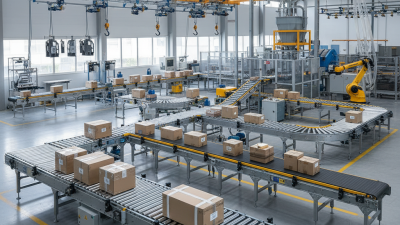
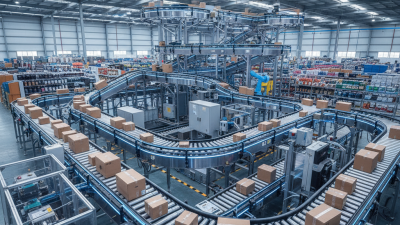
As industries continue to evolve, conveyor systems are playing an increasingly crucial role in boosting efficiency. Did you know that, according to a recent report from Grand View Research, the global market for conveyor systems is projected to hit around $7.46 billion by 2025? That’s pretty significant, especially with a compound annual growth rate of about 4.5%. It really shows how there's been a big shift toward automation—something almost essential these days for modern logistics and manufacturing setups.
One trend that's hard to ignore is how smart tech is getting integrated into these systems. For example, IoT-enabled conveyors can now be monitored in real-time, and predictive maintenance helps cut down on unexpected downtime. But, I gotta say, adopting these advanced technologies isn’t always smooth sailing. Companies with older systems often run into integration headaches, so careful planning is a must.
Plus, sustainability is becoming a top priority for many manufacturers. They're exploring eco-friendly materials and energy-efficient designs to keep up with the greener mindset. That said, scaling these systems as businesses grow still presents its own set of challenges. Trying to adapt conveyor setups to meet new demands isn’t always straightforward. Looking at all this, it’s clear that the future of conveyor systems promises a lot of exciting developments, but it won’t come without its hurdles either.
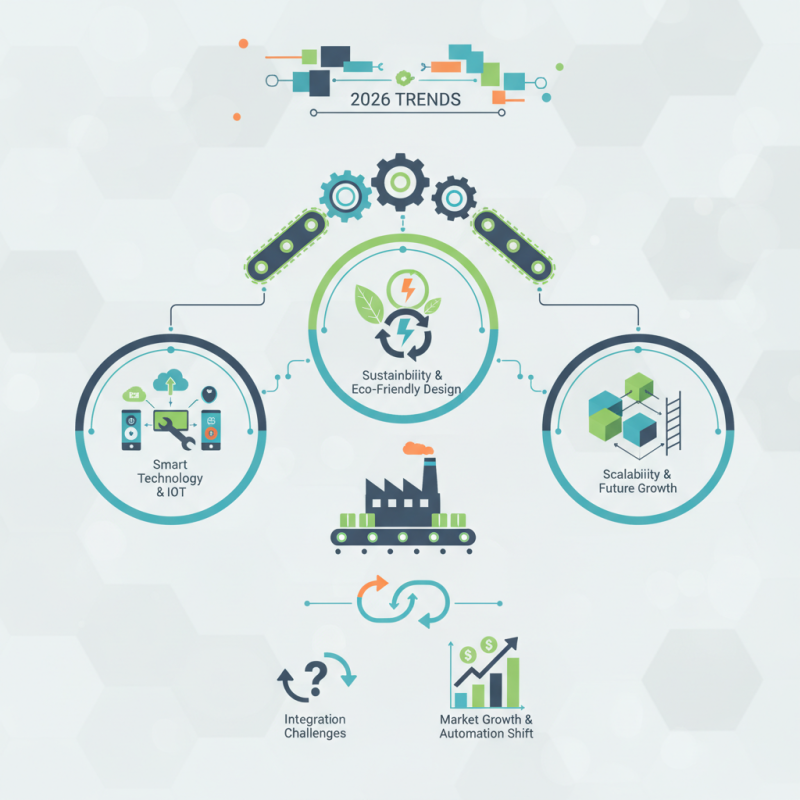
The conveyor systems market is witnessing rapid growth. According to recent industry reports, the global conveyor systems market is projected to grow at a compound annual growth rate (CAGR) of 4.5% between 2021 and 2026. North America and Asia Pacific are leading in adoption rates. This growth is driven by automation and increasing demand for efficient material handling solutions.
In terms of future projections, the trend towards sustainability is evident. Companies are investing in eco-friendly systems. Innovative solutions, like the Pu Conveyor, offer improved energy efficiency. Estimates suggest that integrating eco-friendly conveyor technologies could reduce operational costs by up to 20%. Businesses need to consider transitioning to sustainable options for long-term benefits.
Tips for companies: Regularly assess and update equipment. New technologies emerge quickly; staying informed is vital. Consider employee training on system upgrades. Investing time in staff knowledge can pay off significantly. Embracing these trends will not only improve efficiency but also bolster competitive advantage in the marketplace.
The landscape of conveyor systems is evolving rapidly. Automation technologies are at the forefront of this transformation. These innovations are not just enhancing efficiency; they are reshaping entire operations. Companies are adopting smart conveyors that can self-adjust based on real-time data. This change is significant for industries relying on precision and speed.
Additionally, the integration of artificial intelligence is a game changer. AI-powered systems can analyze workflow patterns. They provide insights that help streamline processes. Some companies are hesitant to embrace this technology due to implementation costs. Yet, the long-term benefits often outweigh the initial challenges. The risk of falling behind competitors is substantial.
Another noteworthy trend is the use of robotics in conveyor systems. Robotic arms now work alongside traditional conveyors. They handle sorting and packaging tasks that were once time-consuming. Workers are often concerned about job security. However, these advancements can create new roles focused on system oversight and maintenance. Balancing innovation with workforce needs remains a crucial concern for many businesses.
In 2026, sustainability will reshape conveyor systems. Companies are increasingly shifting to eco-friendly materials and practices. A recent report by the Sustainable Conveyor Initiative indicates that 75% of manufacturers plan to adopt sustainable sourcing strategies by 2026. This trend is driven by regulatory pressures and consumer demand for greener options.
Pvc Conveyor systems are evolving as manufacturers seek to reduce their environmental footprint. These systems now incorporate recycled materials, which can lower carbon emissions significantly. Studies show that using recycled PVC can reduce energy consumption by up to 30% during production. However, challenges remain in sourcing high-quality recycled inputs. Not all recycled materials meet the durability standards needed for heavy-duty applications.
Green practices are not just about materials. Energy-efficient operations are essential. Upgrading to smart technology can optimize energy use, yet implementation costs can be a barrier. Many companies struggle with budget constraints, limiting their ability to invest in these innovations. It's clear that while progress is being made, there’s still a long road ahead for the conveyor industry in meeting sustainability goals.
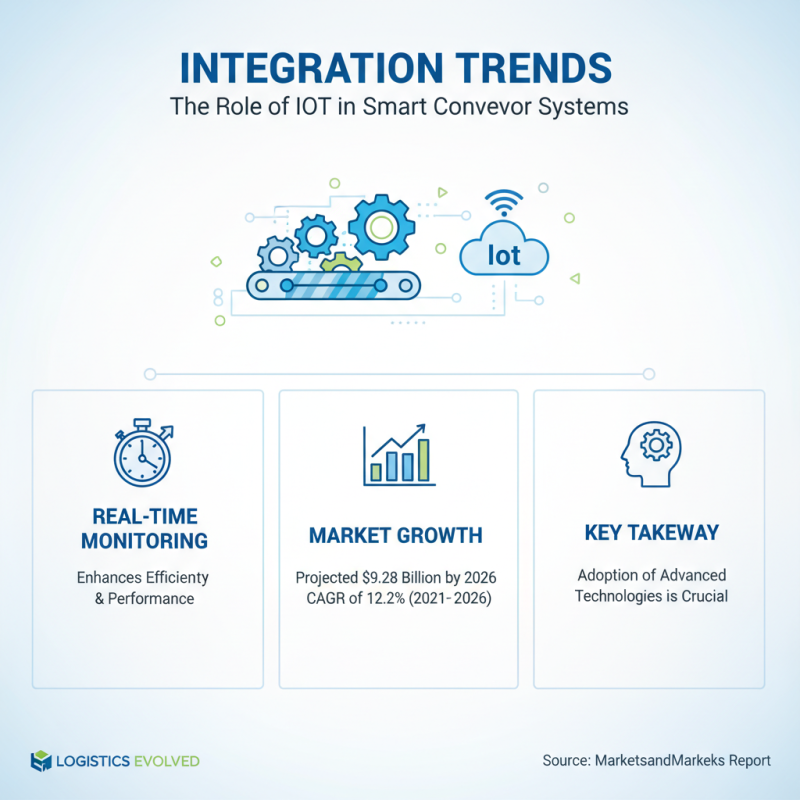
The integration of IoT in smart conveyor systems is transforming logistics. IoT enables real-time monitoring of conveyor performance, enhancing efficiency. According to a report by MarketsandMarkets, the smart conveyor market is projected to reach $9.28 billion by 2026, growing at a CAGR of 12.2%. This rapid growth highlights the significance of adopting advanced technologies.
Line Conveyors equipped with IoT sensors collect data on speed, load, and maintenance needs. This data helps companies make informed decisions. However, the reliance on technology also poses challenges. Cybersecurity risks are a growing concern. Protecting data integrity must be a priority.
Tips: Regularly update IoT software to safeguard your systems. Encourage staff training on cybersecurity awareness to mitigate risks. Monitor system performance frequently for unexpected anomalies. A proactive approach can help address potential pitfalls in smart conveyor implementation.
As the logistics and manufacturing sectors evolve, the focus on ergonomics and safety in conveyor design is becoming increasingly critical. Protecting workers while operating machinery is essential. These advancements aim to minimize physical strain and reduce the likelihood of injury during daily tasks. Incorporating features like adjustable heights and user-friendly interfaces can significantly enhance the work environment.
One of the promising solutions is the integration of systems like Mesh Conveyors. These conveyors are designed to provide optimal airflow and visibility, making them easier to manage. The open design allows for efficient cleaning and maintenance, which is vital for worker safety. However, there are still challenges. Not all workers may find the setup intuitive, requiring ongoing training and adjustments. Ensuring every operator fully understands the system is crucial for its success.
Safety enhancements should also focus on monitoring and feedback loops. Incorporating technologies that detect potential hazards can create a safer workspace. Yet, relying too heavily on technology can sometimes lead to complacency. Workers must feel empowered to speak up about safety issues. Addressing these concerns head-on will foster a culture of safety and care, ultimately leading to improved operational efficiency.
Customization and flexibility are vital in today's conveyor system trends. Industries ranging from food processing to automotive manufacturing demand tailored solutions. Off-the-shelf systems often fall short. Customization allows businesses to optimize efficiency and meet specific operational needs. For example, a brewery may require a conveyor designed for handling fragile bottles. Standard models can lead to breakage and losses.
Flexibility plays a crucial role as well. As market demands change, companies need conveyor systems that can adapt quickly. Modular designs enable easy reconfiguration. This allows businesses to scale operations without major overhauls. Something as simple as adjustable conveyor speed can make a significant difference. However, not all companies understand the importance of these features.
Choosing the right conveyor system is challenging. Custom solutions often require more investment upfront. Companies must weigh the costs versus long-term gains. There is a risk involved when investing in unproven technologies. Balancing customization and cost-effectiveness can be tough. It’s crucial for businesses to analyze their unique needs carefully before making decisions.
As global supply chains evolve, the demand for advanced conveyor systems is rising. Trends such as automation and digital integration are reshaping design and functionality. Companies seek ways to enhance efficiency while reducing operational costs. Conveyor systems must adapt to these shifts, allowing for greater flexibility and scalability.
The impact of e-commerce cannot be ignored. It has led to increased pressures on logistics systems. Fast and reliable delivery is now essential. In response, developers are focusing on modular designs that facilitate easy upgrades and modifications. However, the rapid pace of change poses challenges. Companies often find it difficult to keep up with technology advancements.
Sustainability is another critical factor. Businesses are increasingly prioritizing eco-friendly practices. This includes using materials that minimize environmental impact. But finding a balance between sustainability and performance is complex. Effective solutions require thorough planning and reflection on current practices. Investing in innovative conveyor systems can lead to positive outcomes, both environmentally and economically.
| Trend | Description | Impact on Demand | Expected Growth Rate (%) |
|---|---|---|---|
| Automation Integration | Increased adoption of automated conveyor systems to enhance operational efficiency. | Significant increase in demand as industries seek to reduce labor costs. | 15% |
| Sustainability Initiatives | Focus on eco-friendly materials and energy-efficient systems to minimize environmental impact. | Growing demand for conveyors that meet green certifications. | 10% |
| Smart Technology | Incorporation of IoT and AI for predictive maintenance and enhanced monitoring. | Increase in demand for smart conveyors that improve productivity. | 20% |
| Modular Systems | Customization and flexibility in design to allow quick assembly and reconfiguration. | Higher demand from companies looking for adaptable solutions. | 12% |
| Enhanced Safety Features | Development of advanced safety mechanisms to protect workers and improve compliance. | Rising demand as safety regulations become stricter worldwide. | 8% |
: Eco-friendly materials are becoming common, including recycled materials to reduce environmental impact.
Regulatory pressures and consumer demand for greener options drive this shift in the industry.
Using recycled PVC can lower energy consumption during production by up to 30%.
Not all recycled materials are durable enough for heavy-duty applications. This can limit their use.
Smart technology upgrades can optimize energy use, although high initial costs can be a barrier.
Tailored solutions optimize efficiency for specific needs, such as handling fragile items without causing damage.
Modular designs allow quick adaptation to market changes, which can be crucial for businesses.
They must weigh the upfront costs of customization against potential long-term gains and risks.
No, off-the-shelf systems often don't meet specific operational requirements, leading to inefficiencies.
Companies may face difficulties justifying the investment due to the risks associated with unproven technologies.
The article "2026 Top Conveyor Systems Trends You Need to Know" explores the evolving landscape of conveyor systems, highlighting key trends and innovations expected to shape the industry. As market demand grows, automation technologies are poised to revolutionize conveyor systems, enhancing efficiency and productivity. Sustainability is another critical focus, with an increasing emphasis on eco-friendly materials and green practices that align with broader environmental goals.
Additionally, the integration of IoT is transforming conveyor systems into smart solutions, optimizing performance and monitoring. Ergonomics and safety measures are gaining importance to protect workers, while customization and flexibility are becoming essential for catering to diverse industry needs. Overall, the article outlines how global supply chain dynamics will influence the demand and design of conveyor systems in the coming years, underscoring the importance of staying ahead in an ever-changing market.