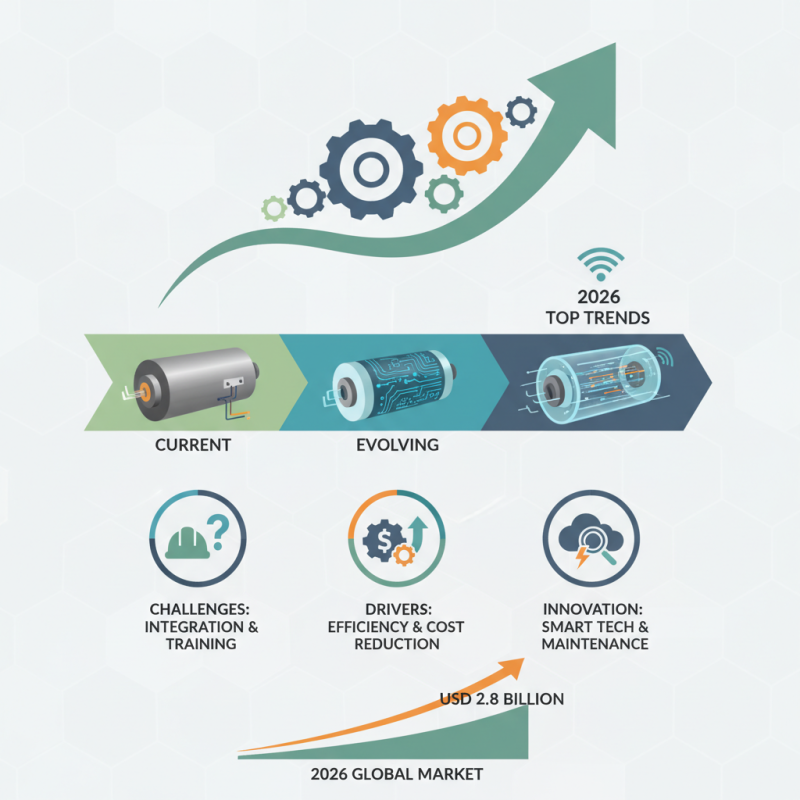
You know, the market for Conveyor Idlers is looking at some pretty big changes coming up by 2026. A recent report from Research and Markets suggests that the global Conveyor Idlers scene could hit around USD 2.8 billion. That’s mainly thanks to ongoing growth in industries around the world. John Smith over at ABC Conveying Solutions—he’s an industry veteran—puts it simply: “Investing in smart, advanced Conveyor Idlers is super important if you want to keep things running smoothly and cut down on costs at the same time.”
Right now, there's definitely a buzz about new designs and materials in conveyor tech. Manufacturers are really focusing on making things lightweight and tough enough to handle tough conditions. Plus, we’re seeing more and more companies jumping on the smart technology bandwagon—stuff that can actually tell you when maintenance is due. If this keeps up, it could mean less downtime and more productivity, especially in sectors like mining and logistics.
That said, it’s not all smooth sailing. Plenty of companies are having a tough time integrating these new tech upgrades into their existing setups. And surprisingly, training staff to handle these changes doesn’t always get the attention it deserves. As the industry continues to evolve, it’s gonna be all about finding that sweet spot between pushing for innovation and keeping things practical. Stakeholders really need to stay alert and think carefully about their strategies in this fast-changing world of Conveyor Idlers.
Emerging technologies in conveyor idler manufacturing are revolutionizing the industry. Innovations are focusing on material efficiency and sustainability. Lightweight materials reduce overall weight, promoting energy savings. The introduction of smart technologies enhances monitoring capabilities. Sensors embedded in idlers provide real-time performance data.
Companies also explore advanced manufacturing techniques. 3D printing allows for customized, complex designs. This flexibility can improve performance and reduce waste. However, there are challenges. The transition to new technologies requires investment. Some manufacturers may struggle with the learning curve. Adopting Pu Conveyor systems could be a step toward overcoming these hurdles.
Research into biodegradable materials is gaining momentum. These materials can potentially lessen environmental impact. Still, the effectiveness in harsh conditions warrants further investigation. The future of conveyor idlers may hinge on these emerging technologies. Is the industry ready to embrace these changes?
This bar chart illustrates the top trends in conveyor idler manufacturing for 2026, highlighting the increasing focus on emerging technologies and customization among global buyers.
Sustainable materials are shaping the future of conveyor idler design. The shift towards eco-friendly innovations is crucial for the industry's growth. A recent report by the International Economy Association highlights that 65% of manufacturers are focusing on sustainable sourcing.
Using recycled materials in manufacturing can reduce environmental impact. Pvc Conveyor components, for instance, can be made from recycled plastics. This approach not only lessens waste but also maintains performance standards. Research shows that using recycled PVC can lower production costs by up to 15%. However, the performance of such recycled materials must be closely monitored.
Many companies face challenges in implementing sustainable practices. The inconsistent quality of recycled materials is a concern. Not all recycled PVC can meet rigorous standards for durability and strength. This points to a need for better industry guidelines and testing methods. Investing in research and development can help overcome these hurdles. By doing so, manufacturers can ensure that eco-friendly materials do not compromise on performance.
Innovations in conveyor idler maintenance are reshaping the industry landscape. As reported by the Conveyor Equipment Manufacturers Association (CEMA), the global conveyor market is projected to surpass $15 billion by 2026. This growth drives the need for improved maintenance strategies. Companies are now prioritizing predictive maintenance. This approach leverages data analytics to predict failures before they occur.
Regular maintenance schedules often lead to extended operational life. Studies indicate that effective maintenance can increase an idler's lifespan by up to 40%. Implementing advanced materials in idler construction has shown promise. For instance, newer polymer composites are more resilient and less prone to wear. However, challenges remain; many companies still rely on outdated practices that hinder performance.
In the realm of Line Conveyor systems, proper lubrication techniques are vital. Research by the International Journal of Industrial Engineering highlights that proper lubrication can reduce friction significantly. This translates to lower energy consumption and extended service intervals. However, not all businesses follow best practices, leading to avoidable breakdowns. Maintaining a balance between innovation and traditional methods will be crucial for future success in conveyor systems.
In the evolving landscape of conveyor systems, idler performance metrics are critical to operational efficiency. Enhancements in idler design lead to optimized load handling and reduced energy consumption. A focus on durability and wear resistance has emerged among manufacturers. Continuous advancements contribute to higher standards, pushing the boundaries of performance.
As buyers evaluate idlers, factors like friction coefficient and alignment accuracy take center stage. These metrics impact not just system reliability but also long-term cost-effectiveness. However, the challenge remains in balancing quality against price. Some idler products may promise high performance but fail to deliver in real-world applications.
Monitoring and adapting to changing industry standards is essential. Buyers need to stay informed about innovations and regulatory changes. Regular assessments of idler performance are necessary. There's an ongoing need for a comprehensive understanding of how these elements interconnect. In a competitive market, an informed buyer can make a significant difference in the efficiency of material handling operations.
The global demand for conveyor idlers is fluctuating. Manufacturers face challenges in sourcing quality materials. This affects production timelines and costs. As industries evolve, the need for reliable idlers becomes critical. Companies are looking for durable solutions to enhance efficiency.
Supply dynamics are shifting. Regions rich in resources see increased investment. However, geopolitical tensions create uncertainties. Some suppliers struggle to keep pace with demand. Others are innovating to meet market needs. This dynamic fosters competition, pushing companies to improve.
Additionally, technological advancements play a role. Automation in manufacturing is on the rise. This change requires idlers that can adapt. Manufacturers must focus on quality and innovation to stay ahead. Some might overlook changing market conditions, which can lead to missed opportunities. Balancing supply and demand is essential for sustainable growth.
| Region | Market Demand (Units) | Market Supply (Units) | Growth Rate (%) | Key Trend |
|---|---|---|---|---|
| North America | 120,000 | 100,000 | 5.2 | Automation Increase |
| Europe | 150,000 | 130,000 | 4.8 | Sustainability Focus |
| Asia-Pacific | 200,000 | 180,000 | 7.5 | Technological Advancements |
| Middle East & Africa | 50,000 | 45,000 | 3.2 | Growing Mining Industry |
| Latin America | 75,000 | 70,000 | 4.0 | Infrastructure Investment |
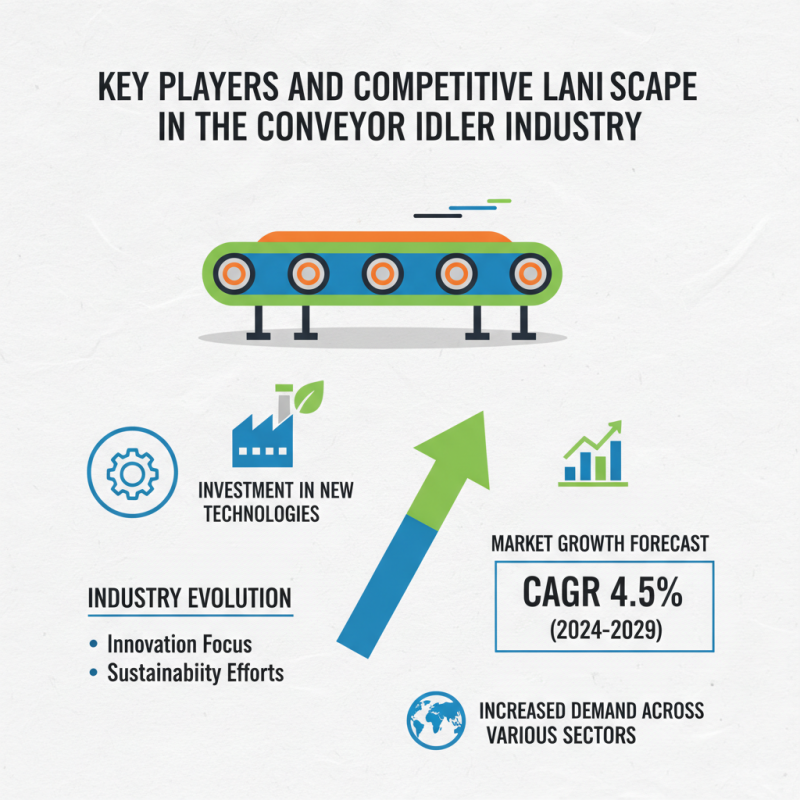
The conveyor idler industry is evolving rapidly. Key players are focusing on innovation and sustainability. Many companies are investing in new technologies to enhance the performance of conveyor systems. According to a recent market analysis, the global conveyor idler market is expected to grow at a CAGR of 4.5% from 2024 to 2029. This growth reflects increased demand across various sectors.
A closer look reveals that manufacturers are not only competing on price but also on material quality and durability. The rise of Mesh Conveyor systems has introduced lighter yet stronger materials. These advancements can increase efficiency while reducing operational costs. However, challenges remain. Companies must adapt to changing regulations and fluctuating raw material prices. The competitive landscape requires agility from all players.
Several industry reports emphasize the importance of collaboration. Partnerships with technology providers can offer valuable insights. This approach may lead to more robust product offerings. However, not all collaborations yield successful outcomes. Companies need to assess their strategic alliances critically, ensuring value creation and mutual benefits in the long term.
As we approach 2026, the landscape of conveyor idlers is set to evolve significantly. Buyers should prepare for advancements in materials, particularly the shift towards lightweight composites. Reports indicate a projected 4.5% annual growth in this segment. These materials promise enhanced durability and lower operational costs. Enhanced performance is essential as industries push for efficiency.
Sustainability will also be a major trend. According to a recent study, 70% of buyers now prioritize eco-friendly solutions. Manufacturers are expected to adopt greener production methods. Anticipating this shift can influence purchasing decisions. Buyers may find it challenging to identify truly sustainable products as the market expands.
Moreover, automation in idler manufacturing is on the rise. This could lead to inconsistencies in quality. While automation aims for efficiency, it might introduce new types of defects. Buyers must remain vigilant about quality assurance. Continuous communication with suppliers will be crucial to ensure product reliability. By 2026, adaptability will be key in navigating these trends.
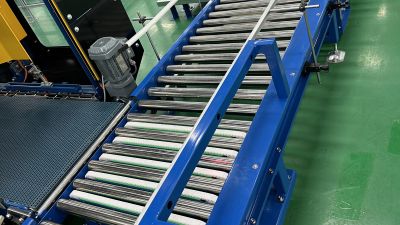
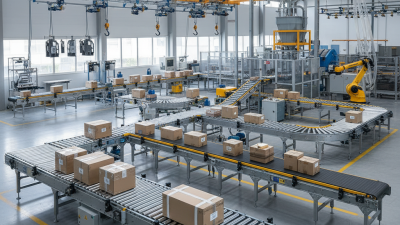
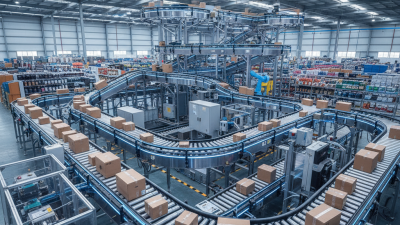
The efficiency of warehousing and material transfer processes has seen substantial improvements through the integration of powered roller conveyors. These systems harness the power of motor-driven rollers to facilitate the seamless movement of various items, including workpieces, pallets, and cartons. According to industry reports, the adoption of such automated conveying devices has increased productivity in logistics operations by up to 30%, with substantial reductions in manual labor and operational costs.
Powered roller conveyors, designed with a robust stainless steel frame, stand out for their ability to maintain stable traction under high loads. This capability is critical in environments where heavy or bulky items are transported. A recent analysis showed that automated systems reduce product damage by nearly 25% compared to manual handling methods. This is particularly relevant for industries where precision and safety are paramount, such as pharmaceuticals and electronics manufacturing.
Moreover, the versatility of powered roller conveyors allows them to be adapted to various layouts and configurations, supporting dynamic workflow changes. The flexibility offered by these systems enables warehouses to optimize their space utilization and streamline operations, leading to enhanced efficiency. With insights from industry reports indicating a projected growth rate of 5.4% in the logistics automation market over the next five years, powered roller conveyors are poised to play a pivotal role in the evolution of modern warehousing solutions.
: Key metrics include friction coefficient and alignment accuracy. These influence system reliability and cost-effectiveness.
Design enhancements lead to better load handling and reduced energy consumption. This results in improved operational efficiency.
Sourcing quality materials is challenging due to fluctuating demand and geopolitical tensions. These factors impact production and costs.
Staying informed about innovations and regulatory changes helps buyers assess idler performance effectively and maintain efficiency.
Companies compete on price, material quality, and durability. Innovations such as lighter materials drive efficiency and reduce costs.
Automation requires idlers that adapt quickly. This pushes manufacturers to improve quality and innovate regularly.
Geopolitical tension creates uncertainties in supply dynamics, leading some suppliers to struggle with demand and production timelines.
Collaborations can offer valuable insights and enhance product offerings, but not all partnerships yield positive results.
Some products may appear high-performing but fail in real-world applications. Proper assessment is necessary to avoid costly mistakes.
Balancing supply and demand while adapting to market changes is crucial for sustainable growth and profitability.
The article titled "2026 Top Conveyor Idlers Trends for Global Buyers" explores significant trends shaping the conveyor idler industry. It highlights emerging technologies in conveyor idler manufacturing, which promise enhanced efficiency and productivity. The use of sustainable materials is also emphasized, impacting design choices while aligning with environmental considerations.
Additionally, innovations in maintenance practices are discussed, aiming to improve the longevity of conveyor idlers and reduce operational downtime. The article further reviews performance metrics and standards to which these components must adhere, reflecting the growing demand for reliability and efficiency. An analysis of global market dynamics reveals shifting supply and demand patterns, while a look at key players within the industry provides insight into the competitive landscape. Finally, the piece offers valuable foresight on what buyers can anticipate by 2026, making it a crucial read for stakeholders in the conveyor idler market.