Leave Your Message
0%

Buying a conveyor in 2026 isn't just picking a chain and a motor, you know? It really starts with the load—cartons, hot castings, pallets, whatever is moving across your plant floor. A suitable chain conveyor has to match product weight, route, duty cycle, and how much maintenance your team can actually keep up with. Small mismatches can come back to bite you. A chain that's perfect for a short transfer might struggle on a long, heavily loaded line.

Alright, so if you're shopping around for chain conveyors, this guide is basically your cheat sheet. We're looking at different suppliers and the usual setups—chain conveyor lines, assembly lines, chain drive equipment, and even the speed-multiply version, plus single and double row configurations. Before you commit, make sure you ask suppliers for rated-load data, chain and sprocket specs, guarding details, and references from similar installations. Drawings are nice and all, but they won't show you where the maintenance headaches are. So just ask them straight: what wears out first?

“Pick the conveyor based on the real load and operating cycle—not some idealized layout.” — Alex Morgan, a fictional composite material-handling specialist. Okay, just to be clear, we made that quote up. It’s not from a real interview or a published paper. Think of it more as a reminder: always double-check claims against technical documents and actual customer references. And when you compare suppliers, you’ll probably notice some real differences in controls, spare-parts access, and service support. Sure, that proposal might look really polished — but honestly, that doesn’t guarantee they’ll deliver. So yeah, take a closer look at the details before you commit to anything.
2026 Top Chain Conveyor Types and Suppliers for Buyers

Chain Conveyors: Definition, Components, and Basic Operating Principles

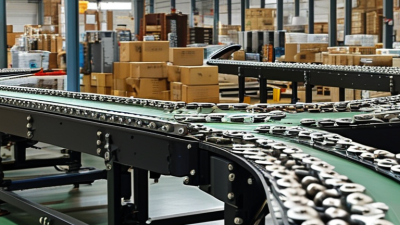
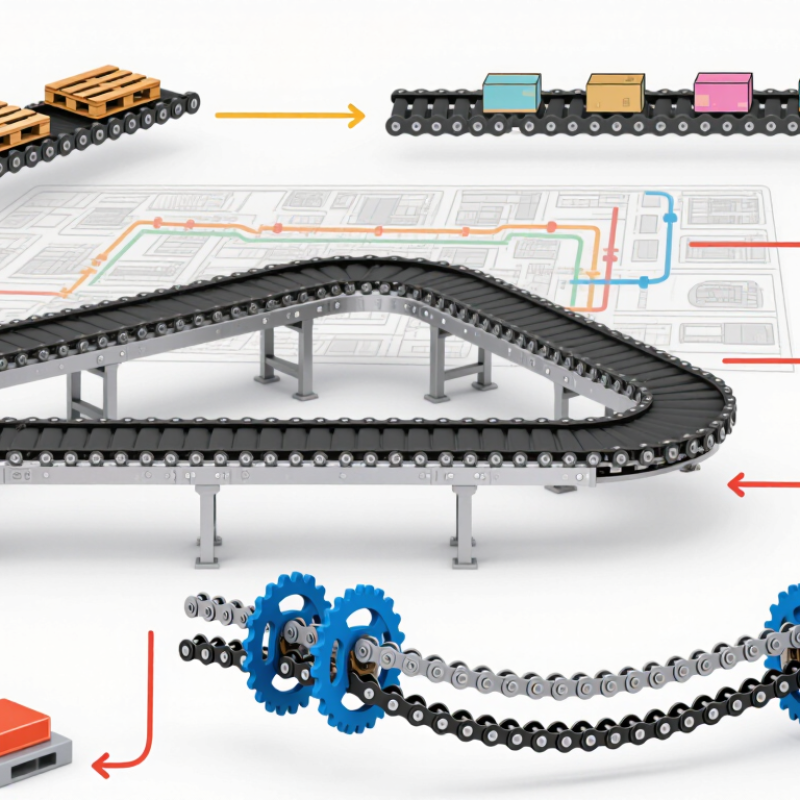
A chain conveyor moves materials through a powered chain loop, with attachments or carriers supporting the load. Its main parts are the chain, drive motor, sprockets, guide rails, frame, and tensioning device. The motor turns a drive sprocket; the chain then travels along a defined path. Loads may sit directly on the chain or on flights, slats, or fixtures. Simple idea. Careful setup matters: poor alignment can increase wear, noise, and energy use.

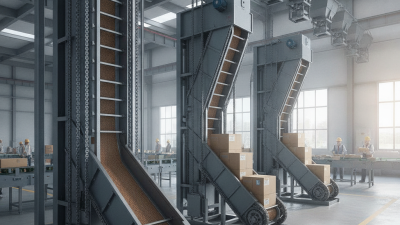
A Roller Chain Conveyor suits discrete loads and demanding transfer points, while a Stainless Steel Chain Line can be selected where corrosion resistance and cleanability matter. A Carbon Steel Chain Conveyor is often used for robust general-duty handling. Straight Chain Line layouts are straightforward; a Curved Chain Conveyor changes direction, and Inclined Chain Conveying moves loads between elevations.

These labels describe configurations, not guaranteed performance. Chain pitch, load weight, speed, surface conditions, and maintenance access must guide selection.

Grand View Research’s 2024 Conveyor Systems Market report estimated the global market at USD 10.6 billion in 2023, with a projected 4.5% annual growth rate from 2024 to 2030. That broad market figure does not predict an individual line’s capacity.

A common oversight is specifying the conveyor before checking the actual load and operating environment.

How Chain Conveyors Move Materials Through Industrial Systems

A chain conveyor moves loads by linking steel or engineered-polymer chains around drive and return sprockets. Motor torque turns the drive shaft, and the chain carries pallets, fixtures, or bulk material along a defined path. Simple enough. Flights or crossbars help keep loose products centered, while attached carriers position heavy assemblies. Side guides and controlled transfer points reduce shifting where production lines meet.

The chain does not move alone. Bearings support the shafts, the frame holds alignment, and take-up devices manage elongation as wear accumulates. Operators should match chain pitch, speed, load, and environment; abrasive dust or washdown can change maintenance needs.

Small misalignment matters. It can cause uneven wear, noise, and rising drive load before a stoppage occurs.

Sensors may confirm product presence, while controls coordinate stops with downstream equipment. The handoff can be the weak point. During commissioning, inspect transfer gaps and return strands, then compare actual loads with design assumptions. At startup, mark several links and record chain travel, noise, and motor current under a representative load.

Common Chain Conveyor Types and Their Typical Applications

A Straight chain plate line suits packaging areas where cartons, trays, or containers move along a clear, level route. Its simple layout makes inspection easier, though transfer points can still cause jams if spacing is poorly planned. Food-grade stainless steel chain plate is often selected for damp processing zones and frequent washdowns. Drainage and cleaning access matter just as much as the material.

A Curved chain plate conveyor guides products around corners without adding a separate transfer belt. It works well in compact kitchens, bottling rooms, and packaging cells, but tight curves may limit product size or stability. An Inclined chain plate conveyor line moves goods between floor levels. Cleats and incline angle should match the load; slippery cartons can creep backward. Double-layer chain plate conveying equipment uses vertical space for return routes or separate product flows. Useful, but not always easy to inspect.

For hot, heavy, or abrasive loads, a Heavy-duty slat chain machine can carry castings, bins, or full containers. Check the expected load, speed, temperature, and cleaning routine with the supplier before ordering. A short test with actual products can reveal awkward transfers. Paper specifications alone may miss them.

2026 Top Chain Conveyor Types and Suppliers for Buyers — Common Chain Conveyor Types and Their Typical Applications

A practical comparison of common chain conveyor designs, the materials or products they handle, typical applications, and the supplier expertise buyers may need. Supplier descriptions are categories, not company or brand recommendations.

Conveyor Type How It Works Typical Loads Common Applications Relevant Supplier Specialization Buyer Checks
Slat Chain Conveyor Linked slats form a continuous carrying surface and are driven by chains, commonly along straight or curved routes. Individual products, containers, cartons, and components that need a stable conveying surface. Bottling and packaging lines, assembly operations, and product transfer between workstations. Packaging-line integrators and manufacturers experienced with slat materials, transfers, curves, and line controls. Confirm product dimensions, required speed, curve geometry, washdown conditions, and compatibility with upstream and downstream equipment.
Apron Chain Conveyor Overlapping or closely spaced steel pans are attached to chains to carry heavy, abrasive, or hot bulk material. Heavy bulk solids, including coarse, abrasive, or hot materials, subject to the equipment design and operating conditions. Mining, cement production, steelmaking, and other heavy-process material handling. Heavy-duty bulk-material equipment suppliers with experience in pan design, chain loads, and abrasive-service applications. Review material temperature and abrasiveness, impact loading, capacity, incline, maintenance access, and wear-part availability.
Drag Chain Conveyor Flights attached to one or more chains move bulk material through an enclosed or open trough. Bulk solids such as grain, wood chips, ash, and other materials selected for the conveyor design. Storage and processing facilities, power plants, and industrial bulk-material transfer systems. Bulk-handling specialists who can assess material properties, enclosure needs, dust control, and routing. Specify material characteristics, required throughput, conveying distance, incline, dust-control needs, and cleanout requirements.
Scraper Chain Conveyor Scrapers attached to a moving chain push bulk material along a trough or channel. Bulk materials suited to trough conveying; performance depends on material flow, moisture, and conveyor geometry. Industrial process plants, storage systems, and selected agricultural or mineral-handling installations. Suppliers of trough-based conveying systems with application experience in scraper spacing and chain selection. Check whether the material tends to stick, bridge, or abrade; confirm trough access, chain tensioning, and cleanout provisions.
Overhead Chain Conveyor A powered chain runs above the work area and carries products on suspended trolleys or attachments. Hanging parts, fixtures, and products that can be safely suspended from a suitable carrier. Paint and finishing lines, automotive production, garment handling, and overhead assembly or storage routes. Overhead-conveyor integrators able to design track layouts, trolley spacing, carriers, and process-line interfaces. Assess suspended load, route and elevation changes, required accumulation, process environment, and safe maintenance access.
Pallet or Heavy-Load Chain Conveyor Parallel chains support and move pallets, skids, or rigid loads; transfer and positioning sections may be integrated into a line. Palletized goods, fixtures, and heavy unit loads with suitable support surfaces. Warehouses, distribution centers, manufacturing cells, and automated production lines. Unit-load conveyor suppliers and system integrators with pallet-handling and controls expertise. Verify load weight and footprint, pallet condition, chain spacing, transfer points, accumulation method, and safety guarding.
Accumulating Chain Conveyor Designed to let compatible unit loads queue or accumulate, using a specified chain, roller, or controlled-contact arrangement. Defined unit loads such as pallets, carriers, or products on suitable bases; allowable accumulation pressure varies by design. Assembly lines, packaging areas, and buffer zones between processes. Conveyor system suppliers experienced in accumulation logic, zone control, and integration with production equipment. Ask how accumulation is achieved, whether loads contact one another, how zones are controlled, and what load-base conditions are required.
En-Masse Chain Conveyor Flights attached to a chain move a high proportion of material through an enclosed casing, often with the material moving as a continuous bed. Suitable free-flowing bulk solids; capacity and suitability depend on material properties and system design. Grain handling, milling, feed production, and other enclosed bulk-transfer duties. Bulk-conveyor manufacturers with experience in enclosed conveying, inlet and discharge arrangements, and material testing. Provide bulk density, particle size, moisture, abrasiveness, temperature, throughput, and conveying route for a proper design review.

Buyer note: Conveyor capacity, speed, allowable load, chain life, and suitability vary with design and operating conditions. Share product or bulk-material details, route layout, duty cycle, environment, and required throughput with prospective suppliers before comparing quotations.

Key Factors for Selecting a Chain Conveyor for Your Facility

Choosing a chain conveyor starts with the load, not the catalogue. Record each item’s weight, dimensions, temperature, and arrival rate during a busy shift. A small carton line needs different chain pitch and speed from a pallet transfer. Check accumulation, incline, transfer gaps, and available floor space. Measure the actual route. Tight bends can increase wear and complicate maintenance. For washdown or dusty areas, verify material compatibility, lubrication needs, and cleaning access before comparing supplier quotes.

Safety and future integration matter too. The U.S. Bureau of Labor Statistics reported 2.4 recordable injury and illness cases per 100 full-time workers in private industry in 2023. This is not a conveyor-specific rate, but it underlines the value of guarding, emergency stops, and safe access. The MHI 2024 Annual Industry Report found that 55% of surveyed supply-chain professionals planned to adopt robotics and automation within five years. Ask whether the conveyor controls can exchange signals with upstream and downstream equipment. Request chain-load calculations, expected maintenance intervals, and references for similar duty cycles. A rated capacity alone can mislead; real operating conditions are often less tidy than the specification sheet suggests.

How to Evaluate Chain Conveyor Suppliers and Their Capabilities

When evaluating chain conveyor suppliers, look beyond catalog speed and advertised load capacity. Ask how the Conveyor handles your actual product, including sharp edges, moisture, and stop-start cycles. A Stainless steel chain plate may suit washdown areas, but confirm the grade, plate thickness, and cleaning requirements. Request drawings showing sprocket engagement, transfer points, and guarding. Small details matter.

A capable supplier should explain how it validates performance, documents maintenance intervals, and sources replacement parts. For a Slat chain conveyor line, ask for a trial using representative product and operating conditions. Check for uneven tracking, noise, and jams during starts and stops. A Metal chain plate assembly line may need different transfers and support spacing than a Top chain conveyor. For a 304 stainless steel chain plate conveyor, verify material documentation rather than relying on a label alone. A brochure is useful, but it is not test evidence; I would still ask for measured results, and sometimes the first trial reveals gaps in the original specification.

Tips: Share product dimensions, target throughput, cleaning routine, and shift hours before requesting a quote. Ask who handles commissioning and what spare parts should be kept onsite. Compare answers, not just prices.

Comparing Leading Chain Conveyor Suppliers for Buyers in 2026

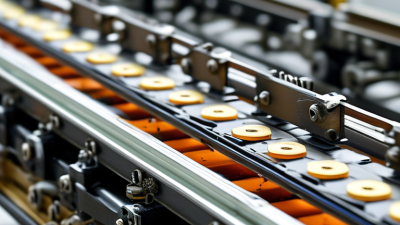
When comparing chain conveyor suppliers in 2026, look beyond catalog prices. Ask how each supplier verifies load capacity, chain wear, and transfer speed under your actual operating conditions. A 3-speed chain may suit accumulation lines where products need different movement speeds. A Triple speed conveyor chain can help manage spacing, but performance depends on compatible sprockets and correct installation. Request drawings and test data.

Compare support as carefully as equipment. Check whether suppliers can explain chain pitch, lubrication needs, maintenance intervals, and replacement-part availability. A 3-speed tooling chain may fit a tooling system, while a Speed multiplier chain may suit applications requiring faster product movement. Light-duty 3-speed chain and Heavy-duty 3-speed chain options should be assessed against payload, duty cycle, and environmental conditions. Do not assume a heavier chain is automatically better. It may add cost without solving the real bottleneck. A spreadsheet helps, but it cannot reveal every installation issue.

Tips: Share product dimensions, target throughput, and daily operating hours when requesting quotes. Ask for a sample or application review. Small details matter. Recheck assumptions after a trial run.

2026 Chain Conveyor Buyer Reference: Standard ANSI Roller Chain Pitches

The chart compares nominal pitches for selected ANSI roller chain sizes. Pitch is the distance between adjacent chain-pin centers and is one useful starting point when reviewing chain specifications. Conveyor chains may follow different standards, so confirm the required chain series and application details before selecting equipment.

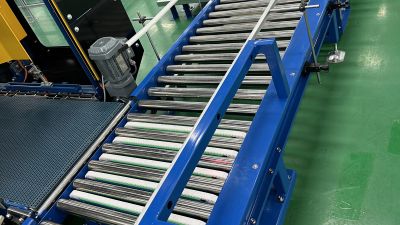
How to Choose a China Powered Roller Conveyor for Warehousing, Production, and Material Transfer

Choosing a China-powered roller conveyor starts with the load and the route it must travel. List the weight, dimensions, base condition, and throughput of cartons, workpieces, or pallets, then check that the conveyor’s rated capacity covers the heaviest load with a suitable safety margin. Roller diameter and spacing should support the item without sagging; motor power and line speed should match the required production rate. For stops, merges, or accumulation, confirm that the drive and controls can manage each zone without damaging goods. MHI’s 2024 Annual Industry Report found that 55% of surveyed supply-chain leaders planned to increase technology investment, reflecting growing interest in automation—but equipment should still be selected for the actual workflow, not simply the trend.

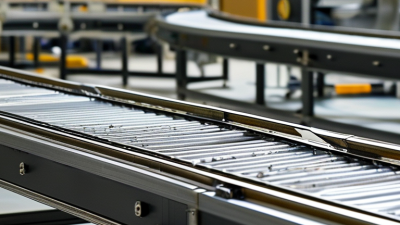
For warehousing, production, and material transfer, a powered roller conveyor with a robust stainless-steel frame can provide a durable option for demanding environments. Its motor-driven rollers offer steady traction for moving cartons, pallets, and workpieces, including under heavy loads. Before purchasing, compare the rated load per roller and per conveyor section, operating speed, roller spacing, frame dimensions, and compatibility with existing equipment. Also ask about duty cycle, maintenance access, safety controls, and installation support. MHI’s report also indicates that 88% of respondents expect to adopt robotics and automation within five years, making it practical to consider whether the conveyor can integrate with future handling systems as well as today’s layout.

FAQS

What is a chain conveyor?

It moves materials using a powered chain loop. Loads may rest on the chain or on carriers, flights, or slats. Simple, but setup matters.

Which parts make up a chain conveyor?

Common parts include a motor, chain, sprockets, guide rails, frame, and tensioning device. The motor turns a sprocket, which moves the chain.

How do I choose the right conveyor for my load?

Measure each item’s weight and dimensions, then note its temperature and arrival rate during a busy shift. A carton and a pallet need different setups.

What should I check when planning the route?

Measure the available floor space, transfer gaps, inclines, and bends. Tight curves can increase wear and make maintenance harder. Easy to overlook.

Which conveyor layout suits different routes?

Straight layouts handle direct paths. Curved designs change direction, while inclined systems move loads between elevations. The layout alone does not guarantee performance.

What matters in dusty or washdown areas?

Check material compatibility, lubrication requirements, and cleaning access. Stainless steel may suit areas needing corrosion resistance and cleanability, but confirm the actual conditions.

What safety features should I consider?

Plan for guarding, emergency stops, and safe access for inspection. These details matter even when the conveyor is only one part of a larger line.

Can a chain conveyor connect with other automated equipment?

Ask whether its controls can exchange signals with upstream and downstream machines. Request load calculations and maintenance intervals too; a rated capacity can be misleading.

Conclusion

This guide explains what chain conveyors are, the main components that support their operation, and how chains move materials through industrial systems. It introduces common configurations, including designs suited to assembly lines, pallet handling, and demanding production environments, while showing how application requirements can influence conveyor choice. Buyers will also find practical considerations for selecting a system, such as material type, load, speed, layout, operating conditions, maintenance needs, and room for future changes.

The guide also outlines how to assess Chain Conveyor Suppliers by reviewing their engineering capabilities, customization options, manufacturing quality, installation support, and after-sales service. A structured comparison of supplier capabilities can help buyers identify suitable partners and weigh performance, reliability, and long-term operating costs. Together, these topics provide a clear starting point for evaluating chain conveyor options and making an informed purchasing decision in 2026.
Emma

Emma

Emma is a dedicated marketing professional at Suzhou Daoda Automation Equipment Co., Ltd., known for her deep expertise in industrial automation. With a strong background in professional design and precision manufacturing, she plays a crucial role in communicating the company’s core business......
Previous What Are the Top Roller Conveyor Types in 2026?