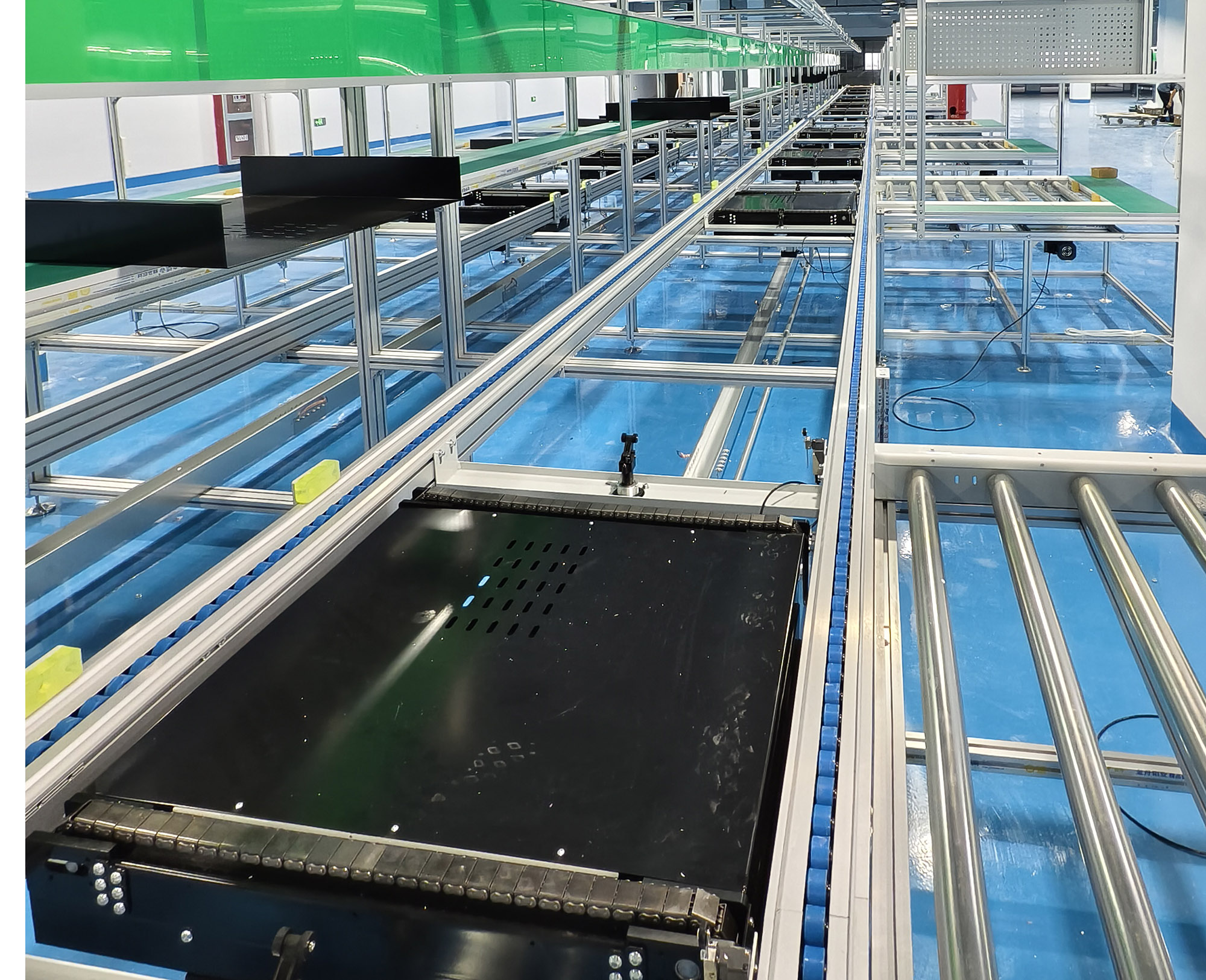
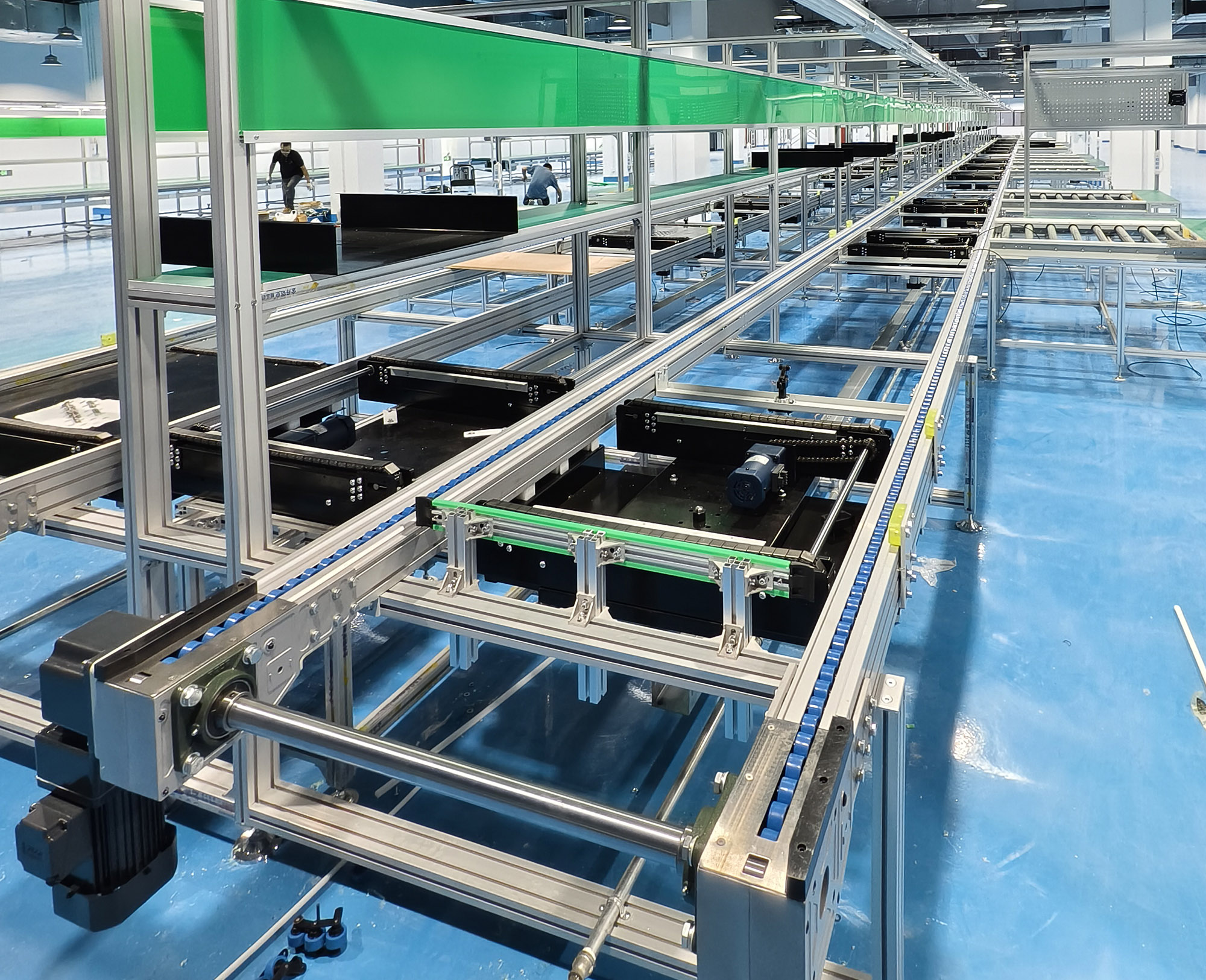
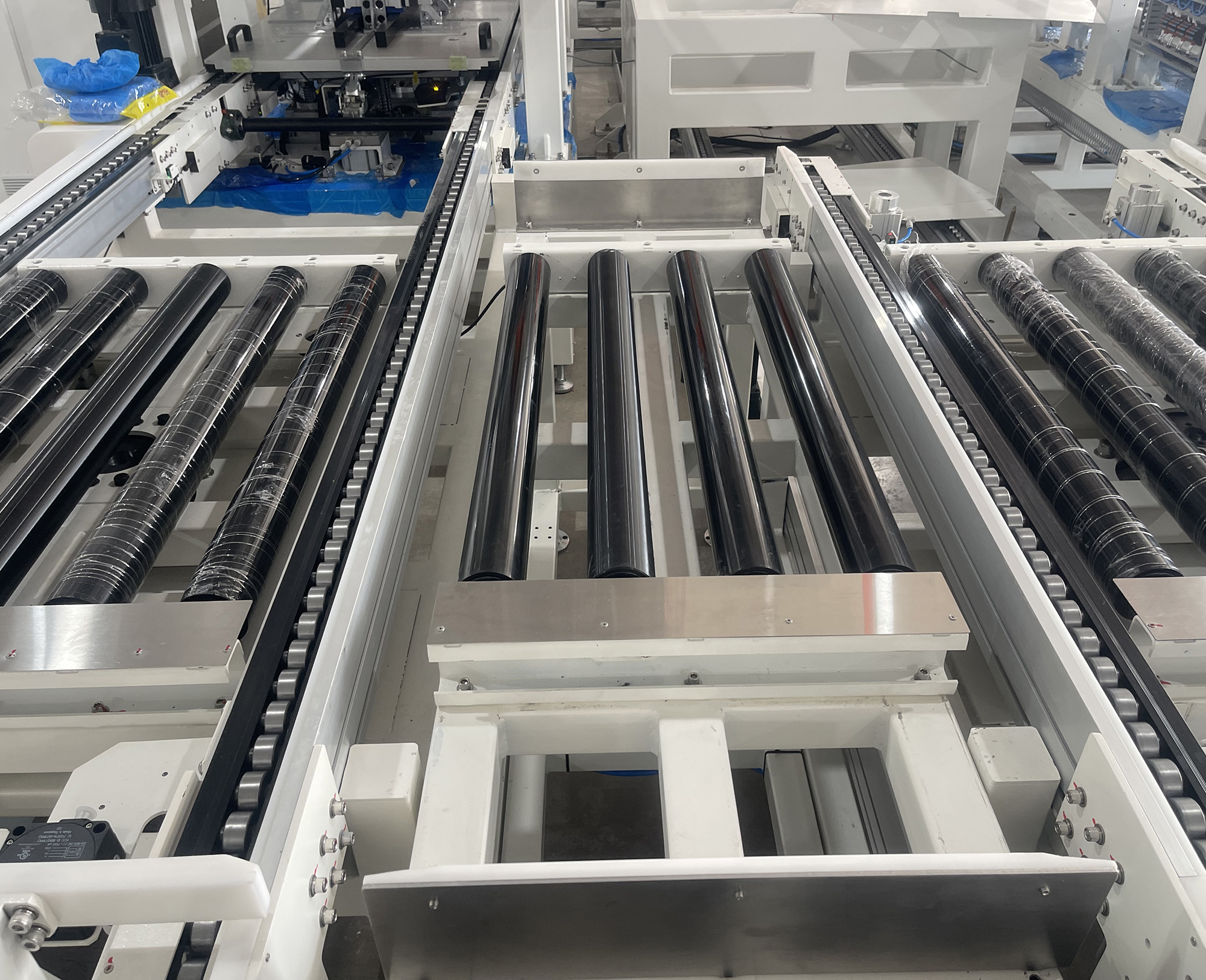
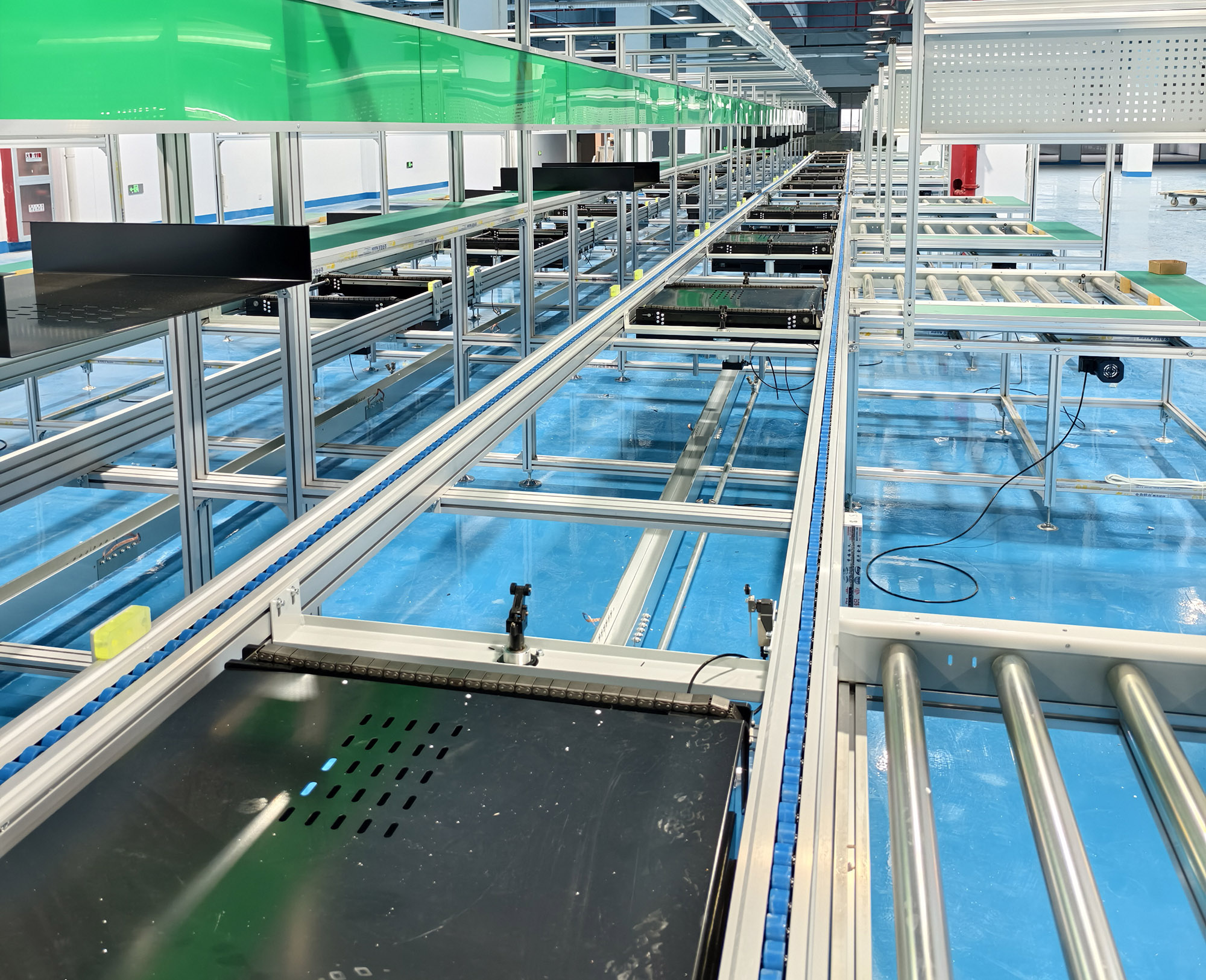
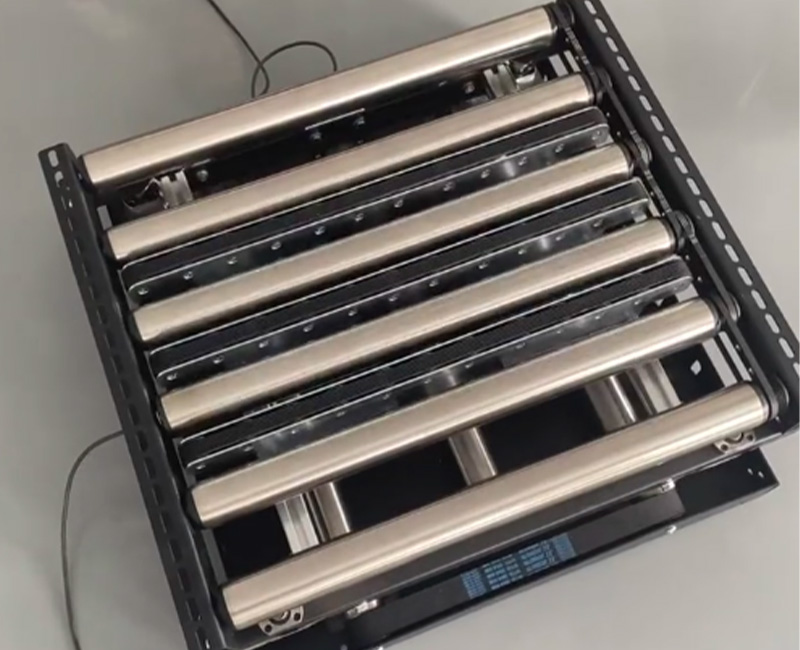
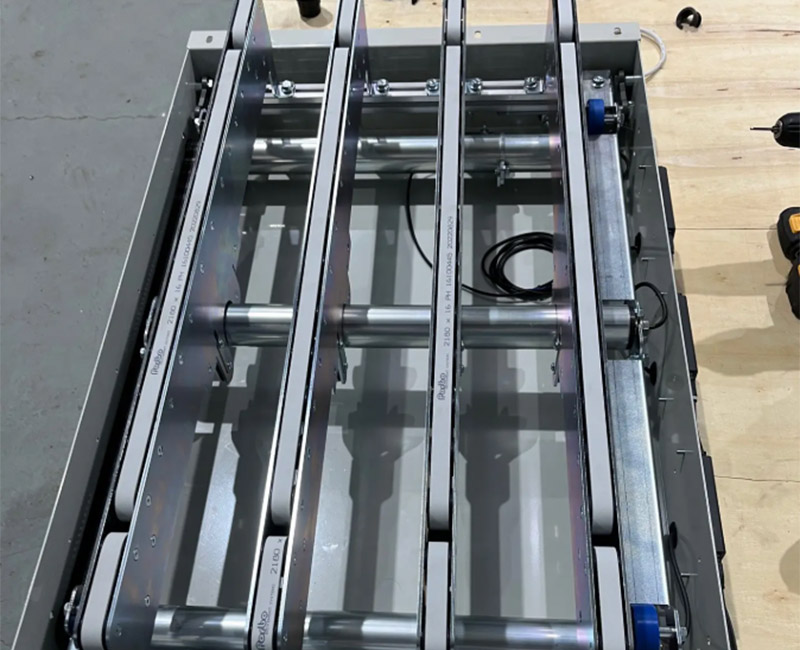
Automatic Lifting Transfer Unit from China Suppliers | Efficient Diversion for Factory Production Lines
1. Precise and Efficient
Utilizing a precision lifting mechanism and guiding system, it achieves high positioning accuracy and smooth, impact-free transfer, significantly improving connection efficiency.
2. Widely Compatible
Supports various material types (tooling plates, boxes, components), and allows for customized transfer stroke and load to adapt to different production line layouts.
3. Stable and Reliable
Core components are made of high-strength materials, and the drive system is rationally selected with strong fatigue resistance, making it suitable for long-term, high-frequency automated operation.
4. Intelligent Collaboration
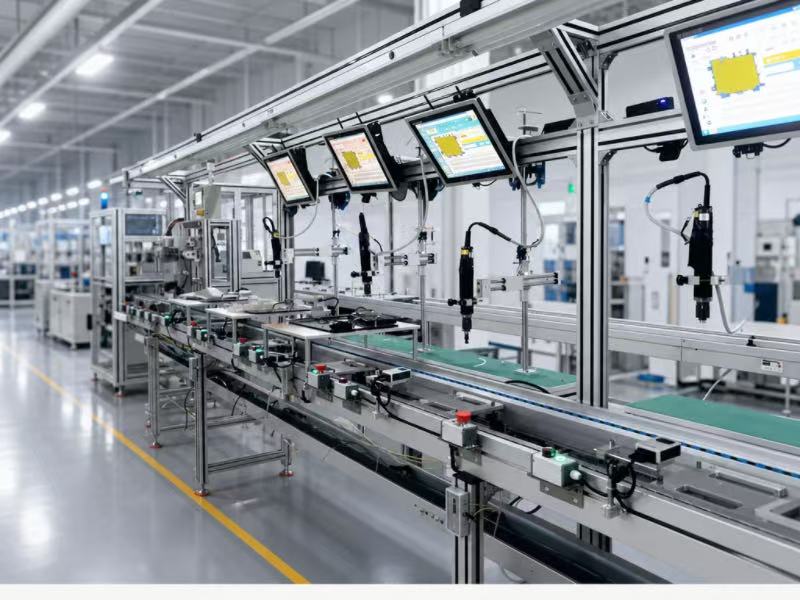
It can be linked with production line control systems to achieve automatic sensing and precise start-stop, requiring no manual intervention and improving the automation level of the production line.
5. Convenient Operation and Maintenance
The simple structural design and standardized core components make disassembly and maintenance easy. Routine checks and lubrication are sufficient, resulting in low operation and maintenance costs.
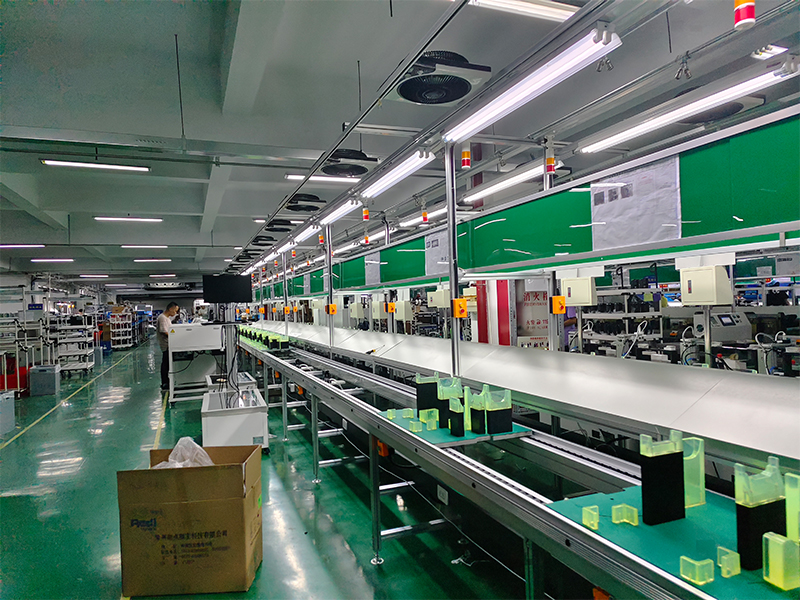
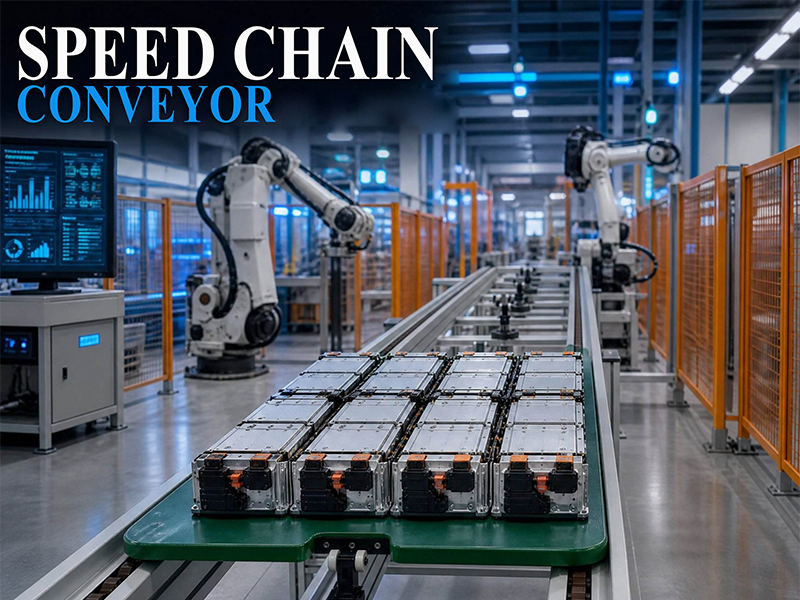
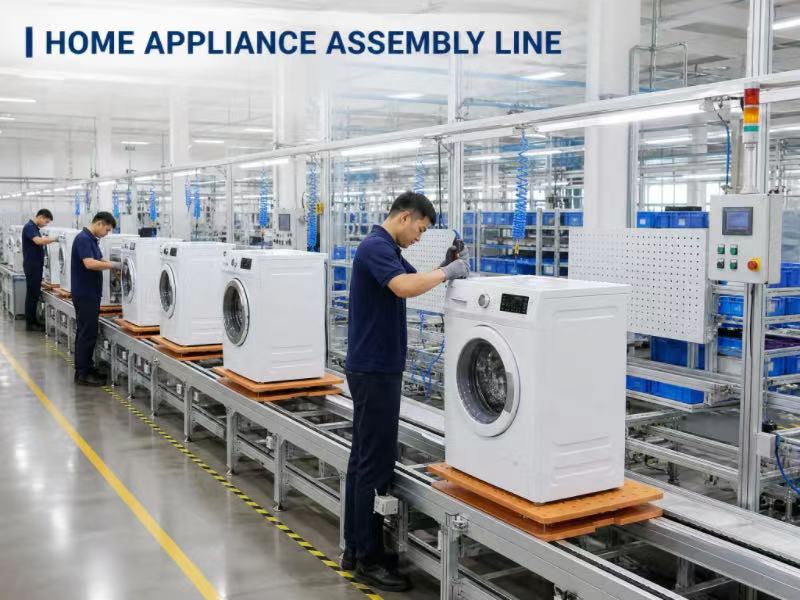
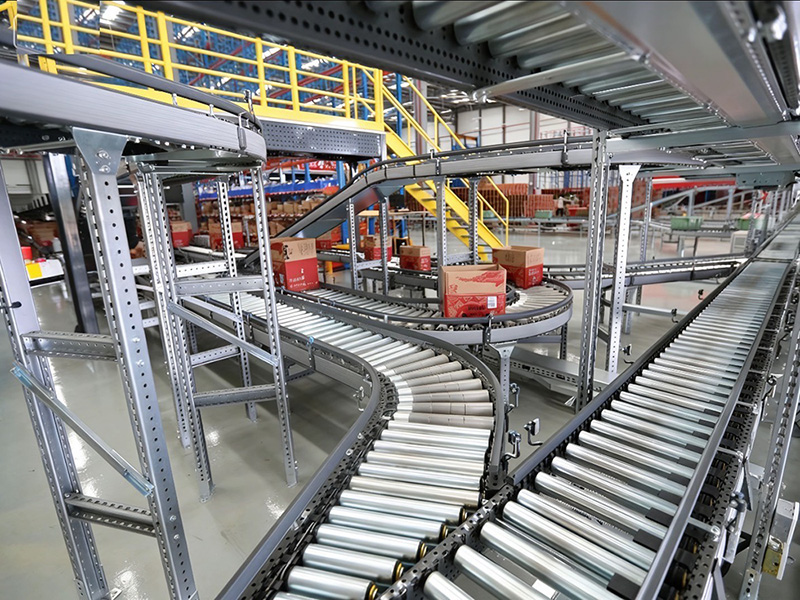
The lifting transfer unit is a material turning and connecting equipment adapted to automated production lines, primarily used in industries such as electronics, home appliances, and automotive parts. Through an integrated "lifting-transferring-lowering" action, it enables the transverse, longitudinal, or turning connection of materials between different conveyor lines. It can seamlessly connect with conveyor equipment such as double-speed chains and belt conveyors, meeting the automated production needs of multi-station flow, sorting, and diversion.
| Parameter | Specification Parameters |
|---|---|
| Lifting / Transfer | Customizable, Positioning Accuracy: ±0.5mm |
| Load | Variable |
| Drive Method | Pneumatic / Servo Motor |
| Operating Speed | Lifting: 0.1–0.3 m/s, Transfer: 0.2–0.5 m/s; Power Supply: 220V / 380V |
| Material | Aluminum Profile / Carbon Steel Spray-Painted / 304 Stainless Steel |
| Drive Power | Variable Frequency |
| Ambient Temperature | -10℃ ~ 60℃ |
| Certification | CE / ISO9001 |
-
Q1 What is a lifting transfer unit and what does it do? ⌄A lifting transfer unit is an automated material handling device used to connect different conveyor lines. It performs an integrated "lifting–transferring–lowering" action to move materials transversely, longitudinally, or in a turning direction between production line segments, enabling smooth, continuous automated flow.
-
Q2 What types of materials and conveyor systems are compatible with this unit? ⌄The lifting transfer unit supports a wide range of material types including tooling plates, boxes, and components. It is compatible with various conveyor systems such as double-speed chains and belt conveyors. The transfer stroke and load capacity can be customized to suit different production line layouts.
-
Q3 What positioning accuracy does the lifting transfer unit achieve? ⌄The unit achieves a positioning accuracy of ±0.5mm thanks to its precision lifting mechanism and guiding system. This ensures smooth, impact-free material transfer and high connection efficiency across production stations.
-
Q4 Can the lifting transfer unit be integrated with existing production line control systems? ⌄Yes. The unit supports intelligent collaboration with production line control systems. It features automatic sensing and precise start-stop functionality, requiring no manual intervention, which significantly improves overall automation levels and reduces labor costs.
-
Q5 What are the available drive methods and material options? ⌄The unit is available with pneumatic or servo motor drive methods. Structural materials include aluminum profile, carbon steel (spray-painted), and 304 stainless steel, allowing selection based on application environment and load requirements.
-
Q6 How easy is it to maintain the lifting transfer unit, and what certifications does it hold? ⌄The unit features a simple structural design with standardized core components, making disassembly and maintenance straightforward. Routine checks and periodic lubrication are all that is typically required, keeping operation and maintenance costs low. The unit holds CE and ISO9001 certifications, ensuring international quality and safety standards compliance.